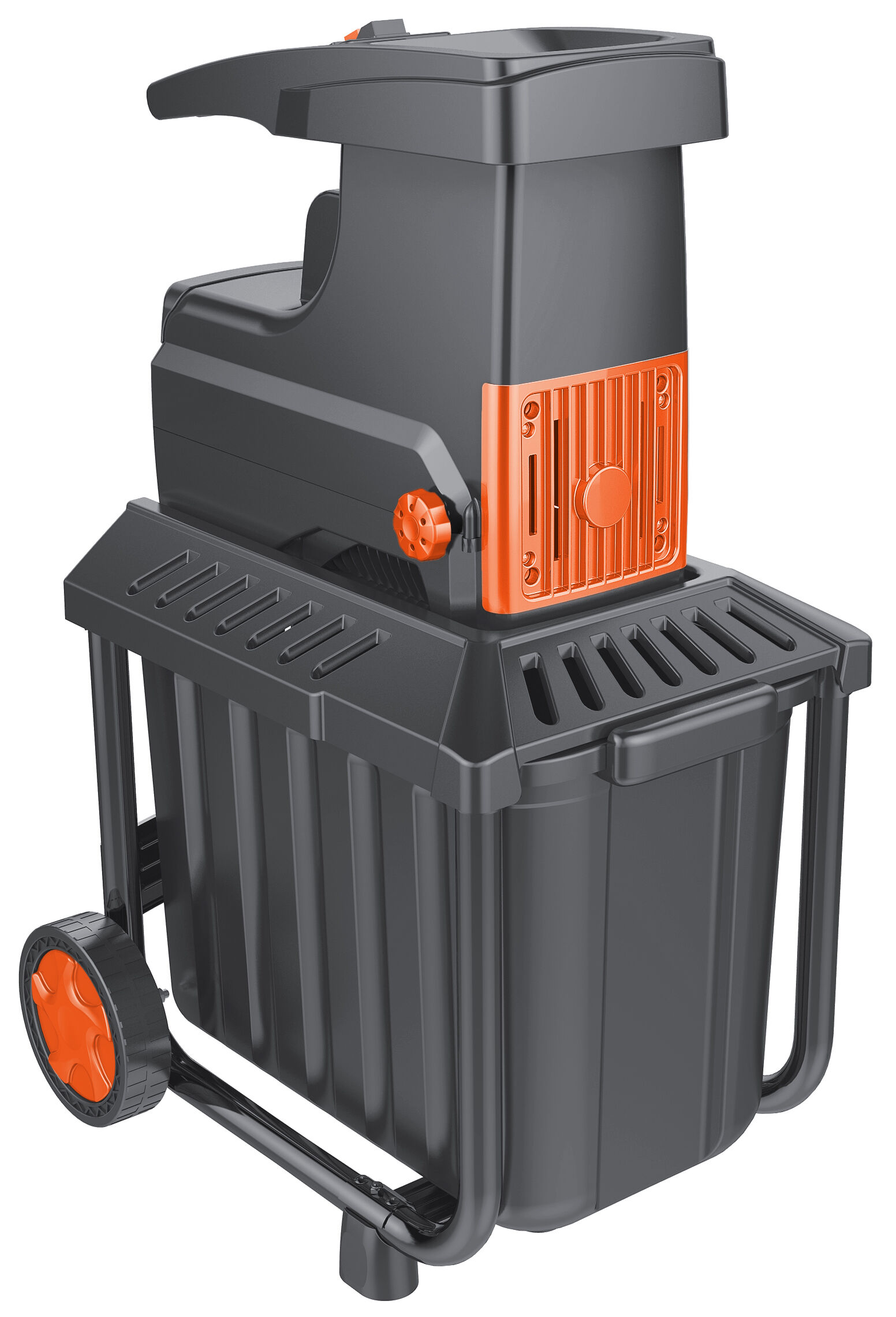
Garden Shredder
Application Background
Modern landscaping and gardening practice has two recurrent problems: the management of waste and the management of resources. Gardens, parks and landscaped areas produce considerable amounts of branches, hedge clippings and seasonal waste. In a typical scenario, these materials are either burned, transported for disposal, or left to rot which have been an inefficient use of a resource, is harmful to our environment, and can be a considerable problem when spatial issues arise.
Garden shredders are a solution to this problem as they reduce bulky waste into smaller versatile materials. As for householders, shredders keep yard clean and generate mulch which holds moisture, suppresses weeds, and improves soil structure. Landscaping companies and professional gardeners rely heavily on garden shredders to mitigate disposal costs and to utilize the waste on-site, while converting a liability into a resource.
In a municipal environment, parks, schools, and community green spaces, garden shredders provide an environmentally sustainable option to handle continuous waste streams in a more eco-conducive manner. Instead of planning for collection of waste, maintenance crews can shred green waste for mulch for flower beds, tree bases, or composting projects. This potentially improves sustainability goals, reduces the carbon footprint down, and holds the added benefit of reducing collection based services for a monetary savings.
In all cases, investing in a garden shredder is not just for convenience of clean up but an integral part of a circular philosophy in gardening, where waste is extracted, and then recycled as a resource back to nature, ultimately improving soil health, support growth of plants and a reduce long-term maintenance costs.