Beyond Disposal: The Multifaceted Applications of a Garden Waste Chipper
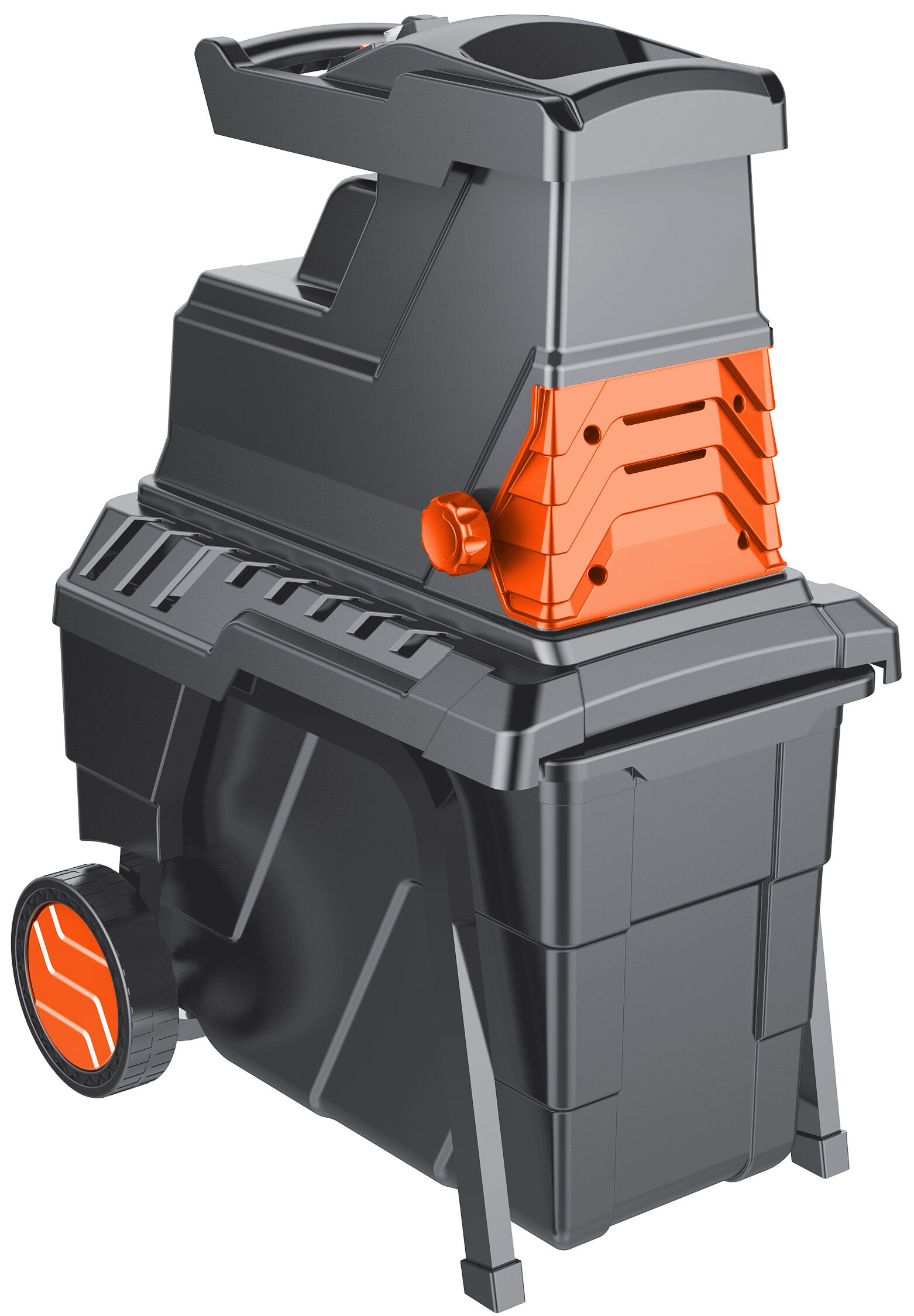
A garden waste chipper fundamentally changes the approach to seasonal clean-ups and routine garden maintenance. Its primary application is efficiently processing bulky, problematic waste that is difficult to handle otherwise. This includes not only fallen branches and hedge trimmings but also tough, woody stems from perennial plants and small shrubs. Instead of creating unsightly piles or struggling to fit awkward debris into green bins, the chipper reduces it to a small, manageable volume of uniform wood chips. This application is invaluable after storm seasons, major pruning projects, or simply for keeping a large garden tidy throughout the year, saving significant time, effort, and disposal costs.
The true prospect of a garden waste chipper lies in its ability to transform a disposal problem into a valuable resource. The resulting woodchips are a versatile material that can be immediately put to work enhancing the garden. They serve as an excellent moisture-retaining mulch for flowerbeds, suppressing weeds and improving soil health as they slowly decompose. Furthermore, these chips are an ideal "brown" material for composting, balancing out nitrogen-rich "green" waste like grass clippings to accelerate the creation of rich, fertile compost. This closed-loop system allows gardeners to sustainably feed their gardens from their own waste, reducing the need for purchased mulch and fertilizers.
For landscaping professionals, estate managers, or owners of large properties like orchards, the garden waste chipper transitions from a convenience to a critical business asset. It enables efficient, on-site management of large volumes of organic waste, drastically reducing or eliminating hauling and disposal fees. The ability to produce bulk, high-quality mulch on-demand for use in landscaping projects, pathways, or erosion control represents a substantial cost saving and an eco-friendly service offering. This makes the investment a clear economic and operational advantage, promoting a sustainable, profitable, and self-sufficient approach to land management.

 EN
EN