
 EN
EN
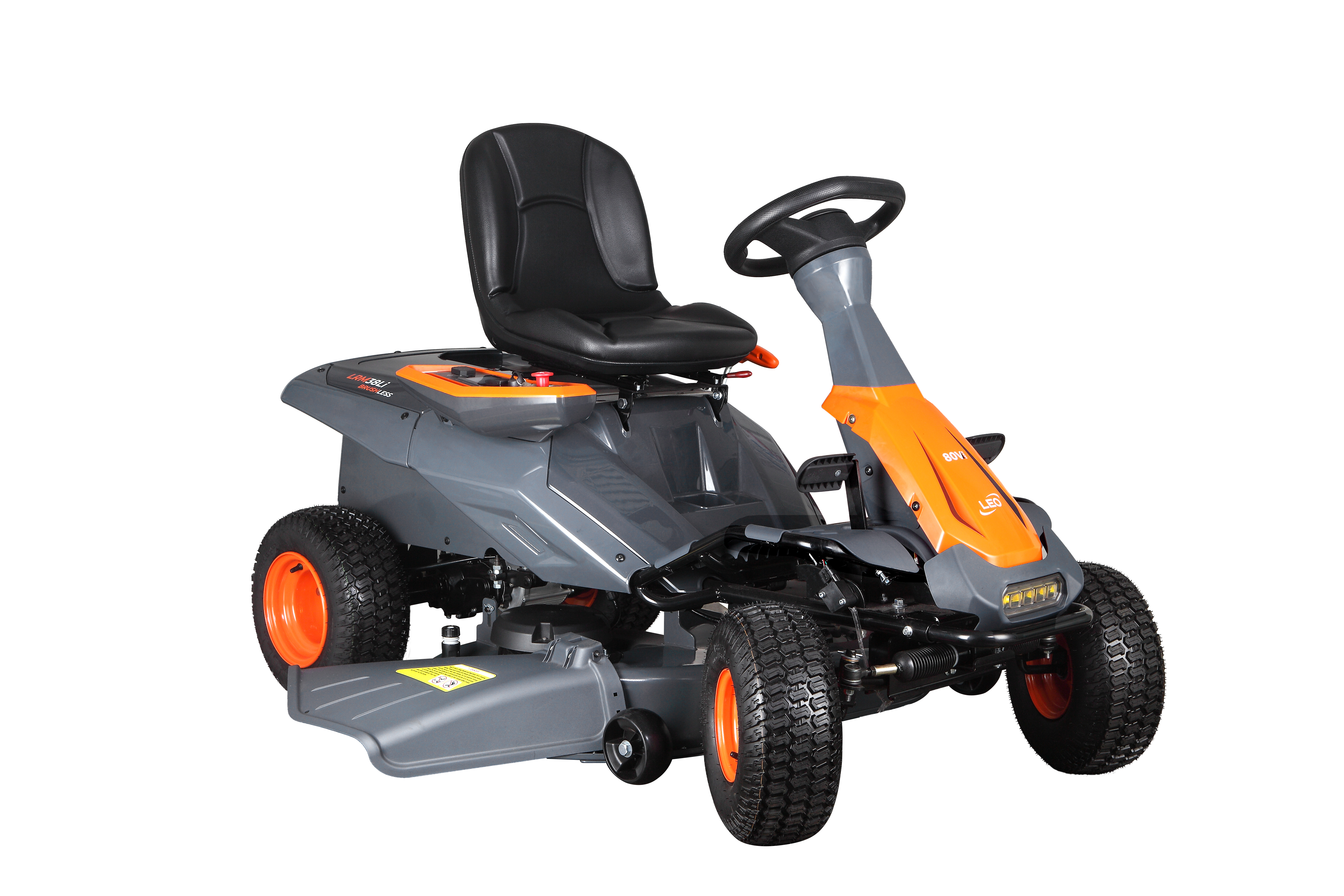
Cordless Lawn Mowers: A Deep Dive into Battery Technology
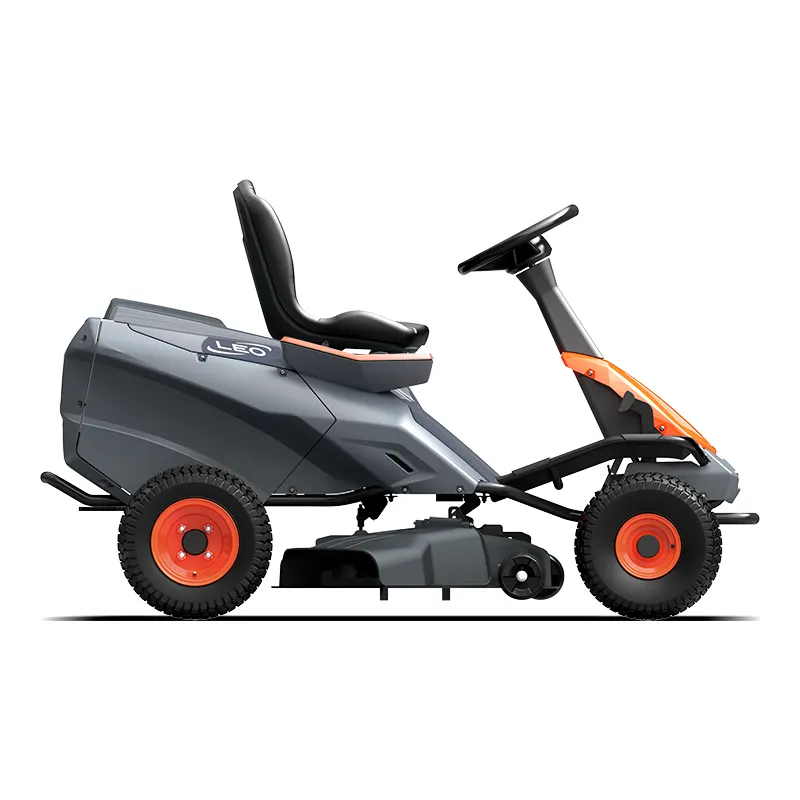
Lithium-Ion vs. Lead-Acid Batteries: Why Lithium-Ion Dominates Modern Cordless Lawn Mowers
Most modern cordless lawn mowers now rely on lithium‑ion batteries instead of traditional lead‑acid batteries because lithium‑ion technology delivers far superior performance. Lead‑acid batteries are significantly heavier and store far less energy. According to a 2024 industry report, lithium‑ion batteries can deliver up to three times the power of lead‑acid batteries while reducing weight by around 40%. The lighter weight makes lawn mowers easier to maneuver across the yard, reducing fatigue during long weekend mowing sessions.
Another major advantage is the absence of a memory effect—partial charging does not degrade overall battery lifespan. This allows users to recharge at any time without worrying about long‑term damage. Lithium‑ion batteries also offer stable power output, longer intervals between charges, and virtually no maintenance requirements. With so many benefits, it’s no surprise that major outdoor equipment brands have widely adopted lithium‑ion technology.
How Battery Voltage, Capacity (Ah), and Watt-Hours Affect Performance
Choosing a good cordless lawn mower starts with understanding key battery specifications.
-
Voltage (V) determines power output. Higher voltage—typically 36V to 80V—provides better performance when cutting thick grass or navigating uneven terrain.
-
Amp-hours (Ah) indicate how long the battery can run before needing a recharge. If two batteries have the same voltage, a 5.0Ah battery will generally last twice as long as a 2.0Ah battery.
-
Watt-hours (Wh) offer the clearest comparison across different models. The formula is:
For example, a 40V 5.0Ah battery provides 200Wh, which is the same total energy as a 20V 10.0Ah battery. Comparing watt-hours helps determine which mower delivers greater overall power.
Typical Lifespan and Charge Cycles of Modern Batteries
Most lithium ion batteries found in modern cordless lawn mowers will generally go through around 500 to 800 complete charge cycles before they drop down to roughly 80% of what they originally held, which usually translates to somewhere between three and five years for someone using them regularly around their home. How long these batteries actually last depends quite a bit on how often they get used and how well they're taken care of. If people avoid letting the battery drain completely, keep it stored somewhere not too hot or cold, and stick with the charger that came with the mower, then the battery might actually last longer than expected. According to some tests done in the industry, those who store their batteries with about half a charge when they aren't going to use them for awhile tend to see their batteries last maybe 25% longer than folks who either leave them fully charged or let them run all the way down before putting them away.
Optimal Charging Practices for Long-Lasting Battery Health
Charge smart: Avoiding overcharging and using manufacturer-recommended chargers
Stick with the charger that came with your device or one officially approved by the maker. Generic chargers often deliver wrong voltages or currents which can lead to overheating problems and damage to battery cells over time. Following good charging habits actually makes batteries last longer too - studies suggest around 40% improvement in lifespan when done right. When the battery hits 100%, it's best practice. Leaving it plugged in after full charge puts extra strain on those lithium ion cells inside, and this gradual wear happens faster than most people realize. A little attention goes a long way toward keeping devices running smoothly for years instead of months.
Is it safe to leave your Cordless Lawn Mower battery on the charger?
Most newer chargers come with those handy automatic shut off functions these days, but keeping batteries plugged in forever still isn't such a great idea. The truth is, even when the charger thinks it knows what it's doing, constant connection creates small stresses that build up over time and eventually take their toll on battery life. Want to get the most out of your battery? Take it off the charger within maybe three or four hours once it hits 100%. That little extra step makes all the difference in how long the battery will last before needing replacement.
Charging frequency and off-season use of trickle chargers or battery maintainers
During off-season storage, keep your battery at a 40–60% charge level rather than fully charged or empty. For storage exceeding 30 days, consider a lithium-ion-compatible battery maintainer or trickle charger. These devices gently offset natural self-discharge without overcharging, helping preserve capacity and readiness until the next mowing season.
Maintaining Ideal Charge Levels and Preventing Deep Discharge
Why you should never fully discharge your Cordless Lawn Mower battery
Letting a lithium ion battery run completely dry does real harm because it speeds up the chemical reactions that break down the cell components over time. Lithium batteries actually work better for longer periods if they stay above about 20% charge level. Studies show that keeping discharge levels above this mark makes a huge difference in how long the battery lasts before needing replacement. For example, someone who only lets their battery drop to around 30% before recharging might get somewhere near 16,000 charge cycles out of it, compared to just 4,000 cycles for those who let it drain all the way according to Large Battery's findings from last year. If protecting our gadgets matters, then plugging in when the battery hits roughly between 20 and 25% remaining seems like smart practice rather than waiting until it's totally empty.
Storing at 40–60% charge: The science behind partial discharges and longevity
Keeping batteries stored around the 40 to 60 percent charge mark helps reduce stress on the cells and keeps them chemically stable when not in use. If left fully charged for extended periods, batteries tend to age faster because they're constantly under high voltage pressure. On the flip side, letting them drop completely flat can lead to serious problems down the road, sometimes even rendering the battery useless forever. That sweet spot between 40 and 60 percent actually works best for most situations since it slows down how quickly the battery loses its charge naturally over time. When storing something seasonally for more than three months straight, remember to give it a quick checkup once every three months or so. Just pop it on the charger briefly if it looks like it's drifting outside that safe zone we talked about earlier.
Protecting Your Battery from Temperature and Environmental Damage
How Extreme Heat and Cold Impact Battery Performance and Lifespan
Lithium ion batteries really suffer when exposed to extreme temps. When it gets too hot, the chemicals inside start breaking down faster than normal, which means the battery loses capacity over time and becomes more prone to overheating problems. Cold weather is just as bad for these batteries though. The electrolyte gets thicker in low temps, making it harder for electricity to flow through, so performance drops off quite a bit. Worse still, trying to charge them when they're cold can actually cause some physical damage to the cells themselves. Most battery makers suggest keeping things within a comfortable range of around 50 to 85 degrees Fahrenheit (or 10 to 30 Celsius) if possible.
Winter Storage Guidelines: Best Practices from a Leading Manufacturer
Winter is coming, so give your battery a head start by topping it up to somewhere between 40 and 60 percent charge before putting it away. Store it somewhere cool and dry where temperatures stay above freezing but don't get too warm either, ideally under 80 degrees Fahrenheit. Garage spaces and backyard sheds can be tricky because they tend to swing wildly with outside temperatures. For longer term storage, grab a battery maintainer designed specifically for lithium-ion cells. These handy devices keep the charge stable without going overboard on voltage levels. Most folks who've gone through this process find that following these steps really helps maintain battery health all through those months when it's sitting idle.
Ideal Storage Conditions: Avoiding Moisture, Direct Sunlight, and High Heat
Keep cordless lawn mower batteries stored somewhere stable where temperature stays relatively constant, away from dampness, direct sun, and anything that gets too hot. Moisture can really mess with terminals over time, causing them to corrode. And those UV rays plus heat will just speed up how fast the battery ages. A good spot is usually inside the house somewhere with decent airflow, maybe a basement area or one of those closets not right against exterior walls. This helps maintain steady conditions for the battery and lets any leftover warmth escape naturally instead of building up inside.
Monitoring Battery Health and Knowing When to Replace
Using built-in indicators and apps to track battery health
The majority of today's cordless mowers now have built-in battery management systems (BMS). These systems keep track of things like how many times the battery charges up, what voltage it's running at, and even the temperature during operation. Some show this info right on an LED screen while others connect to smartphone apps so gardeners can check stats anytime. Pretty handy stuff really. When a mower doesn't come with these monitoring features built in, there are still options available. People often grab separate testing devices that measure both voltage levels and overall capacity to get a good sense of how healthy the battery actually is. Works just fine for those who want to know what's going on under the hood without spending extra bucks on fancy tech.
Signs of degradation: Reduced runtime, slow starts, and charging issues
Watch for early signs of battery decline, including noticeably shorter runtime (inability to finish your lawn on a full charge), delayed motor response, or longer charging times. Physical changes such as swelling, leakage, or corroded terminals also signal advanced wear and indicate replacement should be considered soon.
Battery troubleshooting: Recalibration, maintenance, or replacement?
Troubleshooting Battery Issues: Start with the Basics
When problems arise, the first step is to address the fundamentals. Thoroughly clean the battery terminals, check all connections to ensure they are secure, and then try a full discharge followed by a complete recharge to help reset the Battery Management System (BMS). If the issue persists, it’s time to consult the manufacturer’s manual. Most companies recommend seeking professional inspection if these simple fixes do not resolve the problem. Based on industry-wide observations, once a battery can no longer maintain at least 80% of its expected performance over time, replacement is usually more practical than attempting further repairs.
How Long Do Cordless Lawn Mower Batteries Last? Industry Benchmarks
Under normal household use, lithium‑ion batteries typically last 3 to 5 years, or roughly 500 to 800 charge cycles. Heavy-duty use—such as mowing dense grass, working on steep slopes, or operating in extreme temperatures—can shorten battery lifespan. Regular maintenance, however, does help extend longevity. Most reputable manufacturers design their batteries to retain around 80% of their original capacity throughout the warranty period. After the warranty expires, performance usually declines gradually rather than failing suddenly.
Frequently Asked Questions (FAQ)
What advantages do lithium-ion batteries have over lead-acid batteries?
Lithium‑ion batteries deliver three times the power, weigh 40% less, and have no memory effect, allowing flexible charging without reducing lifespan.
How do voltage, capacity, and watt-hours affect lawn mower performance?
Higher voltage improves power output under tough conditions. Capacity (Ah) determines runtime before recharging, while watt-hours (V × Ah) provide a complete measure of total battery energy.
What is the typical lifespan of a cordless lawn mower battery?
Most lithium‑ion batteries last 3–5 years with 500–800 charge cycles, depending on usage patterns and maintenance.
How can charging be optimized?
Use the manufacturer‑recommended charger, avoid overcharging, and disconnect the battery once it reaches full capacity to extend its lifespan.
Can the battery stay on the charger all the time?
Keeping a fully charged battery continuously connected to the charger is not recommended, as it can shorten battery life. Disconnecting it a few hours after reaching full charge is ideal.
Table of Contents
- Cordless Lawn Mowers: A Deep Dive into Battery Technology
- Lithium-Ion vs. Lead-Acid Batteries: Why Lithium-Ion Dominates Modern Cordless Lawn Mowers
- How Battery Voltage, Capacity (Ah), and Watt-Hours Affect Performance
- Typical Lifespan and Charge Cycles of Modern Batteries
- Optimal Charging Practices for Long-Lasting Battery Health
- Maintaining Ideal Charge Levels and Preventing Deep Discharge
- Protecting Your Battery from Temperature and Environmental Damage
- Monitoring Battery Health and Knowing When to Replace
- Troubleshooting Battery Issues: Start with the Basics
- How Long Do Cordless Lawn Mower Batteries Last? Industry Benchmarks
- Frequently Asked Questions (FAQ)