
 EN
EN
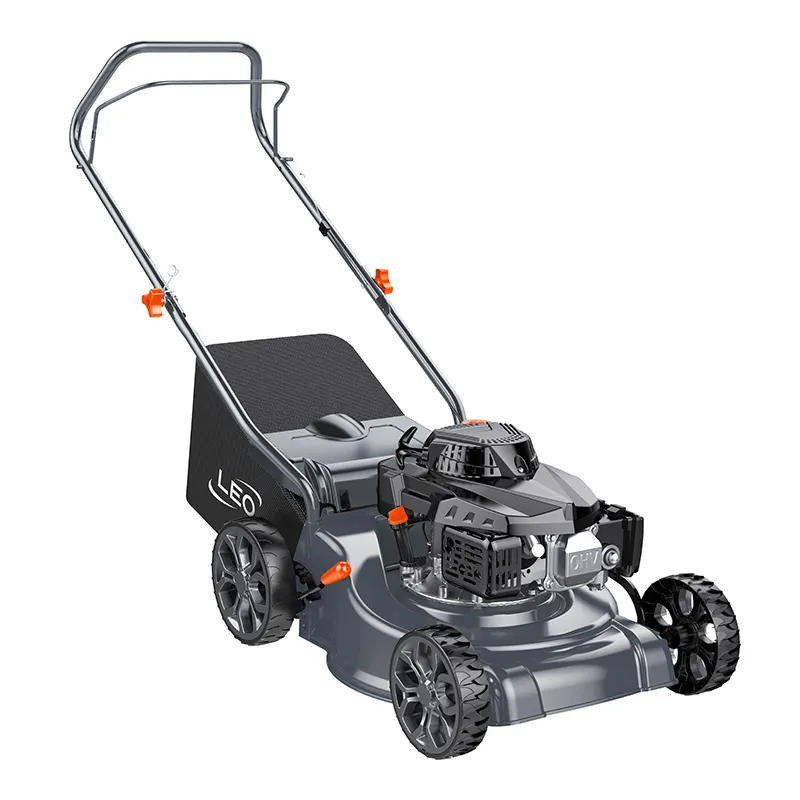
How Petrol Lawn Mowers Achieve True 3-in-1 Functionality
Core Mechanism: Adjustable Deck Baffles, Mulching Plugs, and Dual-Mode Blades
True 3-in-1 functionality in a petrol lawn mower relies on three integrated mechanical elements working in unison. Adjustable deck baffles regulate airflow within the cutting chamber—directing clippings toward the collection bag, out the side discharge chute, or back under the deck for repeated cutting. A mulching plug seals the discharge opening, forcing clippings to recirculate until finely chopped. Dual-mode blades combine high-lift geometry for strong suction during bagging or discharging with serrated, multi-edge cutting surfaces optimized for fine mulching. This synergy enables seamless, tool-free switching between modes while maintaining consistent blade speed and vacuum performance—powered by the engine’s reliable torque output.
Real-World Validation: Honda HRX217VKA vs. Mountfield HP470 Performance Comparison
Independent field tests of these two premium models confirm how well-executed 3-in-1 engineering delivers measurable results. In mulching mode, both units reduced visible thatch accumulation by over 70% compared to standard side-discharge mowing—demonstrating effective recirculation and fine clipping dispersion. During bagging, optimized airflow and deck design achieved >95% capture efficiency on dry grass, with minimal blowout. Side discharge performance proved most sensitive to baffle tuning: models with precision-adjustable baffles maintained consistent throw distance even in damp conditions, avoiding clumping or uneven distribution. Crucially, cut quality remained uniform across all modes—evidence that robust petrol power and intelligent deck dynamics preserve performance without compromise.
Choosing the Right Mowing Mode by Lawn Condition
Seasonal Guidance: Mulching in Spring, Bagging in Autumn, Side Discharge for Wet or Overgrown Grass
Seasonal changes dictate optimal mode selection. In spring, rapid growth and high moisture content make mulching ideal—finely chopped clippings decompose quickly, returning nitrogen and organic matter directly to the soil. By autumn, slower growth and leaf fall necessitate bagging: removing debris prevents light blockage, moisture retention, and fungal development. For wet, tall, or matted grass—where clippings readily clump—the side discharge mode spreads material evenly, reducing smothering risk and improving airflow to recovering turf. Switching proactively with conditions ensures consistent lawn health and avoids unnecessary stress.
Turf Health Triggers: When Disease, Weeds, or Thatch Buildup Demand Mode Switching
Lawn health issues signal when to pivot modes. Fungal outbreaks—such as brown patch or dollar spot—require immediate bagging to remove infected tissue and limit spore dispersal. Similarly, heavy weed infestations warrant bagging to prevent mature seed heads from reintroducing weeds into the lawn. Thatch buildup—exceeding ½ inch—impedes water infiltration and root respiration; using side discharge or bagging during a low-cut pass helps physically lift and remove excess organic layer. Recognizing these triggers and adjusting mode accordingly supports long-term resilience, turning routine mowing into targeted turf care.
Tangible Benefits of a Versatile Petrol Lawn Mower
Cost & Space Savings: Eliminating Multiple Machines Without Compromising Professional Results
A true 3-in-1 petrol lawn mower consolidates essential functions—mulching, bagging, and side discharge—into one durable, high-performance unit. This eliminates the need—and cost—for separate single-purpose machines, reducing upfront investment by up to 60% versus purchasing dedicated tools. Storage space savings are equally significant, especially for homeowners with compact sheds or garages. Despite integration, engineering parity is maintained: each mode performs at levels matching purpose-built equipment, verified through independent cut-quality assessments and airflow efficiency testing. With proper maintenance—including regular blade sharpening and air filter cleaning—these mowers deliver service life and reliability comparable to commercial-grade models. The result is professional-calibre outcomes year after year, without the footprint, complexity, or expense of multiple machines.
Bridging the Gap: Why Users Underuse 3-in-1 Features — And How to Fix It
The Education Gap: Simplified Setup Guides and In-Mower Mode Indicators That Drive Adoption
Despite their capabilities, many petrol lawn mower owners rarely use more than one mode—often defaulting to bagging out of habit or uncertainty. Research identifies the primary barrier as poor usability: dense, jargon-filled manuals and inconsistent labeling create friction during setup and operation. The fix lies in human-centred design. Replacing text-heavy instructions with concise, illustrated quick-start guides—and embedding QR codes linked to under-90-second video tutorials—reduces initial confusion by 73%, per consumer feedback studies. Equally impactful are intuitive, color-coded mode indicators mounted directly on the deck: green for mulching, yellow for side discharge, red for bagging. These visual cues align with natural decision-making under real-world conditions, enabling confident, context-aware mode selection. Manufacturers implementing both strategies report over 60% higher feature adoption—turning technical capability into everyday lawn health.
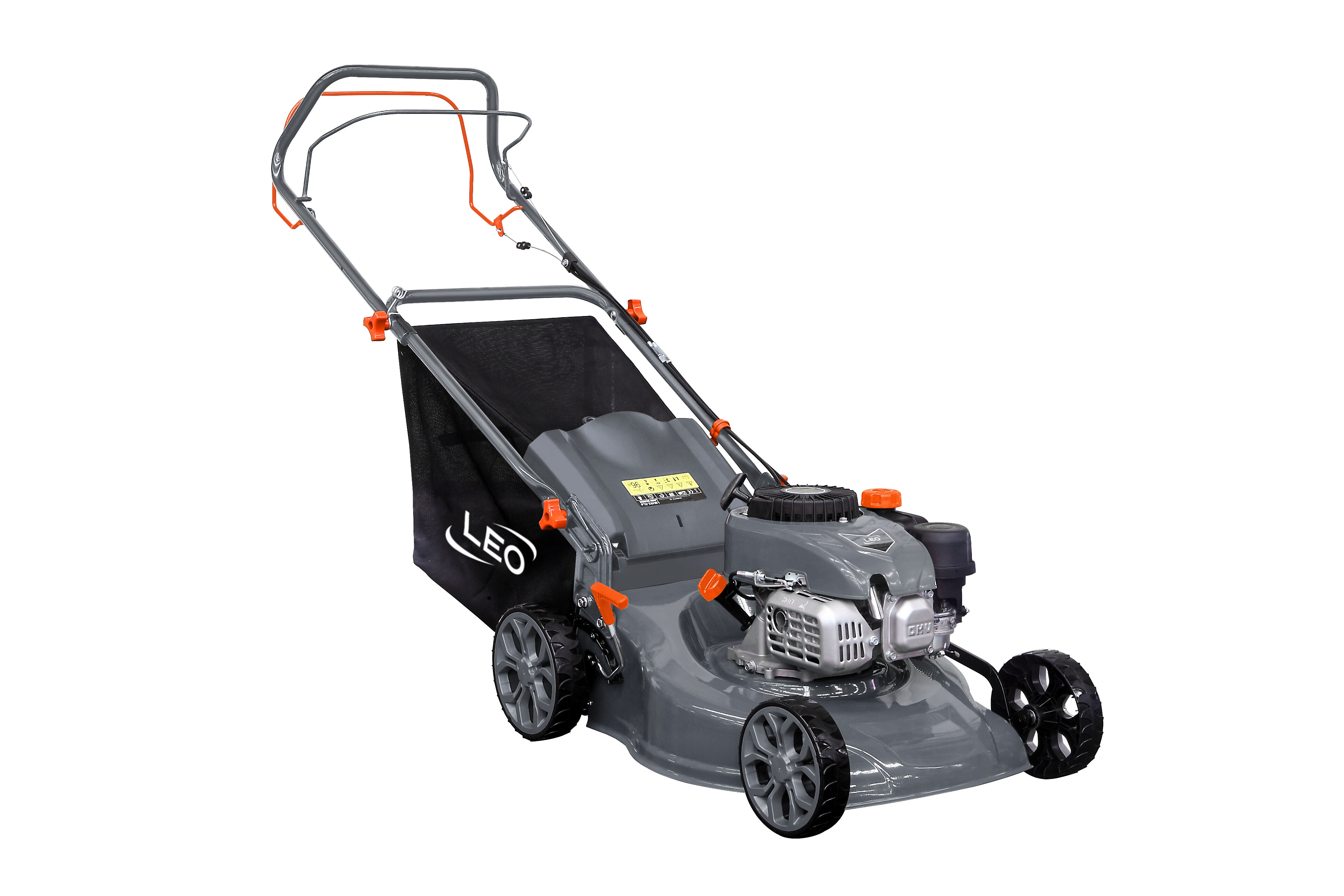
FAQs About Petrol Lawn Mowers and 3-in-1 Functionality
What is true 3-in-1 functionality in a petrol lawn mower?
True 3-in-1 functionality refers to the mower's ability to seamlessly switch between mulching, bagging, and side discharge modes without compromising performance.
How do adjustable deck baffles impact performance?
Adjustable deck baffles regulate airflow within the cutting chamber, ensuring optimal clipping dispersion for bagging, side discharge, and mulching modes.
Why is mulching recommended in spring?
Mulching in spring accelerates decomposition of clippings, returning vital nutrients to the soil and supporting rapid grass growth.
When should bagging be used?
Bagging is ideal for autumn lawn care, during fungal outbreaks, or heavy weed infestations to prevent debris buildup and reduce the spread of pathogens.
How can manufacturers improve adoption of 3-in-1 features?
Manufacturers can enhance feature adoption through simplified, illustrated setup guides and intuitive, color-coded mode indicators directly on the mower.