
 EN
EN
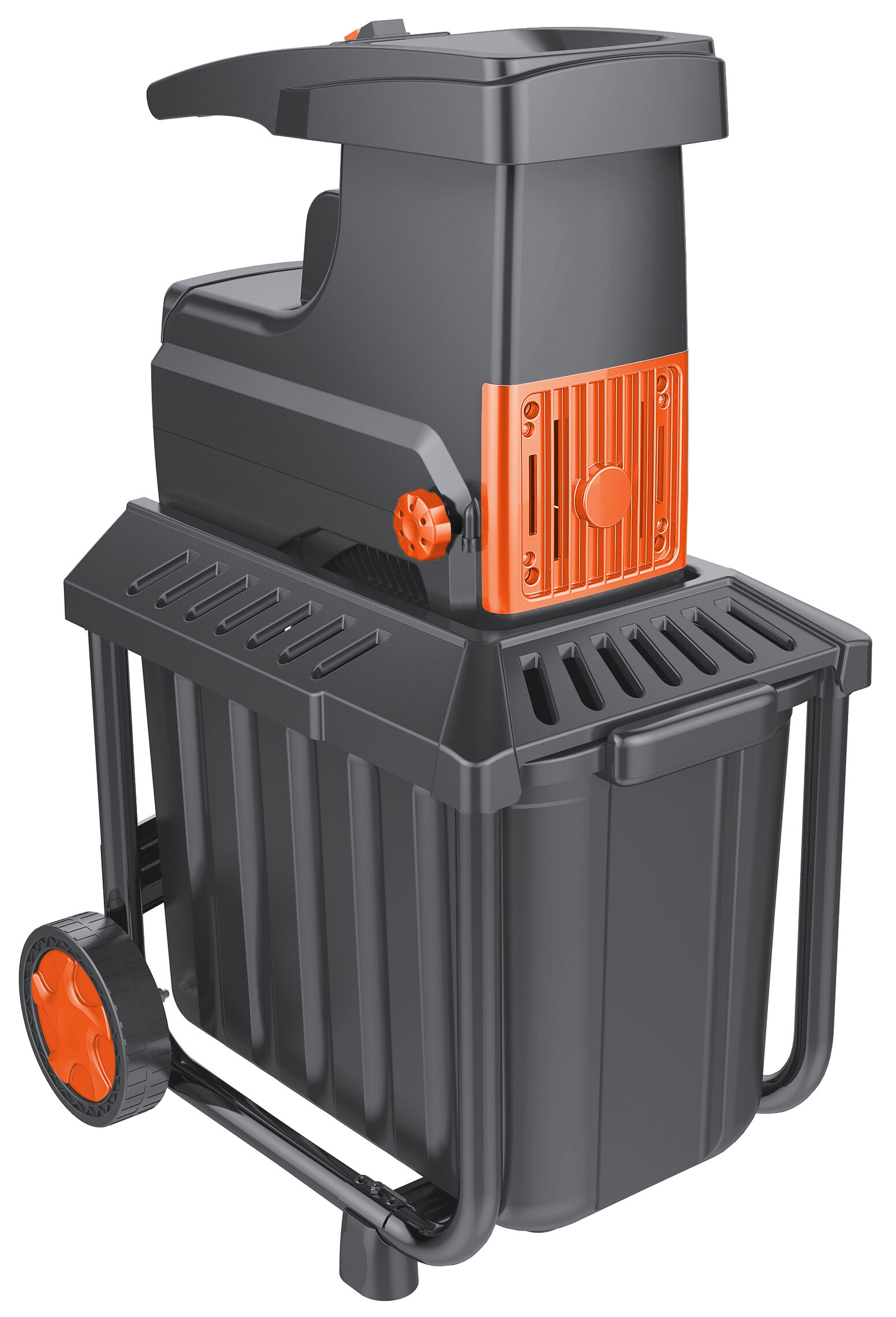
Dobierz projekt ostrza do głównego rodzaju przetwarzanego surowca
Geometria zębów i kąt nachylenia zęba: tnące typu nożyce kontra tnące uderzeniowo dla drewna, odpadów zielonych lub mieszanych
Kształt i kąt nachylenia zęba ostrza określają sposób jego współpracy z materiałem. Ostrza tnące typu nożyce charakteryzują się stromym kątem nachylenia zęba oraz ostrymi, nożyczkowymi krawędziami, co czyni je szczególnie skutecznymi przy mieleniu miękkich, włóknistych odpadów zielonych, takich jak skoszona trawa, liście czy gałązki. Przycinają one materiał czysto – zmniejszając drgania i pobór energii. Natomiast ostrza uderzeniowe użyj płaskiego, tępego zęba o małym kącie haczenia, aby złamać twarde, suche gałęzie i drewno za pomocą pędu. Ta akcja przypominająca uderzenie młotem radzi sobie z trudnymi odpadami drzewnymi bez zatrzymania silnika, ale generuje więcej pyłu i hałasu. Dla mieszanych ładunków — łączących odpady zielone i drewniane — ostrze średniego haczenia zapewnia najlepszy kompromis: wystarczającą zdolność tnącą do materiału wilgotnego oraz odpowiednią wytrzymałość na uderzenia przy okazjonalnym tnieniu gałęzi. Wielu właścicieli domów maksymalizuje uniwersalność urządzenia w różnych porach roku, naprzemiennie stosując dwa dedykowane zestawy ostrzy — jeden zoptymalizowany do świeżego cięcia gałęzi, a drugi do przetwarzania utwardzonego drewna.
Grubość krawędzi i profil twardości: równowaga między trwałością a odpornością na łamania
Grubość krawędzi ostrza ma bezpośredni wpływ na trwałość ostrza i odporność na wyszczerbienia. Cienkie krawędzie (1,5–2,0 mm) skutecznie tną miękki materiał, ale są narażone na wyginanie się lub pękanie przy zetknięciu z ukrytymi kamieniami lub metalowymi przedmiotami. Grubsze krawędzie (2,5–3,5 mm) lepiej wytrzymują uderzenia — idealne do drewniastego surowca — ale wymagają większej siły i dają grubsze trociny. Twardość musi być zrównoważona: ostrza hartowane do twardości HRC 58–62 odpornościowe na zużycie stają się jednak kruche; miększe ostrza (HRC 50–55) uginają się zamiast łamać się, ale szybciej tępią się. A profil o podwójnej twardości , w którym rdzeń pozostaje odporny, a zewnętrzna krawędź jest hartowana indukcyjnie, zapewnia optymalną wydajność — giętkość pod wpływem uderzeń przy jednoczesnym zachowaniu dużej twardości strefy tnącej. Dla gilotyn ogrodniczych przeznaczonych do mieszanych odpadów ogródniczych grubość krawędzi wynosząca 2,2 mm przy twardości HRC 55–58 zapewnia niezawodną odporność na trociny podczas redukcji suchego drewna i czyste cięcie na zielonych pędach — zmniejszając częstotliwość ostrzenia bez utraty trwałości.
Wybierz optymalny materiał ostrzy do długotrwałej wydajności gilotyny ogrodniczej
Stal hartowana vs. ostrza zakończone węglikami wolframu: żywotność, koszt i rzeczywista rentowność inwestycji (ROI)
Wybór między ostrzami ze stali hartowanej a ostrzami zakończonymi karbidem wolframu (TCT) ma istotny wpływ na długoterminową wydajność i koszty eksploatacji. Ostrza ze stali hartowanej charakteryzują się niższym kosztem początkowym i są dobrze dopasowane do ogólnego śmiecia organicznego oraz miękkich gatunków drewna — jednak ich krawędź szybko się zużywa przy obróbce materiałów ścierających, takich jak suche gałęzie lub bambus. Dane branżowe wskazują, że ostrza TCT, choć początkowo kosztują od dwóch do trzech razy więcej, mogą zapewnić nawet trzykrotnie dłuższą żywotność w warunkach ekstremalnych [Raport Branżowy 2024]. Poniżej podsumowano praktyczne kompromisy:
| Atrybut | Ostrza ze stali hartowanej | Ostrza zakończone karbidem wolframu |
|---|---|---|
| Żywotność użytkowana | Umiarkowana (wymagają częstego ostrzenia) | Wysoka (dłużej zachowują ostry brzeg przy działaniu czynników ścierających) |
| Koszt początkowy | Niski | Wysoki |
| Koszt naprawy | Niższy (łatwe do ostrzenia) | Wyższy (ostrza z karbidu wolframu wymagają profesjonalnego ostrzenia lub wymiany) |
| Najlepszy dla | Mieszane odpady organiczne, drewno miękkie, regularna konserwacja | Intensywne mielenie suchego drewna, korzeni oraz twardych materiałów |
| Rzeczywista zwrot z inwestycji (ROI) | Niższy koszt na godzinę, jeśli koszty szlifowania lub przestoje są wysokie | Wyższy, gdy priorytetem jest maksymalizacja czasu pracy i minimalizacja interwencji ręcznej |
Dla typowych właścicieli domów zajmujących się sezonowymi pracami ogrodniczymi hartowana stal zapewnia skuteczną równowagę między kosztem a wydajnością. Profesjonalni ogrodnicy przetwarzający duże ilości trudnego do rozdrobnienia materiału odzyskują zwykle wyższy początkowy koszt TCT dzięki dłuższym interwałom serwisowym i ograniczeniu przestojów związanych z eksploatacją. Decyzja powinna uwzględniać ścieralność przetwarzanego surowca oraz tolerancję na przestoje związane z koniecznością konserwacji.
Sprawdź pełną zgodność z modelem swojego maszynowego mielnika ogrodowego
Interfejs montażowy, układ śrub, równowaga obrotowa oraz specyfikacje producenta oryginalnego wyposażenia (OEM)
Niepasujący ostrze zagraża uszkodzeniem maszyny do mielenia odpadów ogrodowych, unieważnieniem gwarancji oraz powstaniem zagrożeń dla bezpieczeństwa. Rozpocznij od dokładnej weryfikacji fizycznej: interfejs montażowy — w tym średnica otworu osadzenia i wpust wału — musi być identyczny. Potwierdź rozstaw otworów pod śruby, wymiar gwintu oraz wymagany moment dokręcenia; nawet przesunięcie o 1 mm powoduje drgania przyspieszające zużycie łożysk. Również równowaga obrotowa ma kluczowe znaczenie — nierównowaga ostrzy zwiększa poziom hałasu, zmniejsza wydajność tnącą oraz obciąża elementy napędowe. Zawsze porównaj specyfikacje producenta oryginalnego wyposażenia (OEM) pod kątem średnicy ostrza, jego grubości, klasy materiału oraz bezwładności obrotowej. Nawet dobrze pasujące ostrze o nieprawidłowym kącie nachylenia lub niewłaściwym rozkładzie masy może zakleszczyć się, spowodować przegrzanie silnika lub prowadzić do niestabilnej jakości wiórków. Najbezpieczniejszym podejściem jest sprawdzenie oficjalnego numeru części Twojego modelu w ilustrowanej liście części producenta przed zakupem.
Maksymalizuj czas pracy i wydajność dzięki inteligentnym praktykom konserwacji
Interwały ostrzenia, wyzwalacze wymiany i monitorowanie zużycia oparte na surowcu
Utrzymuj maksymalną wydajność maszyny do mielenia odpadów ogrodniczych, dostosowując konserwację do rzeczywistego zużycia — a nie do umownych harmonogramów. W przypadku lekkich odpadów zielonych ostrzyj noże co 15–20 godzin pracy; w przypadku suchego drewna lub grubych gałęzi skróć ten interwał do co 8–10 godzin. Sprawdzaj krawędź po każdej większej pracy: natychmiast wymień noże, jeśli zaobserwujesz skorupki, pęknięcia lub tępy brzeg, który nie tną czysto. Unikaj nadmiernego ostrzenia — zbyt duże usuwanie metalu cieni ostrze i przyspiesza jego uszkodzenie, dlatego zawsze stosuj kąt zalecany przez producenta. Ponieważ rodzaj materiału podawanego do maszyny bezpośrednio wpływa na szybkość zużycia — suche, twarde drewno szybciej tępi krawędzie niż wilgotne odpady zielone — obserwuj stan ostrzy poprzez zachowanie maszyny: mniejsza wydajność, zwiększone drgania lub nadmierne obciążenie silnika są sygnałami zużycia. Dostosuj odpowiednio swój harmonogram konserwacji. Takie podejście oparte na rodzaju materiału i rzeczywistej wydajności minimalizuje nieplanowane postoje, wydłuża czas użytkowania ostrzy oraz zapewnia stałą wydajność.
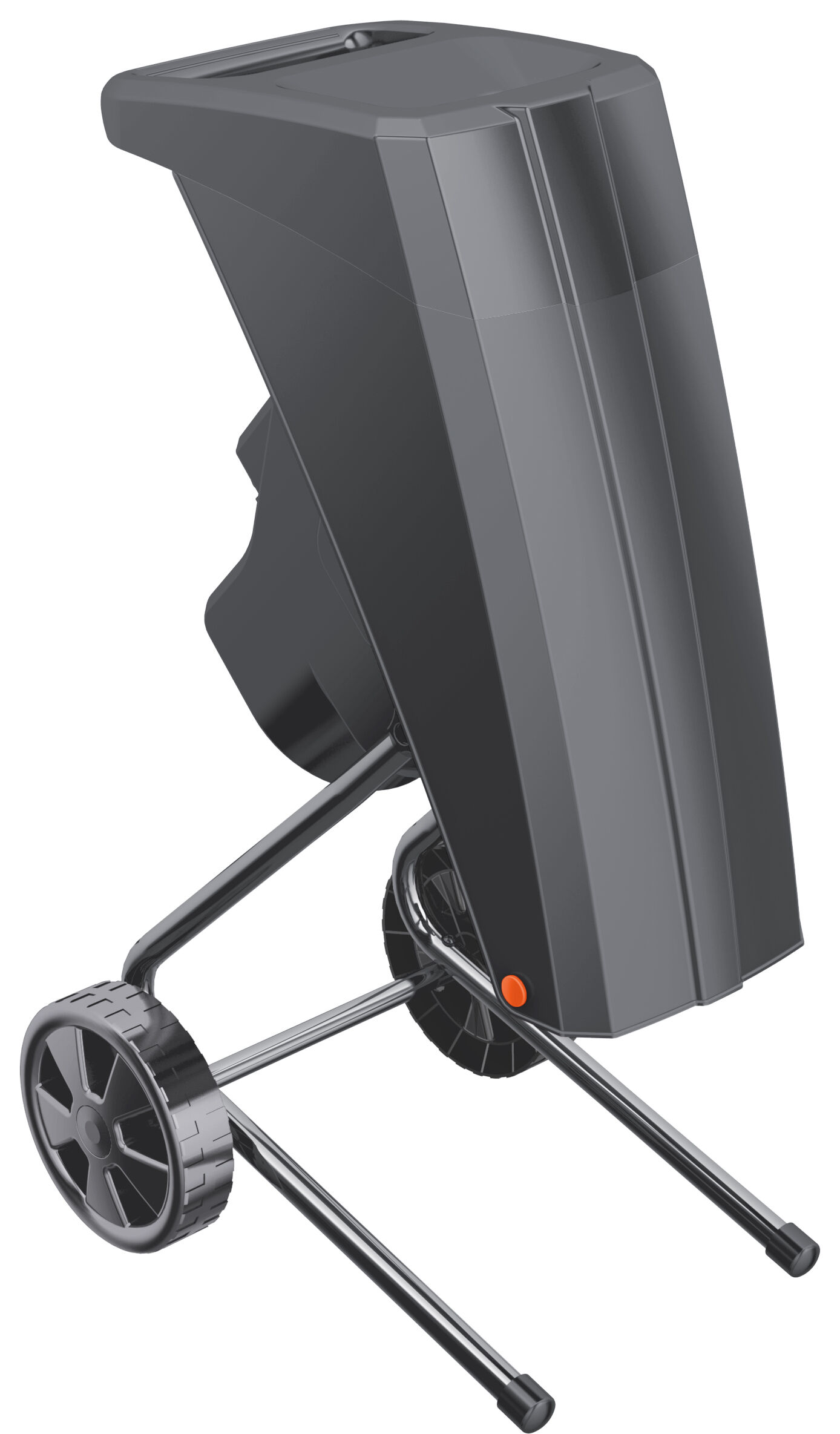
Najczęściej zadawane pytania
Jaka jest różnica między ostrzami tnącymi nożycowymi a ostrzami tnącymi uderzeniowymi?
Ostrza tnące nożycowowo przecinają miękkie i włókniste materiały, takie jak śmieci zielone, za pomocą ostrych, przypominających nożyczki krawędzi, co zmniejsza wibracje i zużycie energii. Ostrza tnące uderzeniowo natomiast łamią twarde, drewniane materiały dzięki momentowi pędu, generując przy tym więcej hałasu i pyłu.
Czy mogę używać ostrza z pośrednim haczykiem zarówno do śmieci zielonych, jak i do drewnianych odpadów?
Tak, ostrza z pośrednim haczykiem zapewniają równowagę między tnącym nożycowym a tnącym uderzeniowym, co czyni je odpowiednimi do mieszanych ładunków śmieci zielonych i materiałów drewnianych.
W jaki sposób grubość krawędzi wpływa na trwałość ostrza do maszyn do mielenia śmieci ogrodowych?
Cieńsze krawędzie tną bardziej agresywnie, ale są bardziej podatne na wyginanie się lub skruszenie. Grubsze krawędzie lepiej wytrzymują uderzenia, ale wymagają większego wysiłku i produkują grubsze trociny.
Jakie są zalety ostrzy zakończonych węglikowym spiekem wolframu?
Ostrza z węglików wolframu (TCT) mają dłuższą żywotność w warunkach ścierania, zmniejszają czas przestoju spowodowany częstym ostrzeniem i są idealne do ciężkich materiałów, takich jak sucha drewno i korzenie.
Jak mogę sprawdzić zgodność ostrza z moim maszynką do mielenia śmieci ogrodowych?
Upewnij się, że interfejs montażowy, układ otworów na śruby, gatunek materiału oraz równowaga obrotowa są zgodne ze specyfikacjami producenta oryginalnego wyposażenia (OEM) oraz schematem części zamienianych, aby uniknąć uszkodzeń lub niskiej wydajności.
Spis treści
- Dobierz projekt ostrza do głównego rodzaju przetwarzanego surowca
- Wybierz optymalny materiał ostrzy do długotrwałej wydajności gilotyny ogrodniczej
- Sprawdź pełną zgodność z modelem swojego maszynowego mielnika ogrodowego
- Maksymalizuj czas pracy i wydajność dzięki inteligentnym praktykom konserwacji
-
Najczęściej zadawane pytania
- Jaka jest różnica między ostrzami tnącymi nożycowymi a ostrzami tnącymi uderzeniowymi?
- Czy mogę używać ostrza z pośrednim haczykiem zarówno do śmieci zielonych, jak i do drewnianych odpadów?
- W jaki sposób grubość krawędzi wpływa na trwałość ostrza do maszyn do mielenia śmieci ogrodowych?
- Jakie są zalety ostrzy zakończonych węglikowym spiekem wolframu?
- Jak mogę sprawdzić zgodność ostrza z moim maszynką do mielenia śmieci ogrodowych?