
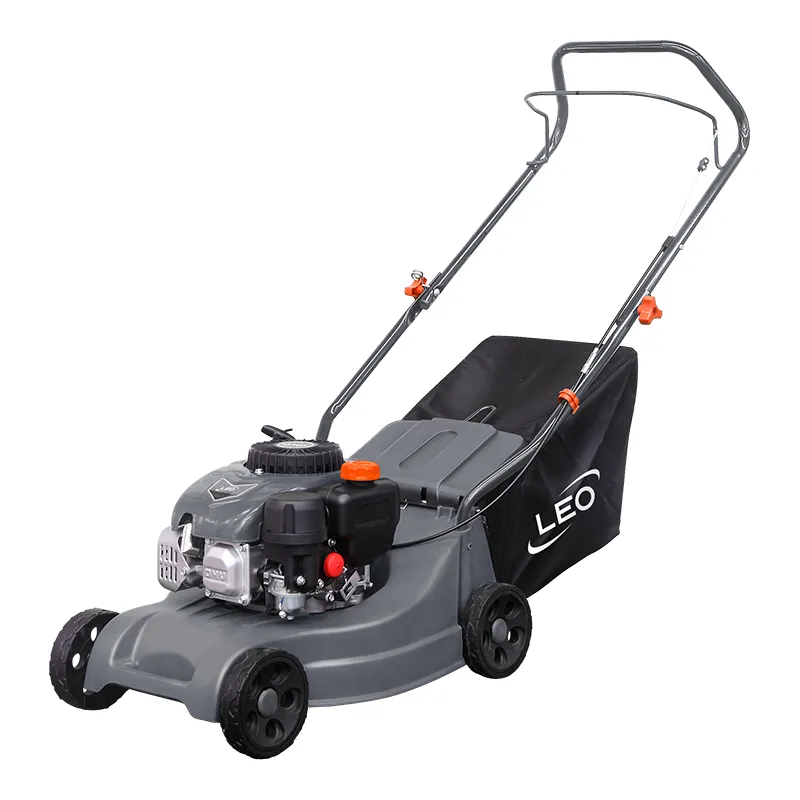
Why Battery Operated Ride On Mowers Excel in Sensitive Green Zone Environments Zero-Emission Operation and Turf Health Preservation Battery operated ride on mowers eliminate exhaust emissions entirely—removing gasoline particulates, carbon monoxi...
VIEW MORE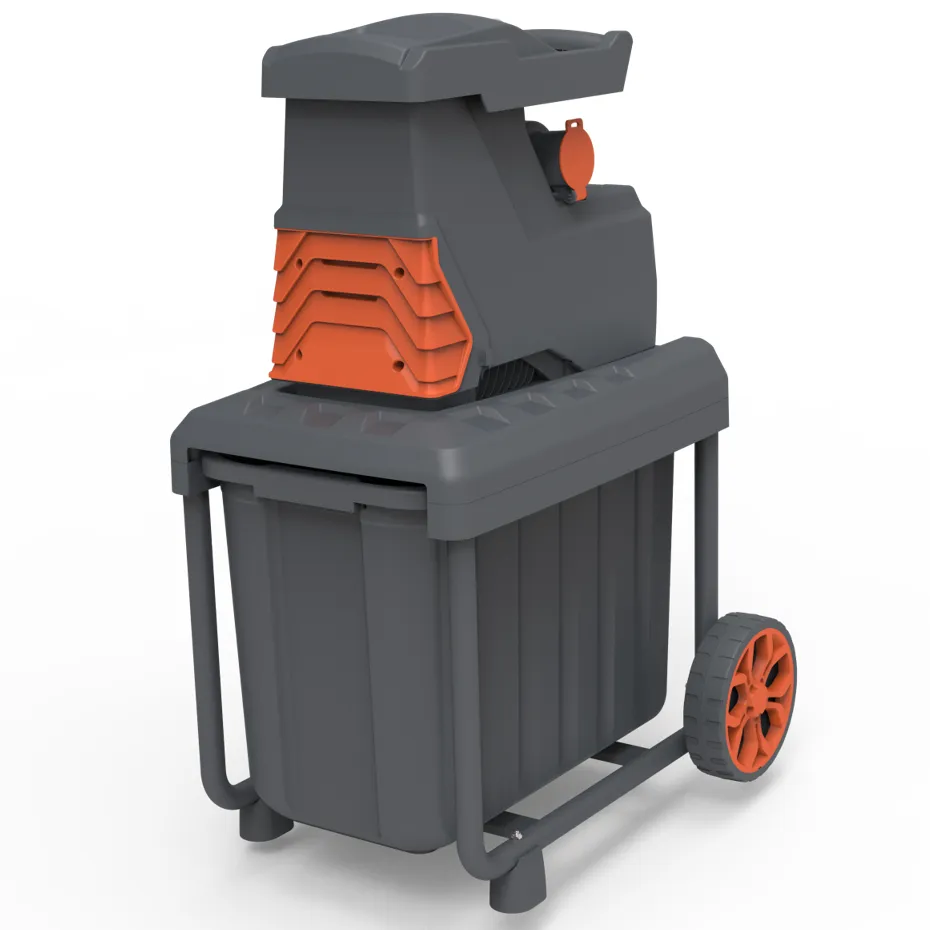
Why Battery Operated Ride On Mowers Deliver Resort-Grade Performance Zero-emission operation meets sustainability mandates and guest expectations Resorts face growing pressure—from regulators and guests alike—to adopt environmentally responsible ...
VIEW MORE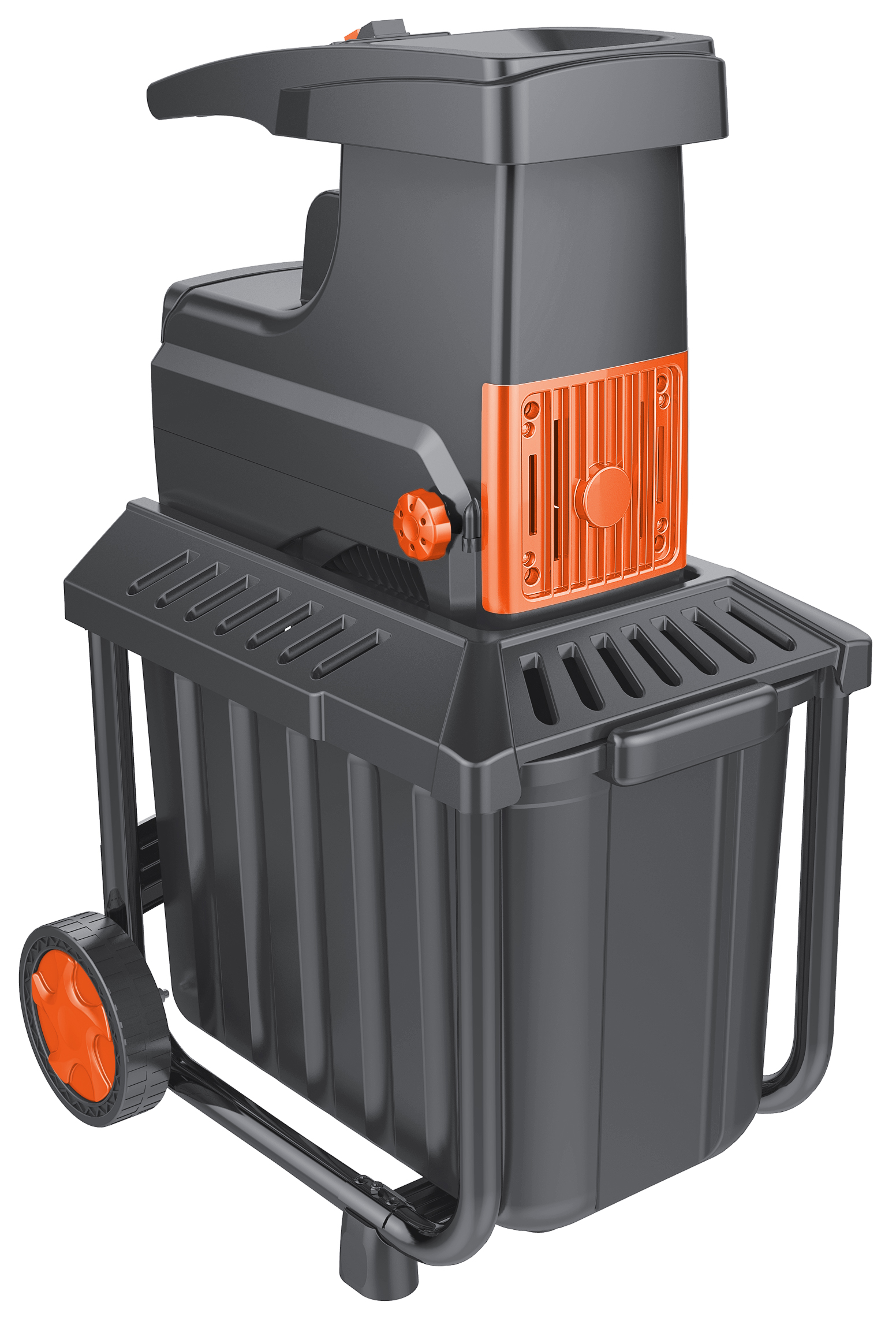
Garden Shredder Types and Their Real-World Branch-Capacity LimitsRotary, Drum, and Hammermill Mechanisms: How Design Dictates Branch HandlingThe design of garden shredders directly determines which branch sizes they can realistically process. Rotary ...
VIEW MORE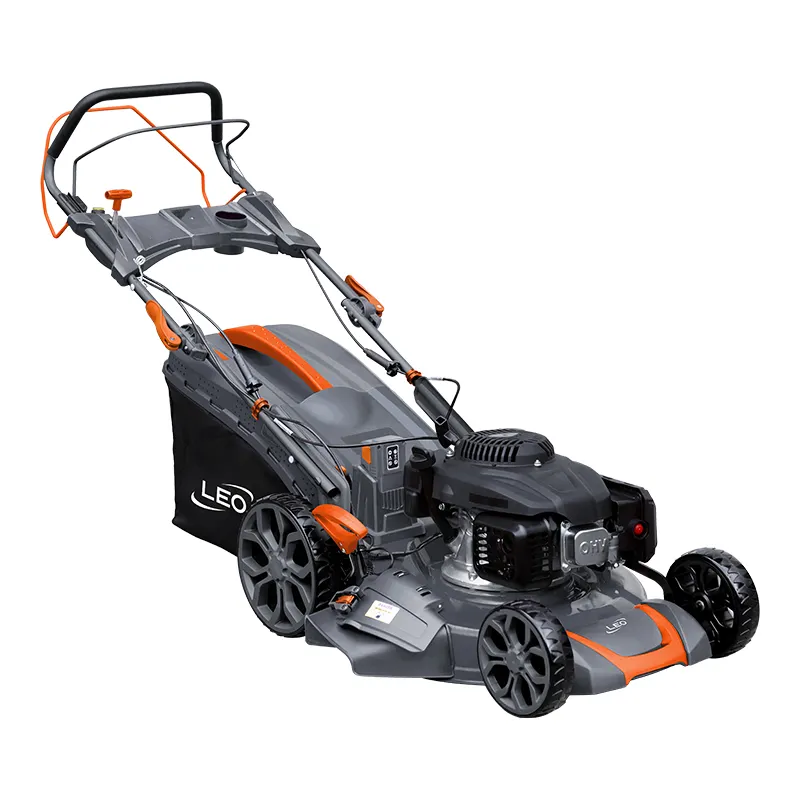
Assessing Your Terrain: Slope, Soil, and Lawn ComplexityBefore selecting a lawn mower, evaluate your yard’s physical characteristics—slope, soil, and layout—to ensure safety, performance, and longevity of both equipment and turf. Slope is the most cr...
VIEW MORE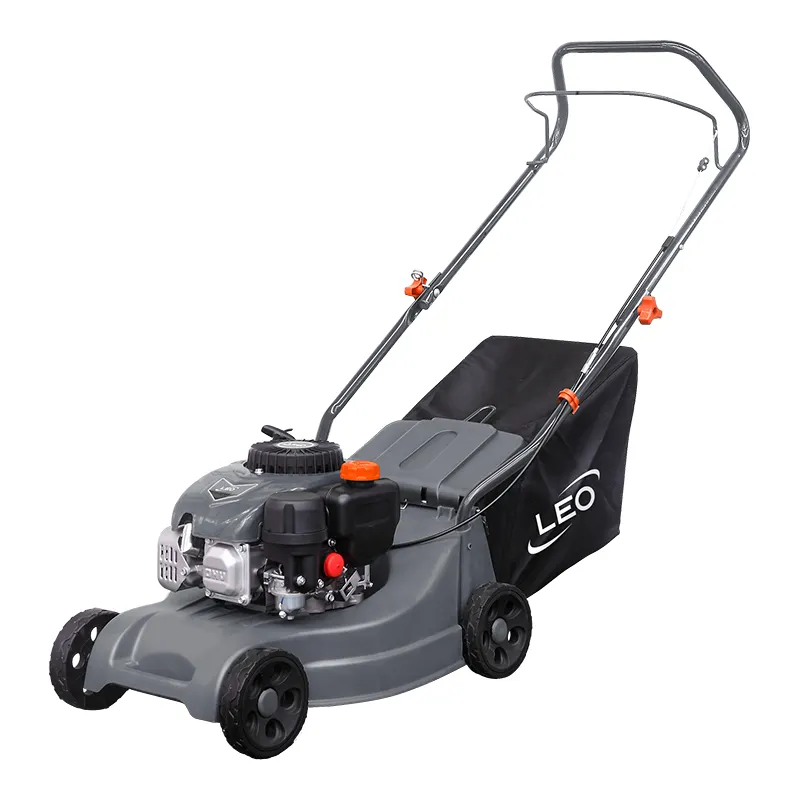
Assess Your Lawn Size and TerrainBefore selecting a lawn mower, evaluate your property’s size and topography—both directly determine which mower will deliver efficient, safe, and consistent results. Start by measuring your lawn’s total square footage...
VIEW MORE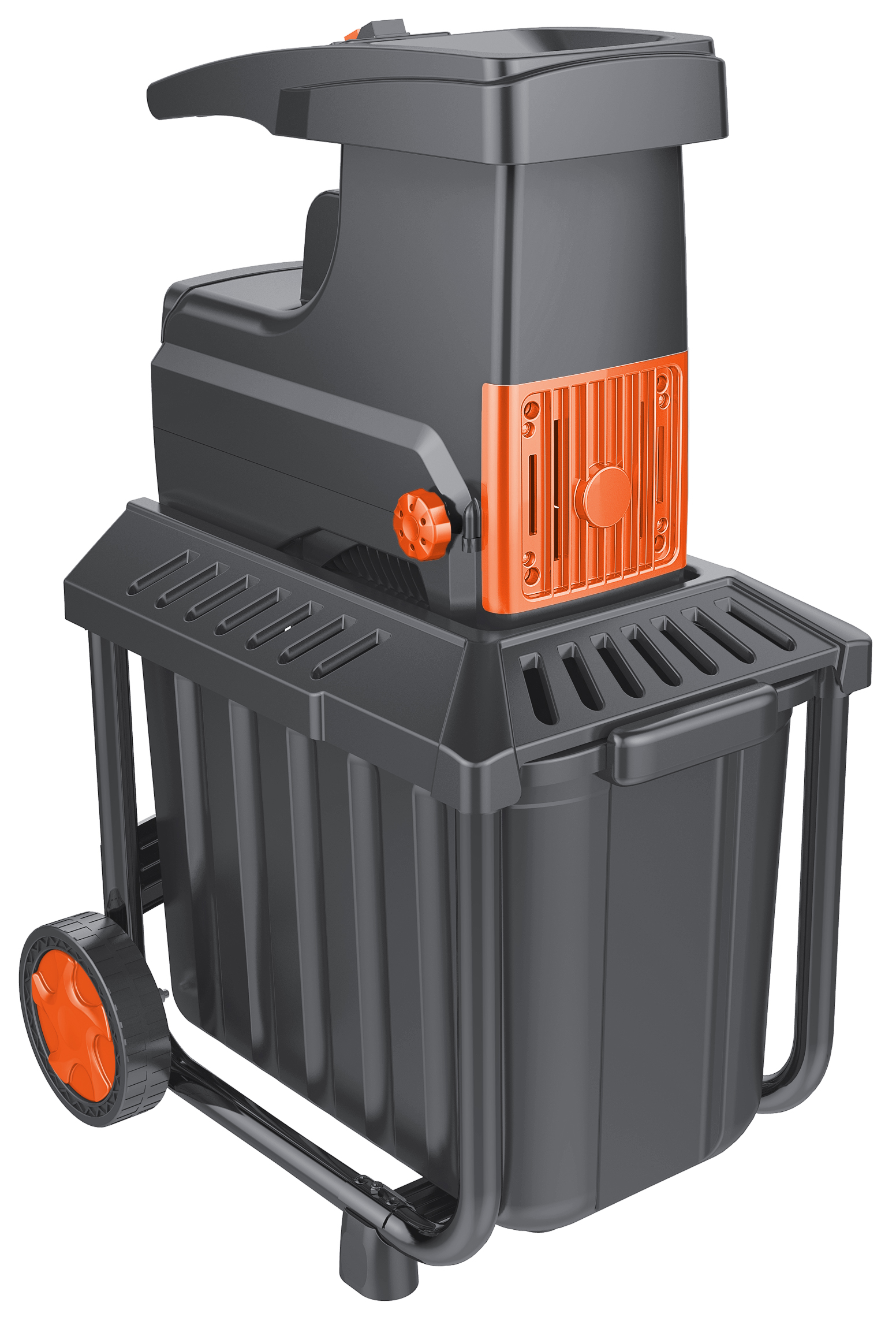
Key Garden Shredder Operational Parameters for Contractor DeploymentInput Capacity and Feed Rate Limits for High-Volume JobsFor landscaping contractors tackling large-scale green waste, input capacity directly determines processing speed. Feed rate d...
VIEW MORE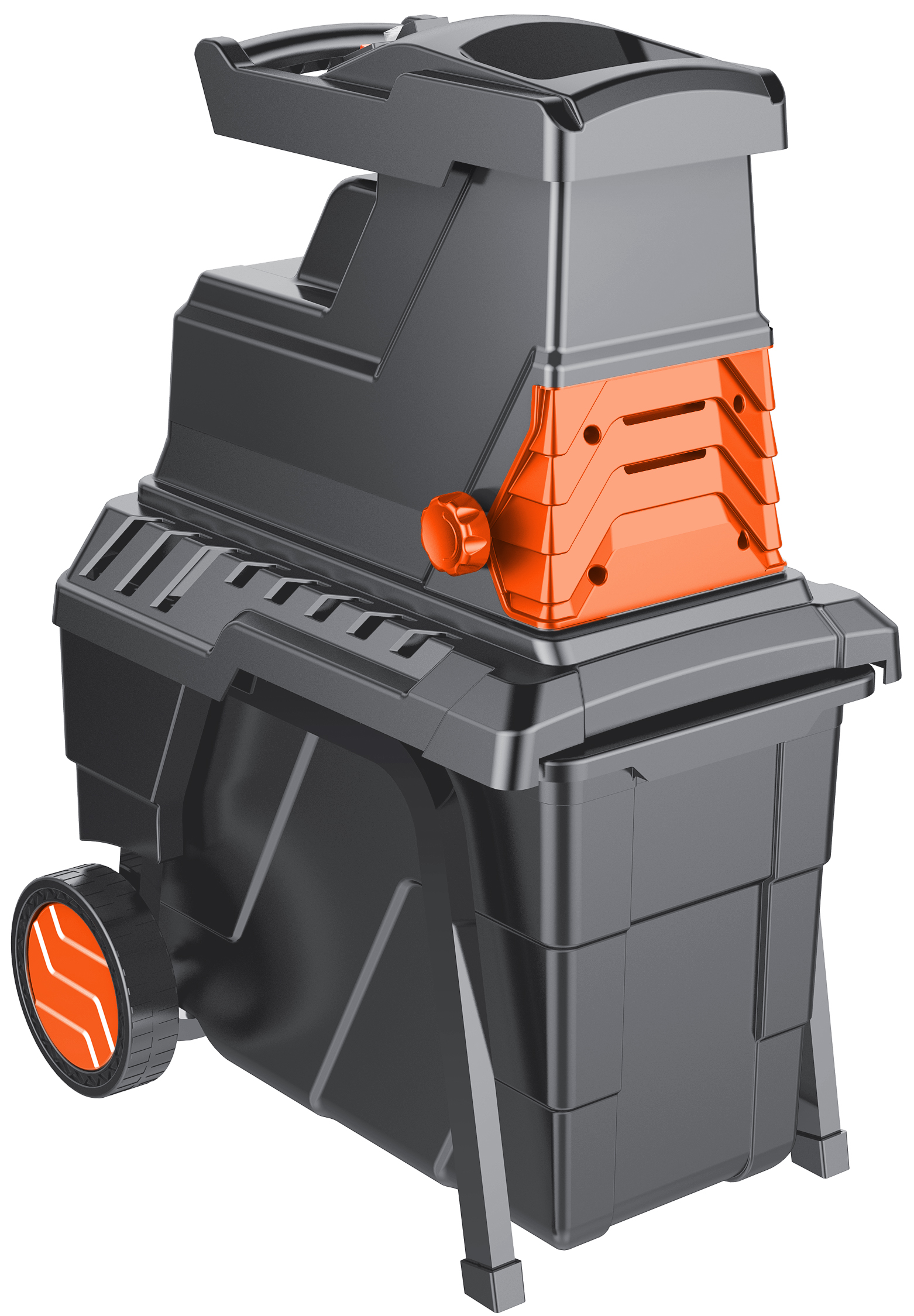
Hardness vs. Toughness: Balancing Wear Resistance and Impact Strength in Garden Shredder Blades The core challenge in garden shredder blade design is striking the right balance between hardness and toughness. Hardness—measured on the Rockwell...
VIEW MORE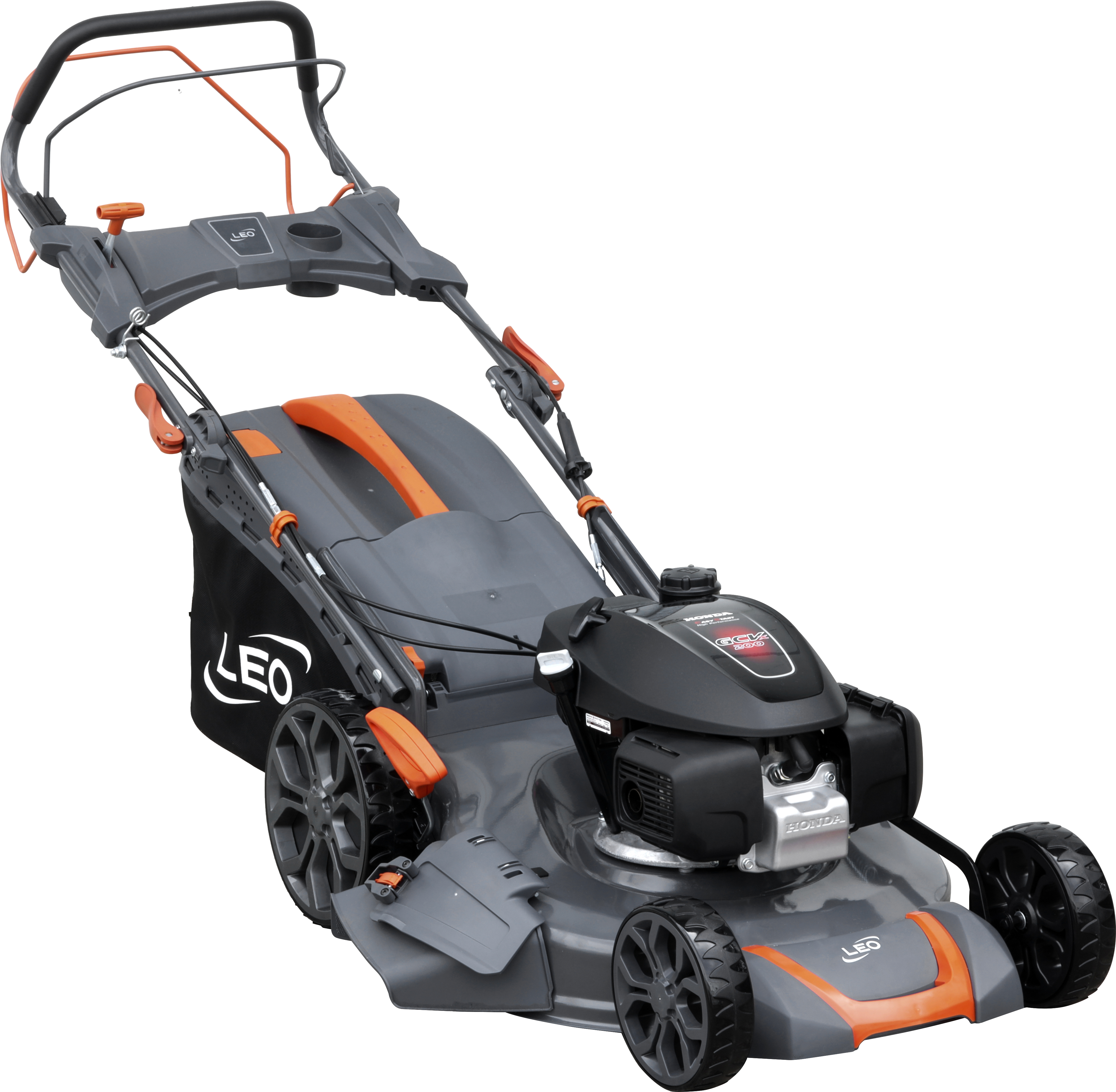
Why Petrol Lawn Mower Wholesale Drives Profitability for Landscaping Suppliers Meeting Seasonal Demand Surges with Scalable Bulk Inventory Landscaping demand spikes sharply in spring and autumn. Wholesale petrol lawn mower inventory enables supplie...
VIEW MORE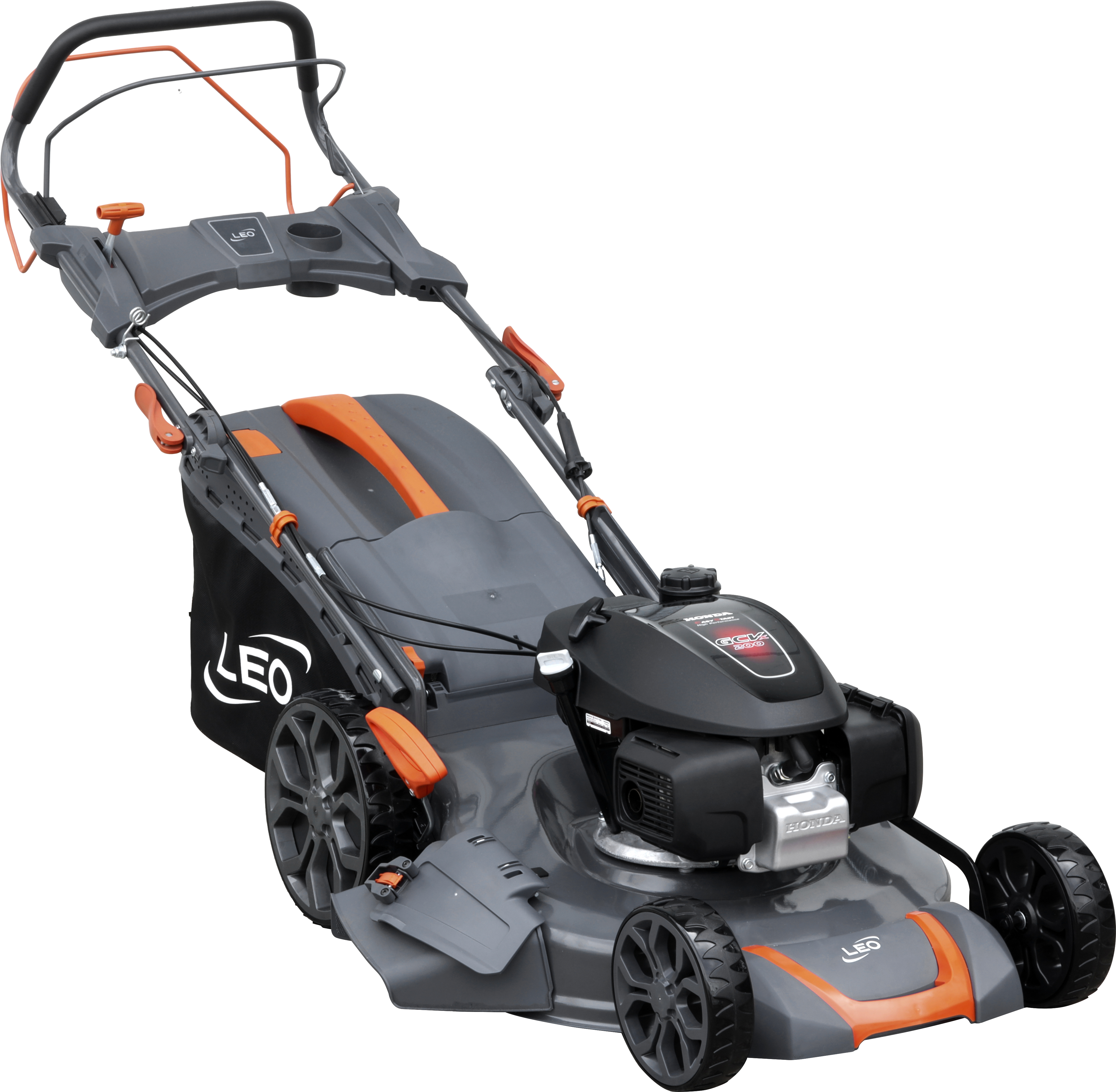
Core Engine Materials: How Cast Iron and Aluminum Affect Gasoline Lawn Mower Longevity The materials in a gasoline lawn mower engine directly determine its lifespan and performance. Two common choices for engine blocks are cast iron and aluminum&md...
VIEW MORE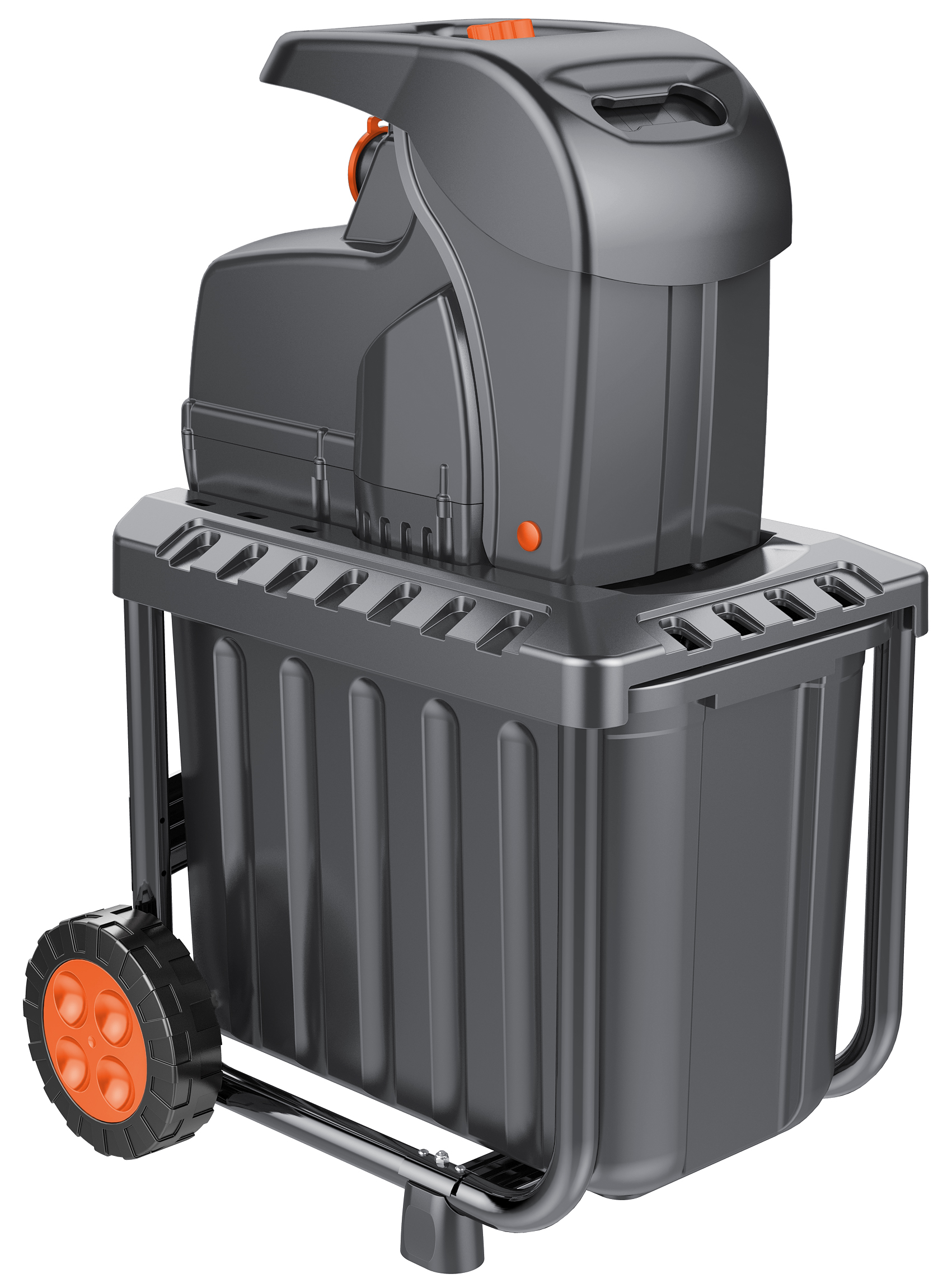
Throughput Performance: Measuring Real-World Capacity for Heavy Branches kg/h vs. branch diameter limits: Why both metrics define true industrial garden shredder capability Mass throughput (kg/h) and maximum branch diameter are complementary—...
VIEW MORE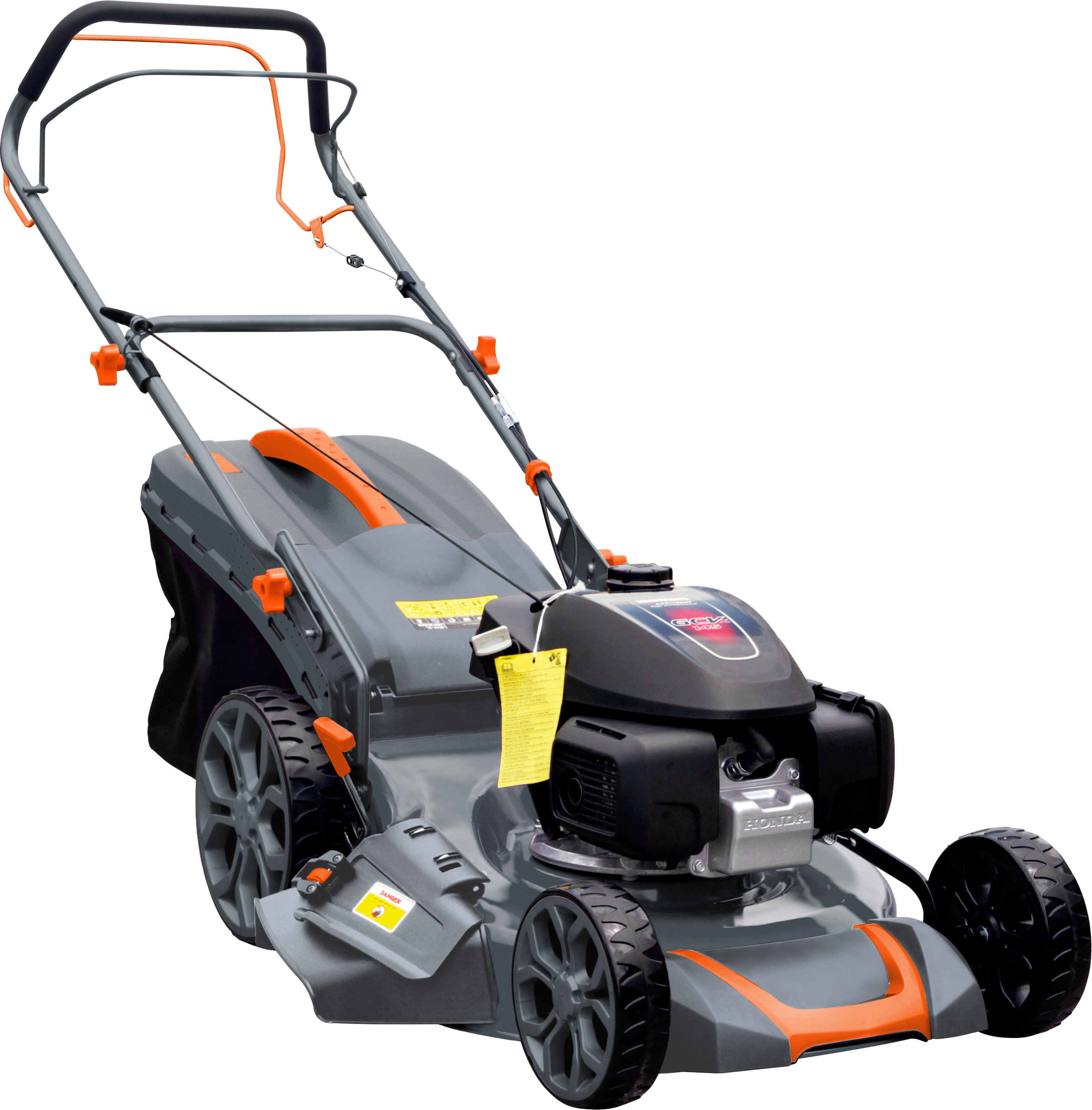
Raw Power and Consistent Performance on Large Lawns Torque, blade speed, and dense grass penetration: how gasoline engines deliver unmatched cutting strength Gasoline lawn mowers excel on large, dense, or overgrown lawns where consistent power matt...
VIEW MORE
Match Blade Design to Your Primary Feedstock Tooth Geometry and Hook Angle: Shear vs. Impact Cutting for Wood, Green Waste, or Mixed Loads The shape and angle of a blade’s tooth determine how it engages material. Shear cutting blades feature ...
VIEW MORE
LEO Garden,a subsidiary of LEO Group(founded in 1995),engaging in R&D,manufacturing,sales of lawn mowers,ride on lawn mowers,garden branch cutter,tillers and gasoline water pumps.
No.426 Songhang South Road, East Industry Center, Wenling, Zhejiang,China
Copyright © 2025-Zhejiang Leo Garden Machinery Co.,Ltd Privacy Policy
 EN
EN