
 EN
EN
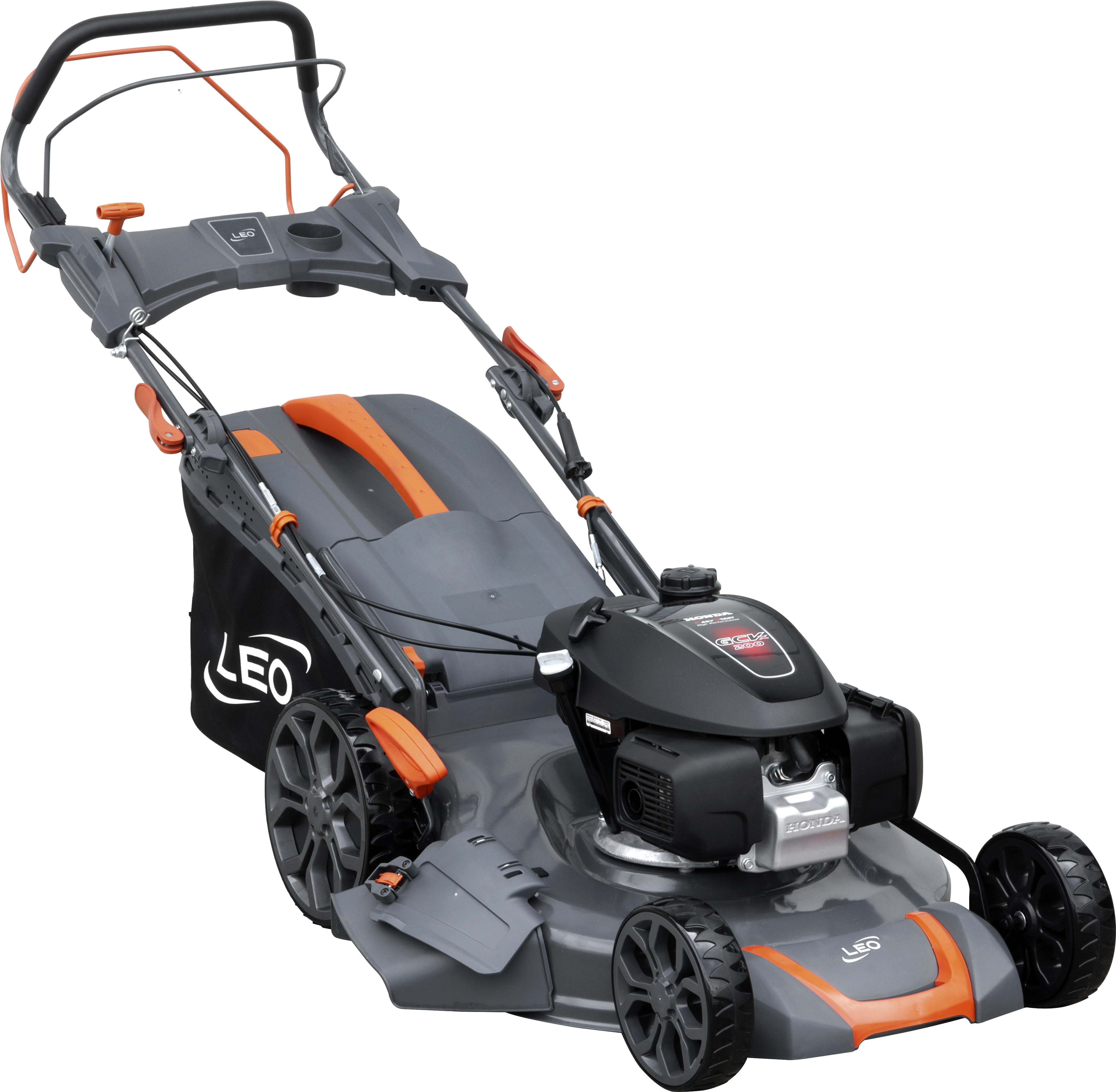
Core Engine Materials: How Cast Iron and Aluminum Affect Gasoline Lawn Mower Longevity
The materials in a gasoline lawn mower engine directly determine its lifespan and performance. Two common choices for engine blocks are cast iron and aluminum—each offering distinct trade-offs in thermal stability, weight, and service life.
Cast Iron Blocks vs. Aluminum Blocks: Thermal Stability, Weight, and Service Life
Cast iron blocks excel in thermal stability. Their high heat capacity and even heat conduction prevent hot spots that cause engine knock or premature wear—allowing sustained operation under load without thermal degradation. This durability is why many commercial and premium residential engines use cast iron. However, the added mass reduces portability and increases user fatigue during extended mowing sessions.
Aluminum blocks weigh roughly half as much, improving maneuverability and reducing physical strain—especially on larger or uneven lawns. But aluminum’s lower thermal mass means it heats up and cools down more rapidly, increasing sensitivity to cooling airflow, oil quality, and load consistency. As a result, aluminum-block engines typically average 8–10 years of reliable service under typical residential use, compared to 15+ years for well-maintained cast iron units.
Budget models commonly feature aluminum blocks to reduce cost and weight, while premium offerings prioritize longevity with cast iron. Your choice should align with yard size, terrain, and whether you value long-term durability over immediate portability.
Commercial-Grade Enhancements: Cast-Iron Cylinder Liners in Aluminum Blocks
To bridge the gap between weight savings and wear resistance, many commercial-grade engines integrate cast-iron cylinder liners into aluminum blocks. These precision-fitted sleeves provide a hardened, thermally stable surface for piston movement—retaining the friction and heat resistance of cast iron while preserving the lightweight benefits of aluminum.
This hybrid design maintains consistent cylinder clearances under thermal cycling, lowering oil consumption and blow-by. It also simplifies repairs: worn liners can be replaced without scrapping the entire block. Some manufacturers further enhance performance with plasma-sprayed or nickel-carbide coatings that reduce friction and improve heat transfer from the piston to the coolant jacket.
For homeowners seeking both agility and resilience—particularly on thick grass or sloped terrain—an aluminum block with a cast-iron liner offers a practical middle ground. Though priced higher than basic aluminum engines, the extended service life and reduced long-term maintenance often justify the investment.
Engine Design and Displacement: Matching Gasoline Lawn Mower Power to Yard Demands
OHV Architecture Benefits: Torque, Fuel Efficiency, and Heat Management
Overhead Valve (OHV) architecture remains the industry standard for residential gasoline lawn mowers—and for good reason. By positioning valves in the cylinder head rather than the block, OHV engines enable straighter intake and exhaust paths, promoting more complete combustion and better volumetric efficiency. This translates directly to stronger low-end torque—critical for maintaining blade speed through tall or wet grass without stalling.
OHV designs also run cooler than older side-valve (L-head) configurations. Reduced operating temperatures lower thermal stress on pistons, rings, and bearings, extending service intervals and overall engine life. Combined with improved fuel atomization and combustion control, this efficiency yields measurable gains in fuel economy—typically 15–20% better than comparable non-OHV engines—as confirmed by EPA-certified small-engine testing protocols.
For most homeowners, an OHV-equipped engine delivers dependable cold starts, smoother operation, and longer service life—making it the most balanced choice across performance, reliability, and ownership cost.
Displacement Tiers (Under 200 cc, 200–400 cc, 400–650 cc): Terrain, Grass Density, and Runtime Implications
Engine displacement correlates closely with usable power, especially under real-world cutting loads. Selecting the right tier ensures the engine operates within its optimal torque band—not constantly straining or idling inefficiently. The table below reflects field-tested performance benchmarks aligned with common residential and light-commercial use cases:
| Displacement Range | Best Use Case | Runtime & Capability |
|---|---|---|
| Under 200 cc | Small, flat lawns (<¼ acre) with thin, regularly maintained grass | Suitable for brief, light-duty trimming; may stall under damp or dense conditions |
| 200–400 cc | Medium-sized yards (¼–½ acre) with moderate slopes and mixed grass types | Delivers consistent blade speed through thicker growth; supports extended runtime with proper cooling |
| 400–650 cc | Large properties (>½ acre), heavy grass (e.g., fescue, St. Augustine), or hilly terrain | Provides high-torque reserve for sustained cutting under load; preferred for daily or commercial use |
A larger displacement doesn’t just mean more horsepower—it means greater inertia in the crankshaft assembly and stronger torque delivery at lower RPMs. This helps maintain steady blade speed when encountering resistance, minimizing recuts and ensuring clean, even results. Matching displacement to your yard’s actual demands—not just its square footage—optimizes both performance and engine longevity.
2-Stroke vs. 4-Stroke Gasoline Lawn Mower Engines: Practical Trade-offs for Homeowners
Emissions, Noise, and Maintenance Frequency in Residential Settings
Four-stroke engines dominate the residential gasoline lawn mower market—and for sound engineering reasons. Their separate intake, compression, power, and exhaust strokes allow precise fuel metering and dedicated lubrication via a sump system. This design inherently produces fewer unburned hydrocarbons and lower NOx emissions—meeting EPA Tier 4 and CARB Phase 3 standards without aftertreatment. In practice, they emit up to 70% less pollution than comparable 2-stroke engines.
Noise and vibration are also markedly lower. With no high-frequency exhaust pulses and smoother rotational balance, 4-stroke engines typically operate 5–10 dB quieter—well within neighborhood noise ordinances and significantly less fatiguing over time.
Maintenance differs fundamentally: 4-stroke engines require periodic oil changes and air filter cleaning but eliminate the risk of incorrect fuel-oil mixing. In contrast, 2-stroke engines demand strict adherence to fuel-oil ratios (commonly 40:1 or 50:1); even minor deviations accelerate ring wear or cause plug fouling. While simpler mechanically, their narrow operating window makes them less forgiving for casual users.
For homeowners prioritizing environmental responsibility, quiet operation, and hassle-free maintenance, the 4-stroke engine remains the unequivocal recommendation—despite its modestly higher initial cost.
Real-World Gasoline Lawn Mower Engine Performance: Beyond Horsepower Ratings
Cutting Consistency, Mulching Quality, and Bagging Reliability as Functional Benchmarks
Horsepower ratings—often cited in marketing—tell only part of the story. What truly defines everyday performance is how well the engine sustains torque under variable load: when cutting tall grass, navigating slopes, or powering mulching or bagging systems.
Consistent blade speed depends on engine torque retention—not peak output. An engine that maintains 90% of rated RPM under load delivers cleaner cuts, fewer missed patches, and more uniform clippings. Similarly, effective mulching requires uninterrupted power to drive sharp, high-speed blade rotation—even as clippings accumulate beneath the deck. Units that drop below 85% RPM during mulching produce coarse, uneven chop that clogs decks or leaves visible clumps.
Bagging performance hinges on impeller-driven airflow. Any torque sag reduces suction velocity, causing debris to escape the chute or build up in the bagger tube. Field data from commercial fleet operators shows that engines maintaining stable torque through dense turf require 40% fewer recut passes—directly correlating to time savings and operator satisfaction.
For homeowners, these functional outcomes—not abstract horsepower numbers—are the true measures of engine capability. Prioritizing torque curve shape, throttle response, and thermal management gives a far more accurate picture of real-world reliability and usability.
FAQs
What are the main differences between cast iron and aluminum lawn mower engine blocks?
Cast iron blocks offer superior durability and thermal stability, ensuring longer service life (15+ years) but are heavier. Aluminum blocks are lighter and more portable but average a shorter lifespan of 8–10 years.
What is the advantage of OHV engine architecture?
OHV engines deliver better torque, fuel efficiency, and heat management than older side-valve designs, making them reliable and efficient for residential use.
Why are 4-stroke gasoline lawn mower engines preferred for residential use?
4-stroke engines produce fewer emissions, operate more quietly, and are easier to maintain than 2-stroke engines. They eliminate the need to mix oil and fuel, making them more user-friendly.
What are cast-iron cylinder liners, and why are they used in some aluminum blocks?
Cast-iron cylinder liners provide a hardened, heat-resistant surface for piston movement in aluminum blocks, combining the durability of cast iron with the lightweight advantage of aluminum.
How does engine displacement affect lawn mower performance?
Larger displacement engines offer more torque and better performance under heavy loads, making them suitable for larger yards or thick grass. Smaller displacement engines are ideal for light-duty tasks and smaller lawns.
Table of Contents
- Core Engine Materials: How Cast Iron and Aluminum Affect Gasoline Lawn Mower Longevity
- Engine Design and Displacement: Matching Gasoline Lawn Mower Power to Yard Demands
- 2-Stroke vs. 4-Stroke Gasoline Lawn Mower Engines: Practical Trade-offs for Homeowners
- Real-World Gasoline Lawn Mower Engine Performance: Beyond Horsepower Ratings
-
FAQs
- What are the main differences between cast iron and aluminum lawn mower engine blocks?
- What is the advantage of OHV engine architecture?
- Why are 4-stroke gasoline lawn mower engines preferred for residential use?
- What are cast-iron cylinder liners, and why are they used in some aluminum blocks?
- How does engine displacement affect lawn mower performance?