
 EN
EN
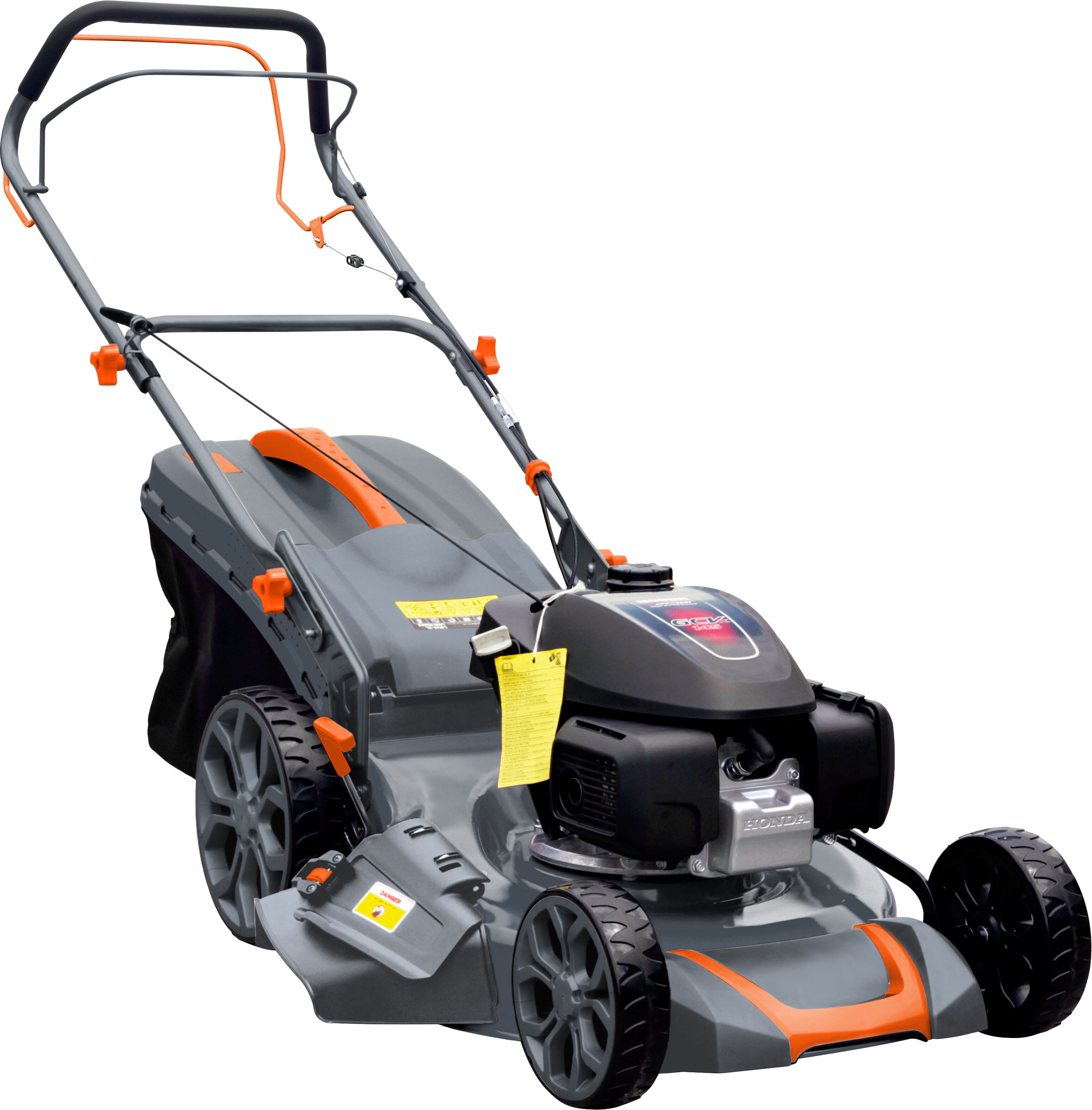
Raw Power and Consistent Performance on Large Lawns
Torque, blade speed, and dense grass penetration: how gasoline engines deliver unmatched cutting strength
Gasoline lawn mowers excel on large, dense, or overgrown lawns where consistent power matters most. Their internal combustion engines generate high torque at low RPMs—enabling blades to maintain speed and cutting force even when encountering wet, tall, or thick grass. Unlike battery-powered mowers, which often experience voltage sag and reduced blade velocity under load, gas engines deliver steady mechanical output regardless of resistance. This translates into clean, uniform cuts in a single pass—no stalling, no double-cutting, and no uneven striping. For properties over half an acre, that reliability means faster completion and professional-grade results.
Performance comparison: gasoline vs. battery/electric mowers on 0.5+ acre properties
On properties of 0.5 acre or more, gasoline mowers outperform battery and corded electric alternatives in both runtime and sustained cutting capacity. While most battery mowers operate for 30–60 minutes before requiring a multi-hour recharge, gas mowers run continuously as long as fuel is available—eliminating mid-job interruptions. Their wider cutting decks (typically 21–30 inches for residential models, up to 54 inches for commercial units) also reduce the number of passes needed per acre. Over a full season, this combination of uninterrupted operation and broader swath width delivers measurable gains in productivity—especially for landscapers managing multiple sites daily. For crews prioritizing speed, consistency, and job-site flexibility, gasoline remains the performance benchmark.
Uninterrupted Operation: Runtime, Refueling, and Operational Range
Refueling in Seconds vs. Recharging Delays: Runtime Continuity for Commercial-Scale Mowing
Downtime directly impacts profitability for professional landscaping crews—and gasoline mowers eliminate the most common source of delay: recharging. Refueling takes under 60 seconds; even with a full tank, it’s faster than swapping batteries or waiting for a charge. By contrast, the fastest battery-powered zero-turn mowers require 30–90 minutes to regain full capacity. Over an eight-hour shift, those cumulative pauses can cost one to two hours of productive mowing time. On multi-acre properties, that inefficiency often forces crews to split jobs across days—or carry heavy spare battery packs. Gasoline’s instant refuel capability supports true continuous operation from first light to job completion, making it indispensable for time-sensitive commercial schedules.
Fuel Efficiency Insights: Tank Capacity, Range per Fill-Up, and Cost per Acre
Modern commercial gasoline mowers strike a practical balance between power and fuel economy. With standard tank capacities of 2–4 gallons, they deliver 1.5–3 hours of continuous mowing under demanding conditions—enough to cover 3–5 acres per fill-up, depending on terrain and grass density. That equates to roughly 0.6–1.2 gallons per acre for thick growth, a figure comparable in energy terms to multiple battery swaps. For crews mowing 10+ acres daily, this means just two refuels per shift versus six or more battery swaps or charging cycles. Critically, gas mowers require no on-site charging infrastructure—allowing seamless movement between distant job sites without range anxiety. When factoring in lower upfront equipment costs, minimal downtime, and proven field durability, gasoline delivers stronger total cost-of-ownership for large-area operations.
Adaptability Across Challenging Terrain and Variable Conditions
Traction, weight distribution, and deck stability: why gasoline lawn mowers excel on slopes and uneven ground
Gasoline mowers handle slopes, bumps, and damp conditions more reliably than most battery-powered alternatives—thanks to inherent mechanical advantages. Their heavier engine and steel frame create a low center of gravity, keeping drive wheels firmly planted on inclines and reducing slippage during turns. Reinforced stamped-steel decks resist flexing, maintaining blade-to-ground alignment even when the chassis tilts—preventing scalping on mounds and ensuring cut consistency across undulating surfaces. Larger rear tires with aggressive tread patterns further enhance grip on loose soil or wet grass, while battery mowers—often burdened by top-heavy or front-biased battery placement—struggle with traction and stability in the same conditions. The result is dependable performance where electric units falter: steep banks, rolling terrain, and moisture-prone areas.
Time and Labor Efficiency for Professional Landscaping Operations
Swath width, mowing speed, and maneuverability advantages that reduce labor hours on large green spaces
Wider cutting decks, higher ground speeds, and superior maneuverability combine to significantly reduce labor time on large properties. Gasoline-powered riding and zero-turn mowers commonly feature 42–54 inch decks—cutting mowing time by 30–40% compared to standard 21-inch push mowers on two-acre+ sites. Ground speeds of 5–7 mph further accelerate coverage, enabling crews to complete a 10-acre property in under two hours instead of four. Paired with zero-turn steering, operators navigate trees, flower beds, and irregular borders without slowing or backtracking—minimizing wasted motion and redundant passes. These efficiencies lower labor costs per job and increase daily capacity, allowing landscaping businesses to scale service volume without proportionally increasing headcount or equipment overhead.
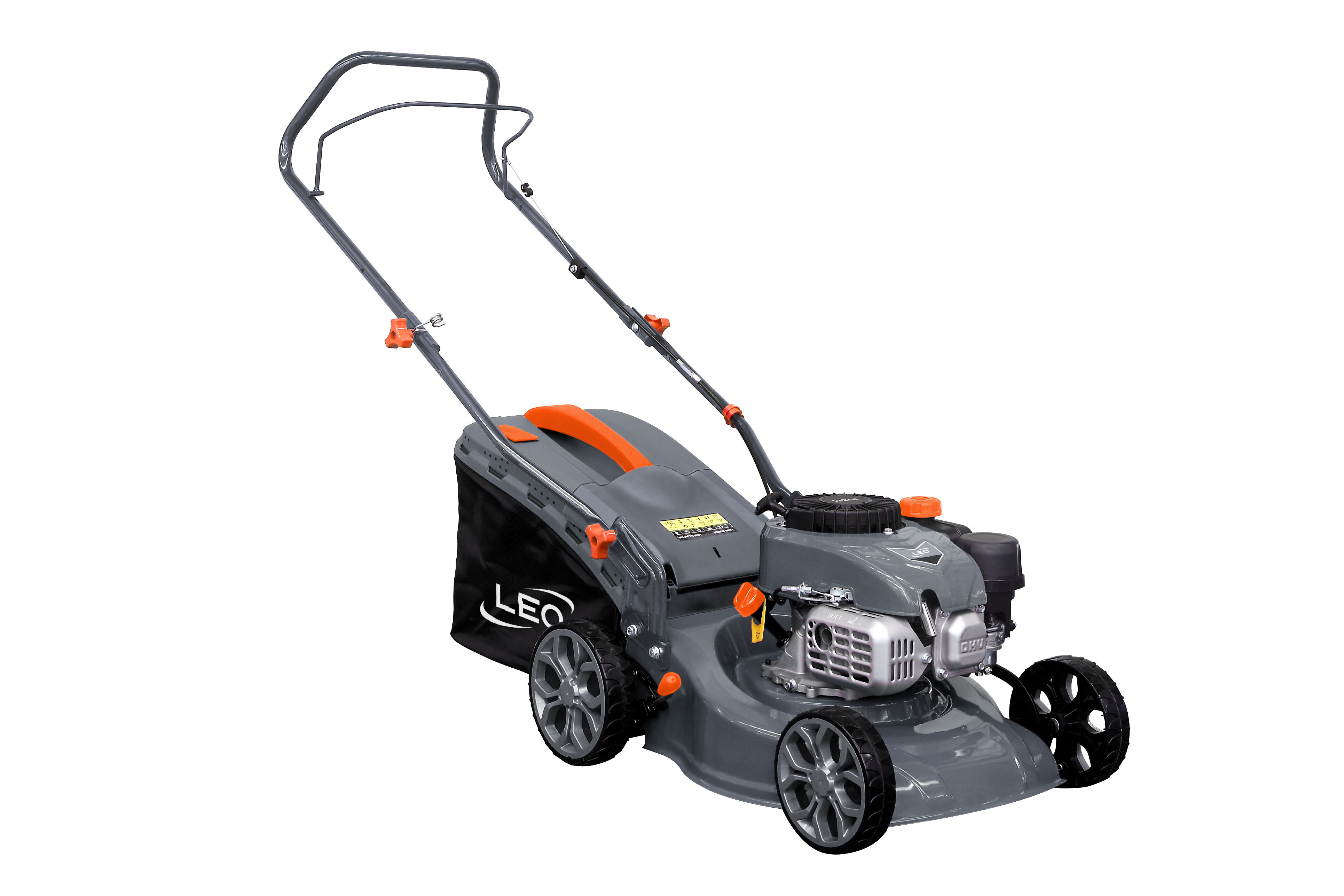
FAQ Section
What makes gasoline lawn mowers ideal for large lawns?
Gasoline mowers excel due to their high torque, consistent blade speed, and ability to handle dense or wet grass without stalling or double-cutting, ensuring faster completion and professional results.
How do gasoline mowers outperform battery-powered ones on large properties?
Gasoline mowers offer longer uninterrupted runtime, wider cutting decks, and instant refueling, making them superior for properties of 0.5 acre or more.
Are gasoline mowers better suited for commercial landscaping?
Yes. Gasoline mowers reduce downtime, support continuous operation, and perform well on diverse terrains, making them indispensable for professional landscapers managing multi-acre sites.
Why are gasoline mowers more efficient on challenging terrain?
Gasoline mowers have a low center of gravity, reinforced decks, and aggressive tread patterns for reliable traction, stability, and cutting consistency on slopes and uneven ground.
How do gasoline mowers enhance labor and time efficiency?
Gasoline mowers feature wider decks, faster ground speeds, and zero-turn steering for reduced labor hours on expansive properties, contributing to greater daily productivity.
Table of Contents
- Raw Power and Consistent Performance on Large Lawns
- Uninterrupted Operation: Runtime, Refueling, and Operational Range
- Adaptability Across Challenging Terrain and Variable Conditions
- Time and Labor Efficiency for Professional Landscaping Operations
-
FAQ Section
- What makes gasoline lawn mowers ideal for large lawns?
- How do gasoline mowers outperform battery-powered ones on large properties?
- Are gasoline mowers better suited for commercial landscaping?
- Why are gasoline mowers more efficient on challenging terrain?
- How do gasoline mowers enhance labor and time efficiency?