
 EN
EN
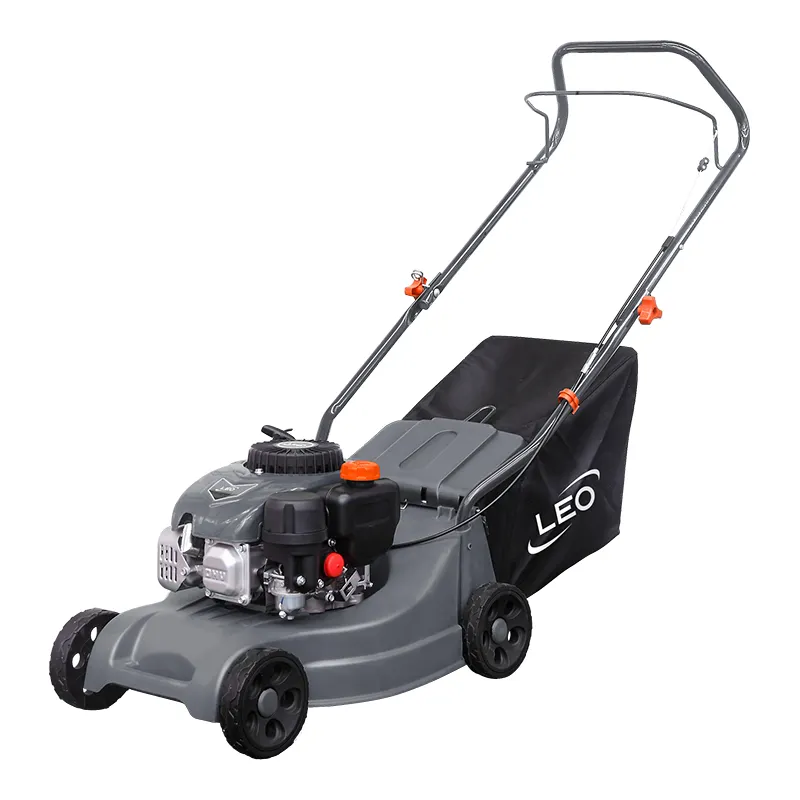
Assess Your Lawn Size and Terrain
Before selecting a lawn mower, evaluate your property’s size and topography—both directly determine which mower will deliver efficient, safe, and consistent results. Start by measuring your lawn’s total square footage. For lawns under 5,000 square feet (roughly an eighth of an acre), a manual push mower is often sufficient and promotes physical activity without undue fatigue. Lawns between 5,000 and 15,000 square feet typically benefit from self-propelled models, which reduce exertion while maintaining maneuverability. Properties exceeding half an acre usually require a riding mower—especially zero-turn models—to keep mowing time practical and manageable.
Terrain plays an equally decisive role. Flat, open lawns support wider cutting decks and straightforward operation. On sloped ground, prioritize traction, a low center of gravity, and rear-wheel drive for stability and control. If your yard includes tight corners, flower beds, or mature trees, look for a compact design with a small turning radius—or zero-turn capability for precision. For uneven terrain with exposed roots, rocks, or ruts, high ground clearance and durable, all-terrain wheels help prevent scalping and protect both grass and equipment.
Compare Lawn Mower Types: Push, Self-Propelled, and Riding
Push mowers are the most affordable and lightweight option, best suited for flat lawns under a quarter acre. They rely entirely on user effort but offer simplicity, minimal maintenance, and zero emissions. Self-propelled mowers add a drive system that powers the wheels, significantly reducing physical strain—especially useful on slopes or properties up to one acre. For larger estates, riding mowers (including sit-down and stand-on zero-turn models) maximize efficiency and comfort, covering ground quickly with minimal fatigue. Your ideal type hinges on yard size, slope, obstacles, and personal physical considerations—not just preference.
Gas vs. Electric vs. Battery-Powered Lawn Mower Options
Today’s mowers fall into three primary power categories—each with distinct trade-offs. Gas-powered models deliver high torque and unlimited runtime, making them ideal for thick, tall grass and large or challenging properties. However, they require regular maintenance, produce noise and emissions, and involve fuel handling. Corded electric mowers operate quietly and emission-free with virtually no upkeep—but their range is constrained by cord length and outlet access, limiting them to small, uncluttered lawns. Battery-powered mowers combine cordless freedom with low noise and zero fumes; modern lithium-ion batteries now provide 30–60 minutes of runtime per charge, enabling reliable performance across mid-sized yards. While high-capacity battery models increasingly rival gas in power, very large or dense lawns may still favor gas or premium battery systems. Importantly, many self-propelled and push mowers are now available across all three power types—giving you flexibility without sacrificing core functionality. When deciding, weigh your lawn’s size and density, access to power sources, tolerance for maintenance, and long-term operating costs.
Key Performance Features to Evaluate in a Lawn Mower
Cutting Width, Height Adjustment, and Mulching Capability
Cutting width directly affects mowing efficiency. Wider decks (21–30 inches) cut more ground per pass—ideal for expansive, open lawns—while narrower decks (14–18 inches) excel in tight spaces with obstacles. Adjustable cutting height is essential for healthy turf: most mowers let you set blade height between 1 and 4 inches via a lever or dial. Consistently adjusting height based on grass species and seasonal growth encourages deeper root development and drought resilience. Mulching capability transforms clippings into natural fertilizer: a dedicated mulching blade and deck design finely chops grass, allowing it to decompose rapidly and return nitrogen to the soil. Turfgrass extension research shows proper mulching can reduce synthetic fertilizer needs by up to 25%—while also diverting organic waste from landfills.
Engine Power, Blade Quality, and Ease of Maintenance
Engine power dictates how confidently a mower tackles thick grass, damp conditions, and uneven terrain. For most residential applications, a 150–190cc gas engine or a 48–60V battery system provides balanced performance. Blade quality is inseparable from cut quality—opt for heavy-duty, corrosion-resistant steel blades engineered to retain sharpness longer. A clean, precise cut minimizes stress on grass and lowers disease susceptibility. Maintenance should be intuitive: features like tool-free air filter access, easy-fill oil reservoirs, and deck washout ports simplify routine care. Since blade sharpening and oil changes are non-negotiable for longevity and performance, choose a model with clearly documented service intervals and readily accessible components. A well-designed maintenance path extends service life and preserves cutting consistency over years.
Budget, Warranty, and Long-Term Value Considerations
Focusing only on upfront cost risks overlooking the true investment. Total cost of ownership includes fuel or electricity, blade sharpening or replacement, oil changes, air filter replacements, and eventual part repairs. A budget model may save money at purchase but incur higher cumulative expenses due to frequent servicing or shorter component lifespan—for example, a lower-tier blade may need annual replacement, whereas a premium-grade one lasts multiple seasons. The warranty serves as a strong proxy for reliability: scrutinize not just duration, but coverage scope—does it include the engine, transmission, deck, and labor? A comprehensive three-year warranty covering critical components—and backed by a responsive claims process—signals manufacturer confidence. Transferable warranties can also improve resale value. Consider expected service life: a well-maintained gas push mower often lasts 8–10 years; battery packs typically retain optimal capacity for about five years before replacement becomes advisable. Finally, verify spare parts availability and proximity of authorized service centers—these factors minimize downtime and extend usable life. A thoughtful total cost analysis—factoring energy use, maintenance frequency, warranty strength, and lifecycle support—ensures your mower delivers enduring value aligned with your lawn’s demands.
FAQ
What lawn mower is suitable for a small yard?
For yards under 5,000 square feet, a manual push mower is typically sufficient. It promotes physical activity while being cost-effective.
How does terrain affect mower selection?
Flat, open lawns support wider cutting decks, while sloped or uneven terrain requires options with good traction, rear-wheel drive, and durable wheels.
Are battery-powered mowers suitable for large lawns?
Battery-powered mowers are ideal for mid-sized yards, but very large or dense lawns may still favor gas-powered models or premium battery systems.
What maintenance should I expect with a lawn mower?
Routine maintenance includes blade sharpening, oil changes, air filter replacements, and occasional part repairs. Tool-free access features make these tasks easier.
How important is warranty coverage?
Warranty coverage acts as a reliable indicator of product quality. Look for comprehensive coverage (e.g., the engine, transmission, deck, and labor) with at least three years of protection.