
 EN
EN
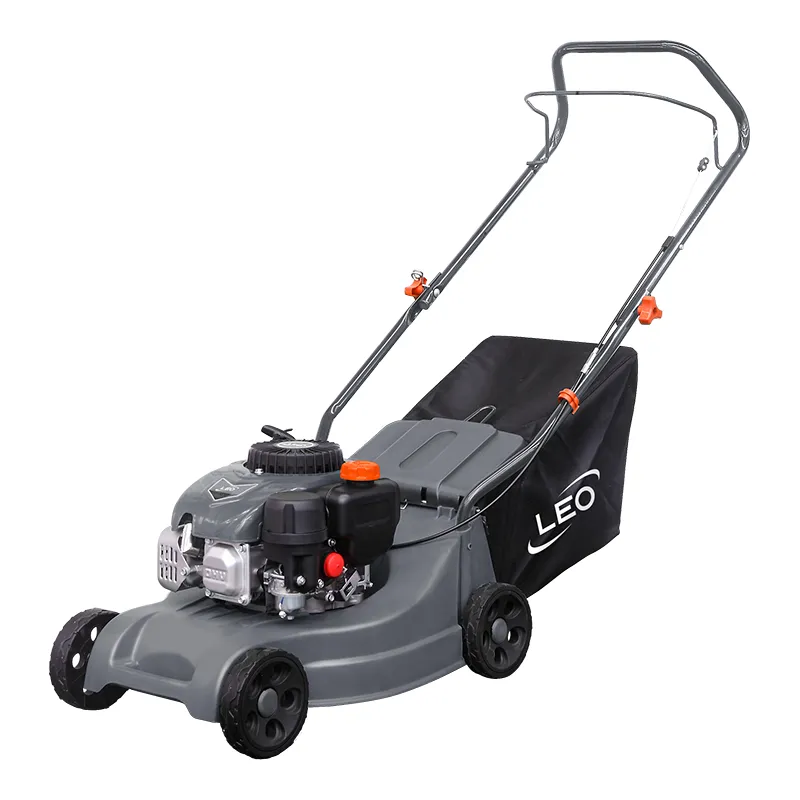
Selecting the Right Fuel for Petrol Lawn Mowers
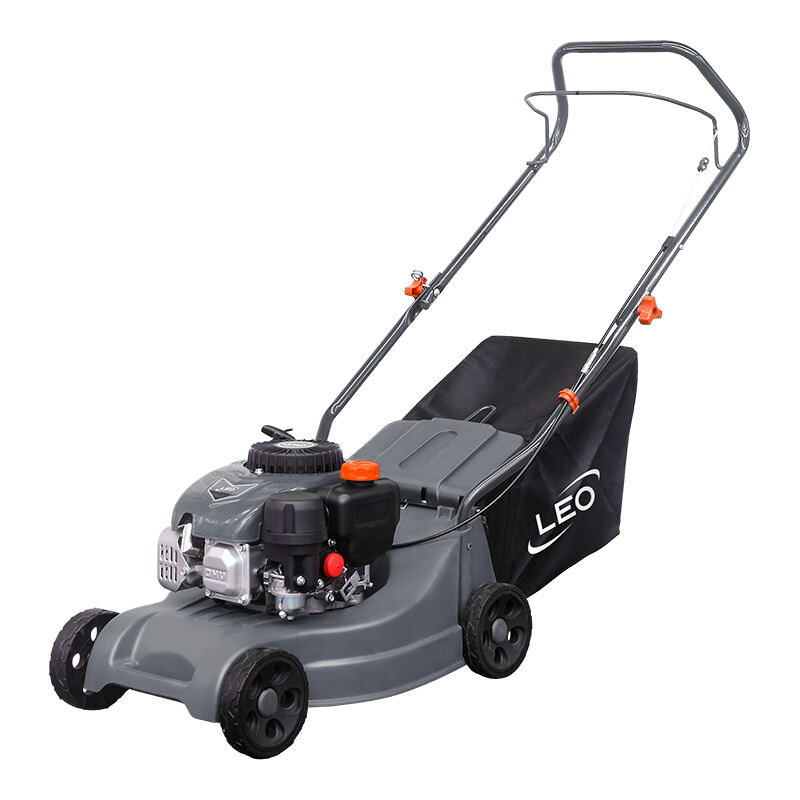
Why Ethanol-Free or Low-Ethanol Fuel Prevents Carburetor Gumming and Phase Separation
Ethanol blended fuels have a tendency to soak up moisture from the air, which causes something called phase separation where water mixes with ethanol and sinks to the bottom of fuel tanks over time. What's left floating on top tends to get all gummy and sticky, clogging those tiny holes in carburetors and fuel lines inside petrol powered lawn mowers. When this happens, fuel doesn't flow properly through the system anymore. The engine becomes really hard to start, runs roughly when idling, and burns fuel incompletely. Using low ethanol blends (like E10 or below) or going completely ethanol-free cuts down on how much moisture gets absorbed into the fuel mixture. This helps keep the fuel stable longer and stops corrosion plus those pesky deposits from forming, especially important for machines that sit unused for months at a time. A good practice for anyone storing equipment for long periods is simply draining the fuel tank first thing so there's nothing sitting around to go bad.
Alkylate Gasoline vs. Regular Unleaded: Combustion Stability and Shelf Life Benefits for Petrol Lawn Mowers
What makes alkylate gasoline different is its clean hydrocarbon makeup. There's no ethanol, benzene or those bad aromatics in it, so it burns much cleaner and stays stable longer than regular fuel. Regular ethanol mixed fuels start breaking down after about 30 days and leave behind that nasty varnish stuff inside engines. Alkylate can sit in a sealed container for almost two whole years without going bad. The advantages are pretty clear too. It ignites consistently even when temperatures change, oxidizes practically nothing, and keeps carbon from building up on spark plugs and valves over time. Sure, it costs more upfront, but think about how much money gets saved on repairs down the road. Garden equipment owners especially appreciate this because their petrol powered lawn mowers often sit unused for months at a time between cuts.
Essential Engine Maintenance to Maximize Fuel Combustion Efficiency
Spark Plug Health and Air-Fuel Ratio: Diagnosing Misfires That Waste Fuel
When spark plugs get worn down or dirty in petrol powered lawn mowers, they mess with the timing of when the fuel ignites and how completely it burns. This leads to those annoying misfires we all know, plus incomplete burning of fuel which just wastes gas money. According to some industry standards like SAE J1930, these misfires actually make engines consume about 5% more fuel than they should normally. To check if plugs need replacing, look for signs like carbon buildup on them, worn out electrodes, or if there's oil stuck to the sides. Most manuals suggest changing them after around 25 hours of actual running time, making sure to stick with what the manufacturer recommends for both heat range and gap size, usually somewhere between 0.6 and 0.7 millimeters. Keeping plugs clean and properly spaced helps ensure better combustion efficiency. Not only does this mean more power from each tank of gas, but it also cuts down on harmful exhaust fumes that come from unburned fuel.
Oil Viscosity and Friction Control: How Fresh, Correct-Grade Oil Reduces Load on Petrol Lawn Mowers
Getting the right oil viscosity matters a lot for reducing engine friction inside those small machines. For instance, SAE 30 works well in warmer areas while something like 10W-30 handles temperature changes better when conditions fluctuate. Old or wrong grade oil gets thicker when heated up, creating extra resistance against moving parts such as crankshafts, pistons, and bearings. The result? Engines have to push harder which can boost fuel consumption around 8 percent based on some recent studies from ICCT looking at small engine efficiency back in 2022. Most folks should aim to replace oil after about 50 hours of operation or at minimum once each season. Look for products made specifically for air-cooled engines that run at higher RPMs. Good lubrication keeps things running cooler overall, cuts down on component wear, and makes a noticeable difference in how much gas gets burned during long periods of mowing across lawns and fields.
Keeping the Fuel System Clean for Consistent Efficiency
Carburetor Cleaning Best Practices and PEA-Based Additives for Small Petrol Lawn Mowers
Keeping the carburetor clean makes all the difference when it comes to getting accurate fuel delivery and good atomization in those petrol powered lawn mowers we rely on so much. Regular cleaning matters a lot - aim to clear out those jets, passages, and throttle bores every three months at minimum, maybe even more frequently if the mower gets exposed to dust or humidity regularly. Just grab some compressed air and proper carb cleaner solvent for this job. Want to stay ahead of problems? Try using fuel additives based on polyetheramine (PEA). These actually break down old carbon buildup while stopping new deposits from forming. Tests have shown these cleaners cut down on deposit build-up around 87% better than regular options on the market. When putting away equipment for storage, remember two things: either empty out all the fuel completely or mix in a stabilizer made specifically for ethanol free or low-ethanol blends. This helps avoid those annoying gummy residues and rust issues later on. And watch out folks, a dirty carb can really eat through your fuel budget, sometimes increasing consumption by as much as 15% because of messed-up spray patterns and uneven air-fuel mixes. Don't forget to check those diaphragms, adjust float levels properly, and replace any worn gaskets according to what the manufacturer recommends. After all, nobody wants their mower running worse than factory spec just because maintenance got neglected.
Air Filter Management and Its Direct Impact on Fuel Economy
Quantifying Efficiency Loss: How a Clogged Air Filter Raises Fuel Consumption by Up to 8% in Petrol Lawn Mowers
When an air filter gets clogged, it blocks airflow into the engine's combustion chamber, which creates a shortage of oxygen needed for proper burning of fuel. The engine then tries to compensate by pumping extra fuel just to keep running at normal speed, but this actually makes things worse since it burns more fuel without giving better performance. Studies show that even half-blocked filters can push fuel usage up between 3 to 5 percent, and completely plugged filters might increase consumption as much as 8%. Small stuff like grass bits, dust buildup, or pollen accumulation can really mess with airflow over time, particularly when mowing regularly during busy seasons. Before starting any job, always check the air filter condition. For machines used frequently, cleaning or replacing the filter once a week is wise practice. Whether paper, foam, or synthetic material, all types need consistent care. Keeping filters clean helps maintain good engine breathing, keeps the throttle responsive, and stops money going down the drain through wasted fuel.
FAQ
What type of fuel should I use for my petrol lawn mower?
It is recommended to use ethanol-free or low-ethanol fuels to prevent carburetor gumming and phase separation. These types of fuel help maintain fuel stability and reduce corrosion and deposits.
What are the benefits of using alkylate gasoline over regular unleaded?
Alkylate gasoline has a clean hydrocarbon makeup, burning much cleaner and remaining stable longer than regular unleaded fuel. It ignites consistently, reduces carbon buildup, and can be stored for nearly two years without going bad.
How often should I replace the spark plugs in my lawn mower?
Spark plugs should be replaced after approximately 25 hours of running time, following the manufacturer's recommendations for heat range and gap size for effective combustion efficiency.
Why is oil viscosity important for lawn mower engines?
Correct oil viscosity reduces engine friction and prevents additional fuel consumption. Using the right grade oil, such as SAE 30 or 10W-30, ensures better lubrication and reduces engine load.
How often should the carburetor be cleaned?
The carburetor should be cleaned at least every three months, especially in dusty conditions, using appropriate carb cleaner solvent to maintain efficient fuel delivery.
What impact does a clogged air filter have on fuel consumption?
A clogged air filter restricts airflow, causing the engine to burn more fuel for less performance, potentially increasing fuel consumption by 8%. Regular cleaning or replacement is essential to prevent efficiency loss.
Table of Contents
- Selecting the Right Fuel for Petrol Lawn Mowers
- Essential Engine Maintenance to Maximize Fuel Combustion Efficiency
- Keeping the Fuel System Clean for Consistent Efficiency
- Air Filter Management and Its Direct Impact on Fuel Economy
-
FAQ
- What type of fuel should I use for my petrol lawn mower?
- What are the benefits of using alkylate gasoline over regular unleaded?
- How often should I replace the spark plugs in my lawn mower?
- Why is oil viscosity important for lawn mower engines?
- How often should the carburetor be cleaned?
- What impact does a clogged air filter have on fuel consumption?