
 EN
EN
Battery Chemistry Fundamentals: Choosing the Right Cell Type for Residential Cordless Lawn Mowers
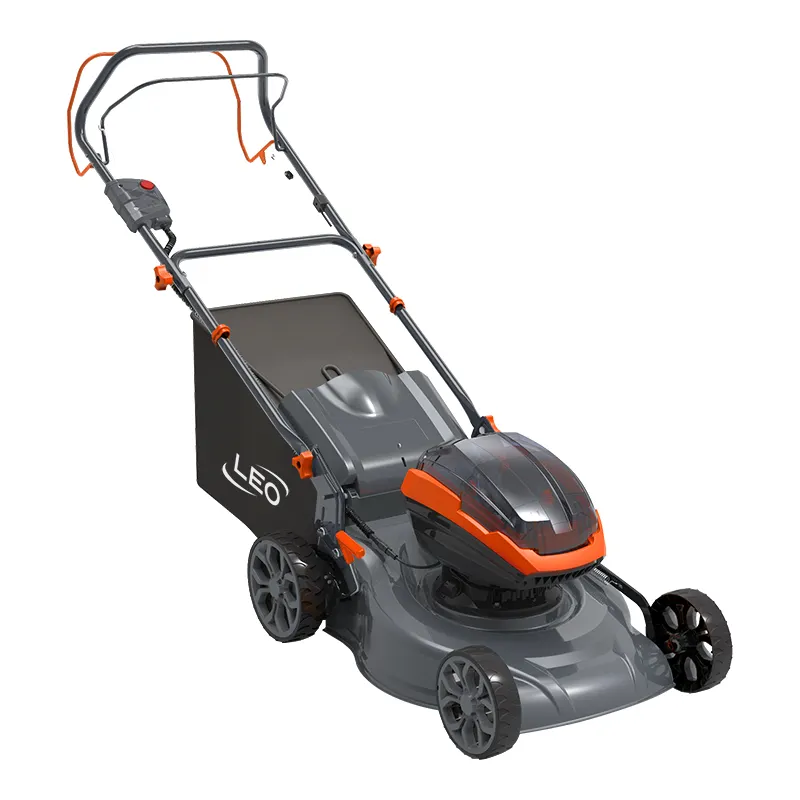
Lithium-ion vs. Lithium Iron Phosphate: Trade-offs in Energy Density, Safety, and Long-Term Runtime
Li-ion batteries typically deliver around 150 to 200 Wh per kg of energy density, which is roughly 20 percent better than what we see from LiFePO4 batteries that sit at about 90 to 120 Wh per kg. This means devices can run longer between charges. On the flip side though, LiFePO4 cells tend to stay about 15 degrees Celsius cooler when working hard and they don't lose their cool even when temperatures climb past 60 degrees Celsius. That makes them much safer for long periods of operation or when pushed to maximum capacity. What really stands out though is how durable these batteries are. After going through 2000 charge cycles, LiFePO4 still holds onto about 80% of its original capacity. For comparison, regular Li-ion batteries usually only last about 600 to 700 cycles before needing replacement in things like lawn mowers used around homes. These differences matter a lot in practice because they represent actual choices people have to make depending on their needs.
- Energy Density: Li-ion prioritizes runtime per charge; LiFePO4 favors longevity over peak output
- Thermal Safety: LiFePO4's olivine crystal structure resists thermal runaway, making it inherently safer for unattended operation and hot climates
- Cycle Life: In high-drain, stop-start residential use, LiFePO4 delivers consistent performance across seasons where Li-ion degrades faster due to voltage stress and heat accumulation
Cycle Life Expectancy in Real-World Residential Use: Field Data from Zhejiang Leo Garden Machinery (2022–2024)
Researchers tracked over 500 home cordless lawnmowers across several years and found something interesting about battery performance. The LiFePO4 batteries kept around 60% of their original power even after 500 charge cycles, which is actually pretty good for someone who mows once a week. Regular lithium-ion batteries told a different story though, dropping down to just 40% capacity after only 300 cycles when tested under the same conditions. What's more, rough yards really took a toll on lithium-ion packs, making them degrade 17% faster than they should. Meanwhile, those LiFePO4 batteries barely showed any signs of wear at all. Heat was another factor worth noting. When temperatures climbed above 30 degrees Celsius during summer months, lithium-ion batteries lost half their lifespan compared to cooler weather operations. But LiFePO4 wasn't so badly affected, losing only about 12% capacity in hot conditions. Manufacturers have started incorporating better Battery Management Systems that cut these losses by roughly 22% thanks to smarter charging methods and cell balancing tech according to a recent report from Zhejiang Leo Garden Machinery published last year.
Smart Charging Practices to Preserve Cordless Lawn Mower Battery Health
Getting into good charging routines tends to work wonders for how long batteries last, sometimes even better than what the chemistry itself allows. When we leave devices plugged in too long, especially lithium batteries, they start to suffer. The electrolytes inside break down faster and the internal resistance goes up over time. A simple trick? Take the plug out right when the battery hits 100%, or invest in those newer chargers that automatically shut off once done. This stops that annoying voltage creep that happens otherwise. And don't wait until your phone dies completely either. Try to recharge around 20-30% remaining instead. Doing this puts less stress on the tiny electrode structures inside and helps maintain their overall shape and function for longer periods.
Most lithium batteries work best when kept within a temperature range of around 10 to 30 degrees Celsius, which is roughly equivalent to 50 to 86 degrees Fahrenheit on the Fahrenheit scale. When it gets too hot, unwanted chemical reactions start happening inside the battery cells. On the flip side, very cold conditions make ions move slower through the electrolyte, which means less available power at times when it's actually needed most. For anyone looking after these batteries, sticking with chargers specifically recommended by the manufacturer makes all the difference. Generic chargers just don't have those sophisticated control systems that properly manage charging cycles over time, something crucial for maintaining battery life in the long run.
During off-season periods like winter, it's best to store batteries around 40 to 50 percent charged in somewhere cool and dry. A quick check every month is good practice, and only add power back if they drop below 30%. This approach helps slow down battery degradation from sitting idle while avoiding extra wear from constant charging. People who stick with this routine tend to get about 30% more life out of their batteries after going through 200 charge cycles, which beats those who wait until problems show up before doing anything about it.
Environmental and Usage Factors That Accelerate Discharge in Cordless Lawn Mowers
Temperature, Grass Conditions, and Mechanical Load: Measured Impact on Runtime
The outside temperature and what kind of grass is being cut really matters when it comes to how long batteries last in lawn equipment. According to testing done by Zhejiang Leo Garden Machinery between 2022 and 2024, when temps get over 35 degrees Celsius (about 95 Fahrenheit), batteries start working harder inside because the heat makes them resist more and builds up something called the SEI layer faster than normal. This can cut down on actual runtime by around 30%. On the flip side, cold weather under 10 degrees Celsius (roughly 50 Fahrenheit) slows down how fast lithium ions move through the battery, making each charge last about 10 to 15 percent less time even if fully charged. The work the machine does also affects things. Cutting thick, damp or tall grass means the motor has to pull about 20% extra power continuously, which drains the battery much quicker. Lawns that have lots of tall fescue grass or haven't been mowed in over ten days create significantly more resistance during cutting compared to nicely maintained lawns. This increased resistance cuts typical one hour mowing sessions down to sometimes just 35 minutes instead.
Standby Power Drains: LED Displays, Bluetooth, and 'Instant-On' Features
Modern cordless mowers still eat up battery power even when sitting unused thanks to all those extra electronic bits inside. Take the LED screen for instance it runs somewhere around 3 to 5 watts per hour. That adds up fast too about 10% of total battery life lost just by having it on for eight straight hours. Then there are those Bluetooth chips constantly looking for connected devices while in sleep mode, burning through another 2 to 4 watts. But the real battery vampire is what manufacturers call instant-on technology. This keeps certain parts charged so the mower starts right away with a button press, but it costs around 15% of charge each week sitting there doing nothing. Want to get more out of your battery? Turn off anything not absolutely necessary or shut the whole thing down completely between cuts. These small changes really do make a difference in how long the battery lasts overall.
FAQ
What is the main advantage of LiFePO4 batteries over Li-ion batteries?
LiFePO4 batteries offer better thermal safety and cycle life, making them ideal for extended operation and high-drain residential use.
How does temperature affect battery performance in cordless lawn mowers?
High temperatures can shorten battery life by increasing internal resistance, while cold conditions reduce power availability due to slower ion movement.
What are smart charging practices for lawn mower batteries?
Avoid overcharging, recharge at 20-30% capacity, and use chargers recommended by manufacturers to prevent battery stress and prolong life.