
 EN
EN
How Motor Power, Torque, and Feed Design Determine Real-World Garden Shredders Throughput
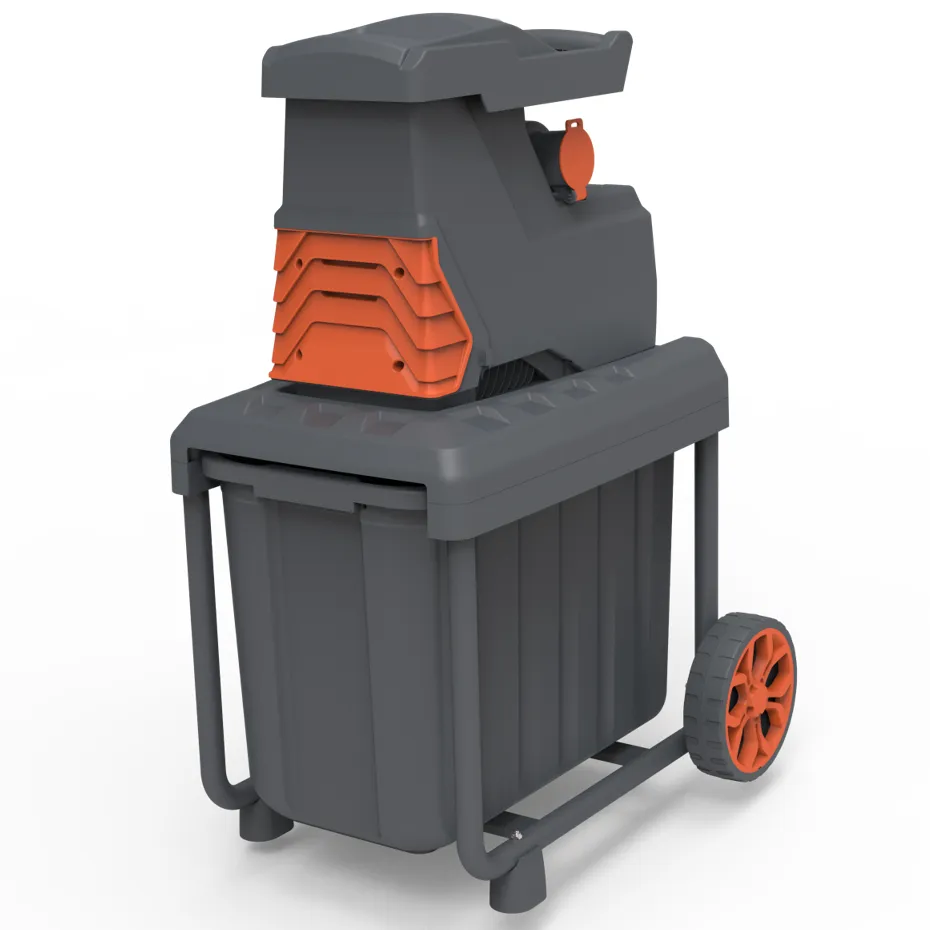
Motor Power (kW) vs. Actual Shredding Capacity: Why Residential Models Peak at 80–120 kg/h
The power rating measured in kilowatts might look impressive on paper, but actual performance doesn't really match up in most cases. Most home garden shredders process about 80 to 120 kilograms per hour no matter what the power difference is between models. Why? Because things like how the blades are shaped, how materials get fed into the machine, and those built-in safety features all set strict physical boundaries. When motors have at least 2.5 kW they tend to last longer when dealing with tough stuff like thick branches, even though they don't necessarily run faster right from the start. Tests done by third parties show that if someone doubles the motor power, they only see around 15 to 30 percent more output. Friction problems, inconsistent materials, and heat management issues basically put a cap on these improvements. This is exactly why top manufacturers focus their efforts on making machines reliable and safe for regular users within this established range instead of constantly trying to boost those kW numbers.
Torque-RPM Balance and Auto-Feed Mechanisms: Critical for Consistent Performance on Mixed Organic Waste
The balance between torque and RPM actually counts for more than just raw power when dealing with all sorts of garden debris. Machines built to deliver good torque at lower RPM rates, say around 40 Newton meters at about 2,000 revolutions per minute, keep pushing through tough stuff like plant stalks, fresh green stems, and those half-wooden bits that other machines tend to struggle with. These units don't get stuck or lose grip the way fast spinning, weak torque models do. And this benefit gets even better when paired with smart auto feed features. Think about those hydraulic or sensor based systems that automatically adjust how much material goes into the machine based on what the motor can handle. They really cut down on clogs too, somewhere between 60 to maybe 75 percent fewer jams compared to old fashioned manual feeding methods. Field tests back this up too. Shredders equipped with both proper torque settings and these adaptive feeding systems managed to keep going at about 90% of their maximum output even when faced with messy mixed waste. Meanwhile regular models barely hit 40 to 60% of their capacity in the same situations.
Material-Specific Limits: How Branch Thickness, Moisture, and Fibre Density Impact Garden Shredders Efficiency
Woody vs. Leafy Waste: Throughput Drop from 120 kg/h (dry leaves) to ƒ45 kg/h (fresh 40 mm branches)
What material goes through the machine matters far more than what specs say on paper. Dry leaves fly through at around 120 kg per hour, but when dealing with fresh wood about 40 mm thick, output plummets to somewhere below 45 kg/hour. That's roughly half to two thirds less capacity. The denser hardwood requires about a third more power compared to those light, fluffy leaves. This extra strain pushes motors past their sweet spot, often causing them to overheat or shut down for safety reasons. Trying to feed in branches that are 5 inches (about 125 mm) instead of just 3 inches (around 75 mm) makes things even worse. Throughput drops dramatically again, maybe by another 60%, while blades wear out faster throughout the year. To keep machines running reliably day after day, stick closely to those diameter guidelines provided by manufacturers. Think of these numbers as absolute limits, not goals to hit exactly.
Moisture Thresholds and Clogging Risks: Practical Guidelines for Optimal Feed Preparation
Moisture content is a silent throughput limiter. Fresh wood exceeding 45% moisture requires 30% more power to shred and doubles clogging risk versus air-dried material. To preserve flow and protect components:
- Pre-dry branches for 48 hours before feeding
- Blend wet greens (e.g., grass clippings) with dry browns (e.g., prunings) at a 1:2 volume ratio
- Never feed rain-saturated material above 60% moisture
These practices reduce jams by 70% and prevent the 15°C temperature spikes linked to accelerated bearing wear and motor insulation degradation. For larger-scale operations, integrating inline moisture sensors—like those used in commercial compost facilities—can automate feed sequencing and maintain consistent throughput without operator guesswork.
Particle Size Control: Aligning Garden Shredders Output with Composting and Soil Amendment Goals
Target Range (10–25 mm): Balancing Decomposition Speed, Aeration, and Handling Safety
The size of particles matters beyond just what comes out at the end. It actually connects the shredding process with how useful the material will be later on. Most folks find that particles in the 10 to 25 mm range work best overall. When particles are smaller than 25 mm, they create more surface area where microbes can hang out, which speeds up decomposition. But if they're bigger than 10 mm, they still have enough structure to keep air moving through compost piles, stopping those smelly anaerobic pockets from forming and slowing things down. This sweet spot also reduces dust creation during handling by around two thirds, cutting down on breathing problems when people turn or spread the compost. Studies in Bioresource Technology show materials below 10 mm break down about 40% quicker, though they tend to pack together too much and block oxygen flow. On the flip side, anything over 25 mm hangs around longer and creates cold spots in the pile. For amending soil, 15 to 20 mm chips strike a good balance between holding water and letting roots grow through them. What's really important is that this size range keeps people safe from splinters caused by rough material while staying above the dangerous particulate level (less than 5 microns), making for better and safer organic recycling practices overall.
Right-Sizing Garden Shredders: Matching Capacity to Waste Volume Across Residential, Commercial, and Municipal Scales
Choosing the correct shredder really comes down to matching what the machine can do with what kind of waste someone actually produces, not just believing what manufacturers say. Homeowners with small gardens around 500 square meters usually deal with less than half a ton per hour worth of branches and fallen leaves during seasons when plants get trimmed. Small electric shredders work well enough for these amounts in one go and will fit nicely inside regular garden storage sheds. For professional landscape businesses working across several sites though, bigger gas powered machines become necessary. These typically handle between half a ton and five tons each hour, featuring tough cutting parts built to last through constant use day after day. When we look at city operations or big private estates, industrial grade shredders capable of over five tons per hour simply cannot be avoided. They tackle entire tree trunks thicker than 10 centimeters and handle massive piles of organic waste materials. Most places need special areas set aside because of all the noise they make, how much space they take up, plus easy access for maintenance checks. Space matters a lot too by the way. Residential shredders generally need less than two square meters of room while industrial installations require anywhere from twenty to fifty square meters so workers can move safely around materials being processed and perform regular servicing tasks. The bottom line remains clear though - performance isn't just about power ratings or speed measurements, it's also about having everything properly arranged together as part of a complete system.
FAQs About Garden Shredders
What is the actual shredding capacity of garden shredders?
Most home garden shredders process between 80 to 120 kg/h regardless of motor power, as other factors like blade design and feed systems impose limitations.
How important is torque in garden shredders?
Torque is crucial as it helps machines handle different types of debris. High torque at lower RPM rates ensures efficiency and reduces clogs when dealing with tough plant materials.
Can moisture content affect shredding efficiency?
Yes, it can. High moisture content increases power requirements and clogging risks. Pre-drying and blending wet and dry materials help optimize performance and reduce jams.
What particle size is ideal for composting and soil amendment?
Particles in the 10 to 25 mm range are ideal as they balance decomposition speed, aeration, and safely handle organic materials.
How do I match a garden shredder to my needs?
Consider the volume of waste you produce and compare it to the capacity and features of different shredders to find the best fit for residential, commercial, or municipal use.
Table of Contents
- How Motor Power, Torque, and Feed Design Determine Real-World Garden Shredders Throughput
- Material-Specific Limits: How Branch Thickness, Moisture, and Fibre Density Impact Garden Shredders Efficiency
- Particle Size Control: Aligning Garden Shredders Output with Composting and Soil Amendment Goals
- Right-Sizing Garden Shredders: Matching Capacity to Waste Volume Across Residential, Commercial, and Municipal Scales
- FAQs About Garden Shredders