
 EN
EN
Why Silent Shredders Are Essential in Urban Residential Gardens
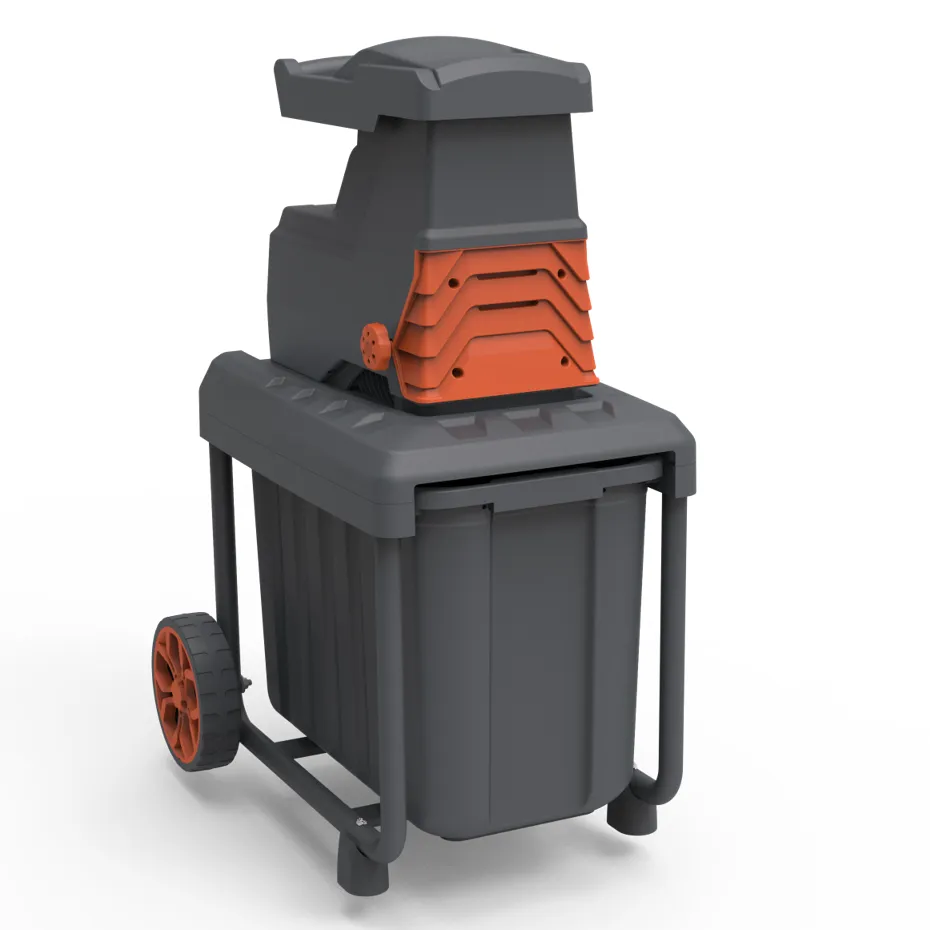
City gardeners often struggle with noise issues when using regular shredders, which tend to create annoying levels of sound pollution. Many local governments have started cracking down on loud machinery, setting maximum noise limits around 60 dB during the day in some neighborhoods. This means most standard garden tools don't meet these requirements anymore. The solution comes in the form of silent shredders that still get the job done but run quietly enough not to bother anyone nearby. These machines work under what people would consider normal conversation levels thanks to their special design features. Keeping things quiet helps maintain good relations with neighbors and avoids those expensive tickets city officials love handing out for noise violations, sometimes costing over five hundred bucks each time.
These machines actually help make cities greener places to live. When local gardens turn their organic waste into mulch right where it sits, less garbage ends up in landfills and there's no need for trucks to haul stuff around. More people are getting into urban gardening these days, especially since studies show that green areas really do clean up the air and boost moods. The quiet shredders let folks maintain their plots all through winter without making noise complaints from neighbors who live in apartments or close by houses. We're starting to see this kind of equipment become standard in many community gardens across town, showing that today's gardeners care about both taking care of the environment and being good neighbors at the same time.
How Silent Shredders Achieve Effective Noise Reduction
Silent shredders have been engineered with multiple layers of technology to tackle noise issues in cities. The main advancements involve blades shaped to cut down on air movement, motors wrapped in sound blocking systems, and special composites that soak up vibrations right where they start. When put together, these changes can bring down noise levels by around 50-60% when compared against regular shredders. What this means is equipment that used to cause headaches for nearby residents now operates quietly enough to fit seamlessly into residential areas without disturbing anyone.
Advanced Acoustic Engineering: Blade Design, Motor Encapsulation, and Vibration Damping
Precision-balanced blades with helical cutting profiles minimize harmonic resonance, while suspended motor compartments lined with sound-absorbing foam curtail mechanical noise emissions. Polymer-mounted engines decouple vibrations from the chassis, preventing ground-borne transmission. Integrated vibration damping alone can lower perceived loudness by 45% (Acoustic Materials Journal, 2023).
Beyond Decibels: Psychoacoustic Optimization and Real-World Annoyance Mitigation
Good noise control goes beyond just measuring decibels. It actually focuses on those annoying sounds people really hate, like those harsh middle range tones that drive folks crazy. The smart thing designers do is move the sound towards lower bass frequencies that aren't so bothersome. They also install variable speed motors which stop those sudden loud starts we all hate. Plus there's this adaptive load system that keeps things running with a steady background noise rather than those unpredictable bursts of loudness. According to the Urban Greening Council from their 2024 report, neighborhoods packed with apartments saw around 7 out of 10 fewer complaints after implementing these kinds of changes.
Practical Integration of Silent Shredders in Urban Garden Settings
Strategic Placement and Buffer Zoning to Minimize Neighbor Impact
Urban gardening has surged by 50% over five years (National Gardening Association, 2023), requiring strategic equipment placement in confined spaces. Implement these noise-reduction tactics:
- Position shredders at least 10 feet from property lines to leverage natural sound dissipation
- Create buffer zones using existing structures (sheds, fences) or dense vegetation barriers
- Orient shredder inlets away from neighboring homes to deflect operational noise
A 3-foot-wide hedge of evergreens can absorb up to 40% of residual noise through foliage density, reducing acoustic intrusion. These measures maintain neighbor relations while enabling efficient garden waste processing.
Synergies with Nature-Based Sound Management (e.g., Water Features, Dense Planting)
Complement shredder placement with natural noise-masking elements:
- Recirculating fountains or cascades generate 45–50 dB of ambient white noise that masks shredder operation
- Dense planting layers—like bamboo screens or broadleaf shrubs—absorb high-frequency sounds through stem vibration and leaf surface area
- Multi-tiered vegetation structures disrupt sound wave propagation paths
Integrating these elements creates acoustic synergy: functional shredding becomes indistinguishable from natural garden sounds. This transforms waste management into an immersive sensory experience while supporting urban biodiversity.
Frequently Asked Questions (FAQ)
Are silent shredders effective in reducing noise compared to regular shredders?
Yes, silent shredders reduce noise levels by around 50-60% compared to regular shredders.
How do silent shredders help in urban gardening?
Silent shredders help in urban gardening by converting organic waste into mulch on-site, reducing landfill waste, and decreasing noise complaints from neighbors.
What technologies are used in silent shredders to minimize noise?
Technologies such as advanced blade design, motor encapsulation, vibration damping, and psychoacoustic optimization are used to minimize noise.
How can silent shredders be integrated into urban garden settings?
Silent shredders can be strategically placed at least 10 feet from property lines, use buffer zones, and incorporate natural sound-masking elements like water features and dense planting.