
 EN
EN
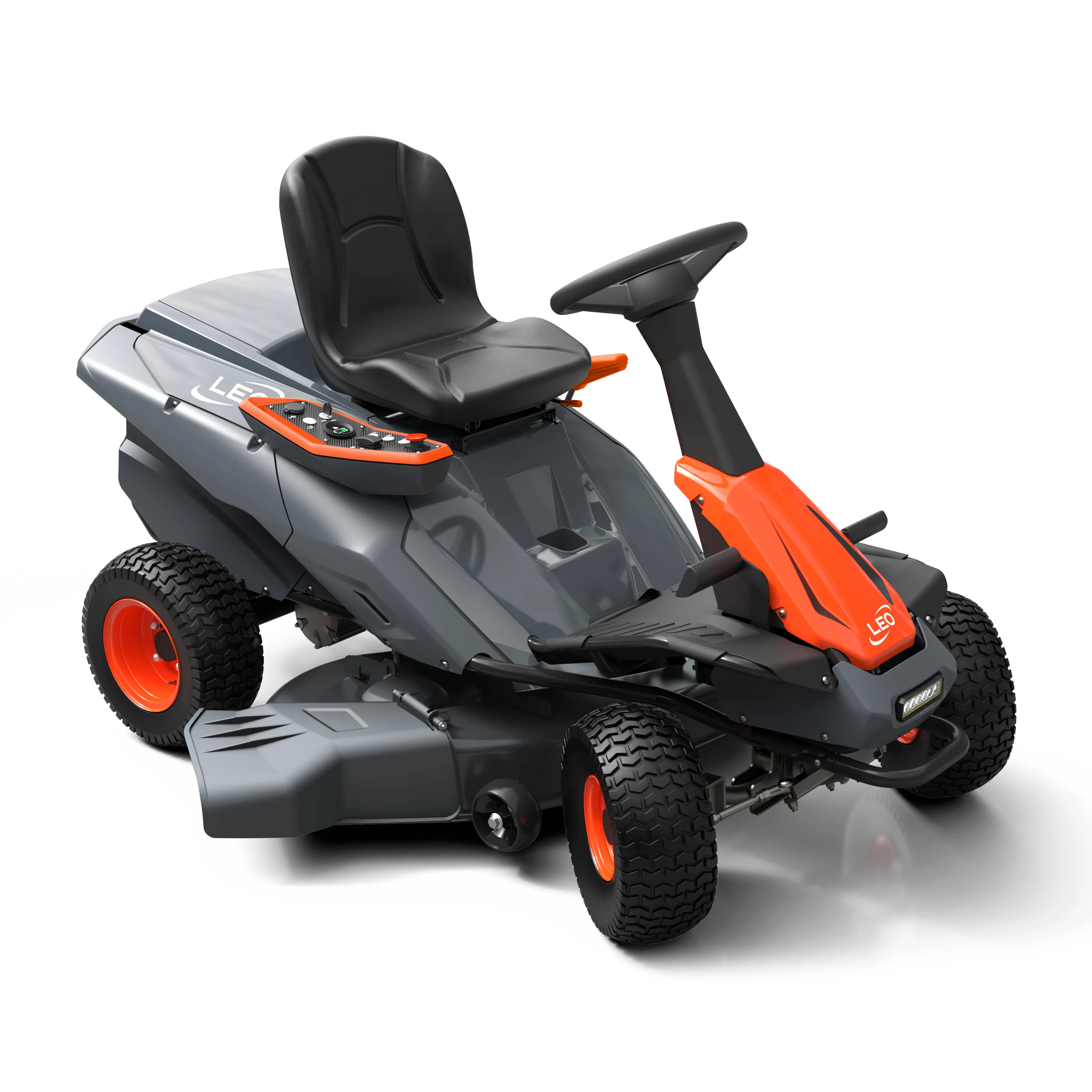
Why Ride-on Mowers Are Essential for Modern Commercial Landscaping
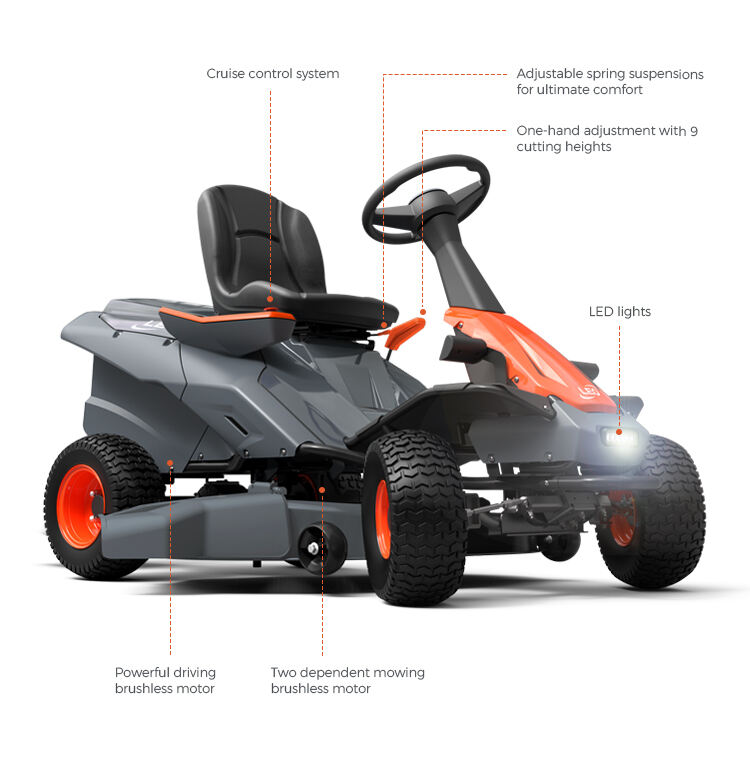
How labor cost reduction is accelerating mechanization in commercial landscaping
Commercial landscaping is seeing a big shift thanks to ride-on mowers that slash labor costs. Research indicates these machines can bring down expenses around 30% when compared to traditional walk-behind models, which explains why they're becoming must-have equipment for bigger operations. As wages keep climbing, many business owners are looking at mechanical solutions just to stay profitable. These riding mowers handle roughly 80% of all cutting work on most sites. That leaves workers free to focus on what really matters - things like neat edges, proper trimming, and creative landscape designs. The result? Better looking grounds maintenance across places like office complexes and city parks without compromising on quality throughout.
Market growth drivers: Efficiency, scale, and rising service expectations
What drives the commercial ride on mower market? Three main things really stand out: how efficient they are to operate, their ability to scale operations, and clients wanting those picture perfect lawns these days. These machines cover about 5 acres an hour easily, something no hand tools could ever match. With cities getting greener and customers expecting quicker turnaround times, being able to cut through work fast and reliably gives businesses an edge over competitors. Landscaping firms dealing with bigger properties and shrinking time frames find themselves relying heavily on ride ons. Many small business owners tell me the same story - without these machines, scaling up profits while keeping quality standards high would be almost impossible in today's market conditions.
Data insight: Projected CAGR of 6.8% in ride-on mower market through 2030 (Allied Market Research)
The numbers tell a clear story about how commercial landscapers are turning to ride-on mowers more and more. A report from Allied Market Research shows we're looking at around 6.8% growth each year for the ride-on mower market right up until 2030. Back in 2022, this sector was already worth nearly $5.56 billion, and experts think it'll hit about $7.8 billion before the decade wraps up. What does all this mean? Simply put, businesses across the landscaping world see ride-on technology not just as convenient but essential when dealing with growing customer requests without breaking their budgets. Competition is fierce out there, so investing in equipment that cuts down on labor costs while covering larger areas makes good business sense for many operators today.
Key Performance Factors: Power, Durability, and Cutting Efficiency
Power Source Comparison: Gas, Electric, and Hybrid for Different Operational Scales
The choice of power source really comes down to what kind of operation someone is running and where they stand on environmental concerns. For big commercial properties like golf courses or parks, gas mowers still dominate because they pack plenty of power and can run all day without needing to stop for charging stations. Electric alternatives have their place too though. They don't produce any exhaust fumes and are pretty quiet at around 75 decibels or less, which makes them great for cutting grass near apartment buildings or schools where noise complaints would be a problem. Some businesses go with hybrid models instead, getting the best of both worlds really. These machines offer the silent operation of electric but keep the staying power of gasoline engines, so they work well across different types of land and during longer workdays. The bottom line is that no single solution fits every situation, whether it's managing a huge residential subdivision or maintaining green spaces under strict local regulations.
Cutting Width, Engine Power, and Deck Durability Benchmarks for Professionals
Ride-on mowers built for professionals need to hit certain performance benchmarks to get the job done right. Most cutting decks measure anywhere from 42 up to 72 inches across. This wider cut means landscapers can cover more ground without making as many back and forth trips over the same area. For power, engines usually fall somewhere between 20 and 30 horsepower, which is plenty strong enough for everyday commercial work. The steel frames on these machines are also beefed up to stand up against constant grinding on rough terrain and paved surfaces. All these specs really matter when it comes to getting work done efficiently and keeping the mower running longer. Regular tune ups make all the difference too, since proper care cuts down on unexpected breakdowns and keeps money in the pocket instead of going toward repairs.
Dependability and Durability of Ride-on Mowers: Insights from Top Manufacturers
The best equipment makers put strength right into their components from day one. They use steel-reinforced frames, industrial strength transmissions, and materials that resist rust even when exposed to harsh conditions. These professional grade machines get put through their paces during extensive testing cycles designed to simulate years of non-stop work. Most come equipped with beefed up axles and bearings that are completely sealed against dirt and moisture getting inside. What really makes these units stand out over time though is how easy they are to maintain. Parts are readily available at most supplier locations, and critical service points are positioned where technicians can reach them without tearing apart half the machine. This means fleet managers can keep their operations going strong throughout all four seasons without worrying about unexpected breakdowns.
Ergonomic Design and Operator Productivity in Ride-on Mowers
The link between operator comfort and daily mowing efficiency
When operators are comfortable, they just plain get more done in commercial landscaping jobs. Better ergonomics means folks stay fresh about 40% longer according to some studies we've seen, so they can push through those long days without their cuts getting sloppy. Landscapers who aren't fighting back pain or wrist strain keep moving at a good clip all morning into afternoon, which really adds up when looking at how many properties need attention each week. Clients notice this too, especially come summer when everyone wants their lawn looking sharp for backyard barbecues and weekend getaways.
Key ergonomic innovations: Suspension seats, vibration damping, intuitive controls
The latest generation of ride-on mowers comes packed with some serious ergonomic upgrades that make all the difference for regular users. First off, most models now include suspension seats that let operators adjust the lumbar support according to their body type, which really helps when working over rough ground where back pain used to be almost inevitable. Another major improvement is found in the vibration damping technology these machines incorporate nowadays. According to recent research from Occupational Safety Journal (2023), this tech cuts down hand-arm vibrations by around 70% compared to older versions, significantly cutting down on long term health risks for workers who spend hours behind the wheel each day. Lastly, manufacturers have redesigned control panels to be much more intuitive, often including customizable buttons and displays so operators don't get bogged down figuring out controls while trying to navigate tricky landscaping situations or avoid obstacles mid-job.
Industry paradox: High productivity vs. long-term operator fatigue
The landscaping business still struggles with something pretty basic despite all the improvements in equipment power these days. Operators need to keep up with demanding work rates but also take care of their bodies. Modern mowers can tackle around 2 or 3 acres each hour, but there's a catch. All that back and forth movement plus constant vibrations from the machines leads to serious muscle and joint problems for many workers. According to recent data from the Bureau of Labor Statistics, these kinds of injuries make up about 30% of all workers' comp cases in the field as of 2023. Some forward thinking companies are starting to solve this problem though. They're putting better suspension systems into their machines and developing seats that actually respond to what's happening on the ground below. These innovations help reduce wear and tear on operators over time while keeping productivity levels where they need to be.
Innovations Shaping the Future: Electric, Autonomous, and Smart Ride-on Mowers
Battery-electric ride-on mowers reducing carbon footprint and noise pollution
Electric ride-on mowers powered by batteries are becoming increasingly popular as green alternatives that actually perform just as well as their gas counterparts. These machines don't emit any pollutants and run surprisingly quiet, usually below 75 decibels which means they won't disturb neighbors during those early morning cuts or late afternoon sessions around town. The power these electric models deliver is getting pretty close to what traditional engines offer, so many businesses have started adopting them for bigger jobs. Especially helpful in places with strict environmental rules or noise restrictions, these battery powered machines make sense both environmentally and operationally for commercial landscaping operations.
Charging infrastructure challenges and runtime limitations in heavy-duty use
Electric mowers definitely have their advantages but they just can't keep up with all day commercial work. Most models run for around 2 to 4 hours before needing another charge, which means crews often end up stopping mid job to recharge or swap batteries when tackling large properties. This becomes a real problem for landscaping teams out in remote areas where finding an electrical outlet isn't always possible. Manufacturers are trying to fix this issue with faster charging tech and batteries that snap in and out easily. Still, most businesses won't switch completely until they see better options for charging equipment right in the field without having to drag extension cords everywhere.
Semi-autonomous mowing technology improving precision and reducing errors
The rise of semi autonomous mowers is changing how commercial properties get cut. These machines rely on GPS and detailed maps to know where they're going, cutting down on wasted passes by around 30 percent according to field tests. That means less gas burned and faster completion times for grounds crews. What operators do is monitor things like unexpected obstacles and overall quality, letting the machine take care of actual steering and cutting patterns. This division of labor really cuts down on operator stress during long days out in the field. The end result? Much more consistent grass height throughout big areas like office complexes or city parks where uniformity matters a lot.
Navigation technologies like RTK-GPS and LiDAR enabling sub-inch accuracy
Modern navigation tech has taken commercial mowing to whole new levels of accuracy. The RTK-GPS system works by fixing those pesky satellite signal problems, getting down to within just a few centimeters. This means operators get straighter lines and cleaner edges all day long without having to constantly tweak things manually. Then there's LiDAR tech stepping in too. It creates really detailed 3D maps of the land, so the mower knows exactly how high to cut when going up hills or across bumpy spots. When both systems work together, they hit pretty much sub-inch accuracy. Commercial properties that care about presentation? They're seeing amazing results with these machines now doing what used to take hours of backbreaking work.
Smart systems in ride-on mowers for real-time efficiency and control
Smart systems built into modern equipment really boost performance when they can monitor things as they happen and make adjustments on their own. The sensors actually keep an eye on how hard the engine is working, what kind of grass there is, and what the ground looks like underfoot. Based on all these factors, the system will tweak how fast the machine moves along the ground and change the blades' rotation speed so the cut comes out just right every time. When telematics gets added into the mix, fleet supervisors gain access to where each machine is located, how much fuel remains in tanks, plus warnings about needed maintenance without ever having to leave their office. All this information paints a clear picture of where routes could be optimized or schedules adjusted, which means contractors can keep getting better results at different job locations month after month.
Fleet management and telematics integration for large-scale operations
Telematics is now essential for businesses running several crews across different properties. The technology gives managers immediate information about how equipment gets used, what operators are doing behind the wheel, and when services need to happen. Instead of waiting for scheduled maintenance dates, these systems trigger work orders based on actual engine runtime, which cuts down unexpected breakdowns and keeps assets working longer. Looking at the data helps companies figure out if they need more trucks or fewer, where to deploy them most effectively, and what kind of training staff might require. Most operators find that their bottom line improves significantly once they start making decisions backed by solid telemetry data instead of guesswork.
Buyer’s Guide: Choosing the Right Ride-on Mower for Commercial Use
Multi-functional attachments: Expanding utility with mowing, mulching, and snow removal
Commercial ride-on mowers really shine when it comes to versatility thanks to all sorts of attachments that can be swapped out. Most pro grade machines work with different tools like mulching kits, bagging systems, and even snow blades so they handle everything from spring cleanup to winter snow removal. This means less need to buy separate gear for different seasons, which saves money upfront and takes up less space in storage sheds or garages. According to landscaping companies across the country, those who invest in these multi-tool systems tend to get about 30 percent more use out of their machines each year compared to folks with single purpose equipment. That kind of usage boost makes a big difference in getting value back from such expensive purchases.
Productivity gains from rapid attachment switching in seasonal markets
For places where seasons really change up things, being able to switch attachments fast keeps operations running smoothly throughout the year. Take hydraulic quick connect systems as an example they allow equipment operators to swap out tools in just a few minutes flat. Think about it when moving from cutting grass to picking up leaves or even clearing snow off roads. These kinds of systems cut down on lost time between different jobs. When crews can respond quickly to whatever Mother Nature throws at them next, whether its sudden rain or unexpected snowfall, they stay ahead of customer needs and actually make more money across all four seasons instead of just part of them.
Top companies in the ride-on mower industry: John Deere, Toro, Husqvarna, Kubota, Cub Cadet
In the world of commercial ride-on mowers, John Deere, Toro, and Husqvarna stand out as top contenders with their tough, reliable machines built for serious work. These brands offer cutting decks that really perform, engines with plenty of punch, and attachments that fit most any job site need. Then there's Kubota and Cub Cadet too, which have earned their stripes on tough turf like golf course fairways and city parks where equipment gets put through its paces daily. For anyone buying into this gear, good dealer relationships matter a lot. Parts need to be easy to get when something breaks down, and solid warranty coverage can save headaches later on. After all, nobody wants their crew stuck waiting while the machine sits idle.
FAQ
Why are ride-on mowers essential for commercial landscaping?
Ride-on mowers are essential for commercial landscaping because they reduce labor costs significantly, covering large areas quickly and efficiently. They allow workers to focus on detailed work like trimming and edging, thereby improving overall landscape quality.
What are the power source options for ride-on mowers?
Ride-on mowers can be powered by gas, electricity, or hybrid systems. Gas mowers offer high power and long duration but may produce emissions. Electric mowers are environmentally friendly and quieter but have limited runtime. Hybrid mowers offer the benefits of both options.
What ergonomic features are important in ride-on mowers?
Important ergonomic features include suspension seats, vibration damping technology, and intuitive control panels. These features improve operator comfort, reduce fatigue, and enhance productivity during long workdays.
What innovations are shaping the future of ride-on mowers?
Innovations include electric and autonomous mowers that reduce environmental impact and improve precision. Smart systems and telematics also contribute to real-time efficiency and control in large-scale operations.
Which companies are leading in the ride-on mower industry?
Leading companies in the ride-on mower industry include John Deere, Toro, Husqvarna, Kubota, and Cub Cadet. They are known for their reliable machines with high-performance specifications.
Table of Contents
- Why Ride-on Mowers Are Essential for Modern Commercial Landscaping
- Key Performance Factors: Power, Durability, and Cutting Efficiency
- Ergonomic Design and Operator Productivity in Ride-on Mowers
-
Innovations Shaping the Future: Electric, Autonomous, and Smart Ride-on Mowers
- Battery-electric ride-on mowers reducing carbon footprint and noise pollution
- Charging infrastructure challenges and runtime limitations in heavy-duty use
- Semi-autonomous mowing technology improving precision and reducing errors
- Navigation technologies like RTK-GPS and LiDAR enabling sub-inch accuracy
- Smart systems in ride-on mowers for real-time efficiency and control
- Fleet management and telematics integration for large-scale operations
- Buyer’s Guide: Choosing the Right Ride-on Mower for Commercial Use
- FAQ