
 EN
EN
Ride-On Mower Engine Won't Start: Diagnosing Fuel, Air, and Ignition Issues
Symptom: Engine cranks but won’t start despite spark plug function
If the engine on a ride-on mower turns over fine but just won't catch fire even though we've checked the spark plugs work okay, chances are good the problem isn't with the ignition system at all. The basic rule about combustion still holds true though there are three things needed for it to happen right: enough fuel mixed properly, plenty of air getting through, and sparks happening when they should. We already know the spark works so let's zero in on what's going on with the fuel first. According to some recent studies around 40-odd percent of times when small engines refuse to start, it turns out the gas was old or got messed up somehow (this comes from the Small Engine Repair Journal folks back in 2023). Don't forget to check that air filter too because when it gets dirty or blocked, it cuts off the oxygen supply needed for combustion. This happens quite often after mowers sit unused for months or get worked hard in places where dust kicks up everywhere.
Core Principle: The combustion triad—ensuring proper fuel, air, and spark alignment
For an engine to kick in and keep running smoothly, those three essentials - fuel, air, and that little spark - need to work together just right. Sometimes folks forget this when troubleshooting their machines. Even if the spark plug looks good, getting the mix of fuel and air wrong will stop the whole show. When there's too much air mixed with not enough fuel (what mechanics call a lean condition), the engine simply won't turn over. But go the other way with too much fuel (a rich mixture) and the engine gets flooded instead. The latest findings from engine performance studies back this up: keeping air filters clean and using fresh fuel that hasn't broken down over time makes all the difference in how well the engine breathes and delivers power consistently. Ride-on mowers especially struggle with these issues since they bounce around different terrains and handle varying amounts of grass cutting load throughout the day.
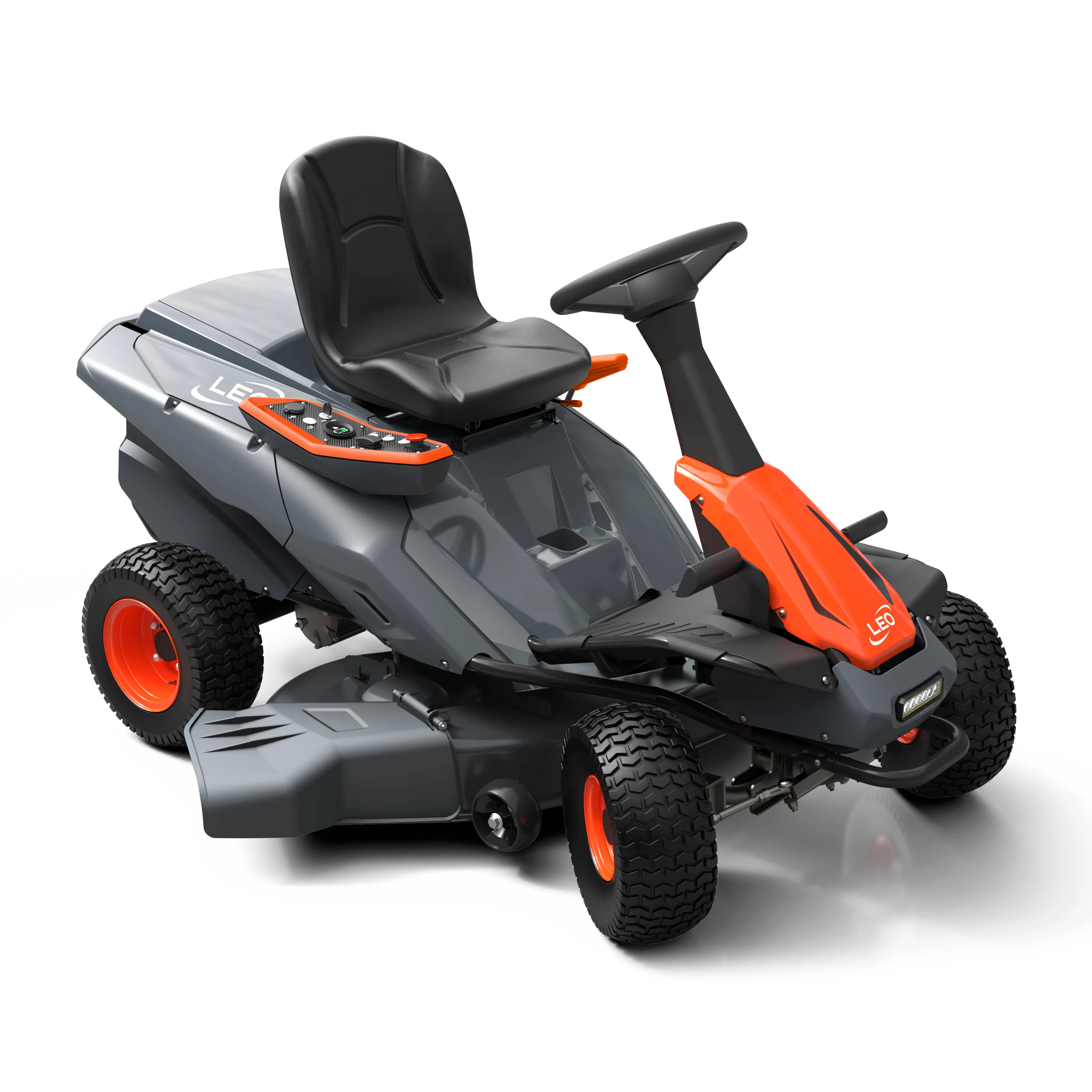
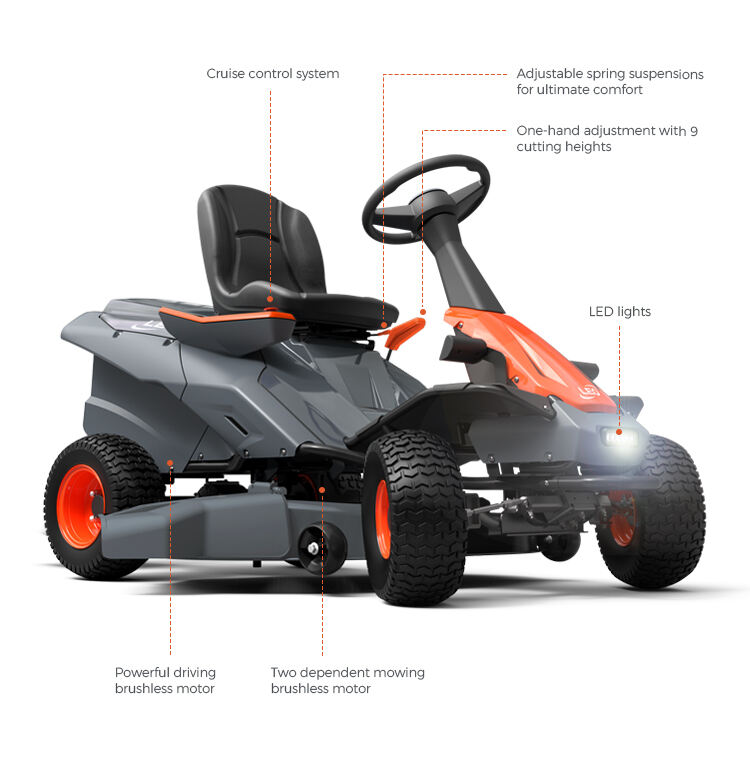
Case Study: Fixing a no-start issue caused by stale fuel in Zhejiang Leo Rideon Mower models
Several different Zhejiang Leo ride on mowers had plenty of cranking power and definitely showed spark at the plugs, yet still wouldn't fire up. The problem turned out to be bad ethanol mixed gas that had sat too long. As months passed, this fuel started forming those sticky gummy deposits we all know about, which ended up blocking the tiny holes in carburetors and choking off fuel flow through the lines. Mechanics fixed most cases by getting rid of the old fuel first, then blowing out the carb with compressed air, and swapping in new fuel filters when needed. According to recent repair data from Small Engine Case Studies in 2023, these fixes got things running again right away for nearly nine out of ten machines. So if your stored equipment won't start despite looking good otherwise, check the fuel quality before assuming anything's wrong with the ignition system.
Proven Strategy: Step-by-step diagnostic checklist for ignition failure with confirmed spark
Follow this systematic approach when your ride-on mower has spark but won’t start:
- Verify fuel quality: Drain and replace fuel older than 30 days, checking for water contamination or phase separation
- Inspect fuel delivery: Check for clogged filters, kinked lines, or faulty fuel pumps that restrict flow
- Examine air intake: Remove and clean air filters, ensuring no obstructions in the intake pathway
- Test compression: Low compression prevents proper combustion even with fuel, air, and spark present
- Check safety interlocks: Confirm seat, brake, and blade engagement switches are functioning correctly
This methodical process identifies which element of the combustion triad is failing, reducing unnecessary part replacements and saving diagnostic time.
Fuel System Failures: From Degraded Gas to Clogged Filters
Symptom: Engine starts but stalls quickly due to old or contaminated fuel
When a ride-on mower starts briefly before dying again, bad gas is usually behind the problem. Fuel sitting around for over a month tends to break down and creates gummy deposits that block fuel lines. Stuff like dirt particles, water contamination, or ethanol separation messes with the delicate balance between air and fuel required for proper engine operation. Sometimes engines will kick over because there's still some old fuel left in the carburetor bowl, only to cut out moments later since they can't get enough fresh fuel through damaged or clogged fuel delivery components.
Core Principle: Importance of clean, stabilized fuel for consistent Rideon Mower performance
Having clean, stable fuel matters a lot for engines to run properly. The way fuel burns relies on it being broken down into tiny particles, so when there are impurities mixed in, it affects how much power comes out and shortens the life of the engine itself. Research indicates that dirty or old fuel can cut down on engine performance somewhere around 15%, plus make the vehicle burn through fuel at about 10% higher rate than normal. Keeping track of fuel quality means using stabilizers and doing routine checks on equipment. This helps keep those small parts inside the system working right, which stops things like sudden stalling, rough running, or incomplete burning that wastes fuel and creates extra emissions.
Preventive Solution: Using fuel stabilizers and performing system flushes after storage
Want to avoid those frustrating fuel problems? A little preventive maintenance goes a long way. When putting away the lawn mower for storage longer than a month, don't forget to mix in some fuel stabilizer first. This helps stop the gas from going bad and keeps it ready to burn properly. If the machine will sit unused for extended periods, it's smart to drain all the old fuel completely. Then give the whole system a good cleaning out - get rid of any gunk buildup in the tank, fuel lines, and especially around the carburetor where deposits love to collect. Don't overlook changing the fuel filter either. Most folks find replacing it once a year works well, though if they run their equipment frequently, doing it after about 50 hours makes sense too. Clean fuel means smoother operation without unexpected stalls, saves wear on parts like the fuel pump, and ultimately keeps the engine running strong for many seasons ahead.
Carburetor and Electrical Issues Affecting Ride-on Mower Reliability
Carburetor Problem: Rough running or uneven idling due to clogs
When a carburetor gets clogged, it usually causes problems like rough running or an uneven idle. Stale fuel builds up along with all sorts of debris that ends up blocking those tiny jets and passages inside. This mess throws off the delicate balance between air and fuel. The telltale signs are pretty obvious too – engines tend to sputter, stall when working hard, and sometimes even puff out black smoke from the exhaust pipe. Mechanics see this issue all the time. According to industry numbers, around 70 percent of small engine repair jobs actually revolve around cleaning carburetors. That makes it by far the number one reliability headache for owners of ride-on mowers across the country.
Fix Strategy: Cleaning jets and adjusting idle mixture screws on Rideon Mower carburetors
To restore proper fuel delivery, remove and disassemble the carburetor carefully. Use carburetor cleaner and compressed air to dissolve varnish and clear blocked passages. Reassemble with new gaskets and adjust the idle mixture screw according to manufacturer specifications. Regular cleaning prevents recurring clogs and maintains peak performance.
Electrical Failure: Clicking noise without crank—diagnosing battery and solenoid issues
When there's a clicking sound coming from the car but the engine won't crank over, chances are we're dealing with some kind of electrical problem somewhere. The most common culprits? A dying battery, those greenish corrosion buildups on the battery posts, or maybe something wrong with the starter solenoid itself. Check out the battery voltage first thing. If it reads under 12.4 volts, then either jump start time or it's probably going to need a new battery soon enough. Don't forget to clean off those battery terminals properly too since even a little bit of dirt can cause all sorts of problems with conductivity. Now if the solenoid still makes that annoying click but nothing happens with the starter motor, well folks, that usually means replacement parts are in our future. Fixing these kinds of things before they get worse saves everyone headaches down the road when trying to get the vehicle started again after sitting for days.
Battery Care: Testing voltage, cleaning terminals, and charging best practices
Regular voltage checks once a month go a long way toward keeping batteries healthy. When fully charged, most car batteries will show around 12.6 to 12.8 volts on a multimeter. Don't forget to clean those terminals too. Grab a stiff wire brush from the hardware store and scrub away any greenish buildup that forms over time. Corrosion can really mess with voltage readings and cause problems down the road. For vehicles sitting idle for weeks or months, it's important to keep the battery topped off at all times. Hook up a smart maintainer charger instead of letting it sit dead. This helps avoid sulfation which basically eats away at battery plates when left uncharged for extended periods. Following these simple steps means fewer surprises when trying to start the engine and saves money by extending how long the whole system lasts.
Blade and Drive System Problems Reducing Cutting Efficiency
Symptom: Blades Won’t Engage or Cut Poorly Despite Engine Power
If the engine on a ride-on mower sounds fine but the blades just aren't cutting right or won't engage at all, chances are good there's something wrong with how the power gets transferred from the engine to the blades. Blades that have gotten dull over time or suffered damage tend to rip through grass rather than make clean cuts, which leaves lawns looking patchy and puts extra stress on the engine itself. The whole situation wastes more fuel than necessary while also wearing down parts faster than they should. According to some industry data we've seen, around 30% of all complaints about poor mower performance actually trace back to problems with the blades themselves, according to the 2024 Landscape Equipment Study report.
Mechanical Cause: Belt Tension, PTO Engagement, and Blade Balance Issues
When it comes to getting good results from those blades, there are several mechanical issues that really matter. Drive belts that are loose or showing wear tend to slip when things get heavy, which means less power actually reaches where it needs to go. Then there's the PTO system Power Take-Off if this part isn't working right, the connection between engine and blades might be incomplete at best. And don't forget about balance problems either unbalanced blades cause all sorts of trouble including annoying vibrations and cuts that just aren't consistent across the board. To keep everything running smoothly, check those belts regularly, make sure the PTO clutch engages properly, and always verify that blades are balanced correctly before starting up again.
Repair Example: Replacing a Worn Drive Belt Causing Weak Blade Rotation
One of those regular fixes gardeners need to do is swapping out a stretchy or worn drive belt when the blades start spinning slowly. When these belts get old, they just can't hold onto the pulleys anymore, so the blades don't respond properly during operation. To fix this issue, first loosen the tension mechanism, take off the damaged belt, put in a new one specified by the original equipment manufacturer, then adjust how tight it sits according to what the manual says. Getting this right brings back all that cutting power we expect from our machines while stopping that annoying slippage effect which makes lawn cuts look uneven and messy over time.
Maintenance Tip: Routine Inspection of Belts, Pulleys, and Mandrels
Prevent failures through regular inspection. Check belts every 25 operating hours for cracks, fraying, or glazing. Inspect pulleys for wear grooves and free rotation. Examine mandrels (spindle assemblies) for smooth operation and absence of play. Clear debris after each use—accumulated grass clippings contribute to overheating and premature wear.
Unusual Noises and Vibration: Early Signs of Mechanical Wear
Symptom: Rattling, humming, or grinding noises during operation
When a ride on mower starts making strange noises, it usually means something is wearing out inside. A rattling sound typically comes from parts that have come loose or mounts that are going bad. If there's a constant hum coming from somewhere, that might be a sign of problems with bearings. And then there's the grinding noise most people dread hearing it usually happens when blades hit something they shouldn't or when spindle bearings are getting too worn down. Most of these sounds will also come with some kind of vibration that makes itself felt through the handlebars. Catching these early warning signs can save owners from dealing with major breakdowns later on.
Diagnostic Guide: Linking sound types to failing components (bearings, mounts, blades)
The sounds we hear often tell us what's wrong. When there are high pitch vibrations going on, this generally means bearings are starting to wear out. If something starts rattling around unpredictably, chances are good that some bolts have come loose or parts aren't sitting right where they should be. Vibration issues stand out as one of the main red flags technicians look for during maintenance checks. These vibrations follow certain patterns that can point directly to problems like things being out of alignment, parts not balanced properly, or just plain old wear and tear over time. And then there's that rhythmic grinding noise that comes at exactly the same rate as blades spinning around. Most of the time, this kind of sound means either the blades themselves are damaged or those mandrel bearings are about to give way.
Inspection Strategy: Isolating vibration sources and checking critical wear points
To start checking things out, run the lawnmower with the blades turned off first so we can figure out if the shaking comes from the engine itself. Once that's done, put the blades back in but keep the machine still to take a look at how the drive system works. Pay attention to those spindle bearings, check if the belts are tight enough, and see whether the blades are balanced properly. When someone does these regular checks, they can spot when bearings start wearing down just by feeling the vibrations. Catching this early saves money on big fixes later and means the whole setup lasts much longer than it otherwise would.
FAQ Section
What should I check first if my mower won't start?
If your mower won't start, check the fuel quality first. Drain and replace fuel older than 30 days, inspect for blockages in fuel lines, and ensure air filters are clean.
How can I prevent carburetor clogs?
Regular maintenance is key to preventing carburetor clogs. Clean your carburetor annually, use fuel stabilizers, and ensure fuel is fresh and uncontaminated.
Why is fuel stabilizer important for mower maintenance?
Fuel stabilizer prevents fuel from degrading over time, reducing problems caused by stale fuel. It helps maintain engine performance and prevents breakdowns.
How often should I inspect drive belts?
Inspect drive belts every 25 operating hours for damage such as cracks and glazing, and replace them as recommended by the manufacturer to ensure efficient engine power transfer.
Table of Contents
- Fuel System Failures: From Degraded Gas to Clogged Filters
-
Carburetor and Electrical Issues Affecting Ride-on Mower Reliability
- Carburetor Problem: Rough running or uneven idling due to clogs
- Fix Strategy: Cleaning jets and adjusting idle mixture screws on Rideon Mower carburetors
- Electrical Failure: Clicking noise without crank—diagnosing battery and solenoid issues
- Battery Care: Testing voltage, cleaning terminals, and charging best practices
- Blade and Drive System Problems Reducing Cutting Efficiency
- Unusual Noises and Vibration: Early Signs of Mechanical Wear
- FAQ Section