
 EN
EN
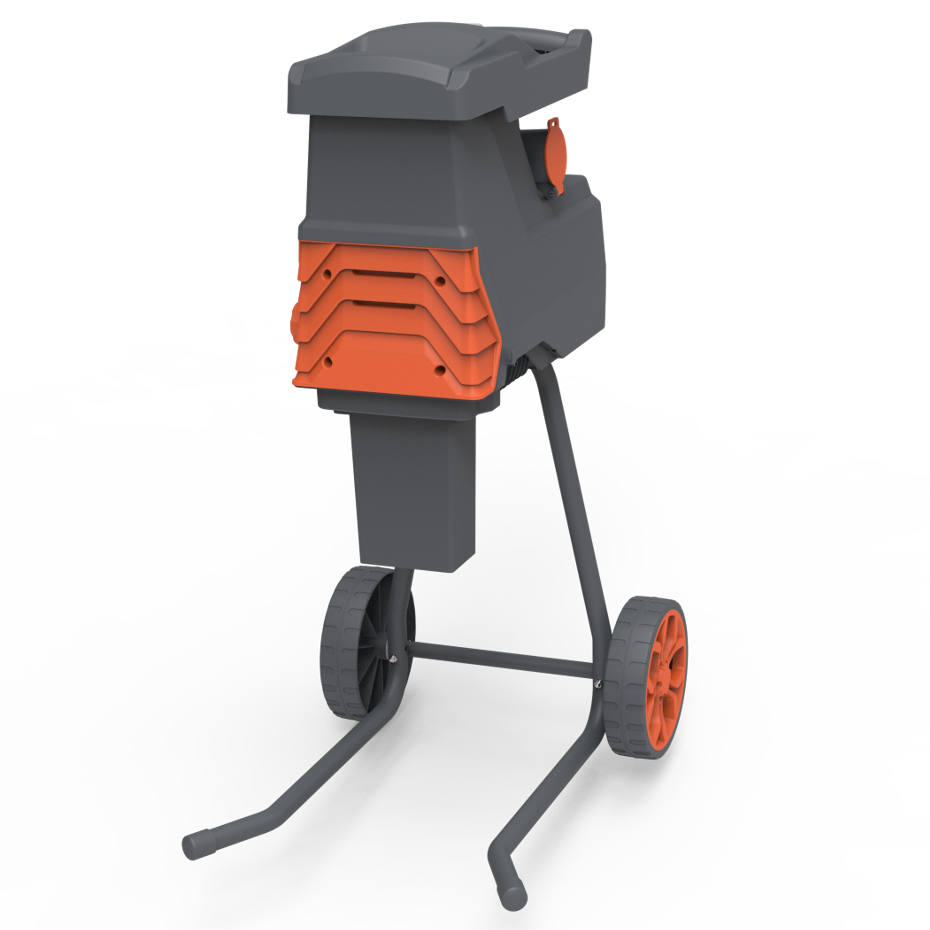
How the Silent Branch Chipper Achieves Industry-Leading Noise Reduction
Dual-Dampening Enclosure and Brushless Motor Design
What makes the Silent Branch Chipper so quiet? Two clever engineering tricks work together to cut down on noise. The machine has a special enclosure with multiple layers of sound absorbing material that grabs about 15 to 20 decibels worth of vibrations right at the source instead of letting all that noise escape from an open frame. Another smart feature is the brushless motor design which gets rid of the annoying friction sounds from traditional carbon brushes while still providing steady power thanks to some neat electromagnetic adjustments. Inside, everything is carefully balanced to stop unwanted resonances, so most of the structural noise never gets a chance to spread around. Most regular chippers just let all their mechanical parts bang around freely, creating way more noise than necessary. The Silent Branch takes a completely different approach by tackling the problem at its root rather than covering it up after the fact.
Real-World Decibel Drop: From 102 dB to 68 dB in Residential Landscaping
Tests out in the field show what makes a difference in practice. When cutting through those 4 inch oak branches, standard chippers typically hit around 102 decibels, about as loud as a chainsaw roaring away. The Silent Branch model? It clocks in at only 68 dB, similar to someone talking normally across the room. That drop of 34 dB isn't just numbers on paper either. Most cities have noise limits set around 70 dB during the day, so this machine actually complies with regulations. Plus it focuses on reducing sound in the range from 63 Hz to 1 kHz, right where our ears pick things up best. Landscaping crews tell stories about finishing work in crowded neighborhoods without getting yelled at by residents. They can start their day earlier, get repeat business from happy clients, and even take jobs near places like schools and hospitals where quiet matters most.
Efficiency Performance of the Silent Branch Chipper Under Load
Throughput Advantage: 15% Higher Cubic Yard/Hour Despite Lower RPM
Even though it runs at slower RPMs, the Silent Branch Chipper actually processes about 15% more cubic yards per hour compared to regular models on the market today. The secret isn't just raw power but rather smart engineering choices. The blades are shaped in a special helical pattern that works really well with branches, and there's this clever feed system that keeps feeding material into the machine without getting stuck. This setup means cleaner cuts all around and saves energy because it doesn't waste power like those high speed machines do when they basically smash through stuff instead of cutting precisely. Running slower puts less strain on the parts inside, which helps maintain cutting force throughout operation. As a result, debris gets processed quicker and more evenly, plus the components last longer before needing replacement or maintenance.
Fuel Efficiency and Maintenance Savings Over 500 Operating Hours
After running for over 500 hours, the Silent Branch Chipper starts showing real money saving and eco-friendly benefits. The machine's smart combustion system works differently than standard models. Instead of just running at fixed RPMs, it actually changes how much fuel gets injected depending on what kind of workload it faces. This clever adjustment cuts fuel usage somewhere between 12 to 15 percent when compared with traditional machines. And there's another perk too: because the whole unit vibrates so little during operation, parts tend to last much longer. Bearings stay good about 30% longer than usual, we replace belts around 25% less frequently, and overall yearly maintenance expenses shrink by roughly 18%. All these improvements mean operators spend less time waiting for repairs and more time getting work done. Plus, everyone knows that spending less on maintenance means better bottom line numbers and smaller carbon footprint for landscape companies trying to do their part for the environment.
Practical Trade-Offs: Portability, Capacity, and Operational Fit
The Silent Branch Chipper does great at cutting down noise and running efficiently, but there are some compromises when it comes to how easy it is to move around, how much it can handle, and what kind of jobs it works best for. The special materials used to dampen sound definitely keep noise contained, but they also make the machine heavier compared to those open frame models we all know. On the plus side, it takes up less space overall which helps when working in cramped backyard situations. Most units have about 20 to 30 percent less capacity in their hoppers because manufacturers had to balance strength requirements with those noise control features. That means operators will need to empty them more often when dealing with large volumes of material, something to keep in mind before starting big projects.
Operational fit depends on site-specific priorities:
- Noise-sensitive zones–including schools, hospitals, and dense neighborhoods–gain outsized value from silent operation, even with modest capacity adjustments.
- Large-scale clearing projects with unrestricted access and minimal acoustic constraints benefit more from the raw throughput of traditional chippers.
- Mixed-use contractors often adopt a hybrid strategy: deploying the Silent Branch for suburban dawn/dusk work and retaining conventional units for rural or industrial applications.
Ultimately, the optimal choice hinges on evaluating local noise regulations, typical job volume, transport logistics, and long-term operational goals–not just peak specs.
FAQ Section
What makes the Silent Branch Chipper quieter than traditional models?
The Silent Branch Chipper uses a dual-dampening enclosure with sound-absorbing material and a brushless motor design to significantly reduce noise levels.
How does the Silent Branch Chipper's noise level compare to traditional chippers?
While standard chippers can reach noise levels of around 102 dB, the Silent Branch Chipper operates at approximately 68 dB under similar conditions.
Does the Silent Branch Chipper maintain efficiency despite its quieter operation?
Yes, it is about 15% more efficient in processing materials compared to traditional chippers due to its advanced engineering and design.
What are the cost benefits of using the Silent Branch Chipper?
The Silent Branch Chipper offers reduced fuel consumption and maintenance costs, leading to long-term financial savings and lower environmental impact.