
 EN
EN
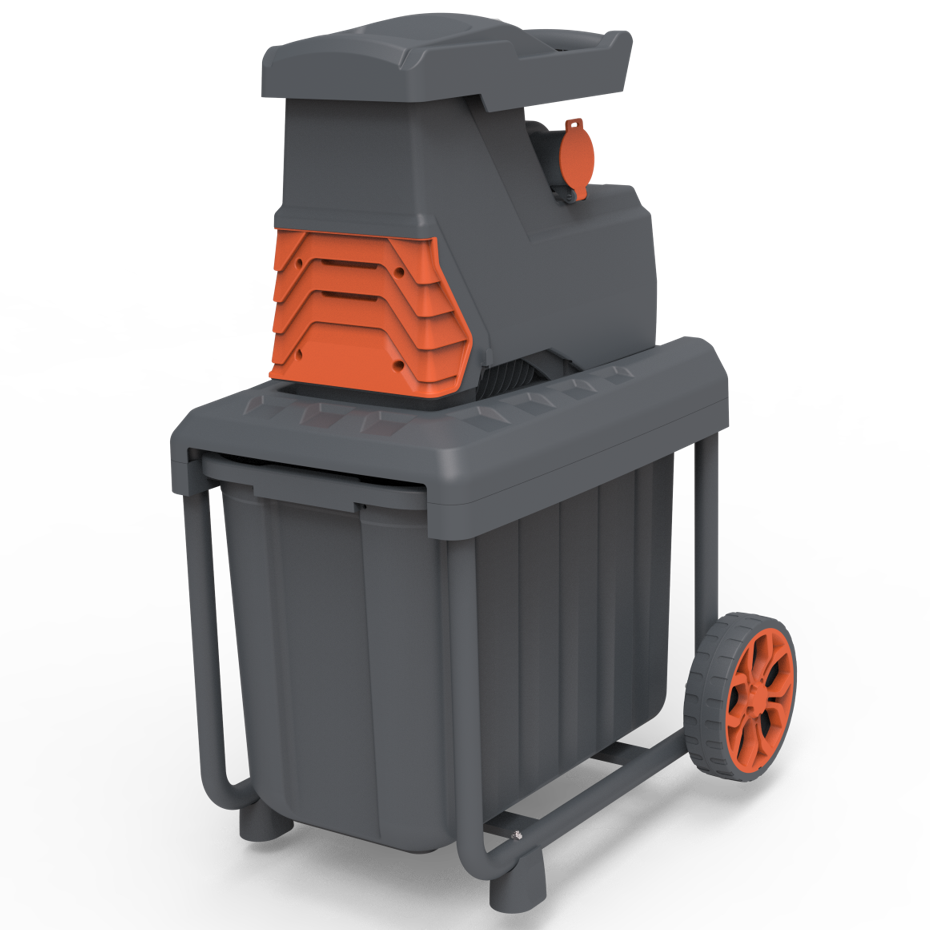
How the Silent Branch Chipper Achieves Industry-Leading Noise Reduction
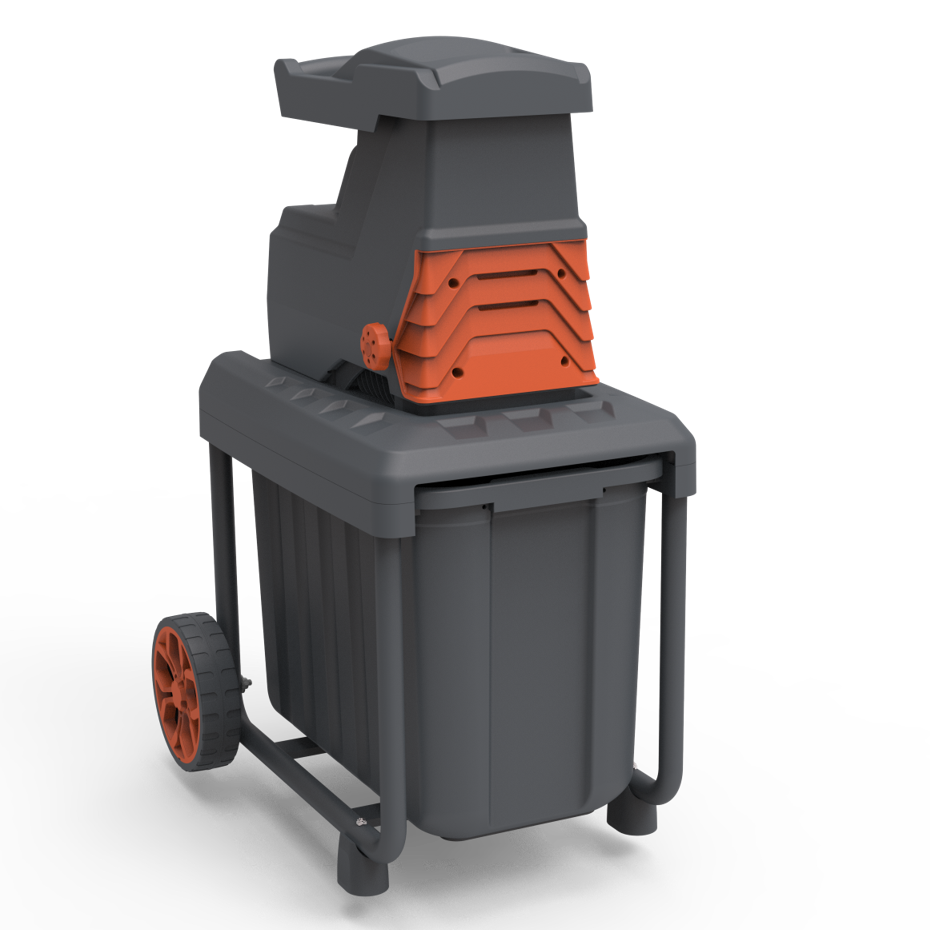
Decibel Comparison: Silent Branch Chipper (<68 dB) vs. Gas Chippers (95-105 dB)
The Silent Branch Chipper runs quietly at around 68 decibels, about as loud as someone talking normally across the room. Compare that to old school gas models which blast out between 95 and 105 dB noise levels similar to what you'd hear near a running motorcycle or operating power saw. That gap of over 30 dB matters a lot in terms of actual noise perception too remember each drop of 10 dB makes something sound half as loud to our ears. According to safety standards set by organizations like OSHA and NIOSH, being exposed to sounds louder than 85 dB for extended periods can damage hearing. So when we look at these numbers, it becomes clear why gas powered chippers are way past what's considered safe for regular use in neighborhoods or city environments where people actually want peace and quiet.
Key Quiet Engineering Features: Brushless Motor, Vibration-Dampening Mounts, and Acoustic Housing
Three integrated engineering solutions enable the chipper's ultra-quiet operation:
- Brushless DC motor: Eliminates carbon brush friction and commutation noise, cutting mechanical hum by up to 40% versus brushed alternatives
- Triple-stage vibration mounts: Absorb 90% of operational resonance, preventing structure-borne noise transmission to ground or surrounding surfaces
- Composite acoustic housing: A proprietary foam-fiber matrix dampens airborne sound by 18 dB(A), with layered density gradients tuned to target mid-to-high frequency emissions
These features are not add-ons but foundational to the design-validated through ISO 3744-compliant sound testing in certified anechoic chambers.
Compliance Benefits: Meeting Urban Noise Ordinances and HOA Restrictions
The Silent Branch Chipper operates at around 68 dB at maximum output, which actually puts it well within most city noise regulations. Take New York for instance, where they've got that Local Law 113 from 2023 limiting daytime noise to just 45 dB in residential areas. Even stricter places like Los Angeles only require machines to stay below 65 dB during the day. And let's not forget about those Homeowners Associations either. According to a recent survey by the Community Association Institute in 2023, nearly 8 out of 10 HOAs across the US are cracking down on equipment noise levels, wanting everything under 70 dB when folks are awake. So when using our chipper, property managers don't have to worry about getting slapped with fines, dealing with angry neighbors knocking on their doors, or having to schedule work around odd hours. The machine simply runs reliably throughout the entire day without causing any headaches for anyone involved.
Operational Efficiency of the Silent Branch Chipper: Throughput, Capacity, and Consistency
Throughput & Reduction Ratio: Real-World Metrics (e.g., 8-12 kg/min, 10:1 avg. reduction)
This chipper consistently handles between 8 and 12 kilograms every minute, maintaining around a 10 to 1 reduction ratio no matter what kind of organic material goes in. The reason? Blades that are machined with extreme accuracy and optimized for torque, plus a feeding mechanism that actually thinks on its feet when the workload changes. This means chips come out pretty much the same size each time, which works great for making compost, creating mulch, or preparing biomass for other purposes. Field tests conducted independently have found these machines complete their cycles about 30 percent faster than regular electric or gas powered alternatives. And here's the best part – workers get things done quicker while still getting high quality results at the end of the day.
Branch Handling Capability: Fresh, Dry, Twisted, and Multi-Node Limbs Up to 3.5" Diameter
Built to handle whatever comes its way in actual field conditions, this hardened steel cutting system gets through all sorts of wood without breaking a sweat. We're talking fresh green stuff, old growth oak, pine with knots galore, plus those tricky odd-shaped branches that nobody wants to deal with. Yep, even those gnarled, multi-tined branches as thick as 89 mm (about 3.5 inches) aren't a problem for it. The anti-snag feed rollers really hold on tight so things don't get stuck, and the special bearings cut down on vibrations when the load isn't balanced properly. Most electric chippers would stall out or bog down after a while, especially when running non-stop through different kinds of material. Not this one though. It keeps going strong throughout long work sessions with all sorts of mixed lumber, which is exactly what makes it stand out as genuinely tough equipment built for serious commercial use.
Electric Advantage: Energy Efficiency, Maintenance, and Total Cost of Ownership
Electric power brings three big benefits together: better energy efficiency, easier maintenance, and ultimately cheaper costs over time. The brushless electric motors we're seeing today actually turn around 90% of their energy into real work power. Compare that to those little gas engines which barely hit 25-30% efficiency when it comes to turning fuel into motion. At typical US electricity prices (around $0.12 per kWh), this efficiency gap really adds up, cutting energy costs by about 80% per hour of operation. What about maintenance? Forget about all those headaches with oil changes, replacing air filters, messing with spark plugs, cleaning carburetors, or dealing with fuel stabilizers. Real world testing has shown landscapers spend roughly 60% less time on scheduled maintenance compared to their gas counterparts. When looking at total costs over five years, electric equipment comes out ahead by about 40%. Why? No fuel expenses, hardly any parts to replace, and machines staying online about 95% of the time without needing major engine work. For landscaping crews running multiple pieces of equipment daily, these savings translate into steadier budgets, getting more work done with existing assets, and far fewer times when equipment sits idle waiting for repairs.
Field Validation: Silent Branch Chipper Performance in Urban Landscaping Operations
Manufacturer Deployment: 3-Month Data on Noise Compliance, Uptime, and Output Stability
No maintenance interventions were required, even when processing mixed batches of fresh, dry, and multi-node branches up to 3.5" diameter. The results affirm its readiness for noise-sensitive, high-frequency urban operations—where reliability, regulatory alignment, and community relations are non-negotiable.
FAQ
How quiet is the Silent Branch Chipper compared to other chippers?
The Silent Branch Chipper operates at around 68 decibels, which is significantly quieter than traditional gas chippers that run between 95 and 105 dB.
Can the Silent Branch Chipper handle large branches?
Yes, the Silent Branch Chipper is designed to handle branches up to 3.5 inches in diameter, including fresh, dry, twisted, and multi-node limbs.
Is the Silent Branch Chipper compliant with urban noise ordinances?
Yes, its operation at 68 dB is within compliance of most urban noise regulations, enabling use without worrying about fines or restrictions.
Table of Contents
- How the Silent Branch Chipper Achieves Industry-Leading Noise Reduction
- Operational Efficiency of the Silent Branch Chipper: Throughput, Capacity, and Consistency
- Electric Advantage: Energy Efficiency, Maintenance, and Total Cost of Ownership
- Field Validation: Silent Branch Chipper Performance in Urban Landscaping Operations
- FAQ