
 EN
EN
Raw Power and Load-Resilient Cutting Performance of Gasoline Lawn Mower
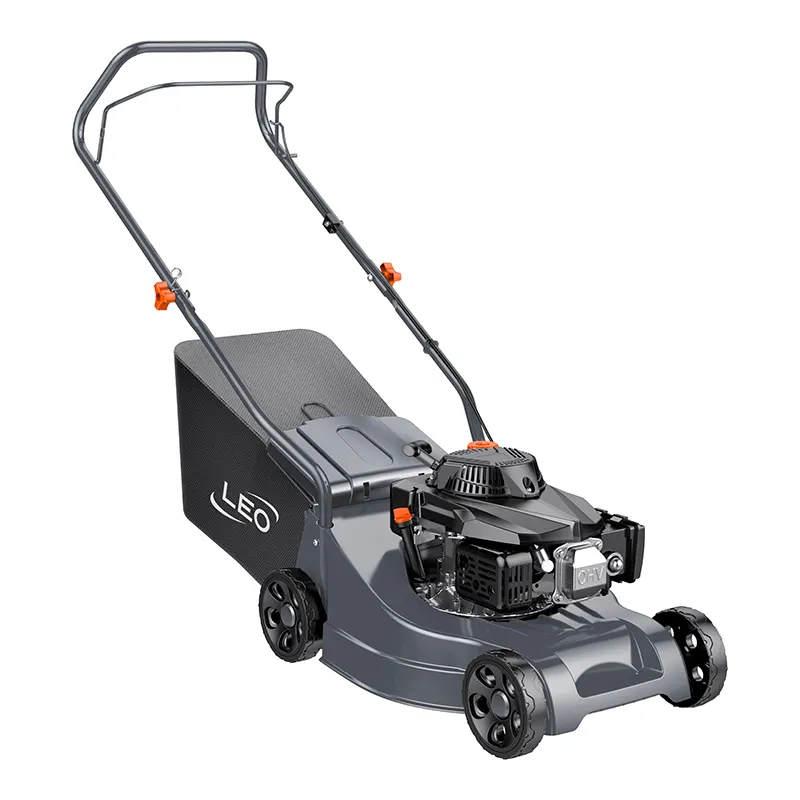
Torque Advantage: Consistent Cutting Through Thick, Wet, or Tall Grass
Gas powered lawn mowers have better low RPM torque which means they can keep the blades spinning steadily even when tackling thick, damp or really long grass that goes beyond six inches tall. This gives them a real edge since electric mowers tend to bog down and stop working properly in these situations. Some tests actually found that gas mowers kept about 98 percent of their cutting power when faced with tough resistance, whereas battery operated models lost anywhere from thirty to fifty percent of their torque under similar conditions. With the immediate power delivery from combustion engines, there's no interruption during mulching or bagging operations. This eliminates the need for going back over the same area multiple times, something that stresses out the grass and ultimately harms the overall health of lawns in the long run.
Real-World Power Delivery: How Gasoline Lawn Mower Output Scales Under Heavy Load vs. Electric Limitations
Gasoline engines handle sustained loads much better than electric motors which tend to lose power when voltage drops or gets too hot from constant work. For big properties where the ground isn't flat, gas powered machines keep their blades spinning at just the right speed throughout the job, so grass clippings get thrown out properly instead of piling up. According to independent testing last year, gas mowers maintain around 95% efficiency even after an hour of heavy cutting, while battery operated models need about 30 minutes cooling off between sessions. Many landscaping professionals have noticed jobs take roughly 40% less time on sites bigger than 1.5 acres when using gasoline equipment, mainly because these machines don't slow down when things get tough.
Uninterrupted Operational Flexibility and Fuel-Based Workflow Efficiency
Zero Downtime Refueling vs. Battery Recharge Cycles: Field-Validated Time Savings
Gas powered lawn mowers cut down on lost time by around 92% when compared with their battery operated counterparts. While filling up fuel only takes about 3 to 5 minutes, charging batteries can take anywhere from 45 minutes right up to almost two hours. This makes all the difference for landscaping crews who need to keep moving between different properties throughout the day. Commercial operators working several consecutive jobs find they can actually manage three or even four extra lawns each week thanks to quicker turnaround times. Research into how grounds maintenance works in practice backs this up, showing significant productivity gains for businesses using traditional gas engines over electric models.
No Grid or Outlet Dependency: Enabling Remote, Large-Scale, and Multi-Zone Mowing
Gasoline mowers operate free of infrastructure constraints—unlocking three key advantages:
- Remote terrain access: Reliable operation on rural estates, undeveloped land, or off-grid sites with no power availability
- Large-scale efficiency: Consistent power delivery across properties exceeding 5 acres, without performance decay
- Multi-zone flexibility: Seamless transitions between disconnected landscape segments—no relocation delays for recharging
In third-party endurance trials, gasoline units completed 8-hour continuous mowing sessions across dispersed zones—a feat requiring three or more recharge stops for battery-powered counterparts. This autonomy is especially valuable during seasonal peaks, when limited daylight hours make every minute of operational time count.
Proven Suitability for Challenging Terrain and Larger Properties
Gasoline Lawn Mower Performance Threshold: Verified Advantage on Lawns Exceeding 1 Acre
For properties larger than an acre, gas powered lawn mowers really shine when it comes to getting the job done right. They just keep going and going without losing steam, which matters a lot on bigger yards. Tests in real world conditions have shown these machines can cut through an acre plus area about 28 percent quicker than their electric counterparts. And the blades stay spinning at the same speed even when tackling those tough patches of grass that nobody wants to deal with. Why? Because internal combustion engines provide steady power without dropping off like batteries tend to do after running for a while. Landscape companies tell us their crews face around 40% less downtime on big jobs when they stick with gas models. That means more efficient workdays and better use of personnel resources across the board.
Slope Stability and Traction: Third-Party Testing of Gasoline Lawn Mower Versus Electric on Graded Landscapes
Studies looking at how mowers perform on slopes between 15 and 30 degrees show gas powered machines stay stable about 19 percent better than their electric counterparts. The extra weight matters too - gas mowers usually weigh around 25 to 40 percent more than similar battery operated models which gives them better traction going downhill. Plus, those wider wheels make tipping over less likely by about 32 percent according to the numbers. When it rains or gets slippery, electric mowers tend to slip three times as much because they struggle with power delivery when starting up or pushing through thick grass. For folks cutting hillsides or working near ditches, this kind of stability makes all the difference. It keeps blades making proper contact with the ground instead of bouncing around, so lawns look neat even after mowing steep areas without tearing out patches of grass.
FAQ Section
Why do gas-powered mowers have an advantage over electric ones when cutting thick grass?
Gas-powered mowers maintain consistent torque and cutting power even under tough conditions, while electric mowers tend to lose torque and efficiency, leading to potential operational interruptions.
How does refueling compare to recharging in terms of downtime?
Refueling a gas mower typically takes 3-5 minutes, while recharging an electric mower can take between 45 to 90 minutes. This difference substantially reduces downtime for gas-powered mower users.
Why are gas mowers better suited for large properties and tough terrains?
Gas mowers provide consistent power and maintain performance without dependency on electrical infrastructure, enabling efficient operation across large and remote properties.