
 EN
EN
Engine Design Fundamentals: Why OHV Is the Gold Standard for Gasoline Lawn Mower Reliability
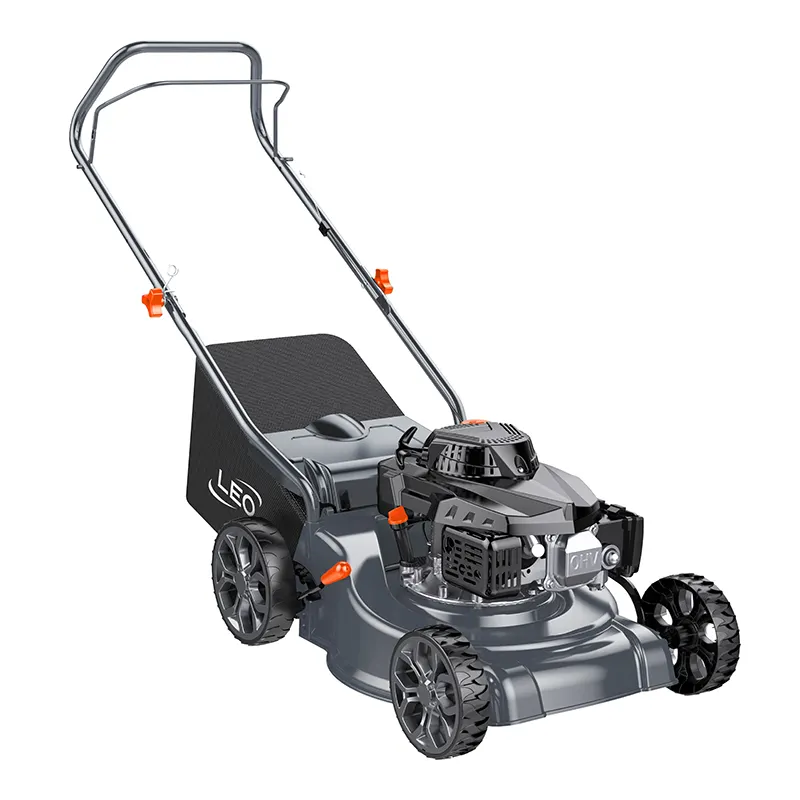
How Overhead Valve (OHV) Architecture Enhances Combustion Efficiency and Thermal Management
Gasoline lawn mowers powered by Overhead Valve (OHV) engines have become pretty much standard for their reliability because they manage combustion better and handle heat more effectively. With valves arranged vertically instead of horizontally like older Side Valve (SV) models, these engines get better airflow into where the fuel burns, which means the fuel actually burns more completely compared to those old school designs. What does this mean practically? Around 15 to maybe even 20 percent more torque when cutting grass, but interestingly enough, without using any extra fuel. Another big plus point: OHV engines tend to stay about 25 degrees Fahrenheit cooler than their SV counterparts. This temperature difference really matters because it puts less strain on important parts like pistons, piston rings, and cylinder heads. When things stay cooler, carbon buildup happens slower, oil doesn't break down as fast, and the engine maintains good compression for longer periods. Plus, the block design itself is more compact and sturdy, so it stands up better against vibrations that happen when mowing hills or bumpy ground. All these factors together lead to reliable starting in cold weather, consistent power throughout the job, and generally speaking, engines that last much longer before needing major repairs.
OHV vs. Side-Valve (SV): Field Data on 5-Year Failure Rates and Power Consistency
Field tests back up what many already suspect about OHV technology being better overall. A recent look at home lawnmower performance over five years showed something interesting: machines with OHV engines broke down 32% less often compared to similar models using standard V configurations. When it comes to keeping power, there's even bigger difference. After those same five years, OHV motors still had around 95% of their initial strength, whereas regular V engines lost about a quarter of theirs, ending up at only 78%. Why does this happen? Well, OHV designs come with tougher valve seats, shorter parts connecting everything together, and less heat buildup where fuel burns. These features stop problems like valves wearing away, metal bending under stress, or losing compression over time. Homeowners notice these advantages too. They spend less money on repairs, get steady cutting power whether tackling thick clover patches or thinning areas, and generally don't have to worry about their mower getting weaker season after season.
Real-World Reliability Drivers: Load Handling, Fuel System Integrity, and Cut Consistency
Thermal Stability and Vibration Resistance Under Extended Operation
Most gas-powered lawnmowers run hot stuff, sometimes hitting over 200 degrees Fahrenheit when cutting grass for half an hour or more on those sweltering summer days. When they stay that hot for too long, bad things happen inside. The piston rings can get scratched up, head gaskets start to break down, and the bearings supporting the crankshaft just plain wear out faster. And then there's all that vibration from running around on uneven ground. An imbalanced engine assembly makes bolts come loose quicker, wears down parts faster, and even messes with how the carburetor works properly. Better quality OHV engines fight off these problems by having flywheels that balance better, crankshafts made with computer-controlled machining, plus stronger mounts throughout the machine. Field tests actually back this up too. Mowers built with these improvements last about 40 percent longer before needing big repairs when pushed hard in hot conditions. So really, keeping things cool and stable mechanically isn't just nice to have it's essential if anyone wants their mower to keep working reliably season after season.
Clogging Resistance and Fuel System Degradation in Humid or Variable Conditions
Blended ethanol fuels like E10 and above can be real troublemakers in areas where humidity fluctuates throughout the seasons. What happens is ethanol pulls in moisture from the air, which leads to something called phase separation. Basically, water ends up settling at the bottom of fuel tanks and starts eating away at components like aluminum carburetors, brass jets, and those rubber diaphragms inside. Manufacturers have started putting better protections on newer mowers though. They now include sealed fuel lines, special filters that repel water, and fittings made from materials that resist corrosion. For folks living near coasts or places with lots of humidity, these improvements make a big difference. Studies show around 62% fewer problems with clogged parts compared to cheaper models. And it matters because even small amounts of gunk or particles messing with the fuel mixture will throw off cutting performance. That means no more sudden hesitations, unexpected stalls, or blades spinning unevenly when cutting through wet, thick grass patches.
Maintenance Discipline and Its Direct Impact on Gasoline Lawn Mower Longevity
Critical Intervals: Oil Changes, Spark Plug Replacement, and Fuel Stabilizer Use
Three maintenance actions form the foundation of long engine life:
- Oil changes every 25–50 operating hours (or annually, whichever comes first) prevent sludge formation and maintain hydrodynamic lubrication—critical for protecting cam lobes, lifters, and main bearings.
- Annual spark plug replacement, using OEM-spec or iridium-tipped plugs, ensures clean ignition and prevents misfires that erode power output by 15–30%.
- Fuel stabilizer use in every tank, especially before seasonal storage, inhibits ethanol-induced oxidation and gum formation in carburetors and fuel passages.
Together, these practices prevent 80% of avoidable failures—including seized pistons, fouled carburetors, and premature bearing collapse.
Cost of Neglect: Correlation Between Maintenance Adherence and Engine Lifespan (200–500+ Hour Range)
How long equipment lasts really depends on how well it gets maintained. Lawn mowers that get regular attention often run past 500 hours of operation, sometimes even hitting 700 hours with just basic maintenance checks. On the flip side, machines that sit ignored tend to break down way before they hit 200 hours. When oil breaks down over time, it creates extra friction inside the engine components, which can increase wear on bearings and ring grooves by around 70%. Putting off spark plug changes leads to carbon buildup that makes the engine work harder, sometimes doubling fuel consumption when things get bad enough. Forgetting about stabilizers causes stubborn deposits to form in the carburetor, requiring complete disassembly for cleaning at a cost of about $100 or more. Field technicians see this all the time: properly maintained OHV engines simply outlast their neglected counterparts by roughly 2.5 times. Equipment reliability doesn't come built in; it's something operators create through consistent maintenance practices.
Gasoline Lawn Mower vs. Alternatives: When Combustion Power Delivers Unmatched Reliability
When it comes to tough jobs where batteries just can't keep up, gasoline powered mowers still hold their own against corded and newer electric options. The combustion engines pack around 7.5 ft-lbs of torque, which is almost twice what most lithium ion models on the market today can manage according to TurfCare's latest report from 2023. What does this mean for actual mowing? Simply put, these machines maintain steady blade speed even when dealing with those frustrating patches of wet grass, thick weeds, or really long blades that tend to tangle everything up. Electric motors often struggle here, stalling out or slowing down dramatically. For folks with bigger yards over half an acre or so, especially if there are hills involved, lots of brush growing wild, or just generally rough ground to cover, gas mowers are pretty much the go-to solution. Battery operated equipment runs into all sorts of issues like limited runtime, needing somewhere to plug them in, and losing power capacity over time. Gasoline models don't have these headaches since they work completely independent of any charging infrastructure and keep going strong right up until the tank needs filling again. Plus, their better heat management means they stay cool during long periods of intense use something that causes many electric motors to shut down automatically when things get too hot. Anyone serious about getting their yard done no matter the weather, wanting to avoid constant interruptions, and looking for real cutting power will find that gasoline continues to be the gold standard for reliable performance in actual mowing scenarios.
FAQ
Why are OHV engines considered more reliable for gasoline lawn mowers?
OHV engines offer better combustion efficiency, reduced heat buildup, and improved structural integrity, leading to fewer breakdowns and longer-lasting performance compared to older side-valve models.
How do OHV engines reduce the need for repairs?
OHV engines have tougher valve seats, compact designs, and better thermal management, which contribute to lower wear and tear, consistent power, and reduced repair costs over time.
What maintenance practices are crucial for extending gasoline lawn mower lifespan?
Regular oil changes, annual spark plug replacements, and consistent use of fuel stabilizers are key practices that prevent 80% of avoidable failures and significantly extend mower lifespan.
How do gasoline mowers compare to electric or battery-powered mowers?
Gasoline mowers offer greater torque and power consistency, making them ideal for larger yards and more demanding conditions, whereas electric mowers may struggle with runtime and power loss.