
 EN
EN
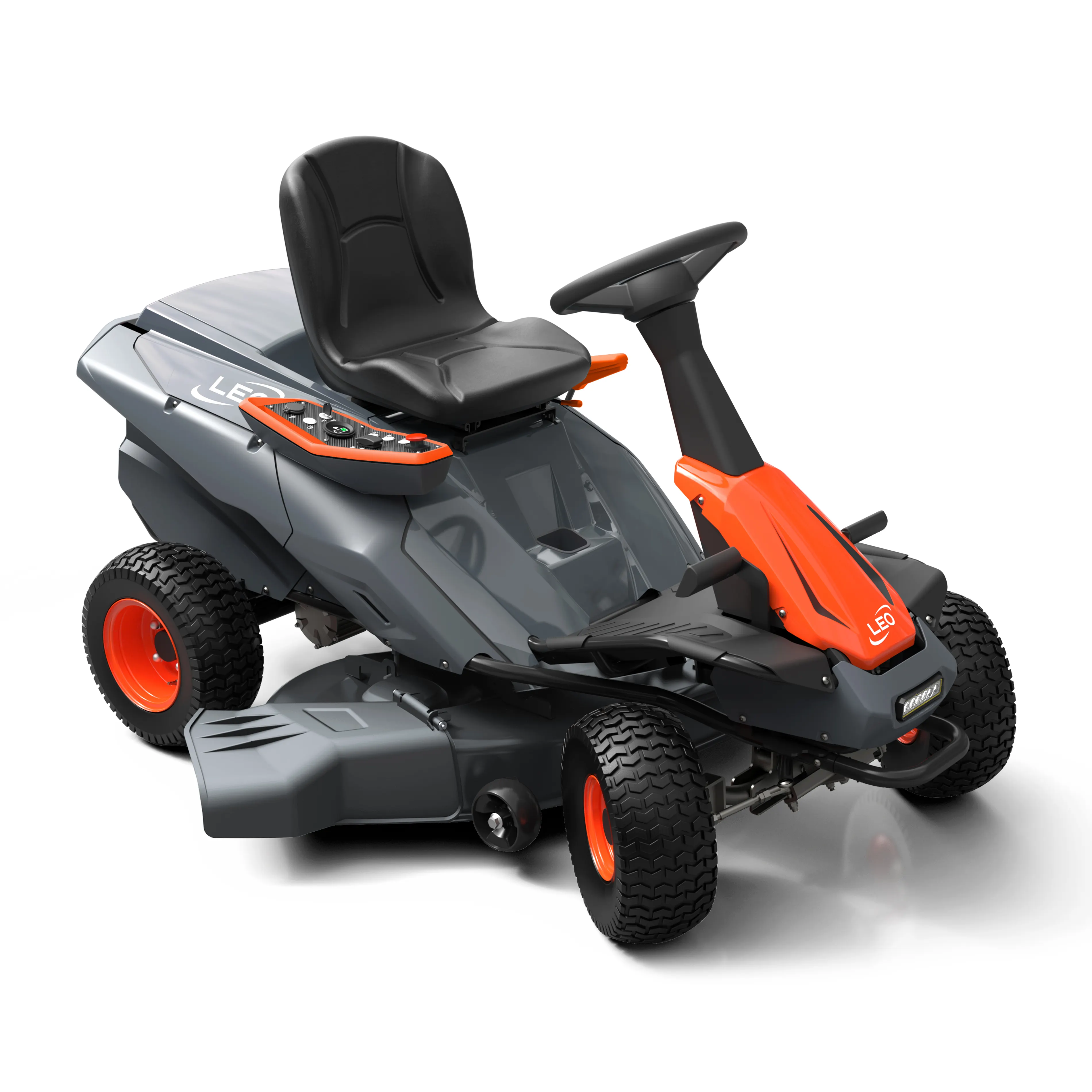
Lithiumion Power: The Engine Behind Modern Mowing Efficiency
Understanding lithium-ion battery technology in lithiumion ride on mowers
The introduction of lithium ion batteries changed the game for lawn care equipment by fixing many problems that came with older power options. Gas powered engines need constant refilling, and those old lead acid batteries were a hassle because they required checking and topping off their electrolyte levels. Lithium ion systems basically run themselves though, lasting anywhere from 500 to over 5,000 charge cycles according to recent studies on mower batteries. These batteries pack a lot of energy into small packages so manufacturers can build lighter machines without sacrificing how long they last between charges. Plus there's this fancy internal system called BMS that stops them from getting too hot and manages how deep they discharge during use. For anyone who has ever struggled with a gas mower stalling halfway up a hill or watched lead acid batteries lose power when cutting through dense grass, modern lithium ion ride ons offer real relief with steady performance no matter what terrain they face.
How lithium-ion outperforms gas and lead-acid power sources
Lithium-ion dominates in three critical areas:
- Charging speed: Fully recharges in 2–4 hours versus 8–16 hours for lead-acid
- Efficiency: Maintains 95% energy conversion efficiency vs. lead-acid’s 70–85%
- Lifespan: Lasts 2,000+ cycles—4–7 longer than lead-acid alternatives
A 2024 Footwear Materials Report found commercial operators reduced downtime by 63% after switching to lithium systems. The technology also eliminates gas mowers’ 3–5 annual tune-ups and oil changes, cutting maintenance costs by $180/year on average.
Power output, torque delivery, and consistent performance under load
Modern lithium-ion ride-on mowers maintain voltage stability even when tackling dense overgrowth—a common weakness in lead-acid systems causing 22% runtime reduction. Instant torque delivery from brushless motors matches gas equivalents’ cutting power:
| Performance Metric | Lithium-Ion | Lead-Acid |
|---|---|---|
| Torque at 50% discharge | 97% of peak | 74% of peak |
| Runtime (56V/21" deck) | 90 minutes | 55 minutes |
| Thick grass endurance | 2.5 acres | 1.2 acres |
This consistency stems from lithium-ion’s flat discharge curve, ensuring 90% of stored energy remains usable compared to lead-acid’s 50–60% effective capacity.
Battery Performance: Runtime, Charging Speed, and Lifespan
Real-World Runtime Expectations for Electric Ride-On Mowers
Lithium ion powered ride on mowers can typically cut grass for around 60 to 90 minutes on a single charge, managing approximately 2 acres even when dealing with varied ground conditions. Field testing from Landscape Equipment Review back in 2023 found these modern machines outperform traditional lead acid batteries by roughly 40% in terms of actual working time before needing another recharge. Most people who operate them notice that the power stays pretty steady right down to about 15% battery life left. Gas powered alternatives tell a different story though they tend to start losing strength and torque as the fuel tank empties out during operation.
Fast Charging vs. Operational Uptime: Optimizing Daily Use
Lithium's rapid charging capability enables 80% capacity replenishment in under 30 minutes with compatible chargers. This supports near-continuous operation when paired with battery rotation systems. Smart charging protocols can extend lifespan by 30% compared to conventional methods, according to recent energy storage research.
Battery Longevity and Degradation: What to Expect Over 5+ Years
High-quality lithium batteries maintain over 80% capacity after 1,200 full cycles—equivalent to 5 years of commercial use. Degradation accelerates below -10°C or above +45°C, making thermal management systems essential for durability in extreme climates.
Case Study: Zhejiang Leo Garden Machinery’s Extended-Cycle Battery Testing
A 2023 study involving 2,000 charge cycles showed professional-grade lithium packs retained 78% of their original capacity under simulated 10-hour daily workloads. This testing exceeded industry stress standards by 40%, confirming lithium’s suitability for high-demand landscaping operations.
Electric vs. Gas: Performance, Maintenance, and Operational Advantages
Head-to-Head Comparison: Efficiency and Power in Real Mowing Conditions
These days, lithium ion ride on mowers can actually keep up with their gas powered cousins when it comes to straight up power. They deliver similar torque levels around 12 to 15 foot pounds and still hold their own even when cutting through thick grass or tough terrain. According to some field tests done for the Outdoor Power Equipment Study back in 2024, the electric versions managed about 1.5 acres on a single charge, which isn't too far off from what mid range gas mowers get with their fuel tanks at 1.4 to 1.6 acres. And here's something interesting: while gas engines tend to drop anywhere from 8 to 12 percent in power when humidity gets high, those lithium battery systems stay pretty steady, only varying by about 2 percent no matter what kind of weather conditions they face.
Lower Noise Levels and Zero Emissions for Urban and Residential Use
Electric mowers operate at 68–72 decibels versus gas models’ 90–95 dB, reducing noise pollution by 76% (EPA 2023). This makes them ideal for schools and residential neighborhoods. Zero tailpipe emissions eliminate 4.7 tons of CO₂ equivalents annually per commercial unit—equivalent to removing 1.1 passenger vehicles from roads each year.
Reduced Maintenance Needs and Long-Term Cost Savings in Commercial Settings
Lithium-ion mowers require 83% fewer service hours annually by eliminating oil changes, spark plug replacements, and air filter maintenance. Over five years, commercial operators save $2,400+ per unit in fuel and maintenance. Gas engines cost $18/hour to operate versus $3.20/hour for electric models, with battery lifespan exceeding 1,200 cycles before reaching 80% capacity.
Smart Features: How Connectivity Enhances Lithium-ion Ride On Mower Efficiency
Integrated LCD displays and app connectivity in premium models
The latest lithium-ion ride-on mowers come equipped with these fancy LCD screens that show how much power they're using right now, map out the terrain as they go, and even warn when maintenance is needed. Some high end models can actually connect to smartphones too, letting users schedule cuts from their couch, tweak blade heights without getting dirty, and download software updates just like updating a phone app. According to a recent study from 2023, gardeners who use these connected mowers make about 32 percent fewer mistakes overall because the machines automatically adjust for hills and stay within boundaries on their own. And for those really tricky jobs going up slopes? Many newer models now understand voice commands so operators can give instructions hands free while keeping both hands on the controls.
Real-time monitoring of battery status and mowing performance
Modern telematics systems keep an eye on things like voltage changes, charging patterns, and how hard the motors are working to make sure energy gets used efficiently. The onboard sensors actually warn operators when there's too much strain on the system for extended periods, catching problems before they start cutting into operating time. When it comes to big commercial operations, these cloud-connected platforms collect all sorts of data that helps spot issues nobody would normally notice otherwise – think worn out blades or routes that just aren't making sense anymore. Some smart maintenance software can actually prolong battery life by around 18 percent too. These systems adjust how power is delivered depending on what kind of grass is being cut and how wet it happens to be at the moment.
Using smart analytics to reduce operator error and extend battery life
Smart systems look at how people have used their vehicles before and suggest ways they can improve things for themselves, like when to charge up next or what gears work best when going uphill. These technologies actually check the weather forecast against previous energy consumption data so they can tweak torque settings ahead of time, which helps avoid power loss during rainy days. When connected to home automation networks, cars will automatically start charging during low demand periods, cutting down on electricity bills around 25%. Some research into AI applications showed that cars using smart routing cut back on unnecessary driving loops by roughly 40%, meaning batteries last longer between charges. While not perfect, these advancements represent real progress toward smarter vehicle management.
Sustainability and Long-Term Environmental Impact of Lithium-ion Mowers
Reducing Carbon Footprint in Residential and Commercial Landscaping
Switching to lithium ion ride on mowers cuts down landscape emissions by around 63 percent when compared with traditional gas models according to research from Saidani and colleagues back in 2021. The truth is though, getting lithium out of the ground does take a lot of fresh water about 2.2 million liters for every single ton mined but once these machines are actually running they produce absolutely no direct emissions during operation. For businesses looking after properties larger than ten acres each year, going electric means cutting out roughly 4.8 tons worth of carbon dioxide equivalent emissions per mower as found by University of Illinois Extension studies last year. And if those same machines get their power from solar panels or wind turbines instead of regular electricity grids, total lifetime emissions fall by an impressive 81 percent. This makes a real difference not just for cleaner city air but also helps move us closer toward our planet wide efforts to cut carbon pollution across all industries.
End-of-Life Battery Recycling and Sustainable Manufacturing Practices
Lithium ion batteries can hold around 70 to 80 percent of their original power even after going through about 1500 charge cycles. This means they work well for second life purposes such as storing solar energy from panels. The big players in the industry have figured out how to get back most materials too. They manage to reclaim roughly 95 percent of cobalt and about 85 percent of lithium using closed loop recycling methods. This helps cut down reliance on digging up fresh minerals from mines all over the world. Take California's CORE initiative as an example. Programs like this one encourage manufacturers to think green when designing products and provide funding for collection systems that actually manage to reuse nearly all materials. When it comes time for disposal, proper handling makes a huge difference. Studies show that properly managed lithium ion powered garden equipment creates about 34 percent less mineral waste compared to older lead acid alternatives according to EPA data from 2022.
FAQ
How long do lithium-ion batteries last in ride-on mowers?
Lithium-ion batteries can last from 500 to over 5,000 charge cycles depending on usage and maintenance.
What are the advantages of lithium-ion batteries over lead-acid batteries?
Lithium-ion batteries offer faster charging speeds, higher efficiency, and longer lifespans compared to lead-acid batteries.
Are lithium-ion ride-on mowers environmentally friendly?
Yes, lithium-ion mowers produce zero emissions during operation, reducing carbon footprint significantly compared to gas mowers.
What is the maintenance cost difference between electric and gas mowers?
Electric mowers save over $2,400 in fuel and maintenance over five years compared to gas mowers.
Table of Contents
- Lithiumion Power: The Engine Behind Modern Mowing Efficiency
- Battery Performance: Runtime, Charging Speed, and Lifespan
- Electric vs. Gas: Performance, Maintenance, and Operational Advantages
- Smart Features: How Connectivity Enhances Lithium-ion Ride On Mower Efficiency
- Sustainability and Long-Term Environmental Impact of Lithium-ion Mowers
- FAQ