
 EN
EN
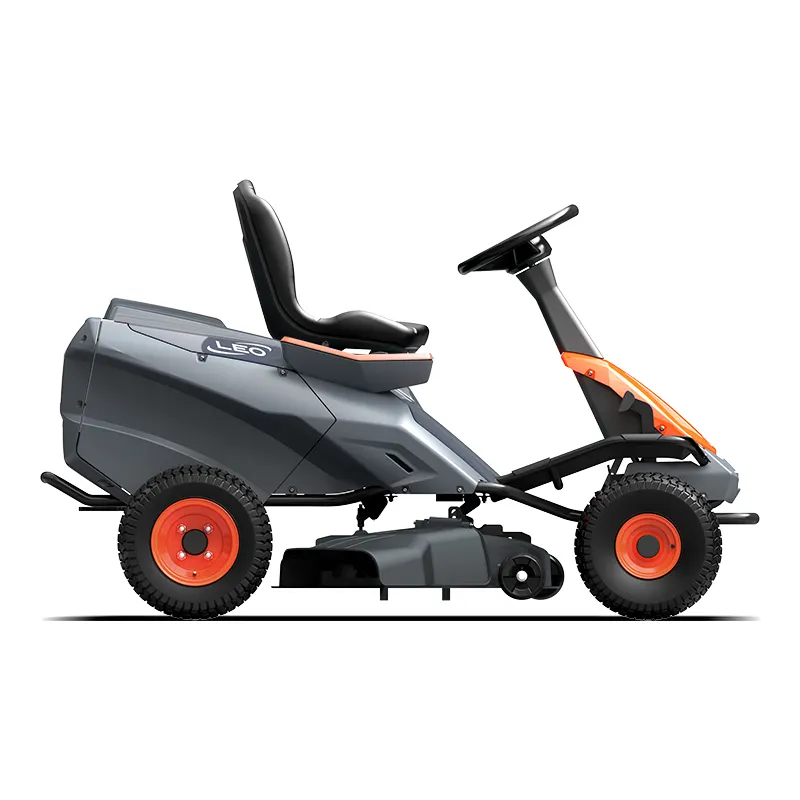
The Rise of Lithium-ion Ride On Mowers
Shifting Trends in Lawn Care Equipment
Lithium-ion ride-on mowers are becoming all the rage across North America, with both regular folks and professional landscapers looking for better efficiency and greener options. Homeowners have been buying these machines at a crazy rate too residential sales shot up around 60 percent from 2010 to 2020 according to that latest market report we saw last year. Most major brands now put lithium batteries in about four out of five new electric mowers they make, slowly getting rid of those old lead-acid packs nobody really likes because they need constant attention and tend to die when left sitting. Cities are catching onto this trend as well many towns are switching their parks and recreation departments over to zero emissions equipment for cutting grass in public areas like parks and school grounds.
How Lithium-ion Technology Enables Maintenance-Free Operation
Lithium-ion batteries eliminate traditional upkeep tasks like terminal cleaning and electrolyte refilling, thanks to self-regulating cells that prevent overcharging. Key advantages include:
| Feature | Lithium-ion | Lead-Acid |
|---|---|---|
| Cycle Life | 2,000+ | 300–500 |
| Monthly Maintenance | None | 2–3 hours |
| Self-Discharge Rate | 2% monthly | 5% weekly |
Recent analysis shows lithium-ion mowers maintain 90% capacity after 1,200 cycles, compared to lead-acid’s 40% degradation within 300 cycles. Integrated battery management systems (BMS) further ensure stable performance across temperature extremes.
Market Growth and Adoption in Residential and Commercial Sectors
Landscaping businesses using lithium ion equipment see around 45 percent less downtime according to industry reports. They point to quick charge times as a major factor - about 1.5 hours compared to over 8 hours needed for old lead acid batteries plus the convenience of swapping out packs when needed. Municipal governments are getting on board too. More than half of city landscaping contracts these days demand emissions free gear, which means we're seeing this tech spread faster across public works projects. For homeowners wanting to go green, there's financial incentive too. Many states run rebate programs that help offset costs for buying electric mowers. Industry analysts predict roughly 22% year over year growth in this segment right through 2028 based on current trends.
Lithium-ion vs Lead-Acid: Performance and Efficiency Compared
Charging Time, Runtime, and Daily Usability
Lithium-ion ride on mowers charge 2–3 times faster than lead-acid models, reaching full capacity in 1–2 hours versus 6–8 hours. This allows homeowners to recharge during short breaks, maintaining uninterrupted mowing sessions. With 30–50% greater energy density, lithium-ion systems deliver extended runtime per charge–ideal for larger properties.
Power Consistency Across Mowing Cycles
Lead-acid batteries suffer voltage sag as they discharge, reducing blade torque and cutting efficiency. In contrast, lithium-ion systems maintain over 95% energy efficiency throughout use, delivering consistent power even at low charge levels. Lead-acid units waste up to 30% of input energy as heat during charging, significantly lowering overall efficiency.
Performance in Extreme Weather and Challenging Terrain
Lithium-ion batteries retain up to 90% performance in both freezing and high-heat conditions, while lead-acid units lose 30–40% capacity below 50°C. Built-in BMS technology actively balances cell temperatures, preventing overheating on steep inclines–making lithium-powered mowers more reliable on uneven or demanding terrain.
User Feedback on Real-World Operational Efficiency
Field workers have noticed something interesting about lithium ion powered mowers lately they seem to handle about 25 percent more ground before needing another charge when stacked against their lead acid counterparts. Business owners running large properties tell us they spend roughly 70% less time on maintenance during seasons changes now that there's no need to top off water levels or inspect batteries for corrosion issues. Those who switched over early on are seeing battery life last anywhere from three to five years even with daily operation, which is way beyond what most folks get out of traditional lead acid setups that typically last around a year and a half under similar workloads according to industry reports.
Battery Lifespan and Long-Term Durability
Comparing Lifespan: Lithium-ion vs Lead-Acid Batteries
Lithium ion batteries typically last between 2000 to 3000 complete charge cycles, which is roughly six times better than the 300 to 500 cycles we see with traditional lead acid batteries. What makes them so durable? Well, they don't suffer from sulfation issues that plague lead acid units, plus they maintain pretty consistent voltage levels even when partially discharged. Some lab experiments have pushed these batteries past 12000 cycles with special charging techniques, but most homeowners find their lithium batteries hit around 3500 cycles before needing replacement in everyday use situations.
Cycle Life and Degradation Over Time
Lithium ion batteries tend to last quite well under normal conditions, losing only around 2 to 3 percent of their capacity every year. Lead acid batteries are not so lucky though, they typically shed between 8 and 12 percent annually because their plates corrode over time. When things get hot above 30 degrees Celsius, this problem gets even worse for lead acid units, with some reports showing electrolyte breakdown speeds up by nearly 40 percent. Lithium cells handle temperature better but still suffer when discharged too deeply too often, especially if they drop below 20 percent charge regularly. Real world tests conducted with landscaping crews have found that lithium batteries keep about 80 percent of their original power after five years of service, while most lead acid counterparts barely make it past 45 to 50 percent retention.
Do Manufacturers Overstate Battery Longevity?
Independent testing indicates real-world cycle counts are typically 15–30% lower than manufacturer claims, especially for lithium-ion models advertised as “10-year” batteries. Temperature fluctuations and inconsistent charging account for 72% of this gap, according to third-party analysts. While marketing may exaggerate ideal conditions, actual performance still significantly outpaces lead-acid alternatives.
Impact of Usage Frequency on Battery Health
When left unused for long periods, lead acid batteries tend to develop sulfation problems while in storage, something lithium ion systems handle much better when used occasionally. Still worth noting though, if someone lets their lithium battery drop down past 30% charge on a weekly basis, this habit could cut its life short by around 18 months give or take. Most experts suggest keeping lithium ion packs somewhere between 40% and 80% charged when stored, which works pretty well in practice. Lead acid batteries just don't play along with this approach at all they actually need to stay fully charged most of the time to prevent various types of damage from happening over time.
Maintenance Requirements: True Maintenance-Free Operation?
What 'Maintenance-Free' Means for Lithium-ion Ride On Mowers
While no mower is entirely maintenance-free, lithium-ion systems eliminate 90% of traditional upkeep. These models require no electrolyte refills, terminal cleaning, or equalization charges–common issues with lead-acid batteries. Basic best practices remain, including occasional firmware updates (1–2 times per year) and following proper storage guidelines to maximize longevity.
Routine Upkeep for Lead-Acid vs Lithium-ion Systems
A 2024 maintenance analysis compared annual tasks across battery types:
| Maintenance Task | Lead-Acid Frequency | Lithium-ion Frequency |
|---|---|---|
| Water Refilling | 8–12 times/year | None |
| Corrosion Removal | 3–4 hours/season | None |
| Capacity Testing | Monthly | Biannual |
| Storage Preparation | 45-minute process | 10-minute checklist |
Lithium-ion’s integrated BMS automates voltage balancing and thermal regulation, reducing manual interventions by 83% (GreenTech Solutions 2023).
Long-Term Reliability with Minimal Intervention
Lithium ion mowers hold onto most of their power even after five years on the job, keeping around 85 to 90 percent of their initial capacity. That's way better than old fashioned lead acid batteries which typically drop down to just 40-50% capacity over the same period. Why does this happen? Well, lithium batteries simply last through many more charge cycles without losing much performance. They don't suffer from that annoying memory effect problem either, plus they come equipped with safeguards that stop them from getting completely drained. Looking at real world usage data from the Lawn Care Industry Report 2024 paints an interesting picture too. Just 12 out of every 100 lithium owners needed someone to service their mower during the first eight years, while nearly two thirds of people using traditional battery systems ended up calling in professionals for help with theirs.
Total Cost of Ownership: Lithium-ion vs Traditional Options
Upfront Costs vs Long-Term Savings
The upfront price tag for lithium-ion ride-on mowers is definitely steeper compared to traditional lead-acid models. We're talking about paying roughly 1.5 to 2 times more per battery unit, which means spending anywhere from $300 to $700 instead of just $100 to $200. But here's where things get interesting. These lithium batteries last around 8 to 10 years, way longer than the typical 3 year lifespan of lead-acid alternatives. That means fewer trips back to the store for replacements. Let's do some quick math: over a decade period, someone using lead-acid batteries might find themselves buying new ones 3 or even 5 times, which adds up to well over $1,200 extra spent on batteries alone. According to the Lawn Care Industry Report from 2024, operators who switch to lithium-ion systems actually save between $400 and $600 each year when factoring in both maintenance expenses and replacement costs. So while the initial outlay seems high at first glance, these savings tend to balance things out pretty nicely over time.
Battery Replacement Frequency and Expenses
In commercial settings, lead-acid batteries often need replacement every 2–3 years due to rapid degradation. Lithium-ion units maintain 80% capacity after 2,500 cycles, lasting 5–8 years with minimal decline. This cuts long-term replacement costs by 60–70%. For daily-use landscapers, switching to lithium eliminates the recurring $200–$400 annual expense associated with replacing lead-acid batteries.
Energy Efficiency and Charging Cost Analysis
Lithium-ion batteries achieve 95% charging efficiency, consuming 30% less electricity than lead-acid’s 70% efficiency. A homeowner charging twice weekly can save $50–$75 per year on utility bills. Commercial operators gain additional value through fast charging (1–2 hours vs. 8+), minimizing downtime and enabling multi-shift operations that yield $1,000+ in annual labor savings.
Resale Value and Equipment Longevity Impact
Lawn mowers with lithium ion batteries tend to keep around 20 to 25 percent of their value even after sitting unused for five whole years because these battery packs just last so much longer than anything else on the market right now. The old school lead acid batteries? Those things slowly lose power as they get older, dropping voltage levels and developing corrosion problems that nobody wants to deal with. But lithium ion keeps going strong for well over ten years without major issues. And if we look at what happens when people actually start using them day after day, there's another big difference too. Over time, those lower maintenance costs combined with how many hours these machines can run before needing replacement means lithium ion options end up costing about 35 to 40 percent less per hour of actual mowing work compared to traditional alternatives.
FAQ
What is a Lithium-ion ride-on mower?
A lithium-ion ride-on mower is a lawn mower that uses lithium-ion batteries for power instead of traditional lead-acid batteries. These mowers offer greater efficiency, longer battery life, and lower maintenance requirements.
How does a Lithium-ion battery differ from a Lead-Acid battery?
Lithium-ion batteries have a longer cycle life, higher energy density, and lower maintenance needs compared to lead-acid batteries. They also charge faster and are more efficient, retaining capacity longer even in extreme temperatures.
Are Lithium-ion mowers more expensive?
Yes, initially, lithium-ion mowers are more expensive upfront than traditional lead-acid models. However, they save money over time due to less frequent battery replacements, lower maintenance costs, and increased energy efficiency.
Do Lithium-ion ride-on mowers require maintenance?
While not entirely maintenance-free, lithium-ion mowers require significantly less maintenance than their lead-acid counterparts. Major tasks like electrolyte refills and terminal cleaning are eliminated, but occasional firmware updates and storage best practices are recommended.