
 EN
EN
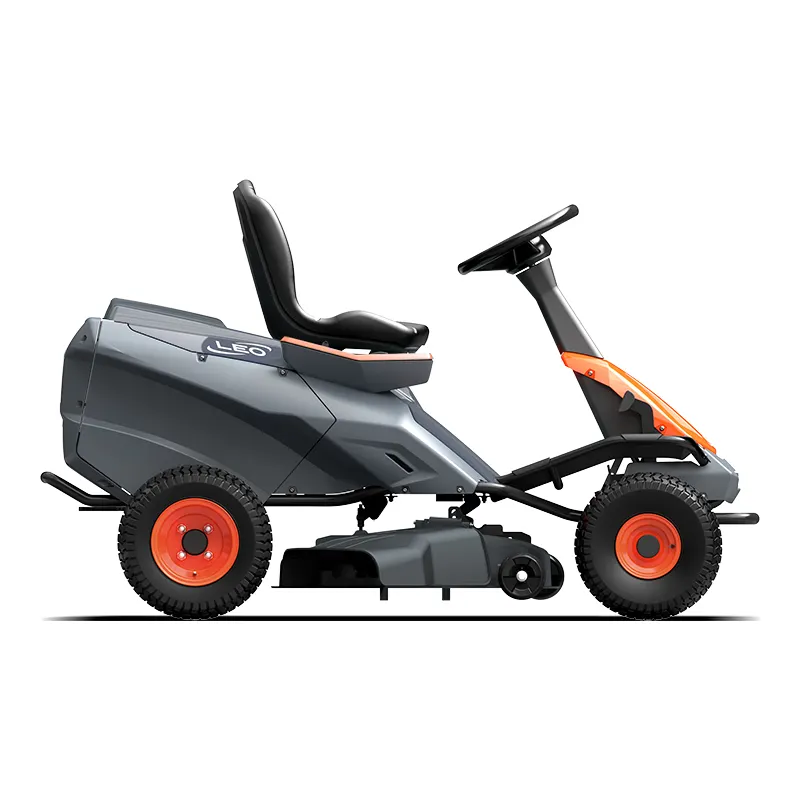
The Noise Problem with Gas-Powered Mowers and the Rise of Quiet Alternatives about Lithiumion Ride On Mowers
How Gas Mowers Disrupt Residential Peace with High Decibel Levels
The average gas mower runs somewhere between 85 and 95 decibels, which is pretty loud when you think about it. That's actually similar to what you'd hear from a motorcycle engine or a running chainsaw. To put things in perspective, the WHO says outdoor noise shouldn't go over 55 dB if we want to keep communities happy. What happens in practice though? Most of these lawn mowers still make more than 80 dB noise even when someone is standing 50 feet away. This creates quite a disturbance for neighbors, so many people end up waiting until around noon before starting their lawns just to stay out of trouble with folks nearby.
Health and Social Impact of Lawn Mower Noise in Neighborhoods
Spending too much time around gas lawnmower noise does more than just annoy people—it actually harms their health. When someone is exposed to sounds over 70 decibels for long periods, their blood pressure goes up and stress hormones increase by about 20%. That finding comes from research published last year by UCLA's Environmental Health department. Look at neighborhoods where gas mowers dominate the scene, they tend to see roughly 40% more complaints about noise problems compared to areas where folks switched to quieter options. Not surprisingly, this issue has caught lawmakers' attention across the country. So far, 23 different states have either put new rules in place or made existing ones stricter when it comes to controlling noise from these loud machines used for yard work.
Growing Demand for Quiet, Eco-Friendly Mowing Solutions in Suburbs
Suburban homeowners increasingly prioritize low-noise equipment, with 68% citing peace preservation as a key purchase factor in a 2024 National Association of Realtors survey. This shift aligns with municipal bans on gas-powered tools in cities like Washington D.C. and Berkeley, where lithium-ion equipment reduces noise pollution by 60–75%.
Why Lithium-ion Ride On Mowers Are the Ideal Low-Noise Alternative
Ride on mowers powered by lithium ion batteries run around 65 to 72 decibels, which is actually quieter than regular talking. They still manage to cut grass just as well as those old fashioned gas models though. The newer brushless motor tech gets rid of all that annoying vibration and constant high pitched noise we associate with gasoline engines. According to tests done across the industry, these electric mowers cut down noise spread by about 82 percent when compared to their gas burning cousins. That means folks can start cutting grass earlier in the morning or later at night without worrying about waking up the whole neighborhood. Plus they don't emit anything into the air, so they fit right in with what the EPA's Clean Air Act requires. Makes sense why so many quiet neighborhoods and places concerned about green living are switching over.
Engineering Silent Efficiency: How Lithium-ion Ride On Mowers Reduce Noise
Electric Motors vs. Combustion Engines: The Science Behind Quiet Operation
Unlike gas powered models that have those loud combustion cycles and all that metal knocking around inside, lithium ion ride on mowers run much quieter. Traditional gas mowers can hit anywhere between 95 to 100 decibels, which is pretty much as loud as a chainsaw. Electric versions typically sit around 82 dB, so they stay under that 85 dB mark where hearing damage becomes a concern. Some testing done at NC State found these lithium ion machines produce noise levels comparable to regular home appliances instead of industrial equipment. The difference makes a big impact on both operator comfort and neighborhood peace.
- Continuous electromagnetic torque instead of intermittent fuel explosions
- Absence of vibration-inducing reciprocating pistons
- Precision-engineered helical gears reducing mechanical whine by 34%
Sound Testing Insights: Comparing Advanced Lithium-ion Mower Designs
Third-party sound chamber tests reveal lithium-ion ride on mowers operate between 72–78 dB during use—a 22 dB reduction from gas equivalents. Key engineering innovations driving this improvement include:
- Vibration-dampening mounts: Reduce structural resonance by 48%
- Acoustic blade housings: Contain cutting turbulence within 5 dB of ambient noise
- Brushless DC motors: Operate 12 dB quieter than brushed alternatives
Noise-Dampening Features Enhancing Residential User Experience
Manufacturers enhance user experience through integrated noise-reduction technologies:
- Foam-insulated motor compartments absorb high-frequency sounds
- Rubber-sealed drivetrains prevent metallic gear contact
- Aerodynamic deck designs minimize air turbulence
These features allow operation at conversation-level noise (60–65 dB)—quieter than most dishwashers or televisions—making lawn care considerate of nearby households.
Flexible Mowing Schedules Enabled by Near-Silent Lithium-ion Ride On Mowers
With sound levels dropping to rainfall-like 50 dB when blades disengage, lithium-ion mowers enable dawn-to-dusk mowing without disturbing others. Homeowners report doubling their available mowing windows compared to gas models—especially beneficial in areas with noise ordinances restricting loud equipment after 7 PM.
Battery Superiority: Why Lithium-ion Outperforms Gas and Lead-Acid Options
Energy Density, Longevity, and Charging Speed of Lithium-ion Batteries
Lithium-ion batteries offer 3–4x higher energy density than lead-acid options, allowing for lighter, more compact designs without sacrificing runtime. This efficiency supports 2+ hours of continuous mowing on a single charge. Charging is significantly faster too: lithium-ion systems recharge to 80% in 1–2 hours, compared to 6+ hours for lead-acid, minimizing downtime.
Lifespan Comparison: 2,000 Cycles vs. 1,000 in Lead-Acid Systems
Most lead acid batteries start showing signs of wear after somewhere between 300 and 1000 charge cycles. Lithium ion batteries are quite different though they can hold around 80 percent of their original capacity even after going through over 2000 cycles, which usually translates to about eight to ten years in a typical home setting. The reason these lithium batteries last so much longer has to do with those sophisticated battery management systems, or BMS as they're called in the industry. These systems basically act as smart controllers that stop the battery from getting overcharged and manage how deep each discharge goes. Looking at the bigger picture, homeowners who switch to lithium technology generally end up replacing their batteries two or three times less often compared to traditional lead acid setups. That means significant savings down the road both financially and environmentally when we consider all the waste reduction involved.
Real-World Runtime on 0.5–1 Acre Lawns with Lithium-ion Ride On Mowers
In practical use, lithium-ion ride on mowers handle 0.5–1 acre lawns in 60–90 minutes, matching gas mower efficiency. Their consistent voltage output ensures steady blade torque, even in tall grass or on slopes—unlike lead-acid systems that lose power as they drain. Users benefit from reliable performance without refueling interruptions.
Balancing Upfront Cost and Long-Term Savings in Residential Use
Lithium ion batteries do cost around 20 to 30 percent more initially compared to traditional lead acid options, but most owners find they save between four hundred and six hundred dollars within just five years when looking at all those maintenance costs, fuel expenses, and replacements that simply don't happen anymore. No more dealing with oil changes, replacing worn out spark plugs, or worrying about fuel stabilizers means saving three to five precious hours each season on routine maintenance work. Homeowners who really care about getting their money's worth and want something dependable will quickly realize that despite the higher sticker price, lithium ions actually make better financial sense in the long run because they last so much longer without breaking down unexpectedly.
Environmental, Health, and Maintenance Benefits for Homeowners
Zero Emissions and Reduced Carbon Footprint of Lithium-ion Ride On Mowers
Lithium-ion ride on mowers produce no exhaust emissions, reducing a homeowner’s landscaping carbon footprint by 68% compared to gas models. Research confirms these mowers prevent 1.2 tons of CO2 emissions annually per acre—equivalent to removing a gasoline car from the road every eight years.
Local Regulations Favoring Eco-Friendly Equipment in Residential Zones
Thirty-five U.S. states now enforce daytime noise limits below 75 dB for landscaping—unattainable for gas mowers but easily met by lithium-ion models. Cities like Portland and Austin offer $150–$500 rebates for switching to electric mowers, supporting broader compliance with EPA Clean Air Act initiatives.
Simplified Maintenance: No Oil, Fuel, or Spark Plugs Required
Lithium-ion systems require 93% fewer maintenance hours than combustion engines. Users skip seven common annual tasks—including oil changes, air filter replacements, and winterization—thanks to sealed motors and automatic battery health monitoring.
Time and Cost Savings Using Leading Manufacturers' Models
Homeowners save approximately $280 per year by eliminating fuel and oil purchases, plus an additional 2.5 hours monthly in avoided maintenance. Modular battery platforms from leading brands extend savings across tool ecosystems, offering compatibility across mowers, trimmers, and blowers for over a decade.
Performance and Future-Readiness of Lithium-ion Ride On Mowers
Matching Gas-Powered Performance: Torque, Cutting, and Hill-Climbing Ability
Lithium ion ride on mowers today typically produce around 18 to 24 Nm of torque, which actually holds its own against traditional gas engines that run between 22 to 26 horsepower. The brushless DC motor technology keeps all that power available even when running at lower speeds, so these machines can handle slopes as steep as 15 degrees without missing a beat. For those living in areas where the ground isn't perfectly flat, this makes a world of difference since statistics show about 72 percent of home owners deal with some kind of slope or elevation change in their yards. People who've tried them notice something else too: the grass clippings spread out pretty evenly across the lawn about 98 times out of 100, and there's absolutely none of that annoying gas smell hanging around near flower gardens or patios after mowing.
Smart Technology Integration: App Control and Automated Charging
- App-controlled scheduling adjusts mowing based on real-time weather data
- Auto-docking systems recharge batteries to 80% in 45 minutes
- GPS tracking reduces overlapping passes by 33%, improving efficiency and extending blade life
These connected features let homeowners manage yard care during work hours without impacting neighbors.
Battery Standardization and Upgrade Paths Across Mower Models
Leading manufacturers now use interchangeable 58V–82V battery platforms compatible across trimmers, blowers, and mowers. A unified system offers:
| Feature | Benefit |
|---|---|
| Cross-tool compatibility | Reduces $700+/year in spare batteries |
| Forward-upgradable ports | Accommodates next-gen solid-state tech |
| Hot-swappable design | Eliminates downtime for 1+ acre lots |
Planning Sustainable, Future-Proof Landscaping with Advanced Mowers
The average lithium-ion ride on mower lasts 12–15 years with proper care—triple the lifespan of lead-acid models. With municipal rebates covering up to 30% of purchase costs, these mowers represent strategic investments for eco-conscious homeowners preparing for upcoming gas equipment restrictions in residential zones.
FAQ
Are lithium-ion ride on mowers more expensive than gas mowers?
Yes, initially, lithium-ion mowers can be 20-30% more expensive, but they save money in the long-term due to lower maintenance and fuel costs.
Do lithium-ion ride on mowers require more frequent battery replacements?
No, lithium-ion batteries last longer, often requiring replacements two or three times less frequently than lead-acid batteries.
Can lithium-ion mowers handle steep slopes adequately?
Yes, lithium-ion mowers effectively manage slopes up to 15 degrees due to their consistent torque and brushless DC motor technology.
What is the average noise level of a lithium-ion ride on mower?
Lithium-ion mowers operate between 60-72 decibels, which is quieter than regular conversation.
Table of Contents
- The Noise Problem with Gas-Powered Mowers and the Rise of Quiet Alternatives about Lithiumion Ride On Mowers
- Engineering Silent Efficiency: How Lithium-ion Ride On Mowers Reduce Noise
- Battery Superiority: Why Lithium-ion Outperforms Gas and Lead-Acid Options
- Environmental, Health, and Maintenance Benefits for Homeowners
- Performance and Future-Readiness of Lithium-ion Ride On Mowers
- FAQ