
 EN
EN
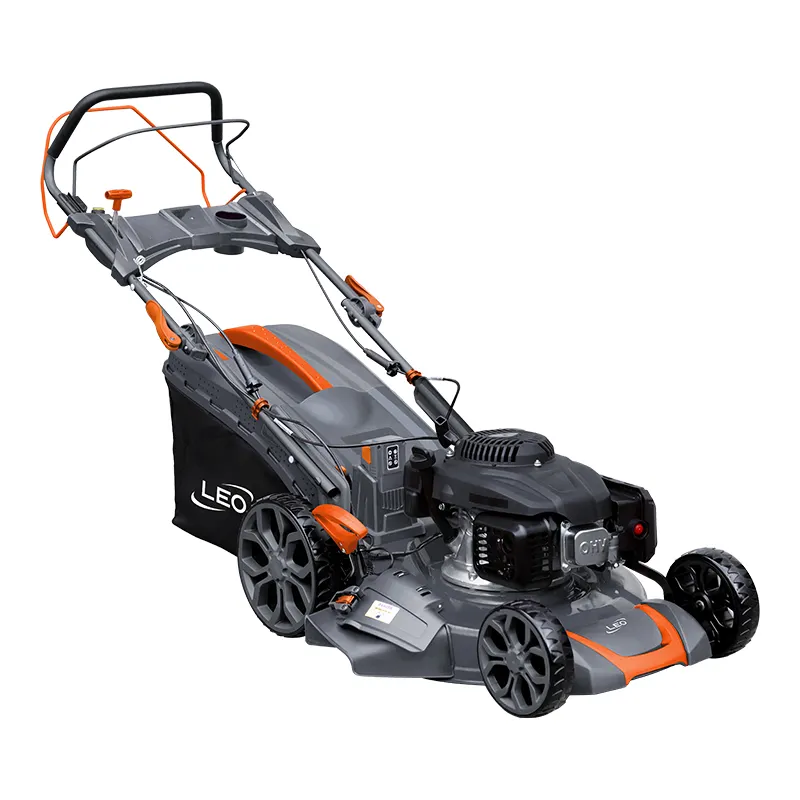
Power and Performance: Gasoline Lawn Mower vs Electric in Real-World Mowing Conditions
Horsepower, torque, and motor efficiency comparison
Commercial gasoline lawn mowers usually pack around 5.5 to 7.5 horsepower, which beats what most electric models can offer these days. Electric ones tend to max out somewhere between 3.8 and 5.2 HP according to Turf Magazine from last year. The reason gas mowers have this edge? They generate significantly more startup torque, roughly 20 to 35 percent greater than their electric counterparts. That makes them much better for cutting through dense grass without bogging down. On the flip side though, electric motors kick in right away when needed and run pretty efficiently too, clocking in at about 92 to 96% efficiency rates. Gas engines lose quite a bit more power along the way, somewhere between 15 to 25%, mostly because of all that heat buildup and internal friction during operation.
Effectiveness in thick, wet grass and heavy-duty mowing tasks
Field testing shows that gas powered mowers can handle thick St. Augustine grass about 40 percent quicker than their electric counterparts when everything else is equal. Gas engines keep going strong even through tall grass over six inches high, something that tends to stall battery operated machines which then need to take much narrower passes across the lawn. When it comes to wet weather performance, electric mowers typically lose between 22 to 30% of their cutting power, whereas gas models only drop around 8% according to research from Park City Power back in 2025. This makes a real difference for people dealing with large properties or unpredictable weather patterns throughout the season.
Are electric mowers closing the performance gap with gas models?
Electric systems with voltages above 80 volts can now produce similar torque as gas mowers (around 9.5 to 12.5 lb-ft) for about 15 to 20 minutes runtime, which works well for yards covering roughly half an acre. The latest models incorporate features such as brushless motor technology and smart power management systems that keep the revolutions per minute steady even when cutting thick grass, something electric mowers struggled with in the past. Most professional landscapers still reach for gasoline powered machines when they need to work all day, but among homeowners, nearly three quarters report that modern electric options handle their toughest mowing jobs just fine according to recent data from GreenTech's 2024 survey.
Lawn Size, Terrain, and Mower Type Suitability for Gas and Electric Models
Best Mower Type for Small, Medium, and Large Lawns
For anyone dealing with lawns bigger than half an acre, gas mowers still reign supreme thanks to their long runtime and serious power that handles big spaces without breaking a sweat. Small lawns under a quarter acre work best with battery powered electric models since they run quietly and don't spew exhaust everywhere. Yard owners with medium sized plots between those numbers often find high voltage electric options with two batteries attached to be just right. A recent study from The Spruce in 2023 showed that most folks with big properties stick with gas, but interestingly enough, some newer 80V electric machines can actually cut through an entire acre before needing a recharge these days.
Performance on Uneven Terrain, Slopes, and Complex Landscapes
When dealing with hills steeper than around 15 degrees, gas powered mowers tend to keep their blades spinning at full speed because they have more muscle behind them. Electric versions usually cut back on power when going uphill to save battery life, which makes them struggle quite a bit in damp grass or thick undergrowth. According to some research done by Swisher Inc., gas mowers finish jobs on uneven ground about 23 percent quicker since they don't lose power mid-task. Flat yards or those with only mild slopes work fine with newer electric self propelled models that come equipped with smart traction systems these days. Most homeowners find them good enough for regular maintenance without breaking a sweat.
Riding, Zero-Turn, and Commercial Applications by Power Source
Most commercial properties and big estates stick with gas powered riding mowers because they last around 2 to 4 hours straight and can pull heavy loads without breaking a sweat. The zero turn gas mowers with those 24 horsepower engines and 60 inch cutting decks are basically everywhere at sports fields these days. Electric versions do come in the market but honestly, nobody wants to stop every 90 minutes or so when maintaining large areas professionally. That's why we're seeing more residential customers go for hybrid setups lately. These machines mix electric drive systems with small gas generators so people can keep cutting grass longer between refuels, which is pretty convenient for weekend warriors who don't want to constantly recharge batteries.
Operational Efficiency: Battery Life, Refueling, and Workflow Impact
Run Time of Electric Mowers vs Fuel Capacity of Gasoline Lawn Mower Models
Electric lawn mowers typically run around 45 to 60 minutes on a single lithium-ion battery charge, whereas gas powered models can go for about 1 to 2 hours before needing fuel. Both types struggle when it gets chilly though. Lithium batteries just don't hold as much power in cold weather, dropping somewhere between 15 and 20% at freezing temps according to recent studies. And those old fashioned gas engines? They become real pain in the neck during winter months, often requiring twice as many tries to start up properly. The folks at the 2024 Lawn Equipment Performance Report saw this firsthand. If someone has a decent sized yard, say half an acre or more, most people find themselves reaching for gas mowers instead. Refilling the tank usually takes less time overall compared to swapping out heavy batteries, even though everyone knows how messy gasoline can get.
Charging Downtime vs Quick Refueling: Productivity Implications
The difference between electric and gas mowers really matters when looking at maintenance time. Most electric models need around an hour and a half to two hours for a full charge, while filling up a gas tank only takes about two minutes flat. That makes all the difference for someone cutting grass across multiple properties each day. Some newer fast charging options have cut down this wait time to about 35 minutes though, which is starting to close the convenience gap somewhat. What's interesting though is how much extra time goes into maintaining gas powered equipment overall. Landscapers who stick with gasoline typically end up spending roughly 12 percent more time annually dealing with fuel costs plus those special additives needed to keep engines running smoothly compared to what their electric counterparts deal with just keeping batteries topped off.
User Experiences With Daily and Seasonal Operational Demands
Many homeowners find electric lawn mowers much easier to maintain since there's no need for oil changes or replacing spark plugs, though people with bigger yards should definitely think about how long their batteries will last. When it comes to cutting through all those leaves in the fall, gas powered machines tend to hold up better with their continuous power supply. Electric versions actually take about 30 percent longer to mulch when grass is damp, something that becomes pretty noticeable after a rainstorm. Storing these tools over winter months works out better for electric models too. Around nine out of ten people say they have an easier time getting ready for the off season with electric units rather than dealing with gas engines where folks either need to stabilize the fuel or completely drain it out before putting everything away.
Noise, Vibration, and User Comfort: Electric Advantages and Gas Trade-offs
Decibel Levels and Neighborhood-Friendly Operation
Electric lawn mowers run around 65 to 80 decibels, about the same noise level as a washing machine going through its cycle. Gas powered versions crank things up to between 90 and 100 dB though, which sounds like being near a motorcycle engine revving. That 15 to 20 dB gap matters quite a bit actually. According to OSHA guidelines, people exposed to gas mower noise for just two hours risk going over the safe hearing limit of 85 dB. Electric mowers stay well within those limits even when used early in the morning or in city neighborhoods where noise restrictions are tighter. Most folks probably don't realize how much quieter their yard work can be with electricity instead of gasoline.
| Distance | Electric Mower Rating | Gas Mower Rating |
|---|---|---|
| Operator’s Ear | 5.0/5.5 | 2.2/5.5 |
| 25 Feet Away | 5.3/5.5 | 2.8/5.5 |
Vibration and Handling Differences Affecting User Fatigue
Tests have found that electric lawn mowers cut down on vibration by around 80 to 90 percent when compared with their gas counterparts. The old gas models typically shake things up with vibrations ranging from 4.5 to 6.2 meters per second squared something comparable to what one might experience holding a chainsaw. This kind of intense shaking leads to tired hands and arms after just a little while cutting grass. On the flip side, electric mowers keep those vibrations under control at less than 1.5 m/s², so most people can run them for nearly two hours straight without feeling any numbness or soreness in their hands.
Ergonomics and Ease of Use Across Both Power Types
Electric lawn mowers tend to weigh around 15 to 20 pounds less than their gas counterparts, and they distribute that weight much more evenly across the machine, making them far easier to lift and move around the yard. Starting one up is practically instant most of the time, giving gardeners peace of mind without dealing with those frustrating pull starts that gas mowers demand usually requiring two or three tugs just to get going. The handles on these electric versions can be adjusted all the way back to about 60 degrees, which makes pushing through different terrains a lot more comfortable than the standard 45 degree angle found on many traditional gas powered machines. Still worth mentioning though, when it comes to really muddy or wet grass situations, gas mowers generally hold their ground better and stay stable during operation something many homeowners notice firsthand during rainy season.
Cutting Systems: Mulching, Bagging, and Discharge Performance Compared
Mulching Precision and Consistency in Gas and Electric Mowers
When it comes to mulching performance, gas powered mowers tend to have just a bit better consistency according to tests where they scored 4.7 out of 5.5 compared to 4.6 for their electric counterparts. The bigger engines in gas mowers, which range from around 190 to 250 cubic centimeters, cut through thick grass and leave behind much finer clippings. Electric models work differently though, depending on motor torque between 30 and 80 Newton meters to keep blades spinning at consistent speeds. Both kinds manage to break down about 92 percent of grass clippings when everything is ideal, but there's something special about how gas mowers deal with wet or damp grass. This matters because nearly 37% of people who maintain lawns find themselves cutting through moist turf quite often, as reported by LSU AgCenter back in 2023. For anyone dealing with rainy weather or morning dew, this makes a real difference in daily lawn maintenance.
Bagging Efficiency and Side-Discharge Effectiveness by Model Type
| Feature | Gas Models | Electric Models |
|---|---|---|
| Average Bag Capacity | 3.5 bushels | 2.0 bushels |
| Side Discharge Range | 12-18 feet | 8-12 feet |
| Debris Clearance Rate | 94% (dry) / 88% (wet) | 91% (dry) / 82% (wet) |
Gas mowers generate 30% greater airflow due to larger displacement engines, enabling faster bag filling. Electric models compensate with lighter bag systems that require 26% fewer user interventions. In standardized testing, the side-discharge performance gap between power types has narrowed to just 4% (field tests).
Blade Design and Deck Engineering Impact on Debris Management
Gas mowers with dual blades can make anywhere from 18,000 to over 22,000 cuts every minute, which really boosts how well they handle mulching tasks. On the other hand, electric models typically come with just one blade that's been specially shaped to cut through grass more efficiently, cutting down on power usage by around 40 percent compared to traditional setups. When it comes to deck construction, there's quite a difference between the two types. Gas powered machines usually have heavy duty steel decks with those angled baffles set at about 12 to 15 degrees, making them much better at dealing with wet grass situations. Electric versions instead go for polymer coated decks that let air flow through more smoothly. Because of these design choices, gas mowers generally clear away debris about 24% faster across different lawn conditions, even though electric models tend to be lighter overall in weight.
FAQ
Why do gas mowers perform better in thick grass?
Gas mowers generate significantly more startup torque, which makes them more capable of cutting through dense grass without bogging down.
How long can electric mowers operate on a single charge?
Electric mowers typically run for around 45 to 60 minutes on a single lithium-ion battery charge.
Are electric lawn mowers quieter than gas models?
Yes, electric lawn mowers operate at 65 to 80 decibels, which is quieter than gas mowers that fall between 90 and 100 dB.
How do electric mowers compare to gas models in terms of vibration?
Electric mowers reduce vibration by 80 to 90 percent compared to gas mowers, making them less tiring to use.
Table of Contents
- Power and Performance: Gasoline Lawn Mower vs Electric in Real-World Mowing Conditions
- Lawn Size, Terrain, and Mower Type Suitability for Gas and Electric Models
- Operational Efficiency: Battery Life, Refueling, and Workflow Impact
- Noise, Vibration, and User Comfort: Electric Advantages and Gas Trade-offs
- Cutting Systems: Mulching, Bagging, and Discharge Performance Compared
- FAQ