
 EN
EN
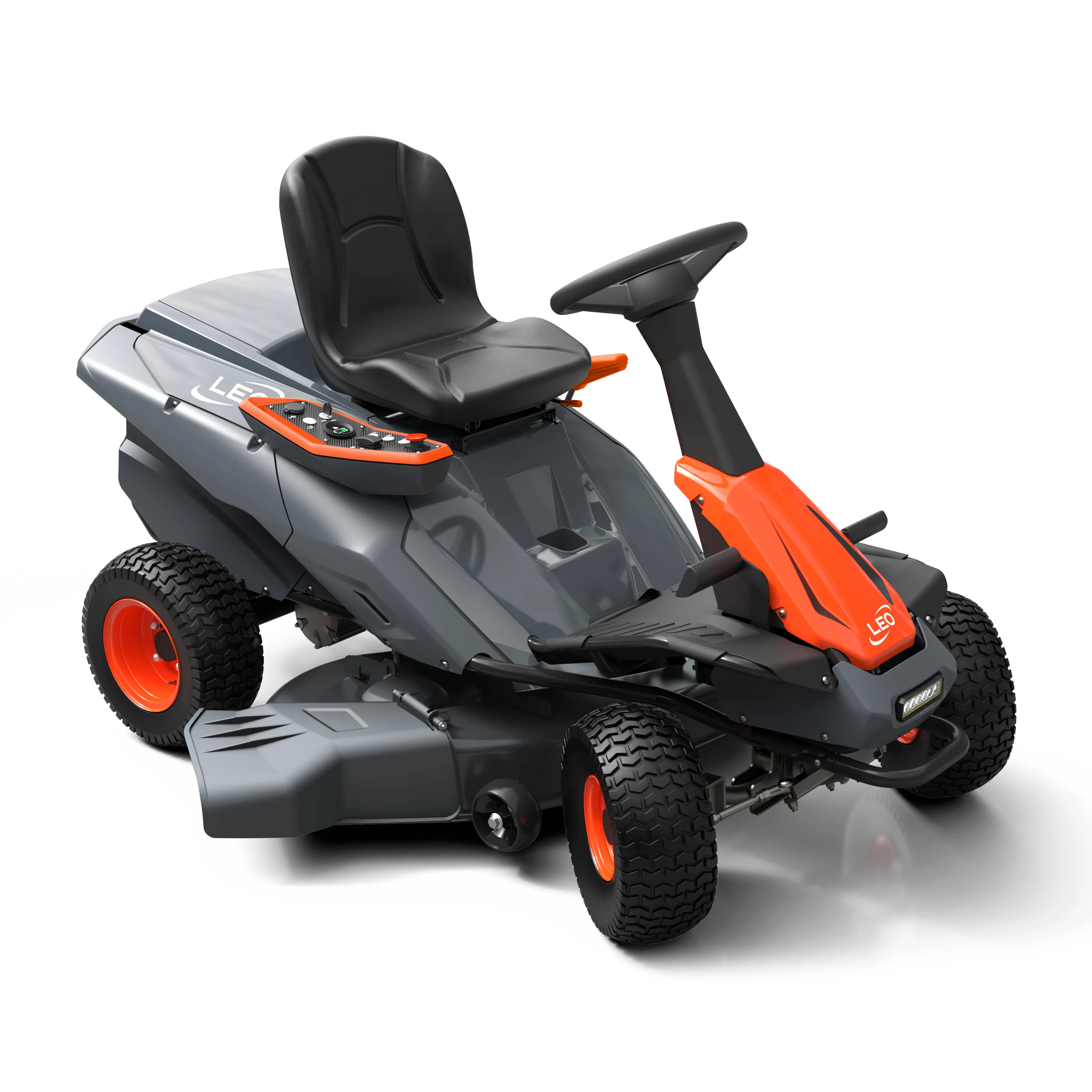
How Underpowered Garden Machinery Drives Up Long-Term Energy Costs
Compensatory Energy Waste: Why Low-Power Units Consume More kWh per Acre
When garden tools aren't properly powered, they push engines and motors to work extra hard just for regular jobs, turning lots of energy into heat instead of actual power for cutting grass or trimming bushes. All this constant stress makes these machines use around 30% more electricity than what they should if they had the right specs. According to various field tests across different regions, lawnmowers and hedge cutters that aren't doing what they're designed for end up wasting somewhere between 15% to maybe even 20% additional kilowatt hours per acre because they take longer to finish the job and lose efficiency as they get hotter over time.
Real-World Efficiency Gap: Rated vs. Actual Output Data Across Commercial Mowers and Trimmers
Manufacturers’ power ratings rarely reflect real-world conditions, where terrain variability and blade resistance diminish actual performance. Field data reveals a 25–40% efficiency gap in commercial-grade equipment:
| Equipment Type | Rated Output (kW) | Actual Output (kW) | Energy Loss |
|---|---|---|---|
| Electric Lawn Mowers | 2.5 | 1.8 | 28% |
| Grass Trimmers | 1.0 | 0.7 | 30% |
This discrepancy extends operating cycles and escalates cumulative energy costs by 22% over five years—turning apparent upfront savings into long-term inefficiency.
Battery Degradation and Replacement Burden in Underpowered Electric Equipment
Electric garden machinery operating below required power ratings accelerates battery deterioration through excessive workload demands. Underpowered units force batteries into deeper discharge cycles and higher operating temperatures, triggering irreversible chemical changes that reduce storage capacity.
Accelerated Battery Wear: The 3-Year Performance Drop in Sub-Rated Units
Lithium ion batteries installed in undersized equipment tend to lose their charge holding ability about 40% quicker compared to correctly sized ones over roughly three years time. The constant strain from running these batteries beyond their limits harms both the electrodes inside and the chemical mixtures that help them work. Studies indicate that lawnmowers with underrated batteries actually produce around 22% extra heat for every acre cut, which speeds up breakdown of the battery's positive terminal material and causes unwanted lithium buildup on the negative side. After the first full year of use, these poorly matched systems typically see their operating time drop somewhere between 15 to 25 percent each year going forward. This means users end up charging them more often, which unfortunately makes the already stressed cells wear out even faster.
Replacement Cost Shock: Batteries as 42–68% of 5-Year Total Cost of Ownership
The cost of batteries ends up being the biggest chunk of money spent on cheap electric equipment over time, making up anywhere from 42 to 68 percent of what someone pays to own it for five years. At first glance, buying cheaper machines looks like a good deal, but then comes the real surprise in the form of having to replace batteries much more often. Businesses using these underpowered devices typically swap out batteries 2.3 times more frequently compared to properly powered options, and every new battery costs between 35 and 60 percent of what the original machine was worth. Take a lawnmower priced at $1,200 as an example. Before this thing finally dies, the owner might spend around $2,100 just on batteries. That's something folks need to think about seriously when they're trying to figure out if something is actually worth the money in the long run.
Operational Inefficiency and Labor Cost Inflation from Underpowered Units
Extended Task Duration: 27% Longer Mowing Cycles in Under-Rated Electric Mowers (LEO 2023 Field Study)
According to field reports from LEO, commercial electric mowers took about 27% longer per acre than properly rated machines during tests last year. The main issue? These mowers often need multiple passes just to get decent cuts, particularly when dealing with thick grass or rough ground. Plus, their motors tend to struggle, which slows them down consistently. Landscaping companies working on properties with 50 acres or more each week face real problems here. All those extra minutes add up to around 130 extra labor hours every month. That means higher payroll expenses and slower job completion rates. Many crews end up turning down new business simply because they can't keep up with demand anymore.
Physical Strain and Productivity Loss in Commercial Landscaping Teams
When machines don't have enough power, operators end up doing all sorts of extra work just to get things done — pushing through tough patches of grass or going around obstacles again and again. All this extra effort really wears people out fast. Studies on ergonomics show workers lose between 15 to 22 percent of their productive time each shift because of it. And folks operating underpowered gear manage about 19% fewer jobs throughout the day compared to those with proper tools. The problem goes deeper than just lost productivity too. Constant strain increases chances of getting hurt and makes employees quit sooner than they should. Companies then spend a ton on finding new staff and training them, which eats up somewhere between 20 and 35% of what they budget for labor every year. That's why investing in high torque machines that match actual field conditions matters so much. Equipment like LEO's top quality mowers delivers power exactly when needed in real world situations, keeping workers fresh longer and protecting company profits at the same time.
Frequently Asked Questions
Why do underpowered garden machines increase energy costs?
Underpowered machines force engines to work harder, converting more energy into heat rather than useful work, which in turn raises energy consumption by up to 30%.
How does battery degradation occur in underpowered electric garden tools?
Undersized units overwork their batteries, leading to accelerated wear and reduced storage capacity due to deeper discharge cycles and higher temperatures.
What is the impact of using underpowered machines on labor costs in landscaping?
Underpowered machines prolong task durations, consuming extra hours and raising payroll expenses, as they require multiple passes to achieve desired results.
What are the long-term cost implications of replacing batteries in underpowered equipment?
Batteries in such equipment constitute 42-68% of a 5-year total cost, due to frequent replacements caused by accelerated wear.
Table of Contents
- How Underpowered Garden Machinery Drives Up Long-Term Energy Costs
- Battery Degradation and Replacement Burden in Underpowered Electric Equipment
- Operational Inefficiency and Labor Cost Inflation from Underpowered Units
-
Frequently Asked Questions
- Why do underpowered garden machines increase energy costs?
- How does battery degradation occur in underpowered electric garden tools?
- What is the impact of using underpowered machines on labor costs in landscaping?
- What are the long-term cost implications of replacing batteries in underpowered equipment?