
 EN
EN
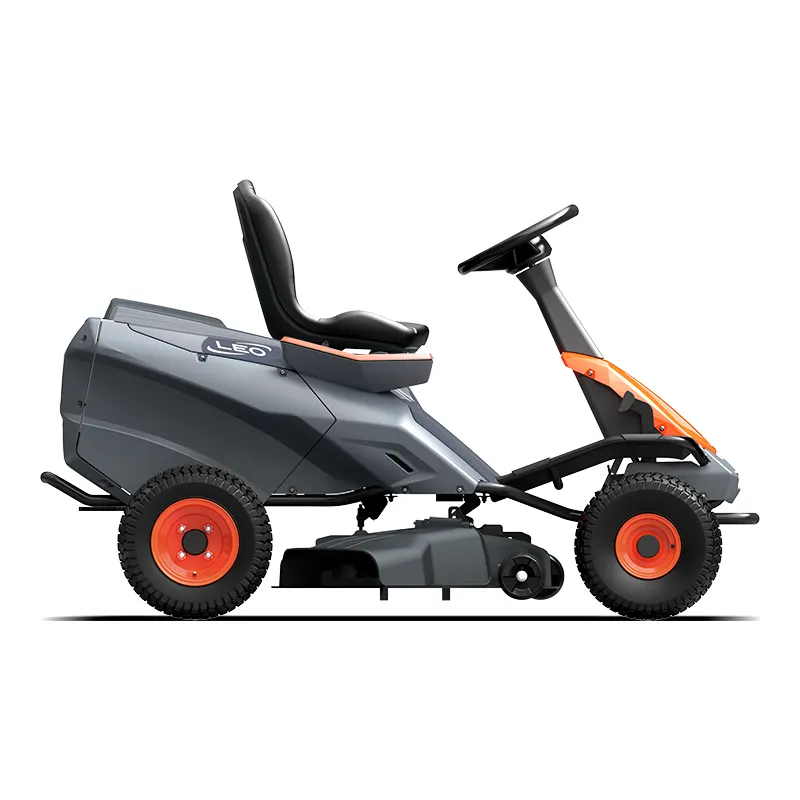
Understanding Garden Equipment Noise Levels: Measurement, Standards, and Real-World Variability
Decibel Basics: How Lawnmowers, Chainsaws, and Leaf Blowers Compare on the dB Scale
Garden equipment noise levels matter most when measured using A-weighted decibels [dB(A)], which reflect how human ears perceive sound. Key comparisons at 1 meter reveal stark differences in auditory risk:
| Equipment Type | Typical Noise Range (dB(A)) | Exposure Risk at 1m |
|---|---|---|
| Gas-Powered Lawnmower | 85–95 dB(A) | Exceeds OSHA’s 85 dB(A) 8-hour limit |
| Leaf Blower (Gas) | 90–105 dB(A) | Requires hearing protection |
| Chainsaw | 100–110 dB(A) | Risk of damage after just 2 minutes |
| Battery Lawnmower | 70–75 dB(A) | Safe for up to 8 hours daily |
For reference, normal conversation is ~60 dB(A). Sustained exposure above 85 dB(A) causes cumulative, irreversible hearing loss—a threshold gas-powered tools routinely exceed. In contrast, modern lithium-ion mowers operate near conversational volume, delivering measurable and meaningful noise reduction.
Regulatory Fragmentation: EU CE Noise Limits vs. Inconsistent U.S. Local Ordinances and Enforcement Gaps
In Europe, there are strict noise regulations set by Directive 2000/14/EC that apply to all outdoor power equipment. Lawnmowers must not exceed 96 dB(A) and need to go through proper testing procedures before getting the CE certification mark. Things work differently across the Atlantic. The United States doesn't have national standards for noise levels in home gardening tools. Instead, local cities and towns handle these regulations themselves. But this approach leads to mixed outcomes since requirements vary so much from one place to another. Some communities enforce quiet operation rules while others barely mention it at all.
- Only 22% of major U.S. cities regulate residential equipment noise, with property-line limits ranging from 65 dB(A) (Santa Monica) to 85 dB(A) (Chicago)
- Enforcement remains rare: Few jurisdictions require or fund calibrated sound meters ($740+), making objective verification impractical
This patchwork forces commercial landscapers—and municipal teams like LEO Garden Services—to navigate conflicting rules across service areas. Meanwhile, homeowner demand for quiet, ecofriendly machinery continues to outpace regulatory development.
The Human Cost: Health, Well-Being, and Community Impact of Excessive Garden Equipment Noise Levels
Occupational Hearing Risk for Landscapers and Cumulative Exposure Thresholds
Workers in landscaping jobs are at serious risk when it comes to their hearing health. Those gas-powered leaf blowers and riding mowers? They crank out between 90 to 105 decibels on average. That's way over the 85 dB threshold set by OSHA for safe exposure during an entire workday. Most folks don't realize how damaging these machines can be unless they wear good quality ear protection consistently throughout their shifts. The truth is, without proper safeguards, all that noise adds up over time and causes lasting damage to the ears. According to recent findings from NIOSH in 2023, even short bursts of loud noise from gardening tools still pile up and create problems down the road. This should make employers rethink how they handle noise hazards in outdoor work environments instead of just brushing them aside as minor inconveniences.
Resident Well-Being: Linking Peak Noise Levels to Sleep Disturbance, Cortisol Elevation, and Reduced Quality of Life
Garden noise does more than just damage hearing—it actually hurts how whole communities feel about where they live. Research from Europe shows that constant noise in neighborhoods disrupts sleep for around 6.5 million people every year. These folks also tend to have higher levels of stress hormones called cortisol, which stays elevated by about 15 to 25 percent compared to normal levels. This kind of stress is connected to increased cases of high blood pressure and generally lower happiness reports among residents. The problem isn't just loud noises in general. Gas powered leaf blowers and lawn mowers are particularly annoying because they're so sharp sounding, point right at homes, and often start working really early in the morning. Because of this, many residents have started pushing for quieter equipment options. Local governments are beginning to take notice too, making noise reduction a bigger priority when creating policies about outdoor maintenance.
The Quiet Shift: How Electric and Battery-Powered Tools Are Redefining Garden Equipment Noise Levels Importance
Quantifying the Reduction: Lithium-Ion Mowers and Blowers Delivering 50–70% Lower Peak dB vs. Gas Equivalents
The introduction of lithium-ion tech has really changed how loud garden gear is these days, not just a little bit, but in a big way. Take a look at modern electric mowers and leaf blowers now they run at around half to three quarters less noise compared to those old gas powered ones. We're talking about noise levels going down from that annoying 85-95 dB range down to something much more manageable between 60 and 75 dB. What does this mean for regular folks? Well, most battery powered tools are actually quiet enough for normal conversation without having to shout over them. And since hearing damage typically starts happening around 85 dB, these newer tools keep us safer in our own yards.
Getting rid of internal combustion engines brings real acoustic benefits. No more explosive fuel ignition sounds, no annoying exhaust pulses, no vibrating mufflers rattling around. Just the smooth, low hum of a brushless motor doing its thing. The quiet operation has some pretty good side effects too. Commercial operators have noticed about 40% fewer noise complaints once they switch their equipment over to electric models. Research also indicates that people operating gas equipment experience cortisol spikes that are up to 27% higher compared to when using electric alternatives. As manufacturers continue improving electric machines so they match gas performance in terms of power and runtime, and as places ranging from California to Sweden implement tougher noise regulations, the difference in decibel levels isn't just nice to have anymore. It's turning into something businesses need for meeting regulations and running operations sustainably.
Policy, Procurement, and Market Momentum: Why Garden Equipment Noise Levels Importance Is Driving Regulatory Bans and Commercial Adoption
From Santa Monica to Seattle: Municipal Ordinances Targeting High-Noise Gas Tools
More and more cities are getting serious about controlling the noise from garden equipment these days. Take Santa Monica which banned gas leaf blowers back in 2023, or Seattle planning its gradual phase out starting 2025. What these moves show is that there's increasing agreement among experts that sounds louder than 85 decibels can actually harm people's health and make life miserable for neighbors. The problem? Gas powered blowers typically hit around 105 to 112 decibels - about as loud as cutting down trees with a chainsaw! Electric models meanwhile stay well under 75 decibels most of the time. Beyond just reducing noise pollution though, these rules push landscaping companies to upgrade their tools, cut down on police having to deal with complaints all day long, and fit nicely with bigger picture efforts to tackle climate change while keeping communities healthier overall.
LEO and Municipal Landscapers Prioritizing Low-Noise Equipment for Compliance, Worker Safety, and Community Relations
Local government operators (LEO) and municipal maintenance teams now prioritize low-noise tools—not as a preference, but as an operational necessity—guided by three interlocking imperatives:
- Regulatory compliance: Meeting tightening EU-style noise standards and expanding U.S. city bans
- Occupational health: Mitigating chronic exposure to 80–105 dB(A) environments, where hearing protection adherence is inconsistent
- Community relations: Reducing resident complaints and building trust in residential neighborhoods
Adoption Benefits for Municipal Operations
| Factor | Gas Equipment Impact | Electric Equipment Advantage |
|---|---|---|
| Noise Emissions | 85–115 dB(A) | 50–75 dB(A) (≈70% reduction) |
| Worker Safety | High hearing risk | Lower cumulative exposure |
| Public Reception | Frequent complaints | Improved community trust |
This procurement shift is accelerating market-wide innovation. Major manufacturers are expanding electric portfolios—not as niche alternatives, but as primary offerings—confirming that garden equipment noise levels importance now directly shapes fleet strategy, budgeting, and long-term sustainability planning.
FAQ
What is the safe decibel level for prolonged exposure?
According to OSHA, prolonged exposure to noise levels above 85 dB(A) can cause cumulative, irreversible hearing loss.
How do electric garden tools compare to gas-powered ones in terms of noise?
Electric and battery-powered garden tools typically produce 50–70% lower noise levels compared to gas-powered ones, operating at a range of 60–75 dB(A) versus the 85–115 dB(A) range of gas-powered tools.
Are there any regulations for garden equipment noise in the U.S.?
In the U.S., garden equipment noise regulation varies by local city ordinances, unlike in Europe where there are strict national regulations. This means regulations can differ significantly from one place to another.
How does garden equipment noise affect community well-being?
Excessive noise from garden equipment can disrupt sleep and elevate stress hormones, adversely affecting the overall quality of life in communities.
Table of Contents
- Understanding Garden Equipment Noise Levels: Measurement, Standards, and Real-World Variability
- The Human Cost: Health, Well-Being, and Community Impact of Excessive Garden Equipment Noise Levels
- The Quiet Shift: How Electric and Battery-Powered Tools Are Redefining Garden Equipment Noise Levels Importance
- Policy, Procurement, and Market Momentum: Why Garden Equipment Noise Levels Importance Is Driving Regulatory Bans and Commercial Adoption
- FAQ