
 EN
EN
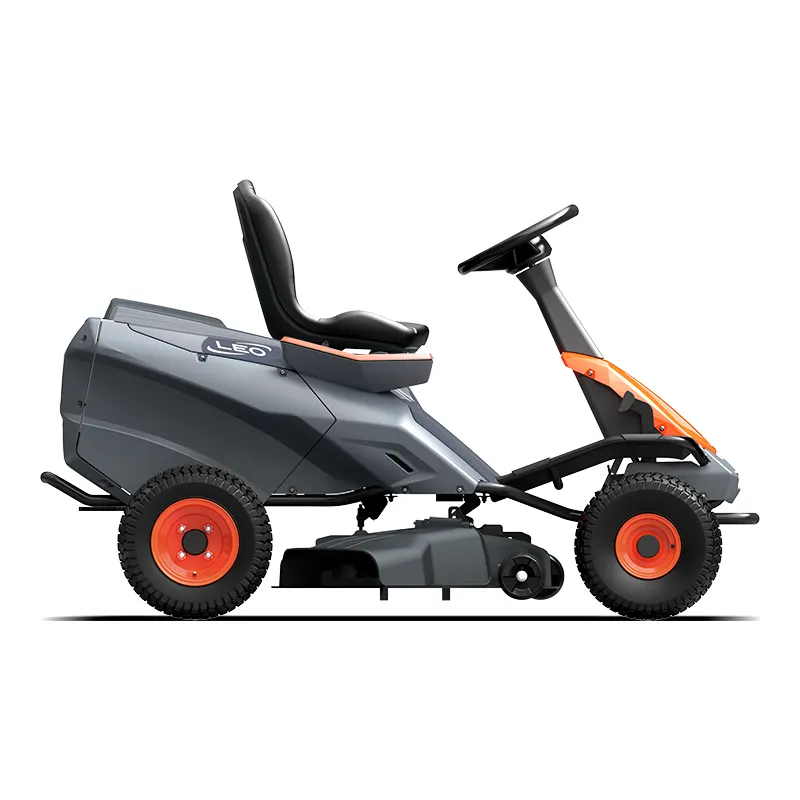
The Engineering Fundamentals of Turning Radius in Ride-On Lawn Mowers
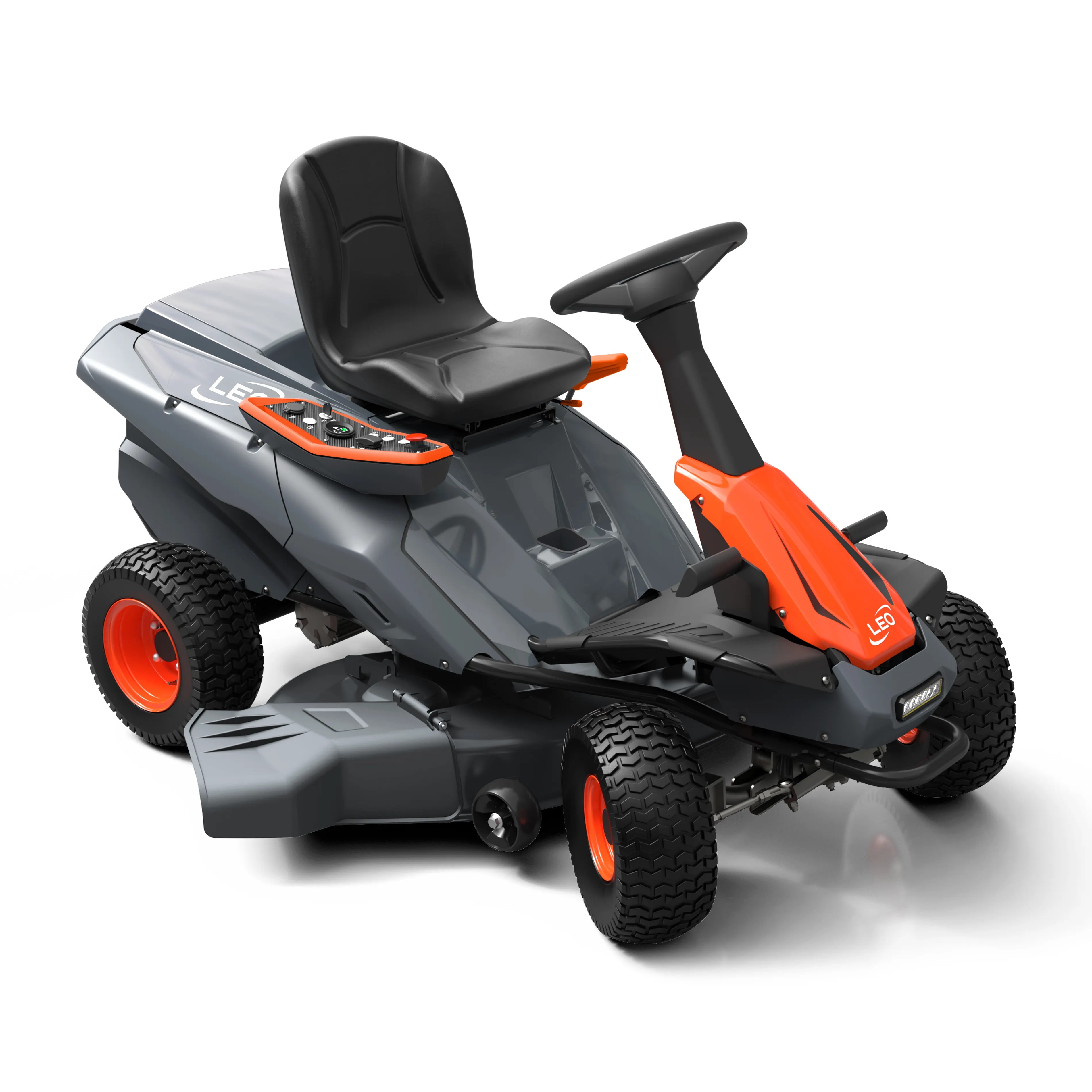
Physics of Pivot: How Center-of-Gravity, Axle Track, and Wheelbase Define Minimum Turn Diameter
The smallest circle a machine can turn within depends on three main mechanical aspects working together. When looking at center of gravity, taller machines tend to tip over more easily when making sharp turns because their weight is concentrated higher up. The distance between wheels on the same axle matters too. Wider spacing gives better stability but means bigger turning circles, which can be problematic in tight spaces like gardens or lawns. Then there's wheelbase length, basically how far apart the front and back wheels sit. Shorter wheelbases allow for tighter turns, something manufacturers know well. According to recent research from the Lawn Equipment Dynamics Review, cutting wheelbase by about 20% usually reduces the minimum turning diameter somewhere between 15% and 18%. Smart designers balance all these factors so equipment remains maneuverable while keeping operators safe and protecting grass surfaces from damage.
Steering Architecture Comparison: Articulated vs. Dual-Drive Differential Systems
Most modern ride-on mowers use one of two basic steering setups. Articulated systems work by pivoting the frame around a central hinge point, which makes all four wheels move together at once. These machines handle rough ground pretty well because they maintain good grip, but they can't make tight turns since the mechanical connections restrict movement. On the other hand, dual drive differential systems have separate motors for each rear wheel, either hydraulic or electric ones. This setup lets the wheels spin in opposite directions, so the mower can literally pivot on the spot. Sure, these models are much better at navigating around obstacles, but their complex hydraulic systems push manufacturing costs up roughly 30% compared to articulated models according to Turf Machinery Analysis from last year. Big name manufacturers are starting to install digital control systems though, helping improve how responsive these machines feel while slowly closing the price difference between the different technologies.
Operational Realities: Balancing Agility, Turf Protection, and Operator Control
Beyond the Spec Sheet: Why Hydraulic Response Time and Input Latency Matter More Than Zero-Turn Claims
The term "zero-turn radius" sounds impressive on paper but doesn't always translate to real world performance. What really matters for agile movement isn't just geometry but how responsive the whole system actually is. According to research published by ASABE last year, if there's more than 300 milliseconds delay in hydraulic steering response, turns end up being about 38% larger than expected while cutting grass. Most operators notice this lag as frustrating corrections mid-turn or unexpected drifting close to sidewalks and garden beds. These delays come from things like slow valve activation and compressed fluids inside the system components something manufacturers often leave out of their specifications. Only when designers get those mechanical parts working hand in hand with accurate sensors and fast reacting hydraulics does true maneuverability actually happen.
The Turf Damage Trade-off: When Aggressive Turning Compromises Lawn Health and Stability
Tight turns take a real beating out of grass surfaces nobody wants to talk about. When equipment makes those sharp pivots while carrying weight, the wheels create all sorts of stress that literally rips apart grass crowns and messes with the roots below ground, especially if the soil is wet or packed down tight. According to some recent studies by Turfgrass Producers International last year, anything smaller than an 18 inch turning circle causes about 40% more root damage than bigger turns around 24 inches or so. What happens? We see patches where the grass gets stripped away, compacted dirt underneath, and slower recovery times for lawns after these incidents. And let's not forget about safety issues too. Those centrifugal forces can really throw things off balance on hills steeper than 10 degrees, particularly when folks behind the wheel push for speed instead of keeping it steady. Smart operators know this stuff matters. They slow down before making any turn and try to go for wider arcs whenever possible given the land they're working on. This approach keeps lawns looking good longer and prevents accidents at the same time.
FAQ Section
What factors significantly affect the turning radius of ride-on lawn mowers?
The turning radius of ride-on lawn mowers is primarily affected by factors such as the center of gravity, axle track, and wheelbase dimensions.
How do articulated and dual-drive differential systems differ for ride-on mowers?
Articulated systems pivot the frame around a central hinge, while dual-drive differentials have separate motors for each rear wheel, enabling the mower to pivot on the spot.
Why is hydraulic response time important for ride-on mowers?
Hydraulic response time is crucial because delays can lead to larger turns, impacting maneuverability and effectiveness, especially in confined spaces.
How can aggressive turning affect lawn health?
Aggressive turning can stress and damage grass crowns and roots, causing patches and slower recovery, especially if the soil is wet or very dense.
Table of Contents
- The Engineering Fundamentals of Turning Radius in Ride-On Lawn Mowers
-
Operational Realities: Balancing Agility, Turf Protection, and Operator Control
- Beyond the Spec Sheet: Why Hydraulic Response Time and Input Latency Matter More Than Zero-Turn Claims
- The Turf Damage Trade-off: When Aggressive Turning Compromises Lawn Health and Stability
- FAQ Section
- What factors significantly affect the turning radius of ride-on lawn mowers?
- How do articulated and dual-drive differential systems differ for ride-on mowers?
- Why is hydraulic response time important for ride-on mowers?
- How can aggressive turning affect lawn health?