
 EN
EN
Matching Ride-On Mower Capacity to Property Scale and Terrain
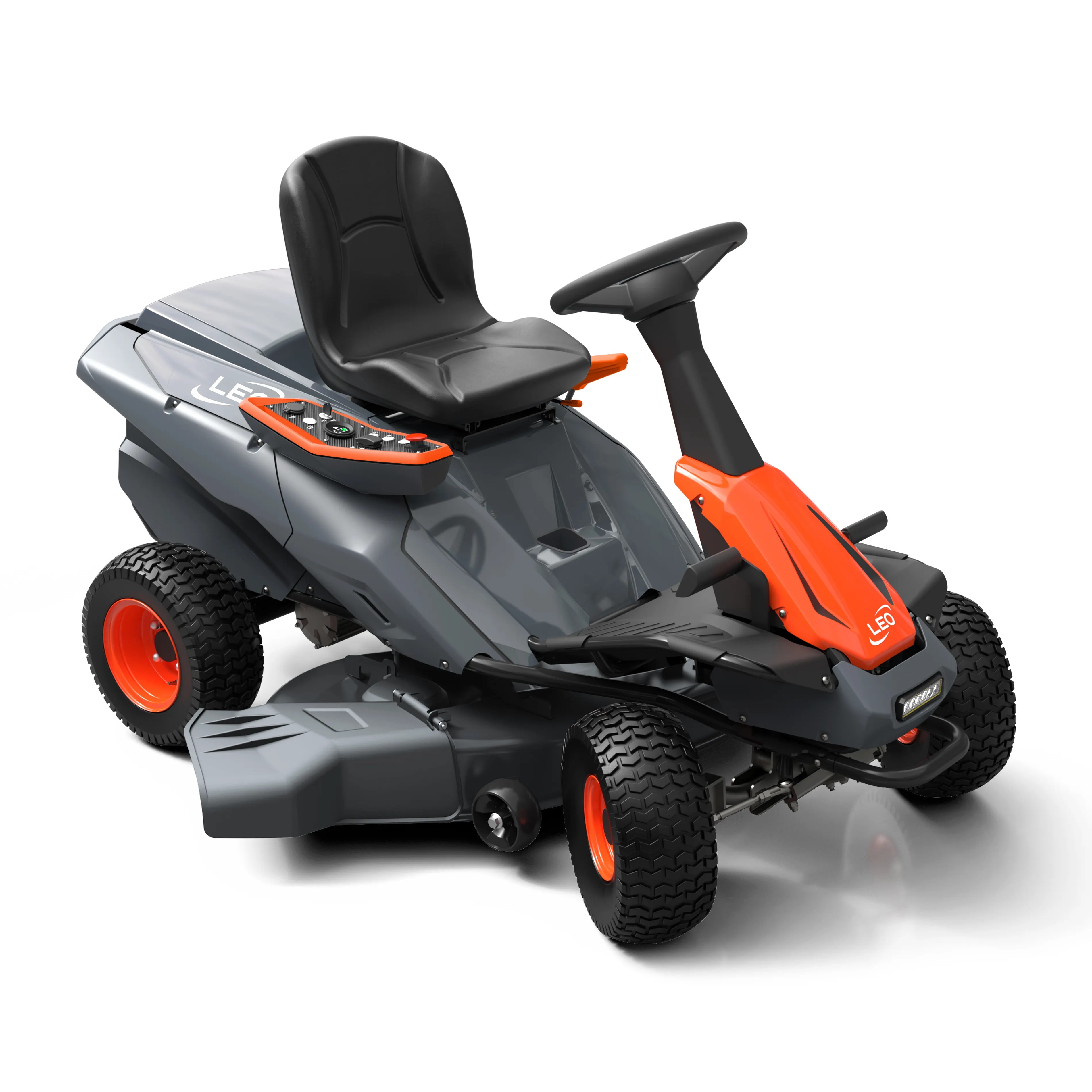
Cut Width, Deck Design, and Ground Speed: Calculating Real-World Coverage Rates
Picking out a ride-on mower really comes down to matching what the machine can do with the actual conditions of your yard. For bigger properties, wider cutting decks between 42 and 54 inches make things go faster since there's less backtracking needed. These work best on those big flat areas that look like rectangles from above. On slightly sloped ground, going for contoured or stamped decks helps keep the grass at an even height and improves air flow around the blades. When it comes to speed, finding the sweet spot matters a lot. Most home users and small business operators find that running between 5 to 8 miles per hour gives good results without sacrificing quality. Here's a quick way to figure out how much area gets covered in real life situations: take the width of the cut in feet, multiply by the ground speed in miles per hour, then throw in a 0.9 factor for efficiency losses. Finally divide all that by whatever obstacles might be scattered across the lawn.
Take a standard 48 inch deck running at around 6 miles per hour. On flat ground without obstacles it can cover roughly 2.2 acres each hour. But when faced with thick tree coverage, flower gardens, or those tricky property lines, the actual coverage drops somewhere between 20 to 30 percent. Lawn mowers with dual blade setups tend to spread cut grass better when dealing with longer blades or wet grass after rain. Getting the deck height just right makes all the difference too. Proper adjustment allows for even cuts even when going up and down hills, which is really important if someone wants healthy turf throughout their yard despite the natural slopes and dips in the landscape.
Zero-Turn vs. Garden Tractor: Throughput Comparison Across 1–5 Acre Properties
When it comes to getting around quickly and efficiently, zero turn mowers really shine. They can tackle a standard 3 acre flat yard up to 45 percent faster than regular garden tractors because they basically pivot on a dime and keep moving forward without stopping. Garden tractors still have their place though, especially when dealing with hills steeper than about 15 degrees. These machines stay planted better and are less likely to tip over on rough terrain or long slopes. Both types use hydrostatic transmissions these days, which is nice for smooth operation. But what makes zero turns stand out is how they cut down on wasted time. No need to back up, overlap strips, or stop and start again just to change direction. This matters a lot for yards where more than 30% of the boundary isn't straight lines according to Green Industry Pros research from last year.
Critical Ride-On Mower Selection Factors: Power, Transmission, and Operator Efficiency
Hydrostatic vs. Manual Transmissions: Impact on Fatigue, Precision, and Route Consistency
With hydrostatic transmissions, there's no need for clutches or gears changing positions, which allows for smooth speed adjustments all the way from zero to max without any jumps or gaps. This matters a lot when machines are going up steep inclines, turning around corners that aren't very wide, or dealing with uneven ground conditions. According to some field tests from last year, operators using these systems experience about 20 percent less tiredness after working several hours straight compared to those stuck with old school manual gearboxes. Less fatigue means better work quality too fewer places get missed during mowing runs and there's not as much backtracking needed for touch ups. The consistent speed control really helps keep things even when pushing against resistance too. Hills don't end up getting stripped bare anymore, and edges around trees or other objects stay neat instead of looking rough. Big open fields just look cleaner overall with no visible stripes from inconsistent passes.
Engine Torque, Fuel Efficiency, and Duty Cycle Requirements for Extended Operations
The engine needs to fit what the job actually requires, not just look good on paper with those peak horsepower numbers. Engines with high torque around 20 to 25 foot pounds give that punchy power at lower speeds necessary for tackling steep hills up to about 30 degrees without getting stuck or dying when cutting through dense, soggy grass. When looking at fuel efficiency, go for designs that are at least 10 horsepower and have EPA certification marks. These engines last longer between fill ups which means fewer stops and starts when working large areas. The duty cycle matters too. Continuous duty engines come with bigger cooling fins, tougher oil coolers, and maintenance intervals that stretch out further. They work best for places bigger than three acres or if running a whole fleet of machines. Want something that lasts and doesn't drive operators crazy? Look for engines under 75 decibels noise level. Also check for vibration dampening mounts and isolation systems. Trust me, these small comforts make a big difference after hours of operation.
Seasonal Scheduling Strategies to Maximize Ride-On Mower Uptime and Output
Dynamic Crew and Equipment Allocation Based on Growth Cycles and Weather Windows
Effective seasonal planning synchronizes equipment deployment with biological growth patterns and local weather volatility. Grass growth surges by 40–60% during spring and early summer—demanding tighter mowing intervals—yet narrow dry windows can compress scheduling flexibility. Proactive operators optimize uptime using three integrated levers:
- Growth cycle tracking, adjusting frequency from biweekly to weekly during peak flushes;
- Weather-responsive routing, prioritizing properties forecasted for dry conditions to prevent soil compaction and rutting;
- Modular crew allocation, rotating staff between mowing, edging, and trimming roles based on humidity, temperature, and turf moisture.
The flexible strategy stops work from piling up, which matters a lot for those mid-sized properties between 3 to 5 acres. Just one day lost waiting for rain to pass can leave behind over 15 hours worth of unfinished jobs. According to studies from Landscape Management Institute back in 2023, companies using this kind of rolling schedule cut down machine downtime by around 32 percent and boost their yearly productivity by nearly 28% compared to old school fixed calendars. What makes all this possible? Well trained staff who can jump into different roles when needed, keeping about 20 extra machines ready as backups for unexpected breakdowns, plus sensors in the ground telling exactly when grass is too wet to cut properly. Wet turf cutting causes serious problems like soil compression and uneven patches, so avoiding it saves both money and headaches later on.
Preventive Maintenance Protocols for Reliable Ride-On Mower Performance
Pre-Season Readiness: Hydraulic Systems, Blade Balance, Tire PSI, and Deck Calibration
Getting into a good maintenance habit before the season starts saves money later when things break down during busy periods and keeps the cut looking sharp all through high demand times. Start by checking the hydraulic system - look for any leaks, make sure hoses are intact, and test the fluid clarity. The Fluid Analysis Journal reported back in 2023 that around seven out of ten hydraulic problems come from dirty or old fluid sitting in the system. Blades need balancing too with something like a mandrel tester. When blades aren't balanced right, they can create vibrations that get way worse than normal, sometimes tripling what should be there. This wears out bearings faster and messes up the cut quality. Keep those tires inflated properly according to manufacturer specs, usually somewhere between 12 and 15 pounds per square inch. If tires are too low, they won't grip well on hills and will scalp the grass. Too much air makes everything bounce around more and cuts into traction. Lastly, level that mower deck with a proper gauge tool. Adjust those lift arms whenever the measurement goes beyond an eighth of an inch difference across the whole deck length. A properly calibrated deck means consistent cutting heights and avoids those ugly stripes or patchy spots that nobody wants to see, especially on nice lawns or areas with slopes.
Frequently Asked Questions (FAQ)
What is the ideal cut width for large properties?
For large properties, a cut width between 42 to 54 inches is recommended to increase efficiency and reduce backtracking.
How do zero-turn mowers compare to garden tractors?
Zero-turn mowers offer faster cutting times and better obstacle navigation, whereas garden tractors provide greater slope stability and durability on rough terrain.
Why is hydrostatic transmission preferred over manual transmission?
Hydrostatic transmissions offer smoother speed adjustments and reduce operator fatigue, enhancing precision and consistency in mowing routes.
Table of Contents
- Matching Ride-On Mower Capacity to Property Scale and Terrain
- Critical Ride-On Mower Selection Factors: Power, Transmission, and Operator Efficiency
- Seasonal Scheduling Strategies to Maximize Ride-On Mower Uptime and Output
- Preventive Maintenance Protocols for Reliable Ride-On Mower Performance
- Frequently Asked Questions (FAQ)