
 EN
EN
Mechanical Safeguards Built into the Branch Chipper Drivetrain
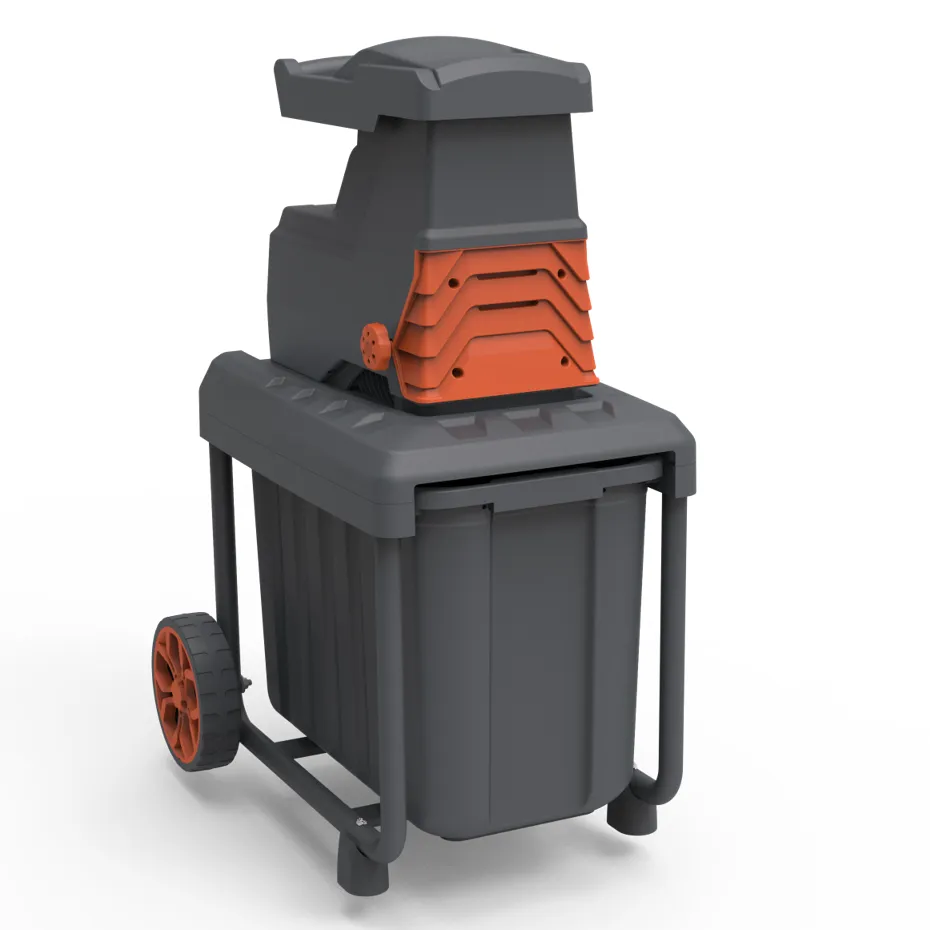
Shear Bolts and Torque-Limiting Protection to Prevent Component Failure
Shear bolts are basically designed to break when the torque in the drivetrain goes beyond what's considered safe levels, especially when there's a sudden jam somewhere in the system. When this happens, they stop the power from getting through right away. This kind of safety mechanism really protects important parts such as gearboxes and rotating components from getting damaged by too much force. According to some field tests, putting these shear bolts into operation cuts down on drivetrain problems by about two thirds (ASABE standard EP561.1 published last year). Another big plus is that maintenance crews don't need any fancy equipment to swap out broken bolts after something gets stuck, which means machines can be back up and running much faster after encountering debris issues.
Guarded Infeed Chutes with Interlocked Shields That Halt Operation on Opening
The infeed chutes come with safety shields that have built-in electromagnetic sensors to spot when someone tries to get too close. If any part of these guards gets opened, the machine stops right away through backup safety circuits so workers' hands stay clear of moving parts. The whole setup meets the latest ISO 21873-1:2022 standards for preventing crushing injuries. Tests done by independent labs show this system cuts down on entanglement accidents by about four out of five cases. After the machine shuts off, operators need to manually reset it themselves before starting again. This extra step makes sure nobody just turns things back on without checking everything is safe first.
Real-Time Operator Protection Systems in the Branch Chipper
Redundant Emergency Stop Levers with Dual-Circuit Kill Logic
Modern branch chippers come equipped with multiple emergency stop levers right where workers can grab them easily. These stops connect to what's called dual-circuit kill logic, basically meaning they cut off both hydraulic pressure and electrical power at once. If something goes wrong with one circuit, maybe because a relay breaks down or a hydraulic hose bursts, the backup system kicks in immediately to stop everything moving. No single point can bring down the whole safety system this way. And it's not just good design thinking either - these machines actually hit the ISO 21873 safety requirements specifically created for dangerous work in forests and woodlands.
RPM-Regulated Feed Control to Eliminate High-Velocity Ejection Risks
The feed system works hand in hand with the rotor speed through sensors that provide constant updates. When things start spinning too fast for safety, the rollers will either slow down or even reverse direction to stop those pesky branches from becoming dangerous flying objects. Statistics show that about 4 out of 10 ejection problems come from uncontrolled feeding when dealing with plant material. With this smart control system in place, operators stay safely where they should be while handling all sorts of tricky materials that would normally cause jams in regular mechanical setups. Think tangled branches or soggy leaves that just love to get stuck everywhere.
Intelligent Feed System Safety Innovations for Branch Chipper Operators
Automatic Feed with Obstruction Detection and Instant Reverse Protocol
Smart feed systems keep workers away from dangerous cutting parts because they handle feeding materials automatically and deal with blockages on their own. When something gets stuck or there's an odd object in the system, special sensors pick it up right away and kick off a quick reverse action that clears everything out without anyone needing to touch it manually. No more risky situations where someone might try grabbing at something stuck near those spinning drums. Plus, these systems maintain good production rates and cut down on unexpected stoppages that mess up schedules and waste time money.
Branch Chipper Compliance: Certification Standards and Field-Validated Safety Performance
ISO 21873-1:2022 Requirements and Validation Frameworks
The ISO 21873-1:2022 standard outlines key safety needs for mobile crushing machines. These include things like making sure structures hold together properly, creating safe areas around operators, and having emergency stops that actually work when needed. Big equipment makers help their clients follow these rules by building validation systems right into their products. This approach combines checking designs before production starts with regular monitoring once the machines are out in the field. Independent inspectors look at how well shear bolts stand up to repeated stress over time. Companies also run yearly tests on hydraulic pressures and check if emergency stops respond correctly. Real world stats show that sticking to these strict validation processes can cut down workplace dangers by as much as 78%. But getting this right across different countries remains tricky since regulations vary quite a bit from region to region.
FAQ
What are shear bolts and how do they work in branch chippers?
Shear bolts are designed to break when the torque in the drivetrain exceeds safe levels, preventing damage to gearboxes and rotating components.
How do guarded infeed chutes enhance safety?
They have electromagnetic sensors that stop the machine if opened, preventing injuries and meeting ISO standards.
What is dual-circuit kill logic?
It's a system where emergency stops cut off both hydraulic pressure and electrical power to enhance safety.
How does RPM-regulated feed control improve operation safety?
It adjusts roller speed to prevent uncontrolled feeding and high-velocity ejection risks.
What are the benefits of automatic feed systems?
They handle feeding materials automatically, detect obstructions, and activate reverse protocols to clear blockages safely.