
 EN
EN
Wood Density’s Direct Impact on Branch Chipper Throughput and Energy Demand
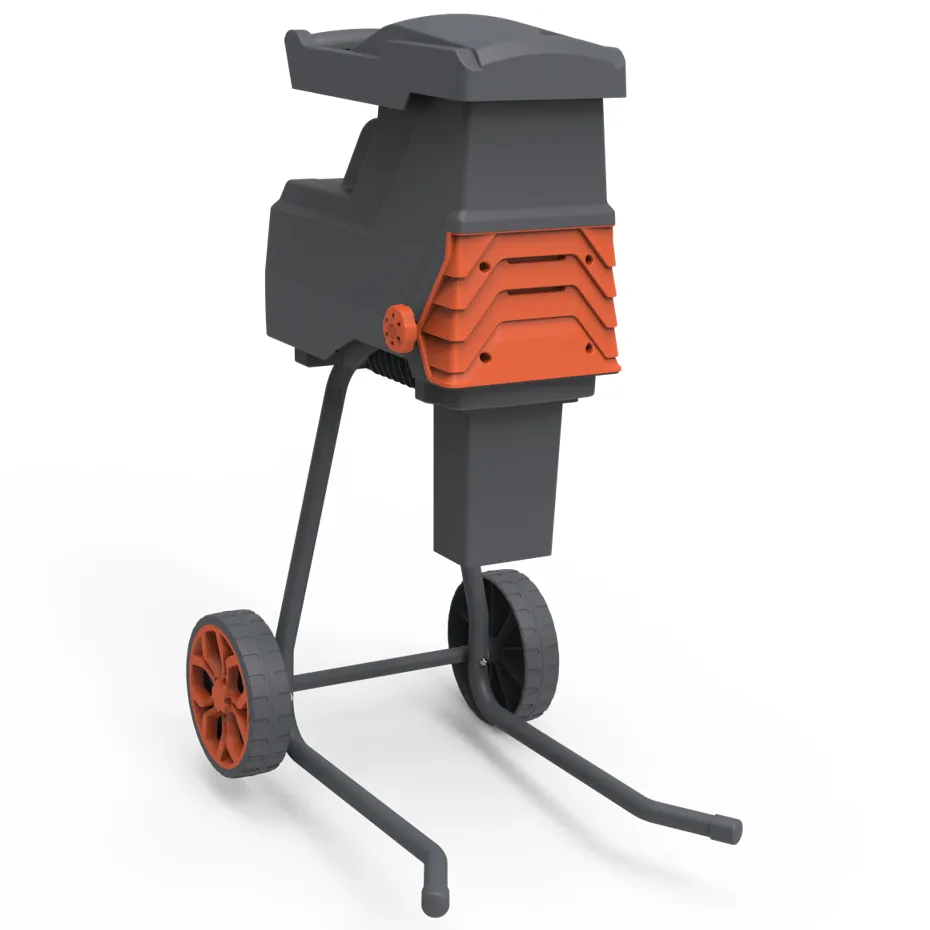
When working with denser woods, branch chippers just don't process material as quickly and end up burning through more fuel in the process. Take oak or hickory for instance these dense hardwoods can eat through about 59 liters of fuel every hour which is roughly three times what pine trees consume according to research published in Applied Energy back in 2015. The reason behind this lies in their tightly packed cell structure that needs much more force to break apart, putting extra strain on both the motor and cutting components. What happens next?
- Throughput drops by 40–60% when chipping dense species versus low-density wood
- Energy demand rises to 0.92 MJ per megagram of dry matter for dense branchwood
- Operational power draw exceeds 3,300 W for branches over 50 mm in diameter
When wood gets denser, efficiency tends to drop off, so chipper specs really need to match what kind of material is coming through. Anyone working with mixed woods would be better off going with those high torque drum chippers if they want to keep things moving smoothly. There's another angle here too regarding carbon output. Chipping dense wood produces around 16.4 kg CO2 equivalent per megagram dry matter, which is actually 52 percent more than when processing whole trees. That number alone makes it pretty clear why matching equipment capabilities to the actual materials being processed matters so much for both getting the job done right and keeping environmental impact down.
The Combined Effect of Wood Density, Moisture Content, and Species Hardness on Branch Chipper Durability
The density of wood plays a major role in how much stress and energy is needed during branch chipping operations. Hardwoods tend to wear down blades much faster than softwoods, sometimes as much as 70% quicker according to field observations. The moisture level also makes a difference. Freshly cut timber around 50% moisture content chips better overall, though it does lead to more corrosion problems. On the flip side, when wood dries out in the air, it becomes harder to cut through, increasing resistance by roughly 30 to 40%. Different species complicate things even further. Take eucalyptus for instance. Operators find they need to replace blades about two and a half times more often when working with eucalyptus compared to pine trees of similar size.
This triad—density, moisture, and hardness—creates cumulative durability pressures:
- Abrasion mechanics: High-lignin cellular structures in dense woods act like natural abrasives on cutting edges
- Fatigue cycles: Repeated high-torque chipping of dry hardwood induces micro-fractures in rotor assemblies
- Corrosion synergy: Moisture combines with wood resins to accelerate oxidation on stressed components
Looking at real world operations reveals something important about mixed wood processing. When different wood types get fed into machinery without proper adjustments, it actually speeds up wear on bearings and drive systems by around 45%. To keep equipment running longer, there are some basic rules operators need to follow. First off, hardwood pieces shouldn't be too thick when they go in. The moisture content matters too, ideally keeping it somewhere between 30% and 40%. And don't forget about blade geometry matching specific wood species. These combined measures really make a difference. Components last approximately 200 to 300 extra hours before needing replacement, which translates to about 18% savings on maintenance expenses over time. Makes sense why many facilities have started implementing these practices across their operations.
Beyond Density: Key Material Properties That Influence Branch Chipper Capacity and Control
While density governs chipping force, other material properties critically shape chipper stability, output consistency, safety, and maintenance frequency.
Fiber Orientation and Resin Content as Co-Determinants of Chipper Load Stability
How wood fibers line up compared to the feed direction really affects how much vibration happens and if the machine stays stable under load. When branches are fed along the grain they tend to go through cutting drums without problems. But when material is fed across the grain, this creates all sorts of issues. The torque fluctuates quite a bit actually, maybe around 40% more according to some research from Industrial Processing Journal last year. And then there's the problem with resin rich woods like pine. These stick to the blades and create buildup that wears them out faster. We've seen blade replacements needed twice as often once resin content goes over about 8%. Low resin hardwoods don't have this same issue. All these things together mean operators need to watch what kind of material they're processing. Otherwise their chipper might produce inconsistent chips or worse yet, experience dangerous kickbacks that can damage equipment and injure workers.
Emerging Use of Real-Time Feedstock Profiling in Smart Branch Chipper Systems
Today's advanced chippers come equipped with spectroscopy tools and pressure sensors that look at what kind of branches are going into them. When branches go through the machine, these smart systems actually change how much pressure is applied hydraulically and how fast the rotor spins. They do this because they detect things like how dense the wood is, how wet it gets, and how many knots are present. A big name manufacturer did some testing recently and found something interesting about their machines. Their predictive load balancing system made the whole process work better, boosting efficiency around 15% compared to when everything runs at the same speed all the time. This means motors don't stall when hitting really tough spots in the wood, plus the chips produced tend to be more consistent even when processing different types of branches.
FAQ
What is the relationship between wood density and chipper efficiency?
The efficiency of a chipper decreases as wood density increases because denser woods like oak and hickory require more force to process, leading to higher fuel consumption and reduced throughput.
How does moisture content affect branch chipping?
Moisture content influences the ease of chipping; freshly cut timber with around 50% moisture content chips better, although it may cause more corrosion. Conversely, dried wood becomes harder to cut, increasing resistance.
What factors contribute to the wear and tear of chipper components?
High wood density, moisture content, and species hardness contribute to the abrasion, fatigue, and corrosion of chipper components, impacting durability.