EN
Gasoline Lawn Mower vs Electric Lawn Mower: Understanding the Main Differences.
Choosing between a gasoline lawn mower and an electric model is less about declaring one technology universally superior and more about matching the machine to the lawn, the operator, and the routine around it. As a garden-machinery technical consultant, I start with the job itself: How large is the cutting area? Does grass become dense or damp between cuts? Can you charge between sessions? The answers matter more than a simple gas-versus-battery label.
A petrol mower still makes sense when sustained work, thick growth, and freedom from charging are priorities. An electric mower is often appealing when lower routine maintenance, easier handling, and a quieter mowing experience matter most. This power comparison walks through the practical differences so you can choose lawn equipment with fewer surprises after purchase.
The short answer: match the mower to the work pattern
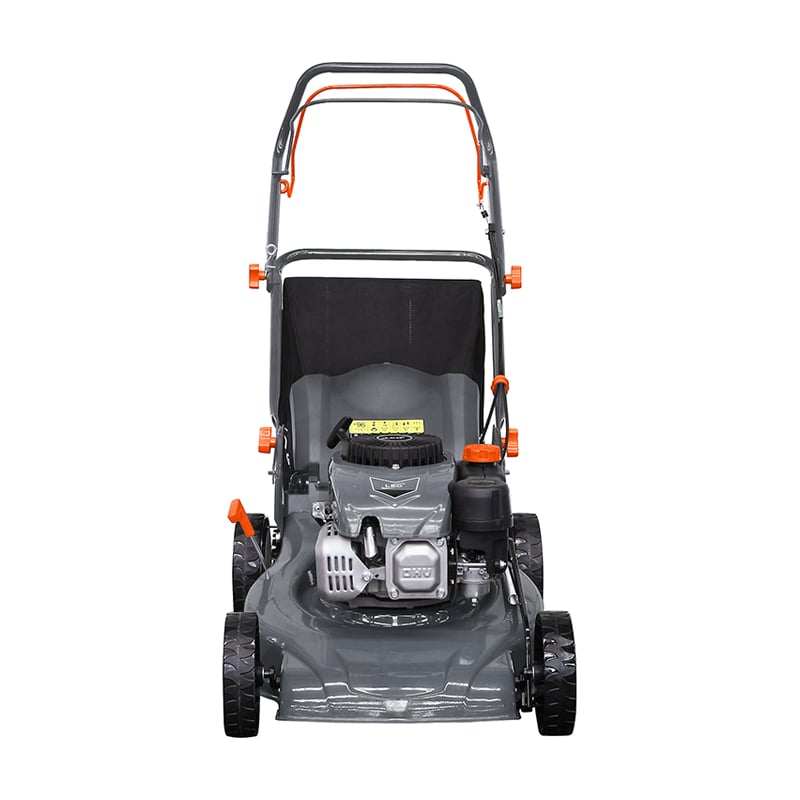
For a large, remote, overgrown, or frequently demanding lawn, a gasoline lawn mower usually offers the most predictable all-session capability: refuel and keep working. For a small-to-medium lawn that can be cut regularly near a charging point, an electric mower can be a very convenient fit. It is not quite that simple, though. A well-chosen cordless mower can handle many ordinary gardens, while a poorly maintained petrol mower can be frustrating no matter how much power it has.
| Decision factor | Gasoline lawn mower | Electric mower |
|---|---|---|
| Power supply | Fuel carried in the tank | Battery charge or mains cable, depending on model |
| Long sessions | Refuel and continue | Plan around battery capacity, spare batteries, and charging |
| Routine care | Fuel, oil, air filter, spark plug, and seasonal storage attention | Battery care, charging, cleaning, and blade maintenance |
| Noise and exhaust | More engine noise and exhaust at use | Typically quieter at the operator and no tailpipe exhaust |
| Handling | Often heavier, with model-specific self-propelled options | Often easier to maneuver, especially compact cordless designs |
Power and cutting performance: torque matters when conditions get difficult
People often reduce this choice to “gas is stronger.” In a difficult patch of tall, wet, or dense grass, a petrol mower can indeed provide sustained engine output without waiting for a battery recharge. That can be useful for a larger property, an irregular mowing schedule, or a contractor-like workload. The advantage is not merely peak power; it is the ability to keep cutting once the fuel supply is topped up.
But more engine capacity does not automatically mean a better finish. Blade sharpness, deck design, travel speed, cutting-height setting, and how much grass is removed in one pass all influence cut quality. With either type of lawn equipment, reducing the cutting height too aggressively in damp growth can leave clumps or strain the machine. A gasoline lawn mower helps with sustained demanding work, but it cannot replace sensible mowing technique.
Modern electric models can be fully capable on regularly maintained grass. The key is to assess the complete battery system rather than the mower alone. Ask about battery capacity, expected runtime in your conditions, charge time, whether the battery is shared with other tools, and the cost and availability of an additional battery. Consumer Reports notes that its recent tests found an average battery walk-behind runtime of roughly 45 to 50 minutes per charge; treat that as a planning reference, not a promise for every model or lawn.
Runtime, refueling, and charging: where the daily routine changes
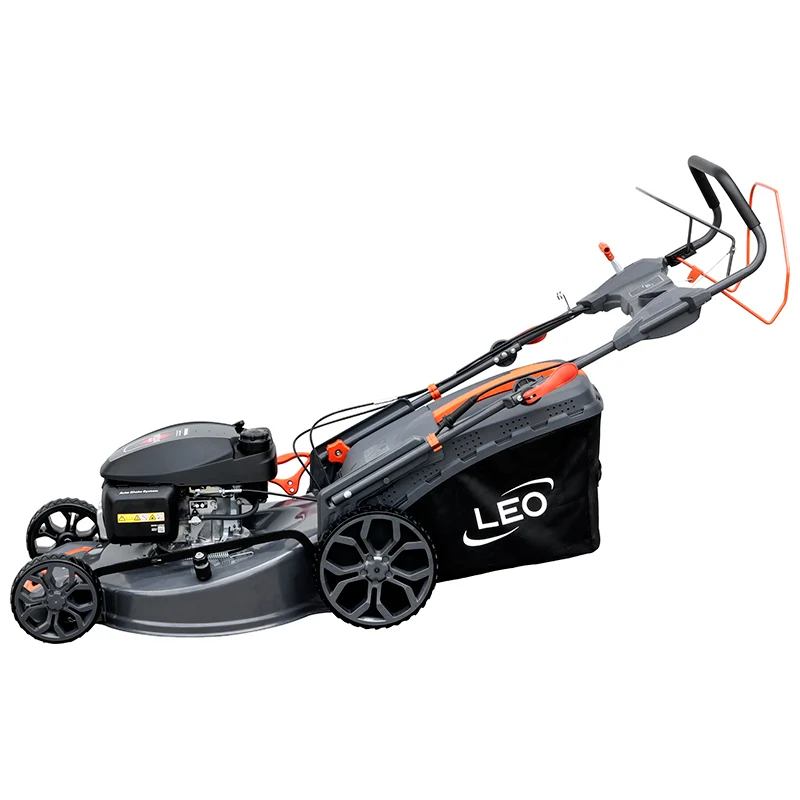
A gasoline lawn mower is straightforward for long sessions. You check the fuel level, refuel safely when needed, and continue. That makes a petrol mower practical where the cutting area is large, the grass is allowed to grow longer, or access to electricity is limited. It also removes the anxiety of watching a battery indicator halfway through a job.
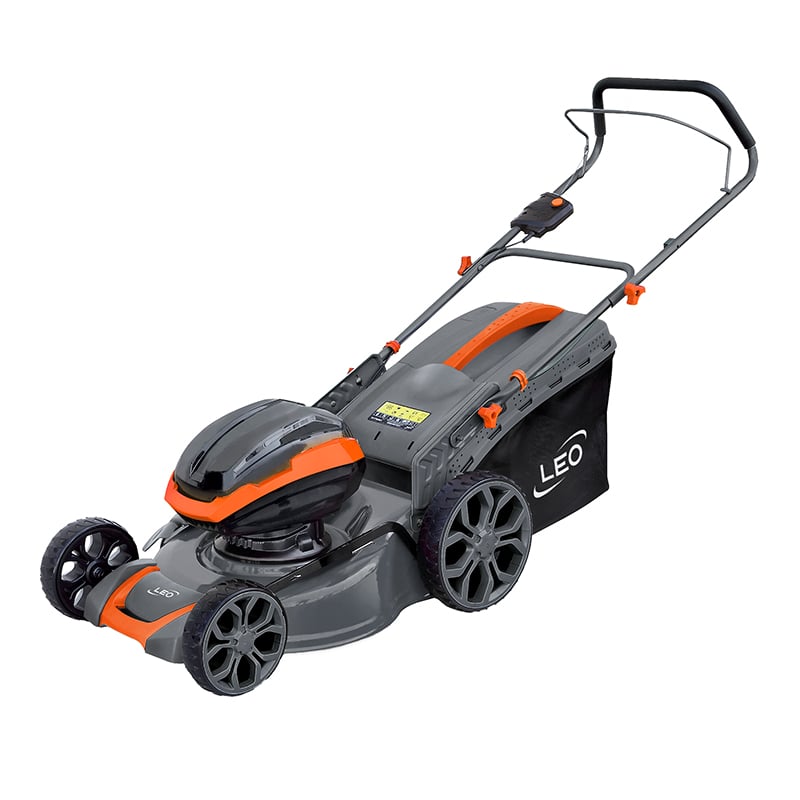
An electric mower asks for a little more planning but can simplify the actual mowing day. For a lawn that fits within one charge, you can take the mower out, cut, clean the deck, and recharge. For a larger area, a second compatible battery can make the workflow smoother. Charging time is not an inconvenience if it happens between mowing sessions; it becomes a bottleneck when one battery must cover a long job on the same day. That is why runtime should be compared with your real cutting time, not just your property size.
Consider the lawn layout as well. Narrow paths, separate front and rear lawns, slopes, and trees can lengthen a mowing session even if the total square footage seems modest. A power comparison that ignores maneuvering time may lead you to buy a battery capacity that feels adequate on paper but falls short in use.
Noise, emissions, and comfort around the garden
Electric mowers are often the easier choice where close neighbors, early-evening mowing, or operator comfort are important. They still make sound—blade noise and wheel noise do not disappear—but the character and level of sound are commonly lower than a combustion engine. Consumer Reports notes that mower models with fair or poor noise scores in its testing exceeded 85 dB at the ear, a level where hearing protection is recommended. Regardless of mower type, ear protection is a sensible part of safe operation when exposure is significant.
A gasoline lawn mower produces exhaust during operation and has the familiar engine smell that some users want to avoid. An electric mower has no tailpipe exhaust at the point of use, which can be particularly attractive in enclosed garden areas or for users who value a cleaner-feeling routine. The broader environmental impact also depends on electricity generation, battery manufacture, product longevity, and proper end-of-life handling, so it is better to avoid oversimplified claims.
Maintenance and storage: less frequent is not the same as none
Routine maintenance is one of the clearest differences. A petrol mower needs attention to fuel quality, engine oil where applicable, filters, spark plugs, and winter storage. Leaving fuel unmanaged over a long off-season can create starting problems when spring arrives. If you are comfortable with basic servicing—or have a convenient service provider—this may be a reasonable trade-off for the flexibility of a gasoline lawn mower.
An electric mower generally removes the engine-service list, but it still needs care. Keep the deck clean, inspect and sharpen the blade, check controls and safety features, and follow the manufacturer’s battery-storage guidance. Avoid treating the battery as an afterthought: storing it in unsuitable heat or cold can affect usability over time. For many homeowners, the lighter maintenance routine is the strongest reason to choose an electric mower.
Cost: look beyond the purchase price
Upfront price matters, but ownership cost deserves its own comparison. A gasoline lawn mower has ongoing fuel and service needs. An electric mower has electricity costs and, eventually, battery replacement considerations. The right comparison is not a universal dollar figure because prices, mowing frequency, fuel cost, local service rates, and battery systems vary widely.
Instead, list the costs you can reasonably expect over several seasons: purchase price, fuel or electricity, planned servicing, blades, storage supplies, and replacement battery options. Also put a value on your time. If you enjoy doing engine maintenance, a petrol mower may be easy to live with. If you prefer a simpler start-and-store routine, an electric mower may repay a higher initial price through convenience.
Which mower suits your lawn?
Choose a gasoline lawn mower when:
- You regularly mow a large area or cannot reliably recharge between jobs.
- Grass often becomes tall, dense, or damp before you cut it.
- You need refueling flexibility for a long or variable work session.
- You are prepared for fuel handling and periodic engine maintenance.
Choose an electric mower when:
- Your lawn can comfortably fit within a verified battery plan or corded working area.
- You value lower routine maintenance, easier maneuvering, and reduced local noise.
- You can store and charge batteries according to the manufacturer’s guidance.
- You usually cut grass on a regular schedule rather than tackling heavy overgrowth.
Final decision: buy the system, not just the mower
The right choice is the mower you can use consistently and maintain properly. A gasoline lawn mower remains a dependable option for sustained, demanding work and locations where charging is impractical. An electric mower can be a more comfortable, lower-maintenance solution for routine residential cutting when runtime is planned realistically.
Before you decide, write down the longest likely mowing session, the toughest grass conditions, the route through the garden, your charging access, and the maintenance you are willing to perform. That small exercise turns a generic petrol mower versus electric mower debate into a decision that fits your lawn equipment needs.


 Hot News