
 EN
How Long Can a Lithium Ion Ride On Mower Battery Last?
A lithium ion ride on mower battery can remain useful for many mowing seasons, but there is no responsible one-number answer. Battery chemistry, pack size, charging cycles, heat exposure, storage habits, workload, and the mower’s battery-management system all affect the outcome. A useful distinction is between runtime, how long the mower works after one charge, and battery lifespan, how many years of acceptable capacity the pack retains.
As a garden-machinery technical consultant, I would start with the conditions around the mower rather than a headline claim. A lightly used electric mower stored indoors will age differently from one discharged hard in summer, left fully charged in a hot shed, and used on dense grass every week. Check the manual and warranty for the model in front of you; they are the only reliable source for its approved charging temperatures, storage procedure, and expected service support.
The short answer: judge lifespan in seasons and capacity, not just years
Most owners notice battery ageing gradually. The mower still starts and cuts well, but the area covered per charge becomes smaller or a previously comfortable job needs a mid-session recharge. That is normal capacity fade, not automatically a fault. A well-matched lithium ion ride on mower that is charged, stored, and used within its stated limits may provide several years of practical service; heavy duty, hot storage, deep discharge, and poor maintenance can shorten that period substantially.
Before choosing between cordless and petrol, ask yourself one question: how long does it actually take to mow your property in a normal session? The answer matters more than a broad promise about battery life. If the job regularly consumes nearly all the displayed charge, the pack will experience more demanding cycles than a machine with comfortable capacity headroom.
What counts as a charging cycle?
Charging cycles are often misunderstood. A cycle is usually the equivalent of using a full battery capacity over time, not necessarily one plug-in event. For example, two separate partial uses that together draw roughly a full pack’s capacity may amount to one equivalent cycle. The exact method used in a warranty or technical document can vary, so do not compare cycle figures across brands without reading the definitions.
Cycle count is only part of the story. Lithium packs also age while sitting, particularly when exposed to heat or held at a very high state of charge for long periods. That is why a low-hour mower can still lose capacity if it spends each off-season in unsuitable storage. Conversely, frequent use is not inherently harmful when charging and temperature guidance are followed.
Why runtime and battery lifespan are different
Runtime changes from one mowing day to another because grass height, moisture, terrain, cutting width, operator speed, tyre pressure, blade condition, and collection mode change the load on the electric mower. Battery lifespan is the slower change in how much energy the pack can store and deliver over months or years.
- Short runtime today may be caused by tall or wet grass, a dull blade, a steep site, or a high collection load.
- Declining runtime across many sessions may indicate normal battery ageing, but it can also warrant a dealer inspection.
- A sudden warning, heating issue, physical damage, or charging error is not routine ageing. Stop using the pack and follow the manufacturer’s service instructions.
The appeal of battery operation—no petrol handling and a quieter working experience—is real, but it comes with a runtime ceiling. For a property and mowing schedule that fit the machine, that tradeoff works well. For very large plots or repeated back-to-back jobs, it becomes an operational planning question rather than a simple technology preference.
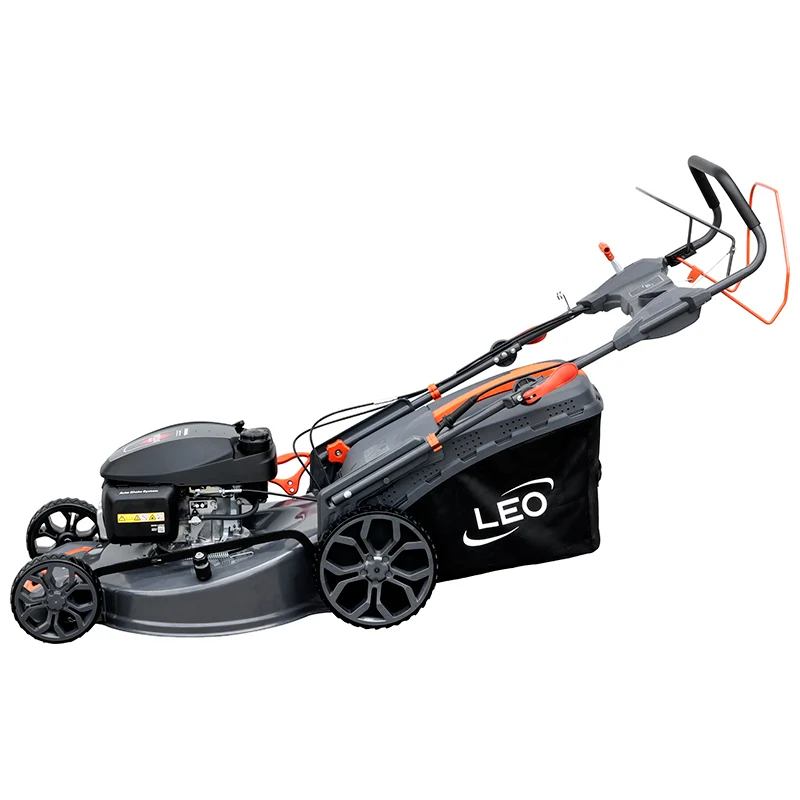
Four habits that protect battery lifespan
1. Avoid unnecessary heat
Heat is one of the clearest avoidable stresses on lithium batteries. Park the mower out of direct sun where practical, allow a warm pack to cool as the manual directs, and avoid storing it in a space that becomes very hot. Do not charge a pack that is outside the manufacturer’s approved temperature range. Cold conditions can also limit available power and may restrict charging, so bring the equipment into the approved range before connecting the charger.
2. Do not make full depletion a routine
Using the mower until it stops every time is rarely a sound operating plan. Recharge when the machine indicates it is time, rather than repeatedly forcing the pack into a very low state of charge. The mower’s battery-management system provides important protection, but it does not turn extreme use patterns into ideal maintenance. Plan the mowing route, raise the cut height for heavy growth, or split an unusually long session when necessary.
3. Use the specified charger and keep connections clean
Use only the charger and charging process approved for that battery platform. Inspect the battery bay and charging contacts for grass debris, moisture, corrosion, or damage before charging. Do not modify connectors, bypass safety systems, or use a charger with a damaged cable. These are basic maintenance steps, yet they prevent avoidable charging faults and help the mower communicate correctly with its pack.
4. Store for the season, not for tomorrow morning
Winter storage deserves a different routine from a short pause between mows. Many lithium-ion care guides favour a partial charge and a dry, temperate indoor location for extended storage, but the correct state of charge and temperature range are model-specific. Follow the mower manual rather than treating a generic percentage as universal. What matters is avoiding a fully depleted battery, extremes of heat or freezing conditions, moisture, and long periods of neglect. Check the charge level at the interval the manufacturer recommends.
Maintenance beyond the battery still matters
A battery is asked to work harder when the rest of the mower is neglected. Keep the underside of the deck clear, fit or sharpen blades according to the service schedule, maintain correct tyre pressure, and use an appropriate cutting height for conditions. Dense, wet grass and an overloaded collection system increase energy demand; a clean, well-maintained cutting system helps the electric mower use its available energy more efficiently.
It depends on the lawn, of course. Cutting a small amount regularly generally asks less of the drivetrain than tackling very long, damp grass after a delay. If a single charge suddenly seems inadequate, first check mowing conditions and basic maintenance before assuming the pack has reached end of life.
When should you think about replacement or service?
Look for a consistent pattern rather than one disappointing session. Consider a dealer or authorised service route if the lithium ion ride on mower shows materially reduced coverage under comparable conditions, persistent error messages, unusual heat, swelling, damaged housing, charging failures, or a battery warranty concern. Do not open a high-voltage battery enclosure yourself. A service professional can assess the pack, charger, wiring, and battery-management system together.
When buying, also ask about battery warranty terms, replacement-pack availability, expected service channels, and whether the platform is shared with other compatible tools. Long-term ownership is not just about the initial battery capacity; parts availability and support can be just as important once the mower is several seasons old.
Practical checklist for longer-lasting electric mower batteries
- Choose capacity that leaves a margin for your usual mowing session.
- Charge only with the specified equipment and within approved temperature limits.
- Do not routinely run the battery to an extremely low charge.
- Keep the mower deck, blade, tyres, contacts, and battery bay in good condition.
- For off-season storage, follow the manual’s charge level, location, and inspection guidance.
- Stop use and seek qualified service if the pack is damaged, overheats, swells, or reports repeated faults.
Final perspective
A lithium ion ride on mower battery should be treated as a managed component, not a disposable fuel tank. Its service life depends on how closely its capacity matches the job, how often it experiences demanding charging cycles, and how carefully it is protected from heat, deep discharge, and poor storage. For the right property, an electric mower can be a practical long-term choice. The most useful next step is to compare your normal mowing time with the model’s documented capacity, then commit to the maintenance routine in its owner’s manual.
 Hot News