
 EN
How to Choose the Right Lawn Mower for Different Landscaping Applications?
A lawn mower is not selected by area alone. A flat open lawn, a small courtyard with narrow entrances, and a roadside verge present different demands, even when their total area is similar. Start with the route an operator must follow, then compare the machine's size, power source, traction and service needs. This approach helps homeowners and professional buyers choose landscaping equipment for the actual job rather than a single appealing specification.
Map the work before comparing machines
Walk the site and note usable turf area, entrance widths, turns around beds and trees, uneven ground and any slopes. Include the distance between work sites, storage space and access to electricity or fuel. Decide whether clippings should be collected, mulched or discharged, and check local requirements before choosing an option.
A lawn mower with a wide deck can reduce passes across open ground, but that width can become a disadvantage around tight borders. Measure the narrowest passage and compare it with the machine's overall width, not just its cutting width. If a vehicle or trailer is involved, check loading dimensions and weight too.
Match mower type to the application
Compact gardens and courtyards
A push or compact cordless lawn mower can suit a small, relatively level lawn with frequent turns. Low machine weight and a manageable deck make it easier to navigate narrow spaces. A corded model may also fit when a safe outdoor power supply is close by, provided the operator can manage the cable clear of the cutting path.
For cordless equipment, compare the supplied battery capacity and charging arrangements with the whole job, not a claimed runtime alone. Dense or damp growth, cutting height and operator pace can change the time available on a charge. Check whether an extra battery and charger are included or need separate purchase.
Medium lawns and mixed terrain
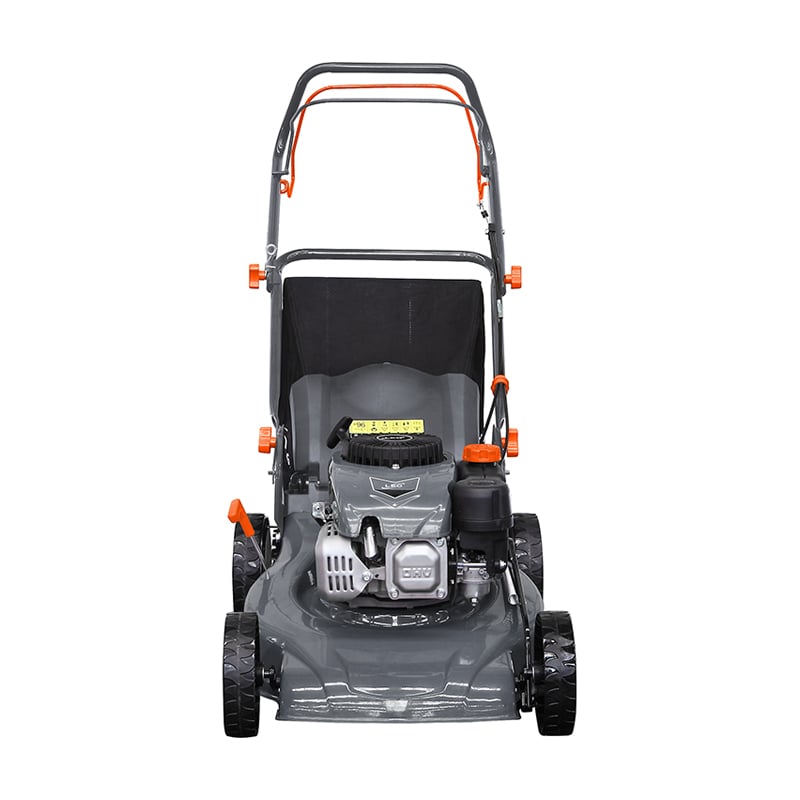
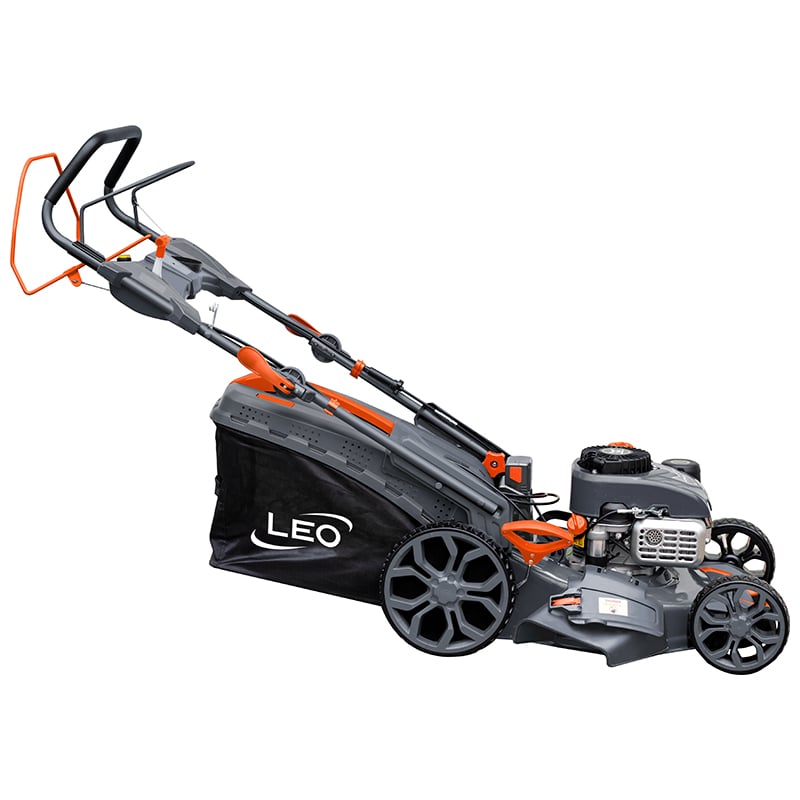
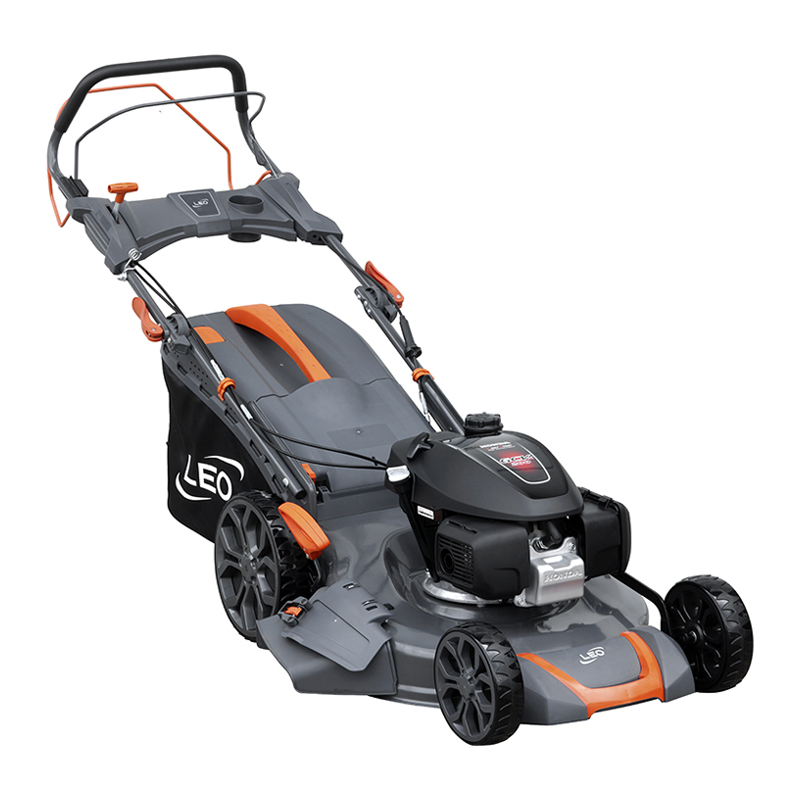
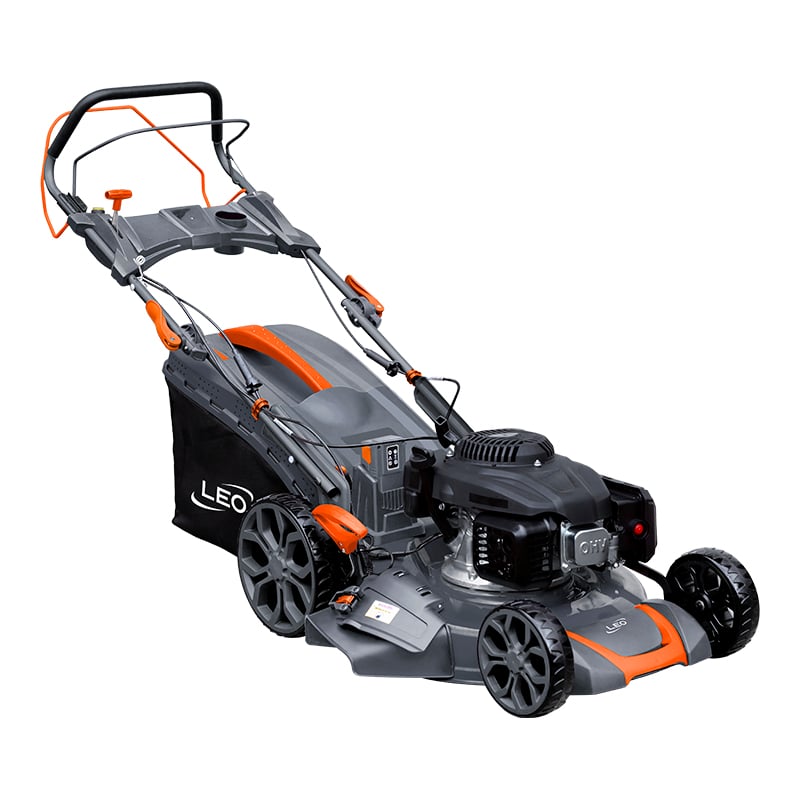
A self-propelled walk-behind lawn mower can reduce the effort of pushing over longer routes. Look at the drive controls, available speeds and turning feel as well as the deck. A comfortable machine should let the operator keep a steady pace without pulling against the drive. On irregular lawns, a slightly narrower deck may save time by reducing awkward repositioning.
Compare collection capacity with the amount of cutting produced. A larger bag can mean fewer emptying stops, but it also adds weight as it fills. If mulching is important, confirm that the model supports it and ask how the conversion works. The mower selection decision should account for both the cutting pass and the time spent handling clippings.
Large open properties and professional grounds
On extensive, open areas, a ride-on lawn mower can reduce walking and cover more ground per pass. Before assuming it is the practical choice, check turning space, access through entrances, transport and the number of areas that still need a walk-behind machine. A ride-on unit that cannot reach the edges may require a second tool and additional handling.
For a professional route, compare machines over a typical day: the time for loading, unloading, refuelling or charging, cleaning and routine checks matters alongside cutting speed. Petrol power can be practical where refuelling is convenient and multiple sites are served; battery power may fit a planned charging schedule. Neither option removes the need to assess local site rules, safe operation and service capacity.
Roadside edges and uneven ground
Roadside work may involve debris, changing ground conditions and nearby traffic. A conventional lawn mower is appropriate only where the site and the manufacturer's instructions permit it. Inspect the area first, establish a safe working zone and avoid operating near people or vehicles that could be struck by thrown objects. Rough vegetation or obstacles may call for a different machine designed for that task.
Do not use a lawn mower on a slope merely because another machine handled a similar hill. Check the specific model's slope limit and operating directions in its manual, as limits and methods vary. Virginia Tech Extension advises avoiding wet turf, particularly on slopes, because traction is reduced. If footing or control is uncertain, stop and select a safer method.
Compare power and cutting features
The power source should fit the working pattern. A cordless lawn mower avoids an extension cable and fuel handling, but batteries require charging and eventually replacement. A corded model avoids battery swaps, while its cable limits reach and needs careful management. A petrol machine needs fuel, routine engine servicing and suitable storage. Evaluate those obligations against site access and the operator's ability to maintain the equipment.
Cutting height adjustment is useful when conditions change across the season. University of California turf guidance recommends removing no more than one-third of the leaf blade at a mowing. For overgrown areas, plan multiple passes at appropriate settings rather than forcing a low cut in one pass. A clean, maintained blade and an appropriate travel speed also contribute to a more even result.
Choose collection, mulching or discharge based on site conditions and the model's supported configuration. Wet or long clippings can make mulching less effective; Illinois Extension notes that mulching performance drops under those conditions. Check the manual before changing modes, and stop the machine and isolate its power source before inspecting or clearing the deck.
Assess ownership, not just the purchase price
For regular lawn care, ask about replacement blades, batteries where applicable, routine service intervals, warranty terms and the nearest repair support. A professional buyer should also consider spare equipment and parts lead times: a machine that is unavailable during a busy route has an operational cost beyond its purchase price. Request the model-specific manual and parts information before committing.
Test the handle or seat, controls and collection system if a demonstration is available. Confirm that the people who will actually use the lawn mower can operate it comfortably and understand its safety controls. Protective footwear, eye protection and a clear work area matter regardless of the power source.
A practical shortlist for each site
- Small, obstacle-filled lawn: compare compact walk-behind machines for access, storage and turning.
- Medium, varied property: consider self-propelled options, adjustable pace and a deck that fits its narrowest routes.
- Large, open grounds: assess ride-on access and transport as well as coverage; retain smaller garden tools for places the machine cannot reach.
- Professional or roadside work: check site hazards, documented operating limits, service arrangements and suitability for the particular surface.
For buyers reviewing a range of applications, Zhejiang Leo Garden Machinery serves garden, courtyard and road-maintenance contexts. Ask for current model specifications and service information before comparing options. A useful final check is simple: choose the lawn mower that can reach the site, handle its conditions within the manual's limits and fit the way it will be maintained.
 Hot News