
 EN
How to Improve Gasoline Lawn Mower Cutting Efficiency?
A gasoline lawn mower can have plenty of engine power and still leave torn tips, missed strips, or clumps behind. In practical mower assessments, the fast fix is rarely just opening the throttle. Cutting performance comes from the way the blade system, airflow, engine condition, turf conditions, and mower adjustment work together. Start with the easy checks, then change one condition at a time so you can see what actually improves the finish.
Start by identifying the type of poor cut
Look at the lawn before touching the machine. A ragged, brown-edged finish usually points toward blade condition. A repeated uncut strip can suggest a deck-height issue, a damaged blade, a loose blade mounting component, or overlap that is too narrow. Heavy clumps often occur when wet or overgrown turf overwhelms deck airflow. If the engine note drops dramatically whenever the blade meets dense turf, the problem may involve engine power, a restricted air filter, stale fuel, or simply asking the mower to remove too much turf height in one pass.
That distinction matters. The symptom should guide the next check: restoring a blade edge may improve a torn cut, but it will not fix a deck packed with damp clippings. Likewise, more engine speed cannot make a poorly set mower adjustment produce a level result.
Make the blade system the first inspection point
For many cutting complaints, the blade system is the highest-value place to inspect. Stop the engine, wait until all moving parts stop, disconnect the spark-plug lead, and follow the owner’s manual before cleaning the deck or handling a blade. Wear suitable gloves. A blade that is bent, cracked, heavily worn, or damaged after striking an object should be replaced according to the manufacturer’s instructions rather than reshaped at home.
A dull blade does not cut turf cleanly; it can tear the leaf tip and leave the lawn looking pale or frayed a day or two later. Check the cutting edge along its full length, not only at the tips. Also check for caked clippings around the blade and deck. Material buildup interrupts airflow, so clippings recirculate instead of lifting toward the blade and moving efficiently into the bag or discharge path.
When sharpening is appropriate for your model, keep the blade balanced and use the correct replacement hardware and tightening procedure from the manual. An imbalanced blade can add vibration and stress the rotating assembly. A well-edged, sound, correctly installed blade system helps a gasoline lawn mower cut with less tearing and more consistent lift.
Match cutting height and travel speed to the turf
Mower adjustment is not a set-once decision. Turf that grew quickly after rain, thick turf, and uneven ground all call for a more measured approach. If the lawn is tall, raise the cutting height for the first pass and lower it later if the turf is dry and the lawn can tolerate it. Trying to remove a large amount of height at once loads the blade system, slows the engine, and leaves long clippings under the deck.
Travel speed matters too, particularly on a self-propelled gasoline lawn mower. Slow down before the engine begins to labour, in dense patches, and when the collection bag starts to fill. A steady walking pace gives the blade time to cut and the deck time to move clippings. On a striped lawn, overlap each pass enough to cover the edge of the previous cut; missed bands can be an operating pattern issue, not necessarily a mechanical fault.
- Use a higher setting for the first pass through tall or damp turf.
- Choose a dry mowing window whenever possible.
- Reduce ground speed in dense growth rather than forcing a full-width pass.
- Use the collection, mulch, or discharge setting that suits the clipping volume and the mower manual.
Restore usable engine power before blaming the engine
Higher engine displacement does not automatically create a cleaner cut. What matters is whether the gasoline lawn mower can maintain working speed under load. Begin with the maintenance items listed in the specific engine and mower manuals: correct fuel, oil level, air filter condition, spark plug condition, and cooling-area cleanliness. A dirty air filter can restrict intake; an overdue plug can contribute to poor starting or uneven running; old fuel can affect operation after storage.
Do not change governor settings or make fuel-system adjustments unless the manufacturer specifically permits the work and you have the training to perform it. Instead, listen for a stable engine note, inspect visible service items, and schedule qualified service if the engine surges, smokes, starts poorly, or loses power when the deck is clear and the cutting height is reasonable. That approach protects both cutting performance and the machine.
Clean the deck to recover airflow
Deck airflow is easy to overlook because it is out of sight. Yet it affects how the blade lifts turf blades before cutting and how clippings leave the cutting chamber. After the machine is safely shut down and prepared according to the manual, remove accumulated clippings from the underside of the deck, the discharge opening, and the collection-bag path. Do not wash or tip the mower in a way that conflicts with the owner’s instructions; fuel, oil, and air-filter orientation differ by model.
Wet clippings are especially likely to form a layer under the deck. If this happens repeatedly, shorten the cutting interval, wait for the lawn to dry, raise the height, and reduce travel speed. These changes often restore cutting performance without a parts replacement.
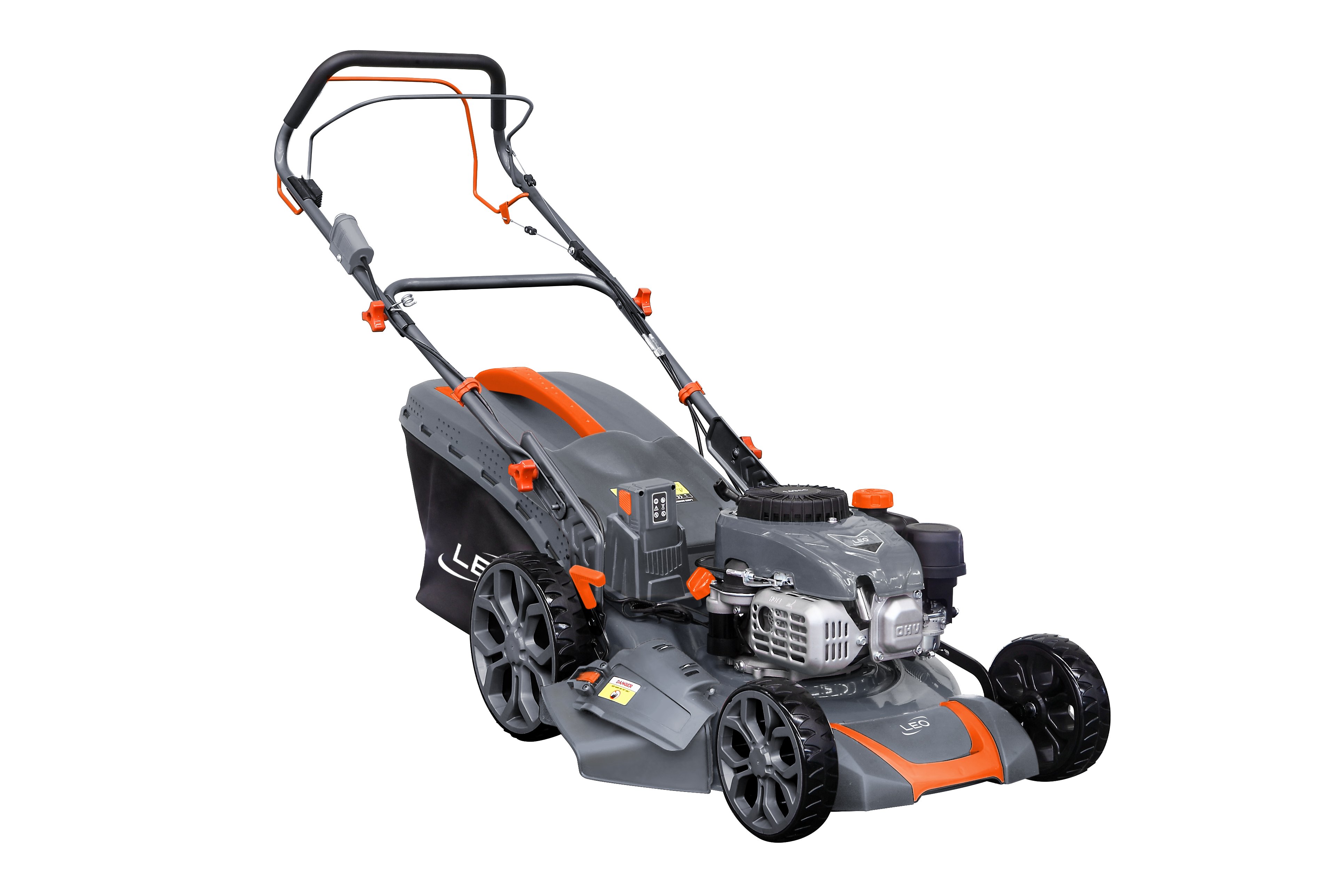 Keeping the deck clear supports steady airflow and a more even cut.
Check the mower adjustment that affects cut level
When one side of the cut looks lower, park on a firm, level surface and inspect the wheel-height settings. On models with individual levers, make sure all wheels are placed at the intended position. On centrally adjusted models, confirm the mechanism moves freely and reaches its selected setting. Check tyre condition on models that use pneumatic tyres, because unequal pressure can alter deck attitude.
Then inspect the handle and drive controls for normal operation. A self-propelled mower that moves too quickly through dense turf may show weak cutting performance even when the blade and engine are sound. Choose the adjustment that matches turf density, terrain, and collection mode instead of automatically using the lowest setting or fastest pace.
A simple cutting-efficiency routine
- Walk the lawn first and remove stones, branches, wire, and other debris.
- Choose a cutting height suited to current turf length and moisture.
- Check that the blade system is clean, secure, and in serviceable condition.
- Inspect the deck and discharge route for packed clippings.
- Confirm fuel, oil, air filter, and spark plug maintenance against the model manual.
- Mow at a pace the engine can sustain, slowing for thick areas and overlapping passes consistently.
- Review the finish after one pass before making further mower adjustment.
When to stop and arrange service
Stop using the mower if you find a cracked or bent blade, unusual vibration, a loose blade component, fuel leakage, recurring engine power loss, or damage after an impact. Those are not conditions to correct by continuing to mow. A service professional can assess the blade system, engine controls, and deck components against the model specification.
Better cutting efficiency is usually the result of a disciplined routine, not one dramatic change. Keep the blade system clean and serviceable, set the mowing height for the lawn in front of you, maintain the engine according to its manual, and give the deck enough airflow to do its job. With those basics aligned, a gasoline lawn mower is more likely to deliver an even, tidy cut while avoiding unnecessary strain.
 Hot News