
 EN
How to Maintain Battery Operated Ride On Mowers for Longer Battery Life?
A battery operated ride on mower can make larger-lawn work quieter and simpler, but its battery system deserves a routine rather than an occasional glance at the charge indicator. As a garden machinery technical consultant, I would start with the conditions the machine actually faces: mowing frequency, grass load, ambient temperature, storage space, and the distance between the mower and a suitable charging point. Those details affect usable runtime far more than a single “charge it after use” rule.
Good battery maintenance is not just about keeping the pack full. It is about reducing heat stress, keeping electrical connections clean, using the intended charging system, and storing the machine sensibly between cuts. The manufacturer’s owner manual remains the authority for your model’s state-of-charge targets, charger, and seasonal-storage procedure. The steps below are a practical framework to apply alongside it.
Start with the operating conditions, not the charger
Before changing your routine, notice when runtime falls. A battery operated ride on mower working in tall, wet, or overdue grass draws more power than the same mower making a light maintenance cut on dry turf. A dirty deck, dull blade, low tyre pressure, or frequent stop-start manoeuvres can make the battery appear weaker when the real issue is increased load. In other words, the charging system may be working correctly while the mower care routine is asking more of it than usual.
Use a simple log for several mowing sessions: charge level at the start, approximate mowing conditions, warning lights, and charge level at the end. You do not need laboratory measurements. You are looking for a pattern: a gradual seasonal change is different from a sudden drop after a charger error, overheating event, or long storage period.
1. Let a hot battery cool before charging
After a long cut, park the battery operated ride on mower in a dry, ventilated location and allow the battery area to cool before connecting the charger, unless the manual specifically says otherwise. Heat is one of the recurring stresses in lithium-ion systems. Charging a pack that is already hot from heavy work can add unnecessary thermal load, while immediately parking a warm mower in a closed, sun-heated shed makes matters worse.
This is a conditional recommendation, not a reason to leave the mower discharged indefinitely. If rain is coming or the next cut is close, follow the model’s approved charging sequence. The useful habit is to avoid treating a warm battery and a cool battery as identical.
2. Protect the charging system from preventable faults
Use the charger supplied or approved for your machine. A battery operated ride on mower is an integrated system: the pack, charger, connectors, battery-management electronics, and display are designed to work together. Substituting an unapproved charger or improvised extension setup can create a safety concern and may complicate diagnosis if charging performance changes.
- Charge on a stable, dry, non-combustible surface with ventilation around the charger.
- Inspect the cable, plug, housing, and connector before use; stop if there is damage, unusual heat, odor, swelling, or error indication.
- Keep the charge port closed and clean when it is not in use.
- Do not cover the charger or stack equipment around it while charging.
- Follow the manual’s guidance on supervision and on disconnecting once the charging cycle is complete.
Many machines have protective electronics, but that does not make inspection optional. Think of the charging system as a service item: it should be checked before a fault turns into lost mowing time.
3. Keep connections clean and dry
During routine mower care, with the mower switched off and isolated as instructed, look at accessible battery terminals, connector seals, and the charge-port cover. Remove loose grass, dust, and moisture using the cleaning method in the manual. Do not scrape contacts with metal tools or flood electrical areas with a hose. Contamination can increase resistance, interrupt charging, or create misleading battery warnings.
Also inspect the battery compartment for grass buildup and drainage problems. A clean deck matters here too. When clippings accumulate beneath the cutting deck, the motor works harder and a battery operated ride on mower consumes more energy per pass. Keep the deck clean after it has cooled, clear only as the manual permits, and keep blades sharp and balanced. That is battery maintenance by another route: lower mechanical load means less energy wasted as heat.
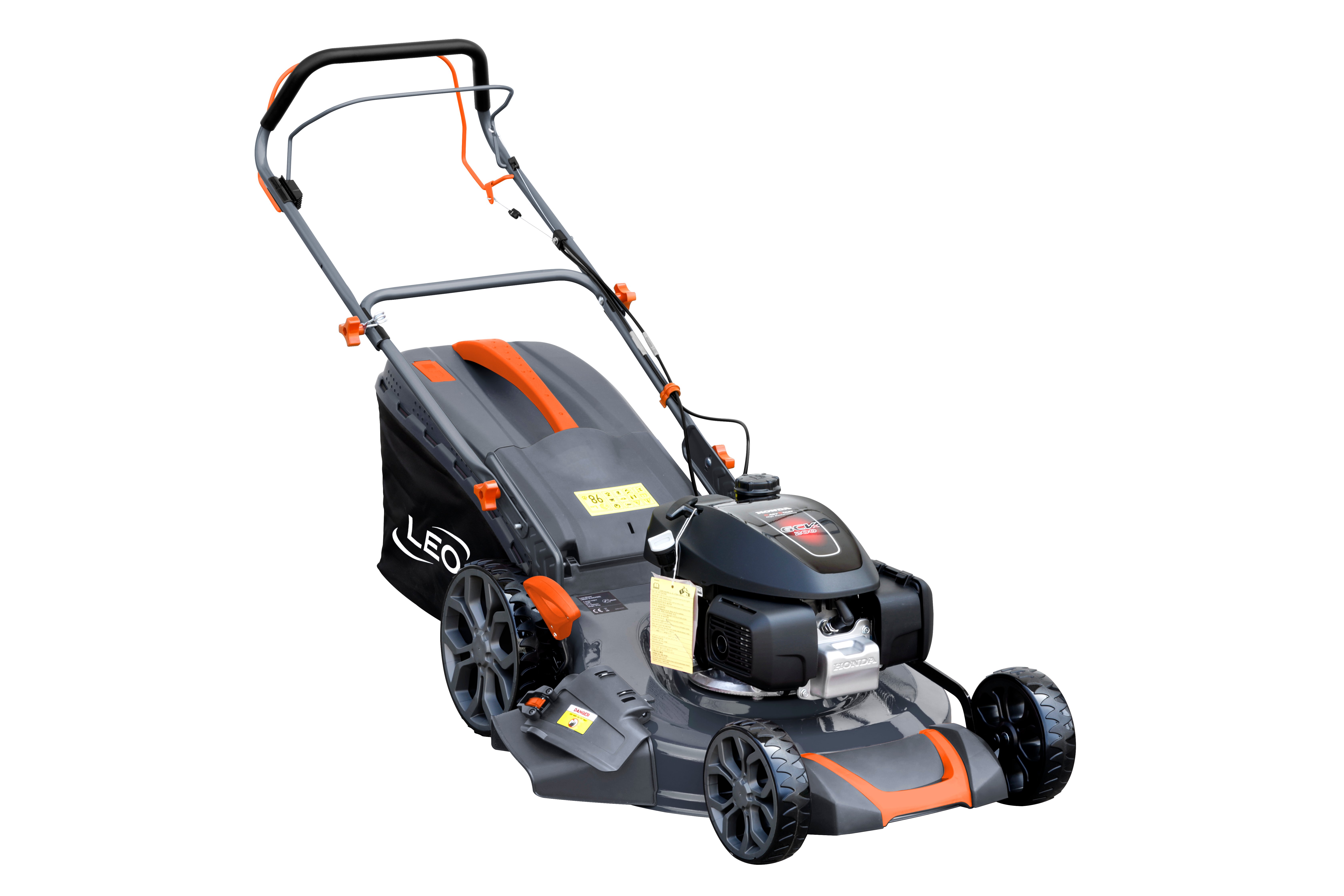
4. Mow in a way that respects battery load
Do not wait for every lawn to become a heavy recovery job. In fast growth periods, raise the cutting height or make more frequent, lighter passes rather than forcing the mower through dense, wet grass at a low setting. The right setting depends on grass type, weather, and the manufacturer’s mowing instructions, but the principle holds: an overloaded deck shortens runtime and raises component temperature.
Plan your route as well. Clear branches, toys, and hoses first; avoid repeated reversals; and reduce unnecessary transport speed between areas. The practical target is not to nurse the machine to an exact percentage. It is to give the battery operated ride on mower a predictable workload it can complete without repeated deep-discharge warnings.
5. Use the charge indicator as a planning tool
A real-time charge display is useful when it helps you adjust the job before the pack reaches a low-charge alert. Start with a full or manual-recommended charge for a long cut, then check the display at natural breaks rather than staring at it every few minutes. If the indicator drops unusually quickly, first look for tall grass, a clogged deck, a dragging brake, low tyres, or a hot day. Well, the battery may be aging—but the workload is often the first clue worth checking.
For machines with removable packs, keep each pack labelled and use the manufacturer’s approved rotation and storage practice. For integrated systems, make the same discipline part of the machine record: date, operating hours if available, charging behavior, and any fault code. This makes equipment service more useful because a technician receives a pattern, not just the phrase “the battery seems weak.”
6. Store the mower for the off-season correctly
Seasonal storage is where a good routine pays off. Clean and dry the mower, inspect it for damaged wiring or connectors, and store it in a location protected from standing water, direct sun, freezing conditions, and excessive heat. Follow the owner manual for the recommended storage state of charge and the interval for checking it. For months of inactivity, use the model-specific storage charge guidance; lithium-ion system requirements differ by design.
If your battery operated ride on mower has a removable pack, handle and store it exactly as the manufacturer directs. If it has an integrated pack, use the approved shutdown, key-removal, and charger-disconnection procedure. Before spring, inspect the machine, clean the deck, check tyres and blades, and complete the prescribed charge cycle before the first demanding cut.
When to arrange equipment service
Stop using the mower and seek qualified equipment service if you see damaged insulation, melted connectors, a swollen battery enclosure, repeated charger faults, smoke, unusual odor, or excessive heat. Also investigate a sharp runtime change that persists after correcting mowing load, deck cleanliness, and storage conditions. Do not open a battery pack or attempt cell-level repairs yourself.
For routine service, ask for a broader check rather than a battery-only verdict: charging-system diagnostics where supported, cable and connector condition, deck drag, blade condition, tyre pressure, brakes, and software or fault-code review if the model provides it. This joined-up approach is more likely to protect both runtime and the useful life of a battery operated ride on mower.
A simple maintenance checklist
- Before mowing: inspect the charge port, cable, tyres, blade area, and visible connectors.
- During mowing: avoid overloading in wet or very tall grass and watch for abnormal warnings.
- After mowing: park dry, clear permitted grass buildup, and let a hot system cool before charging.
- Monthly in season: review runtime notes and inspect charger and connector condition.
- Before long storage: clean, dry, charge or discharge only as the manual directs, and schedule periodic checks.
Final takeaway
Longer battery life comes from consistent habits, not a shortcut. Keep the battery operated ride on mower clean, manage heat, use the approved charger, reduce unnecessary cutting load, and follow the model-specific storage instructions. That combination supports safer operation, steadier runtime, and a more useful maintenance history when professional help is needed.


 Hot News