
 EN
EN
Lithium Ion Ride On Mower vs Traditional Mower: Key Technology Differences.
Choosing a lithium ion ride on mower is less about following an electric-equipment trend and more about matching a power system to the work in front of it. As a garden machinery technical consultant would put it, the useful question is not simply “battery or petrol?” but whether the machine suits the lawn area, terrain, grass conditions, storage space, and time available between cuts.
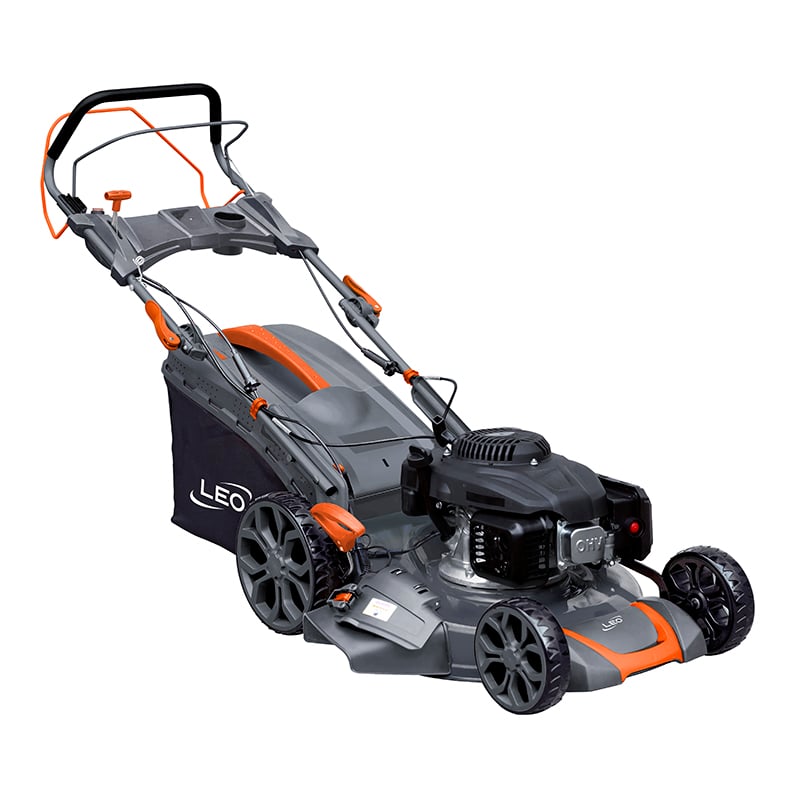
Traditional petrol ride-on mowers create power with an internal-combustion engine and carry fuel on board. A lithium ion ride on mower stores electrical energy in a rechargeable battery pack, then uses electronic controls and electric motors to drive the wheels and cutting system. Both can be capable lawn tools; their ownership routines and practical limits are very different.
The technology shift: energy storage and motor control
In a petrol mower, fuel, air, ignition, and mechanical engine parts work together to make rotational power. Throttle response, engine speed, fuel condition, oil level, and routine engine service all influence how it behaves. A lithium ion ride on mower, by contrast, uses a battery management system, wiring, controllers, and electric motors. The controller meters energy to the drive and blade motors, while the battery management system helps protect the pack within its designed voltage, current, and temperature limits.
This is why battery labels need careful reading. Voltage is only one part of the picture. Amp-hours describe charge capacity, while watt-hours better indicate stored energy when comparing battery systems. Even then, mowing time is not fixed: temperature, battery age, grass height, wetness, slope, cutting speed, blade condition, and the load on the drive system all change consumption. Treat a claimed runtime as a test condition, not a promise for every property.
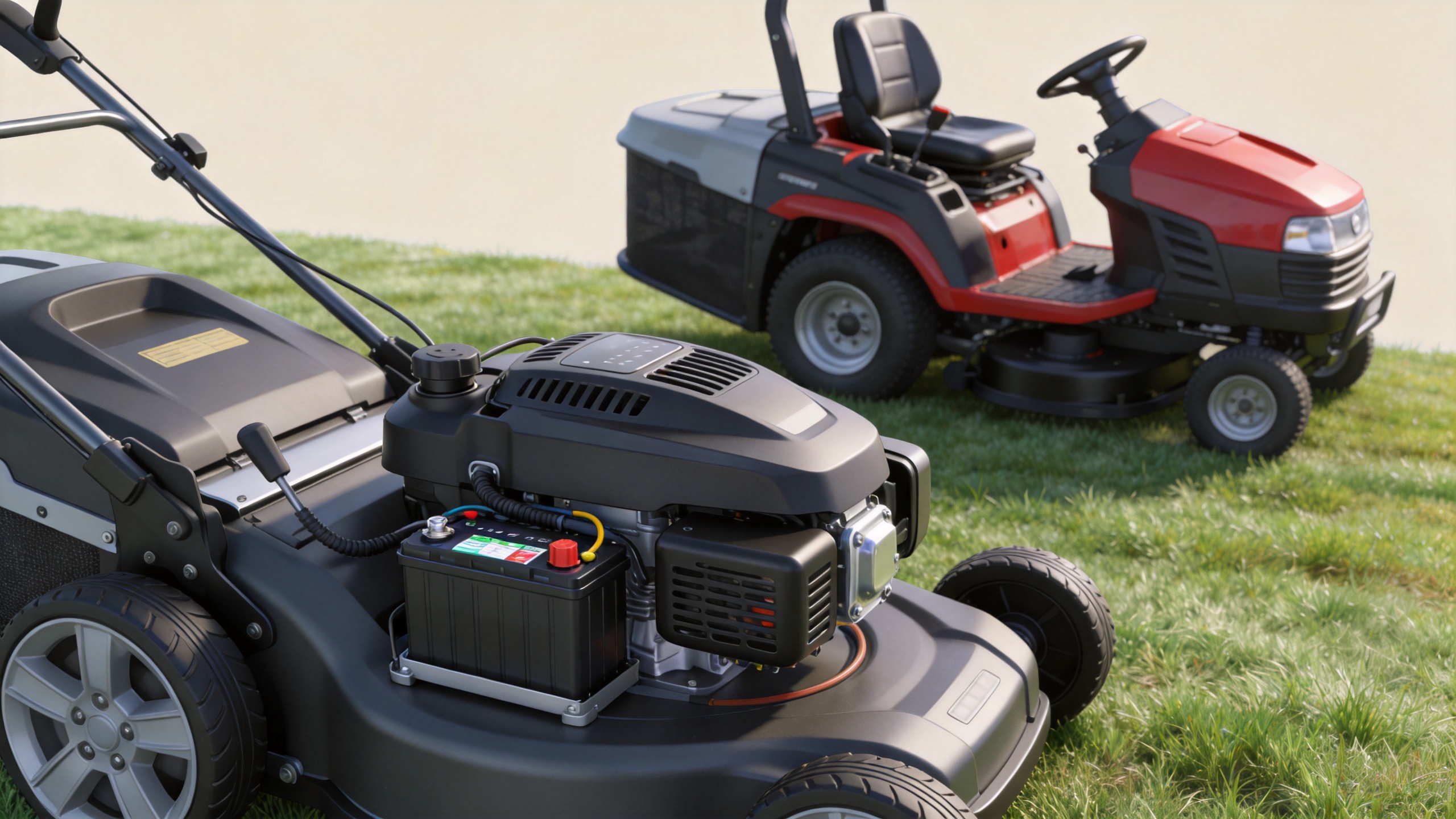
Power delivery: instant response versus sustained refuelling
Electric motors can deliver torque quickly from low speed, which can make a lithium ion ride on mower feel responsive when starting, turning, or engaging its blades. That does not make every electric model interchangeable with every petrol mower. Thick, damp, overgrown grass and extended uphill work place a sustained demand on the battery and electronics. A well-maintained petrol machine can keep working as long as fuel is available, whereas an electric machine eventually needs a charging window or a planned battery change.
There is a useful self-correction here: quiet operation is attractive, but quietness alone should not decide the purchase. On a larger or irregular lawn, the real comparison is quietness plus usable runtime, charging access, deck size, traction, and how consistently the mower handles the worst part of the job. For a modest, regularly cut lawn near reliable electricity, electric equipment can be an especially convenient fit. For long shifts, remote sites, or heavy seasonal growth, petrol’s rapid refuelling may still be practical.
Charging workflow versus fuel workflow
A traditional mower asks the owner to buy, transport, and store fuel, check oil where applicable, and refuel during use. A lithium ion ride on mower moves that planning earlier: after mowing, it needs a suitable charge location and enough time to recharge before the next job. That can simplify the weekly routine, but it rewards planning.
Use the battery and charger approved for the mower, follow the manual’s charging and storage instructions, and do not charge a pack that is damaged, unusually hot, swollen, leaking, or showing another abnormal condition. General lithium battery safety guidance also supports charging away from flammable materials and avoiding unsuitable temperatures. If winter storage is part of the ownership plan, check the manufacturer’s stated storage charge level and temperature range instead of assuming a fully charged pack should sit unused for months.
Maintenance: fewer engine tasks, not no maintenance
The maintenance advantage of a lithium ion ride on mower is real but sometimes overstated. It typically avoids petrol, engine oil changes, spark plugs, fuel filters, and carburettor-related fuel issues. However, it still needs blade inspection and sharpening, deck cleaning, tyre and steering checks, fastener checks, safe battery care, and attention to the charging system. Dirty airflow paths, dull blades, or a clogged deck can reduce cut quality and make any mower work harder.
Petrol ownership brings additional seasonal considerations: fuel stability, oil service, air filtration, ignition components, and the risk of stale fuel after storage. In return, many owners value a familiar service network and the ability to refuel quickly. The better choice depends on whether your priority is a simpler routine between cuts or maximum uninterrupted operating time.
Noise, local emissions, and the operator experience
Because it has no combustion engine running at the mower, a lithium ion ride on mower generally removes engine exhaust at the point of use and reduces engine noise. Blade noise, tyre noise, airflow, and the sound of grass entering the deck remain, so it should not be described as silent. Still, the lower perceived noise can make conversation and neighbour-friendly mowing easier in some settings.
This difference is not only environmental; it changes the feel of the task. Electric controls can be straightforward and smooth, while petrol machines have their own familiar strengths in long-duration work. Neither category is universally superior. Consider your mowing window, local noise expectations, grass growth rate, and whether charging electricity is accessible where the machine is stored.
A practical comparison checklist
| Decision factor | Lithium ion ride on mower | Traditional petrol ride-on mower |
|---|---|---|
| Energy replenishment | Recharge time and battery capacity need planning. | Fuel can be added quickly if available. |
| Routine service | Focuses on deck, blades, chassis, battery, and electrical checks. | Adds engine oil, fuel, filtration, and ignition-related maintenance. |
| Use environment | Often suits noise-sensitive areas and stored-at-home charging. | Often suits long or remote sessions where refuelling is easier. |
| Performance planning | Match usable energy to terrain, grass, and route. | Match engine condition, fuel supply, deck, and terrain to the job. |
Which mower technology fits your property?
Choose a lithium ion ride on mower when your expected mowing cycle fits its confirmed battery capacity, you can charge it safely and conveniently, and reduced engine-service tasks and local exhaust matter to you. It is a strong option for properties maintained regularly, particularly when the route can be completed within the real—not just advertised—energy budget.
Choose a traditional mower when very long running periods, difficult growth, remote locations, or rapid refuelling outweigh the benefit of a battery-based workflow. Before deciding, compare the actual deck, drive layout, traction, battery or tank capacity, service support, storage requirements, and manual—not a headline claim. That comparison turns mower technology into a practical buying decision rather than a simple electric-versus-petrol debate.
 Hot News