EN
What Are the Advantages of Lithium Ion Lawn Mowers for Daily Garden Maintenance?
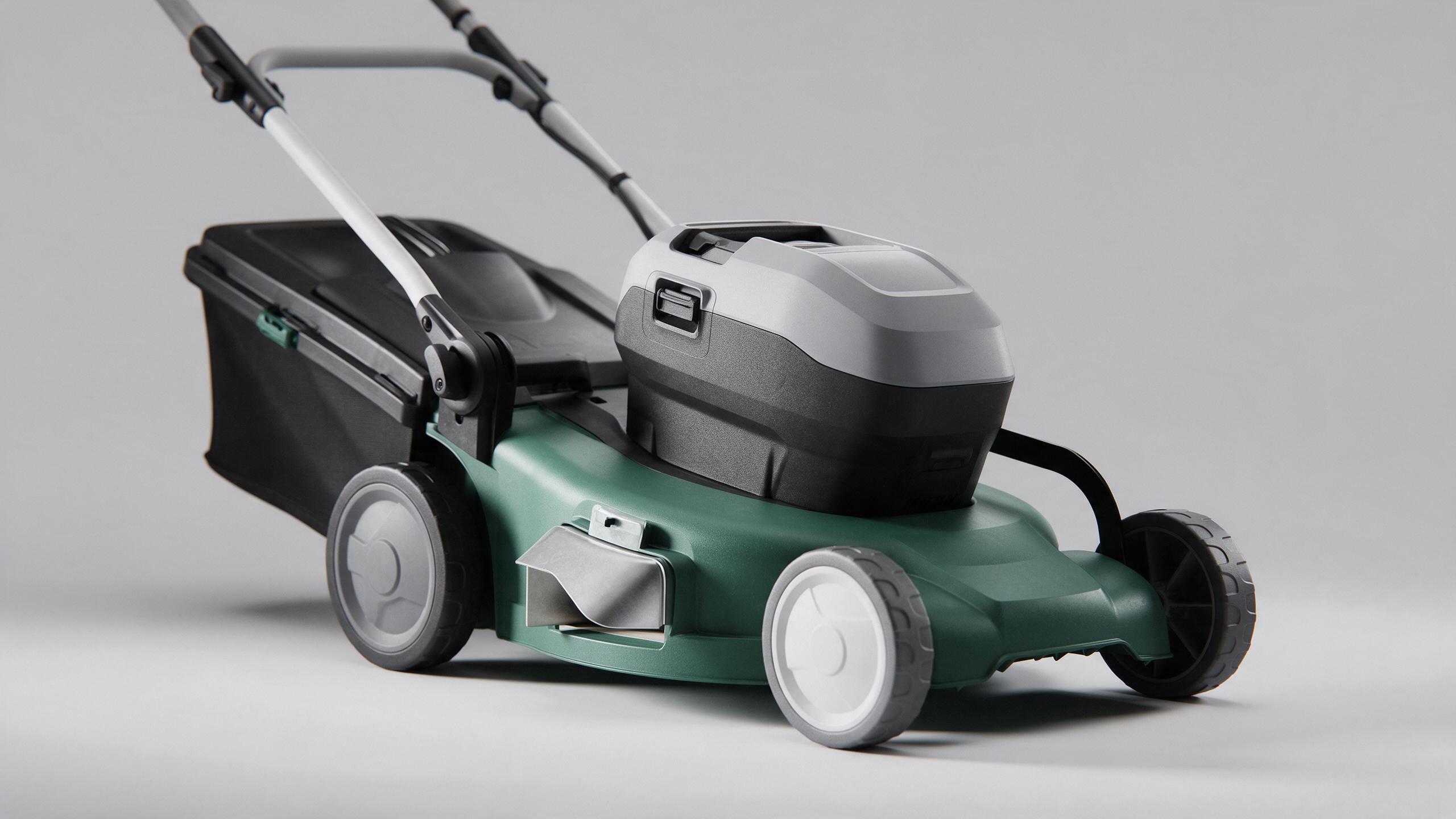
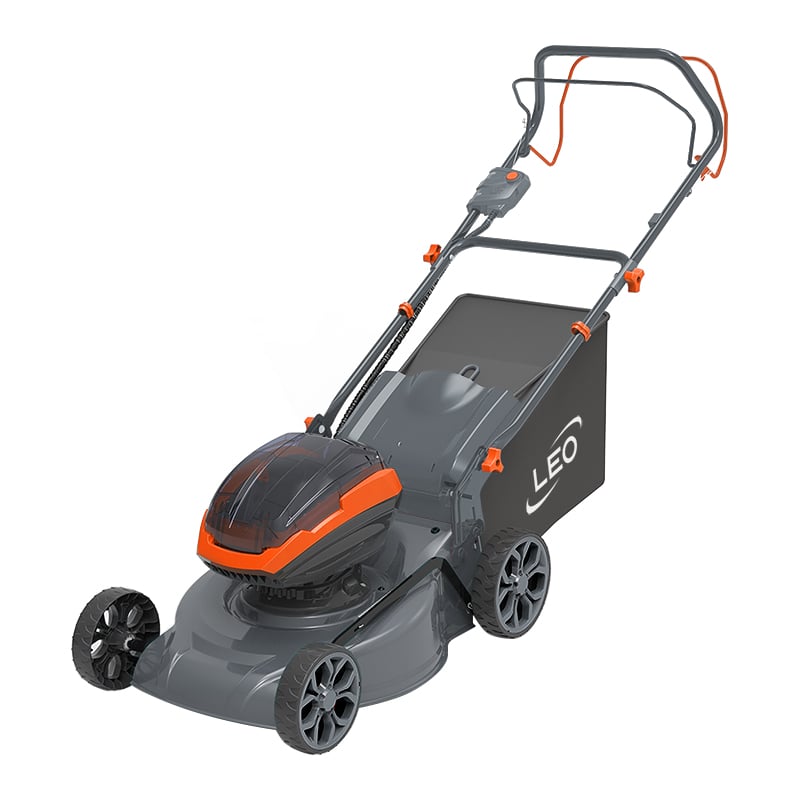
A short mowing session should not require a long preparation routine. For a homeowner who cuts regularly between flower beds, paths and trees, a lithium ion lawn mower can make that routine simpler: charge a compatible battery, clear the area and start according to the machine's instructions. The benefit is not that every battery model suits every property. It is that the power source changes several practical steps in an ordinary day of garden care.
The right comparison begins with the work itself. Consider the size and shape of the lawn, how often it is cut, where the machine will be stored and whether a pause for charging would disrupt the job. A battery mower can be a convenient fit for frequent, manageable sessions; a large area or demanding commercial schedule may call for additional batteries or a different power source.
Less preparation before a routine cut
With a lithium ion lawn mower, there is no petrol tank to fill and no engine pull cord to manage. Depending on the model, starting may involve inserting a charged battery, fitting a safety key and operating a handle control. Check the actual instructions: interlocks and starting procedures vary. The battery still needs charging ahead of time, so the easiest routine is to check its charge after each use rather than discover an empty pack at the next cut.
There is also no need to store petrol for this machine or handle fuel when storing it. That is a useful distinction for someone with a small shed or a shared garage. The charger and battery still need an appropriate dry storage location, and the manufacturer's charging and storage instructions take priority over general advice.
Move around obstacles without a power cable
Cordless equipment avoids the extension lead required by a corded mower. In a garden with a narrow passage and several planted borders, the operator can choose a route without repeatedly moving a cable out of the cutting path. This can be particularly helpful when making short passes around obstacles. It does not remove the need to inspect the area for stones, toys, wire and other objects before mowing.
Handling still depends on the particular machine. Weight, wheel design, deck width and whether a model is self-propelled all affect how it feels to turn or move uphill. Before buying a lithium ion lawn mower, check the total weight with its battery fitted and try the handle controls where possible. Wider decks cover more on each pass, but a narrower deck may be easier to guide through a tight gate.
A different sound and exhaust experience
Electric motors generally make less noise than small petrol engines, although the blade and cutting action remain audible. Sound levels differ among models and conditions, so compare the stated sound information for the machines under consideration rather than assuming a precise reduction. Use hearing protection if the instructions or conditions call for it, and respect local operating hours.
A lithium ion lawn mower produces no engine exhaust at the point of use. That can make working near a patio or open window more pleasant than standing beside a running petrol engine. It does not mean that the whole product has no environmental impact: producing the mower and battery, generating electricity, and managing the battery at the end of its life all matter. The California Air Resources Board identifies battery-electric landscaping equipment as zero-emission equipment during operation; that is a narrower claim than a zero-impact lifecycle.
Maintenance shifts from engine tasks to battery and blade care
A battery mower does not need petrol-engine oil changes, spark plug replacement or an engine air filter. That removes several routine engine-service tasks, but it is not maintenance-free. The blade, cutting deck, wheels, controls and battery contacts still need attention. A clean deck and a sound blade help the machine cut consistently, while neglected clippings can obstruct airflow and collection.
Before inspecting or cleaning a lithium ion lawn mower, switch it off, wait for moving parts to stop and remove the battery and safety key if fitted. Follow the manual for safe access and cleaning; do not put hands near a blade that could move. If the blade is damaged or needs sharpening, use the manufacturer's service procedure or a qualified repairer. Avoid directing water into electrical components, and use only the cleaning methods approved for the model.
Inspect the battery and charger for visible damage. Use the charger specified by the manufacturer, keep contacts clean and dry, and do not charge a damaged pack. Let a hot battery cool as directed before charging. Store it in the temperature range and at the charge level recommended for that specific pack, clear of heat and moisture. These habits support a usable battery over time, but no storage routine can promise a fixed lifespan.
What limits the convenience?
Runtime is the trade-off that matters most. A lithium ion lawn mower may cover a familiar lawn on one charge when the lawn is regularly cut, yet require more energy when vegetation is long or damp, the terrain is uneven, or the collection bag is full. The useful comparison is not a catalogue number alone: check whether the stated coverage was measured under conditions resembling your own garden.
For example, imagine a homeowner who normally finishes the front and back lawns in one session, then returns from a trip to find much denser growth. Raising the cutting height and making another pass, as the manual allows, can reduce strain compared with forcing the machine through everything at once. A charged spare battery may avoid a long interruption, provided the spare is approved for the model. Check replacement pack availability and cost before purchasing; compatibility across electric tools should be verified rather than assumed.
Battery capacity and condition change the plan as well. A pack that is adequate for short weekly cuts may not suit a larger property or several jobs in succession. Batteries age, and replacement is an ownership cost. For long, continuous work without access to charging, a petrol machine or another suitable configuration may be more practical. Compare the complete package, including charger and any extra pack, not just the mower body.
Choose for the garden you actually maintain
Before selecting a lithium ion lawn mower, walk the intended route. Note entrances, slopes, storage space and access to a suitable charging point. Then ask the retailer for the model's cutting width, battery and charger details, recommended terrain, service arrangements and replacement battery availability. Do not assume every model has folding handles, a particular collection system or a shared battery platform.
- For frequent short cuts: look for controls and storage arrangements that make the machine easy to take out and store.
- For a lawn with obstacles: check turning space, weight with the battery installed and deck width against the narrowest route.
- For larger or irregular jobs: assess the expected workload, a compatible spare battery and the time available for recharging.
- For longer ownership: ask about blades, service, battery replacements and local collection arrangements for used packs.
Plan for the battery's end of life
When a battery no longer meets the job's needs, follow the manufacturer's guidance and local collection rules. The US Environmental Protection Agency advises consumers not to place lithium-ion batteries in household trash or ordinary municipal recycling bins; they should be taken to an appropriate battery collection or recycling location. Requirements and available facilities vary by region, and damaged packs may need special handling. Ask the collection provider before transporting one.
For everyday garden care, the advantage of a lithium ion lawn mower is a combination of cable-free movement, simpler preparation and fewer engine-service tasks. Balance those benefits against charging, pack replacement and the actual workload. A suitable machine is one that fits the space, the operator and the time available—not merely the one with the most appealing headline specification.
 Hot News