
 EN
What Components Determine the Performance and Lifespan of a Petrol Lawn Mower?
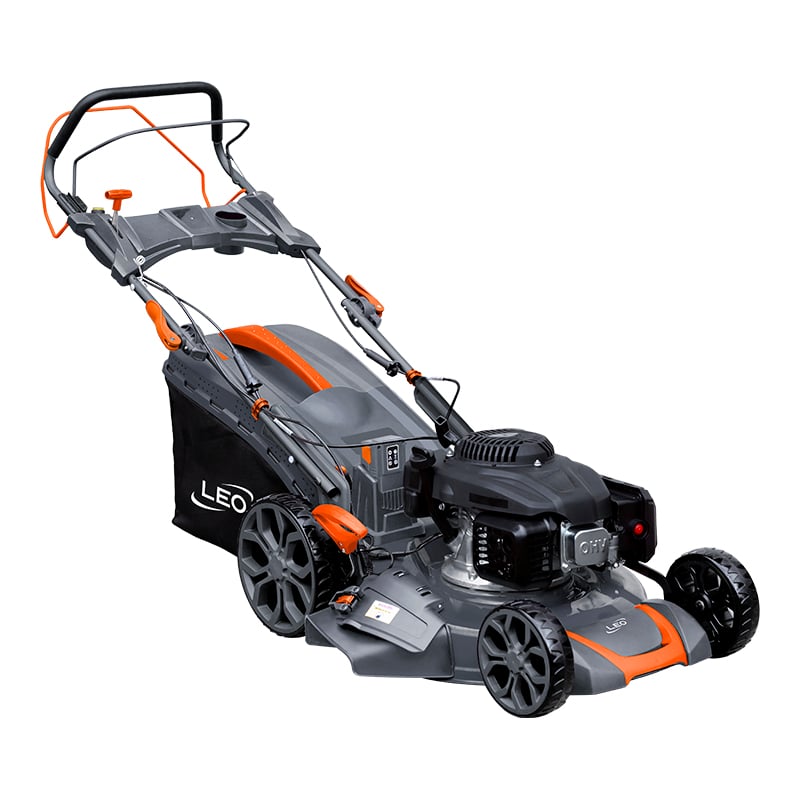
A petrol lawn mower is often judged by engine size or a single headline feature, but those signals tell only part of the story. As a garden-machinery technical consultant, I look at the system that converts fuel into a clean, repeatable cut: the engine, air path, blade and deck, drive train, controls, and the quality of the materials holding them together. A well-matched petrol lawn mower can make heavy grass manageable; a poorly engineered one can lose cutting quality long before the engine itself wears out.
For homeowners, dealers, and sourcing teams, the useful question is not “which component deserves the most attention?” It is whether the mower components work together for the terrain, mowing frequency, and expected service routine. The number I kept checking was engine displacement. It was only after using machines on uneven, damp ground that I understood usable low-end torque, clean airflow, and a rigid cutting deck matter just as much in practice.
Start with the engine and its supporting systems
The engine is the power source of a petrol lawn mower, but longevity depends on more than its nominal output. A practical engine should start consistently, maintain speed when the blade meets denser grass, and have accessible service points. Look at the crankshaft support, cooling fins, fuel delivery, ignition hardware, oil-fill arrangement, and the quality of fasteners around the engine mount. These engine parts influence vibration, heat control, and how easily routine maintenance can be performed.
Air filtration is especially important. A filter that seals properly and is simple to inspect helps keep dust and grass debris out of the intake; dirt entering the engine can accelerate wear. Fuel-system routing and tank quality also matter, because stale fuel, heat exposure, or a damaged line can create starting problems that are mistaken for an engine failure. If your lawn is dry, dusty, or cut frequently, the air-filter design deserves more attention than a slightly larger displacement figure.
Cooling is another system-level decision. Air-cooled engines need unobstructed fins and shrouds to shed heat. On a petrol lawn mower used for long sessions, grass buildup around those areas can raise operating stress. A thoughtful product design makes cleaning access straightforward rather than requiring extensive disassembly.
The cutting deck, blade, and airflow decide visible results
Many performance complaints begin below the engine. The deck is the structural base that supports the blade, shapes airflow, and withstands impact from vibration and occasional debris. A rigid deck helps the blade maintain its intended cutting height and reduces fatigue around mounting points. Material thickness alone is not a guarantee, but good reinforcement, clean welds or formed sections, durable coatings, and protected edges are useful manufacturing-quality signals.
The blade needs to be sharp, balanced, and securely mounted. A dull blade tears grass instead of producing a clean cut, while an unbalanced blade adds vibration that can affect bearings, fasteners, and operator comfort. The blade profile and deck airflow also influence whether a petrol lawn mower discharges clippings cleanly, collects them effectively, or supports mulching in suitable conditions. Do not assume every mowing mode performs identically in wet or overgrown grass; deck cleaning and the right travel speed still matter.
When comparing mower components, inspect the height-adjustment mechanism as well. It should move smoothly, lock positively, and keep each wheel aligned at the selected height. Weak linkages or thin pivot hardware may not be obvious in a showroom, yet they can shorten the useful life of a frequently adjusted petrol lawn mower.
Transmission, wheels, and chassis determine how power reaches the lawn
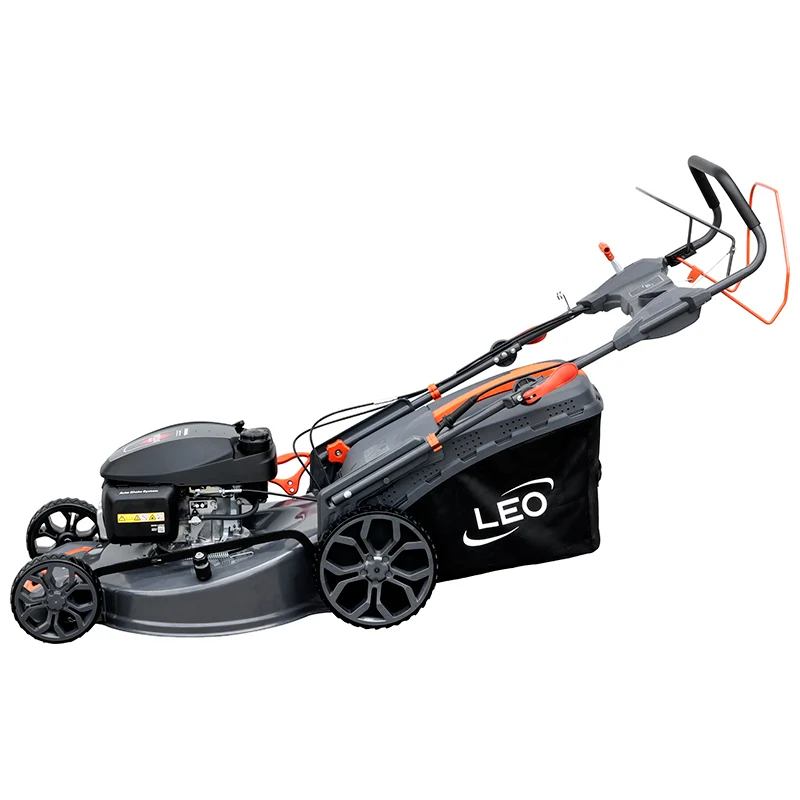
For a self-propelled petrol lawn mower, the drive system changes both productivity and wear patterns. The gearbox or transmission, drive belt, pulleys, cables, and wheel engagement mechanism should be matched to the machine’s intended workload. Smooth engagement helps prevent shock loads, while accessible belt routing makes scheduled inspection realistic. On slopes or larger plots, a drive system that maintains controlled pace can reduce operator fatigue and discourage users from forcing the machine through conditions it was not designed to handle.
Wheel diameter, tread, bearings or bushings, and axle attachment all affect tracking and maneuverability. Larger rear wheels can be helpful on uneven ground, but durable hubs and a stable chassis are equally important. Examine whether the handle mounts and chassis joints feel solid: recurring vibration is one of the fastest ways small weaknesses in a petrol lawn mower become loose hardware, rattles, and misalignment.
Controls and safety hardware are performance components too
Controls are not merely compliance items. A dependable recoil starter, throttle or speed control where fitted, drive lever, and blade-control system determine whether the petrol lawn mower can be operated predictably. U.S. walk-behind mower safety rules, for example, describe a blade-control system with braking function. That does not prove that every model has the same specification, but it illustrates why buyers should ask for documented safety engineering rather than treating controls as an afterthought.
Check cable routing, lever pivots, guards, and return action. They should resist snagging and remain easy to operate with gloves. Good manufacturing quality is visible in protected cable runs, consistent fit between guards and deck, corrosion-resistant hardware, and instructions that identify service intervals. These details support safe use and make a petrol lawn mower easier to keep in service.
How to assess build quality before and after purchase
Use a simple inspection sequence. First, assess engine mounting, deck rigidity, wheel play, and handle joints. Next, review the accessibility of the oil, air filter, spark plug, blade bolt, and deck-cleaning area. Then ask whether replacement blades, filters, belts, and other engine parts are available through the supplier’s service network. For distributors, parts continuity and clear technical documentation can be as valuable as an attractive first cost.
After purchase, maintenance determines whether a petrol lawn mower reaches its design potential. Remove grass from the deck after use, check the blade for damage and balance, keep the air filter clean, monitor oil according to the engine manual, and address vibration or hard starting promptly. Most petrol mowers will handle ordinary lawn conditions comfortably—well, most will, with the caveat that blade condition and maintenance frequency often matter more than the headline engine spec.
The component balance that lasts
The right petrol lawn mower for a particular user is not defined by one oversized engine or one cosmetic feature. It is a balanced machine with appropriate torque, protected intake and cooling paths, a rigid deck, serviceable drive components, reliable controls, and parts support. For smaller, level lawns, simple construction and easy servicing may be the priority. For larger or uneven areas, stronger deck structure, robust wheel hardware, and a well-designed self-propelled drive may justify closer scrutiny.
In short, assess the petrol lawn mower as a connected mechanical system. That approach reveals how product design and manufacturing quality influence cutting performance today and dependable service over many seasons.
 Hot News