
 EN
What Factors Affect Lawn Mower Cutting Performance and Efficiency?
A lawn mower can have ample power and still leave an uneven, ragged finish or take longer than expected to cover a lawn. The reason is that cutting quality is a system result: grass condition, blade condition, deck airflow, cutting height, travel speed, and operator technique all interact. Looking beyond a headline specification makes it easier to diagnose why a lawn mower is underperforming and to choose a configuration that fits the work.
As a garden-machinery technical consultant, I start with the lawn and workload rather than the brochure. A machine that performs neatly on short, dry turf may behave very differently on dense spring growth, uneven ground, or a damp lawn. The aim is not merely to move faster. It is to get a clean cut without constant stops, deck overload, or unnecessary stress on the grass.
Start with the quality of the cut
The most visible measure of lawn mower performance is the finish left behind. Cleanly cut grass tips look more even and recover more readily than torn tips. In practice, blade performance is central. A sharp, undamaged blade slices through grass with less tearing, while a dull, bent, or badly worn blade can leave frayed ends and make the engine or motor work harder.
The number I kept checking was engine size. It was only after seeing a mower struggle on a thick patch of grass that I understood blade condition and airflow were the specifications that mattered at that moment. Before each mowing session, inspect the blade area with the machine safely isolated from power. Look for damage, heavy buildup, and an edge that needs professional sharpening or replacement. Do not reach under a lawn mower or service its blade without following the manufacturer’s safety instructions.
Blade design also changes the result. Lift, discharge pattern, and deck shape influence whether cut grass is lifted, cut once, recirculated for mulching, or moved toward a collection bag. A lawn mower with an appropriate blade and a clean deck can manage normal grass more consistently than one with a clogged deck, even if both machines have similar power ratings.
Cutting width affects capacity, but not by itself
Cutting width is the amount of lawn covered in one pass. A wider lawn mower can reduce the number of passes on a large, open area, which can improve mowing efficiency. However, a wider deck is not automatically the right answer. Trees, narrow gates, curved borders, slopes, and storage space may make a smaller machine more practical overall.
It helps to consider cutting width alongside overlap and turning time. If the operator overlaps every pass heavily because the cut looks uneven, some of the theoretical coverage advantage disappears. Likewise, a wide lawn mower that needs several manoeuvres around obstacles may lose time to turning rather than cutting. For a simple rectangular lawn, width can be a major productivity lever. For a divided garden, manoeuvrability and mower design may matter just as much.
- Open, larger lawns: prioritize a cutting width that reduces passes while remaining easy to turn and transport.
- Complex lawns: prioritize a lawn mower that fits through access points and follows borders without excessive repositioning.
- Mixed conditions: balance cutting width with deck clearance, drive assistance, and collection capacity.
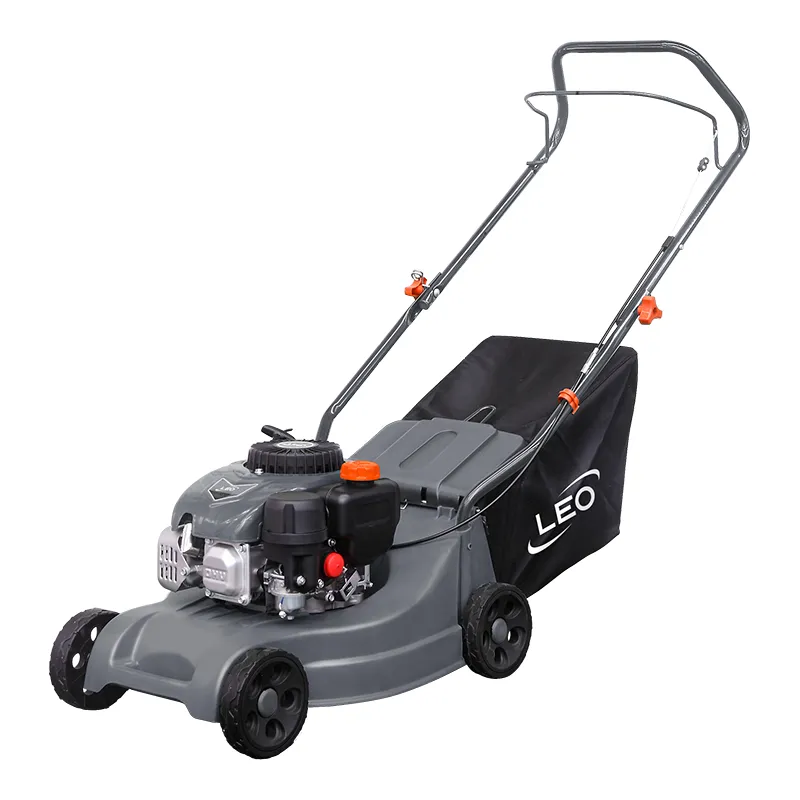
Grass condition can slow any lawn mower
Wet, very tall, or dense grass changes the load on the cutting system. Clippings can clump beneath the deck, restrict airflow, block the discharge path, and fill a grass collector quickly. The first time I tried mulching after a wet spell, I ran into repeated deck clogging. It took some investigation to work out that the clump density—not a lack of power—was the real issue.
A more useful response is to adapt the job instead of forcing the lawn mower through the usual routine. Wait for grass to dry where conditions allow, raise the cutting height for the first pass on overgrown turf, reduce travel speed, and take a second pass if needed. In mulching mode, mow often enough that clippings remain manageable. These habits protect cut quality and can reduce the stop-start time that harms mowing efficiency.
Why mower design matters during real work
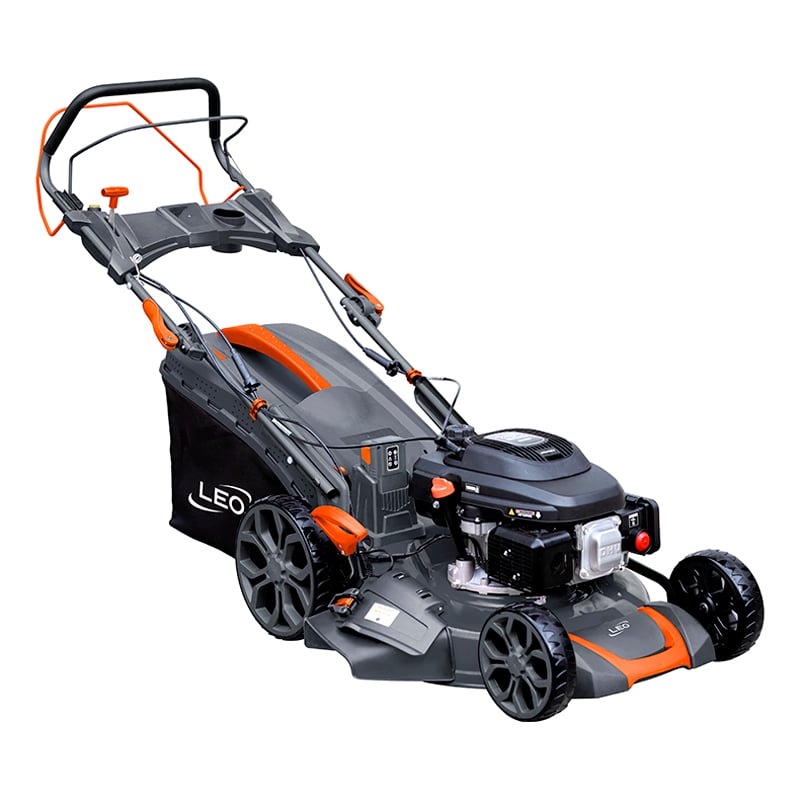
Mower design determines how easily power is converted into a consistent finish. Deck shape guides airflow and clippings; wheel placement affects edge coverage; handle geometry affects control; and the drive system influences how steadily the operator can maintain a suitable pace. On a self-propelled lawn mower, a speed setting that is too fast for grass density can produce missed strips or clumping. A slower, steady pass is often more productive than rushing and recutting.
Height adjustment deserves the same attention. If the deck sits too low for uneven ground, the lawn mower may scalp high spots, strike obstacles, or bog down in thick turf. If it sits too high, the lawn may look unfinished and require another pass. Central height adjustment, when provided on a model, makes seasonal or area-by-area changes easier; the important point is choosing the height for the grass condition, not treating one setting as permanent.
Collection and discharge design also affect workflow. A large grass box can reduce emptying interruptions, but wet clippings may still compact quickly. Side discharge can suit conditions where collection is impractical, while mulching can work well when the lawn is cut regularly. Neither mode is universally better. The right choice depends on grass length, moisture, appearance expectations, and how much material the lawn mower can process cleanly.
Use operating technique to protect mowing efficiency
Sound operating habits help a lawn mower work within its capability. Begin by removing stones, sticks, wire, and other debris. Then plan a route that limits unnecessary turns and gives the deck a consistent overlap. Keep a close eye on the discharge area or collection flow; a sudden trail of clippings often signals a blockage or an overloaded pass.
- Check blade condition, deck cleanliness, wheels, and the chosen cutting height before starting.
- Match travel speed to grass height and moisture rather than relying on the fastest available pace.
- Use a modest, consistent overlap so the lawn mower does not leave strips or waste excessive coverage.
- Stop safely to clear buildup when cutting quality changes; do not continue until the deck is visibly clogged.
- Review the lawn after the first few passes and adjust height, speed, or mowing direction before completing the whole area.
A practical way to evaluate performance
If the finish is disappointing, ask four questions: Is the blade cutting cleanly? Is the cutting width appropriate for the layout? Is mower design moving clippings effectively? And are grass conditions allowing the machine to work efficiently? That sequence identifies the root cause more reliably than focusing on power alone.
The most suitable lawn mower setup is therefore conditional. For a wide, clear lawn, cutting width and collection capacity may drive the biggest gains. For damp or fast-growing grass, blade performance, deck cleanliness, and a sensible pace may matter more. For an uneven or obstacle-filled garden, compact mower design and controllable drive speed can save more time than a larger deck. Match the machine and the mowing method to the actual lawn, and both cut quality and mowing efficiency should improve.

 Hot News