
 EN
What Lawn Care Equipment Is Needed for Large Property Maintenance?
Large grounds turn routine cutting into an operations problem. The right lawn care equipment has to match the site’s open acreage, slopes, trees, access openings, wet areas, debris load, and the people who will operate it. A single mower rarely covers every task well. For a country home, estate, campus, park edge, or commercial grounds contract, plan a working system rather than buying one oversized machine.
From a contractor’s viewpoint, start with the hours lost between jobs: turning around obstacles, emptying collected clippings, carrying tools, clearing branches, and moving machines between zones. That is where a practical lawn care equipment plan earns its place. The goal is dependable coverage and a manageable service routine, not the largest engine on a specification sheet.
Start With a Property Maintenance Map
Before selecting lawn care equipment, divide the property into work zones. Measure open turf separately from enclosed lawns, narrow passages, banks, roadside verges, orchard rows, paths, and formal edges. Note where turf is dense, where it stays wet, plus where operators need to cross gravel or move around water features. This simple map prevents a common purchasing error: choosing a machine for the total area but not for the slowest, most complicated section.
- Open turf: needs productive cutting width and comfortable, repeatable operation.
- Obstacle-heavy areas: need manoeuvrability and a trimming plan.
- Slopes and soft ground: need an equipment decision based on manufacturer instructions and actual conditions, not acreage alone.
- Hedges, beds, and trees: create a separate debris and edge-maintenance workload.
For property maintenance teams, the map also identifies where a machine can be parked, refuelled or charged, washed, and inspected. Those details affect which outdoor equipment is practical over an entire season.
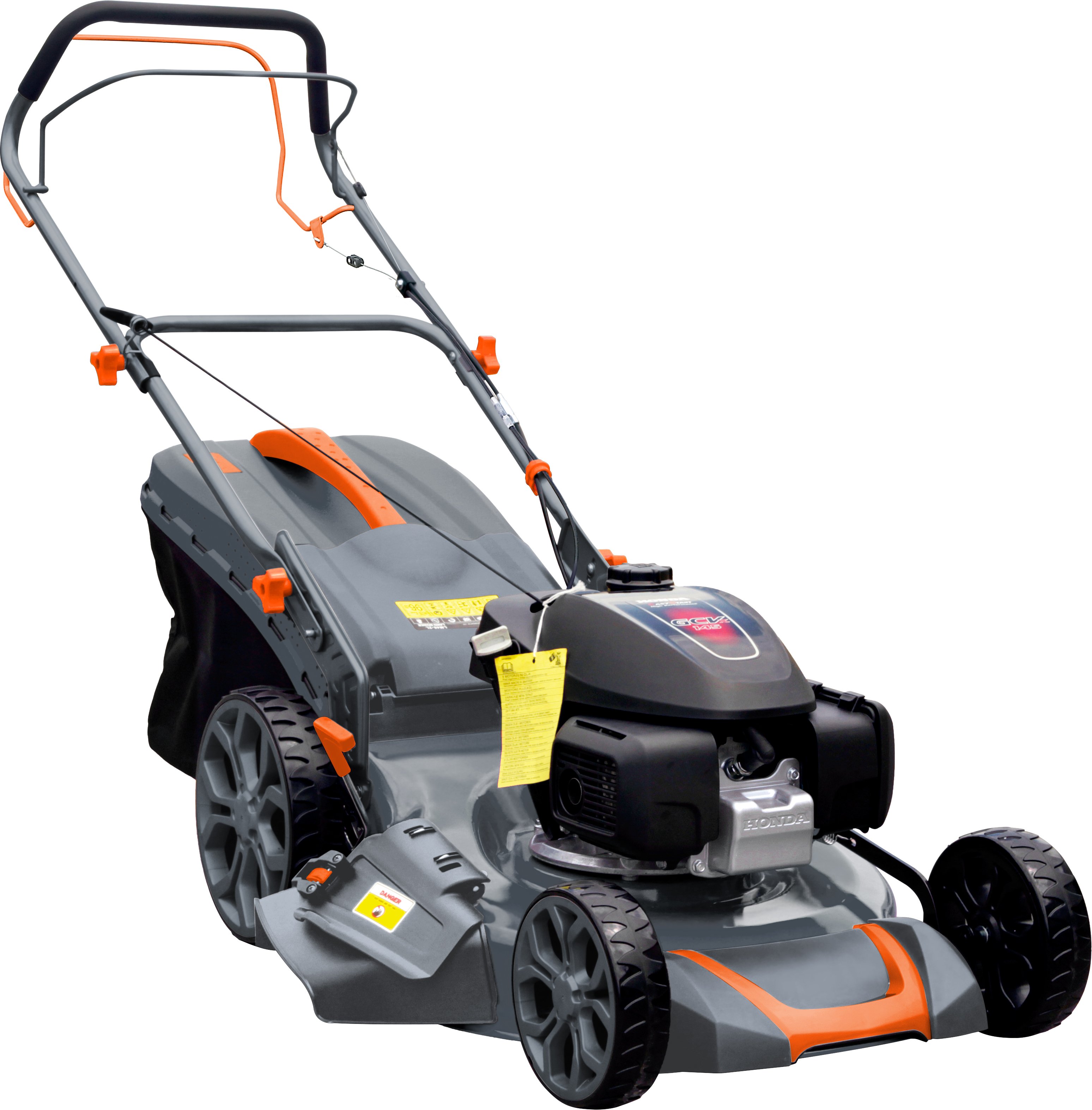 Plan each machine around the work zones it will serve.
The Core Lawn Care Equipment List
1. A ride-on mower for open, level ground
For broad, relatively level turf, a ride-on mower is often the anchor piece of lawn care equipment. It reduces walking time and operator fatigue while covering larger sections at a consistent pace. Compare cutting deck width, collection or discharge options, turning needs, seat comfort, access for cleaning, and the ability to obtain blades, belts, filters, and other service parts. A larger deck can shorten passes on open ground, but it may be awkward through access points or around closely spaced trees.
Terrain matters more than enthusiasm for speed. OSHA guidance advises operators to follow the manufacturer’s slope limits; when those limits are unavailable, it advises avoiding slopes above 15 degrees. Keep ride-on work clear of unprotected drop-offs and use a different tool for terrain the machine is not designed to handle. The practical lesson is simple: a ride-on mower may be central to your lawn care equipment fleet, but it should not be forced into every zone.
2. A self-propelled walk-behind mower for finish work
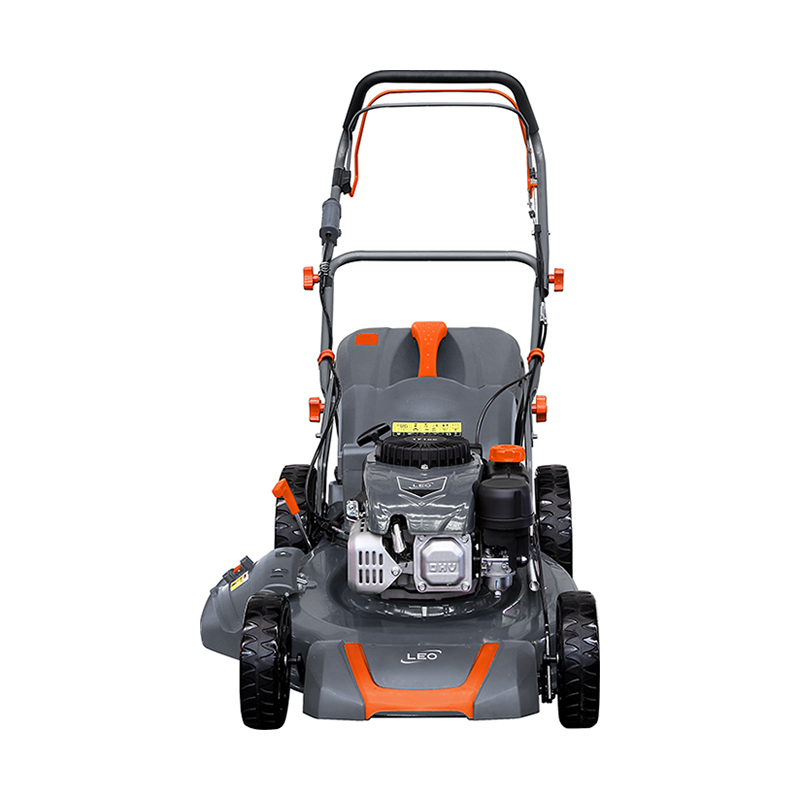
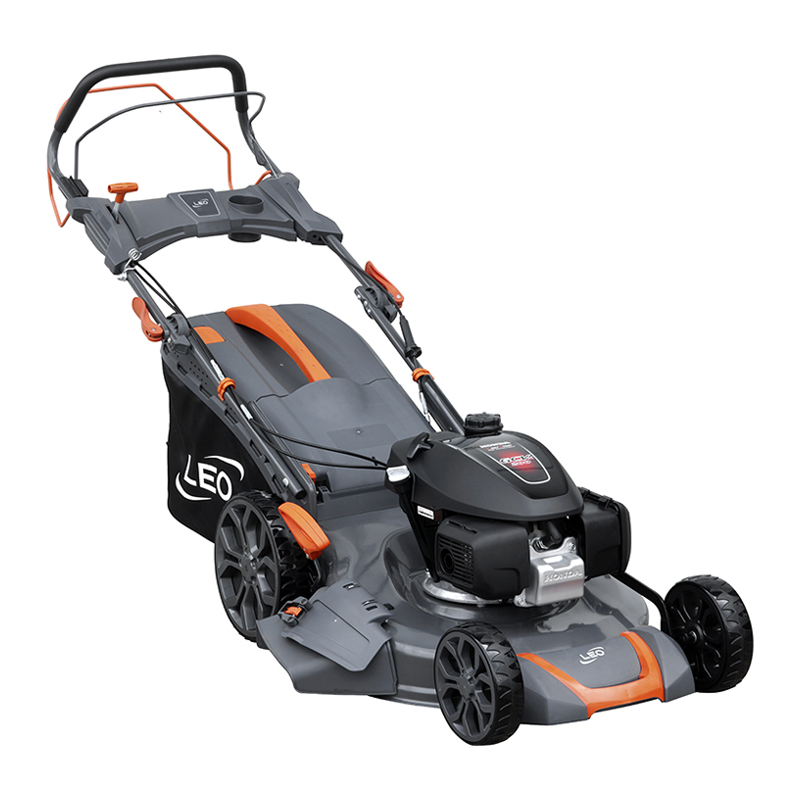
A self-propelled walk-behind mower gives the crew a useful second layer of lawn care equipment. It suits tight entrances, formal lawns, small islands of turf, and areas where a ride-on machine cannot turn cleanly. On uneven ground, the drive system can reduce push effort. Look for adjustable cutting height, a practical collection system, easy blade access, and a handle layout that operators can use for extended sessions.
It is tempting to treat this mower as a backup only. In practice, it protects the productivity of the whole lawn care equipment set by handling the places that otherwise force a ride-on operator to stop and reposition repeatedly.
3. Trimmers and edge tools for boundaries
Clean boundaries are rarely achieved by a mower alone. String trimmers, brush cutters where appropriate, and dedicated edging tools belong in the landscaping tools kit for fence lines, tree bases, path edges, drainage channels, and around signs. Select attachments according to the vegetation and local operating rules. Operators need eye and hearing protection, suitable footwear, fitted clothing, and an inspection of the work path for rocks, wire, stumps, or other thrown-object hazards.
These smaller garden machines are not an afterthought. They keep finish work from consuming time with a mower that is designed for broad coverage rather than detailed access.
4. Debris-management garden machines
Large properties generate clippings, fallen branches, hedge trimmings, and leaves. Add a suitable blower for collection routes and a shredder or mulcher when the property regularly processes green waste. Match the shredder’s capacity to the material it will actually receive; wet, fibrous, or oversized branches can cause jams in a machine selected only for light seasonal use. If the site has a composting plan, decide beforehand whether material needs to be collected, reduced, or moved to a designated area.
For many sites, this is the point where a one-machine purchase becomes an integrated property maintenance system. Mowing capacity and debris handling should be planned together.
Choose Power Around the Workday
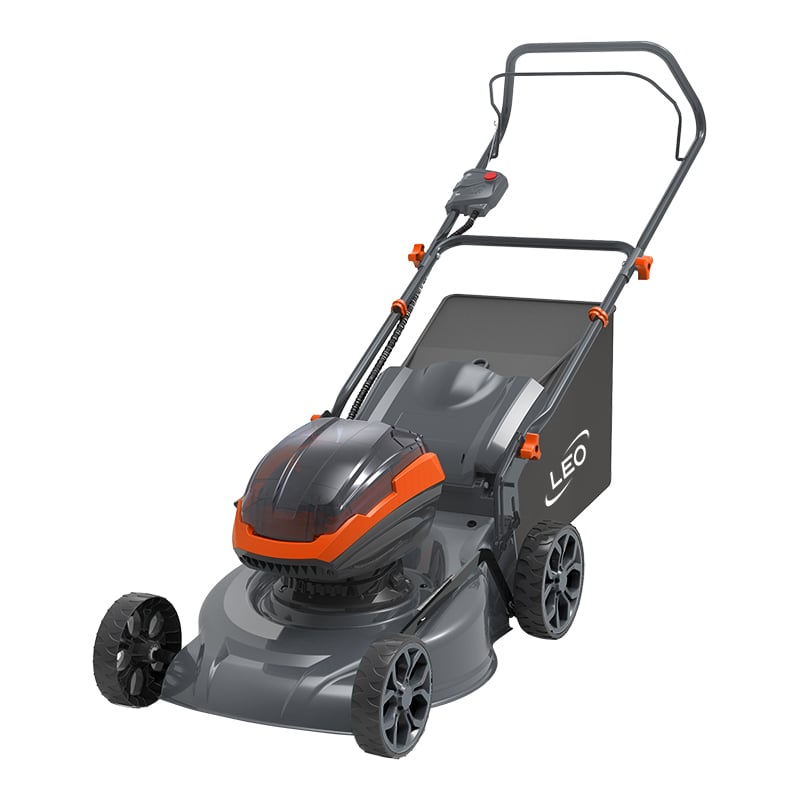
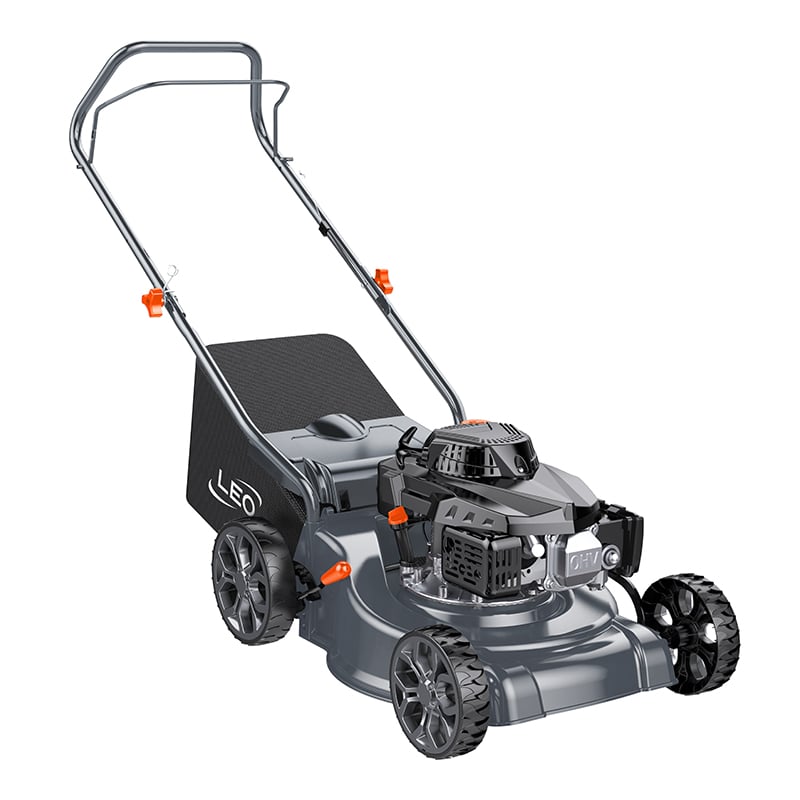
Petrol, cordless, and electric options each have a place in lawn care equipment. Petrol power can suit remote or extended mowing where refuelling is easier than charging. Cordless machines can help in noise-sensitive sections and make moving between scattered work zones simpler, provided the team has enough batteries and a charging routine. Corded equipment may fit limited tasks near reliable power but is rarely the foundation for a large property.
Ask one operational question before deciding: can the crew complete its planned route, including the second pass and trim work, without creating a charging, fuel, or transport bottleneck? The answer usually matters more than a headline power figure. For a mixed fleet, standardising batteries or service consumables where practical can make landscaping tools easier to manage.
Build a Safe, Serviceable Fleet
Reliable lawn care equipment depends on a pre-use routine. Check tyre condition and pressure, guards, controls, blade condition, fluid levels where relevant, battery state, fasteners, and operator-presence systems. Keep a written record for shared machines. Operators should clear visible hazards before mowing and should stop rather than improvise around unstable ground, hidden obstacles, or an unsafe slope.
When evaluating garden machines, ask how easily the crew can clean the deck, replace a wearable part, access a filter, and obtain technical support. A lower initial purchase price can be outweighed by downtime if a common belt, blade, battery, or guard is difficult to source. For professional property maintenance, serviceability is part of the equipment specification.
A Practical Buying Sequence
- Map the property and rank zones by time, terrain, and risk.
- Select the primary mower for the largest safe open area.
- Add a walk-behind mower for access constraints and finish quality.
- Specify trimmers, edging tools, and debris equipment for recurring border and cleanup work.
- Confirm storage, transport, fuel or charging, PPE, spare parts, and planned maintenance before ordering.
With that sequence, lawn care equipment becomes a planned toolkit rather than a collection of isolated purchases. The right mix will differ by property, but a clear division between open mowing, close trimming, debris handling, and safe terrain work gives large-property teams a sound starting point.

 Hot News