
 EN
What Makes a Professional Ride On Mower Different from Residential Models?
A ride on mower can make a large lawn easier to manage, but the label on the machine matters when the work becomes frequent, demanding, or revenue-critical. A residential model is usually designed around weekly home use; a professional machine is built around repeated operation, faster turnaround, and maintenance that fits into a working schedule. The practical question is not which class looks tougher in a brochure. It is whether a particular ride on mower matches the acreage, turf conditions, operator time, and support plan behind the purchase.
After working across different properties, the distinction that tends to matter is what shows up after repeated use: how the deck handles impacts, how the drive responds on uneven ground, and how quickly routine service can be completed. This performance comparison focuses on those everyday differences rather than treating every homeowner or contractor as having the same needs.
Professional and residential models start with different duty cycles
A residential ride on mower is generally intended for a private lawn with a predictable mowing routine. It may be a sensible choice when the lawn is maintained regularly, the terrain is fairly forgiving, and the machine has time to cool and be serviced between sessions. A professional ride on mower, by contrast, is expected to cover more ground and return to work repeatedly through the season.
That duty-cycle difference influences many parts at once. A commercial mower is commonly configured around longer operating periods, a heavier chassis, and components selected for regular loading. A residential mower often prioritizes familiar controls, compact storage, and an ownership cost that makes sense for limited weekly use. Neither approach is inherently wrong; the problem begins when a machine intended for occasional mowing is asked to carry a contractor-style schedule.
Where the build differences usually appear
Deck, frame, and discharge path
The cutting deck is one of the first places to inspect on any ride on mower. Professional-oriented decks often place more emphasis on rigidity, replaceable wear items, and access for cleaning or blade service. That matters when cutting conditions include thicker growth, debris risk, or many hours of vibration. A residential deck can still deliver a tidy finish on a maintained lawn, but it may not be intended for the same frequency of impacts or the same pace of use.
Frame construction deserves the same practical scrutiny. Look at how the deck is supported, how guards are fixed, and whether service points can be reached without removing multiple panels. A durable-looking ride on mower is not automatically the right choice, yet accessible inspection points can reduce the friction of basic upkeep.
Engine and cooling demands
More engine size alone does not settle the question. The number buyers often compare first is horsepower, but terrain-matched torque, cooling capacity, and filtration access can be more relevant once a ride on mower is working in tall growth or warm weather. Commercial-class engine layouts are often described as using durability-focused features such as more substantial air filtration or cylinder-bore construction; buyers should still verify the actual engine specification for the chosen model.
For a residential mower used on an ordinary weekly schedule, an engine designed for moderate seasonal use may be entirely appropriate. For a crew that cannot afford frequent pauses, the useful comparison is how the engine, cooling system, and filters suit the real workload—not simply which specification line is larger.
Transmission, steering, and traction
A professional ride on mower is often selected for responsive control under repeated starts, turns, slopes, and transport between sections of a property. The transmission and steering arrangement should be evaluated alongside the terrain, not in isolation. A machine that feels agile on open, dry turf may behave differently on rutted areas, damp turf, or a site with frequent obstacles.
This is where a performance comparison benefits from a short test route: include a straight pass, a turn near landscaping, a small incline, and a patch that reflects normal turf density. A commercial mower may justify its more robust setup when those conditions recur day after day. If they do not, a simpler ride on mower may be the more proportionate investment.
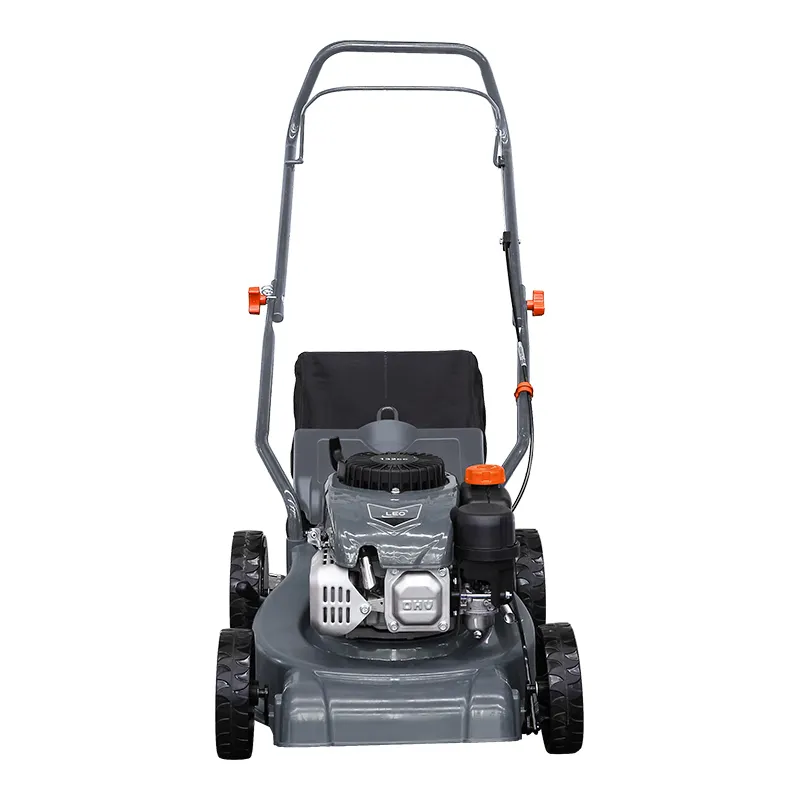 Compare service access and intended workload before selecting a ride on mower.
Productivity is more than travel speed
For professional users, productivity includes cutting quality, turning time, loading and unloading, refuelling or charging, cleanup, and routine checks. A professional ride on mower can be easier to keep in service when its belts, blades, filters, and grease points are designed for regular attention. That does not mean every commercial specification is necessary for every property; it means downtime has a different cost when several sites are scheduled in one day.
For homeowners, a residential mower may offer the right balance when comfort, storage footprint, and straightforward operation matter more than continuous output. The right ride on mower should reduce work without adding maintenance complexity that the owner will not realistically manage.
Serviceability changes the long-term calculation
The price tag is only one part of ownership. After a season of mowing, fuel or energy use, blades, filters, belts, tires, and service time may matter more than an initial saving. That is why a ride on mower should be assessed with a maintenance plan: Who will perform routine checks? Where will parts come from? Can the dealer or supplier support the machine during the mowing season?
Parts availability and service-network coverage deserve as much attention as stated performance. This is especially relevant for distributors and professional buyers serving seasonal garden markets, where delayed support can affect a busy period. A commercial mower with a practical parts route may be a sounder operational choice than a more elaborate machine with uncertain service support. Conversely, a home user with easy access to support may find a residential mower more than adequate.
A practical selection checklist
- Measure the work: Consider acreage, mowing frequency, lawn height, obstacles, and slopes before choosing a ride on mower.
- Inspect service access: Check how filters, blades, belts, and routine inspection points are reached.
- Match the deck to conditions: Review deck construction and cleaning access against the expected turf and debris conditions.
- Test the controls: A short route can reveal whether steering, traction, and operator position suit the actual site.
- Confirm support: Ask about manuals, spare parts, service procedures, and seasonal availability before committing.
Which ride on mower is the sensible choice?
The answer depends on workload. A professional ride on mower is usually justified when a machine will be used across large areas, many properties, uneven conditions, or a schedule where downtime disrupts paid work. Its value lies in workload fit, construction, and serviceability rather than a label alone. A residential mower is often the more sensible route for a maintained home lawn with a limited weekly mowing routine.
For either buyer, choose a ride on mower by asking what happens after the first season: Can it be maintained consistently, supported locally, and operated comfortably for the real duration of each job? Based on what experienced operators tend to see, the machine that holds up well is not necessarily the most powerful one; it is the one whose capability and upkeep requirements match the work it will actually do.
 Hot News