
 EN
EN
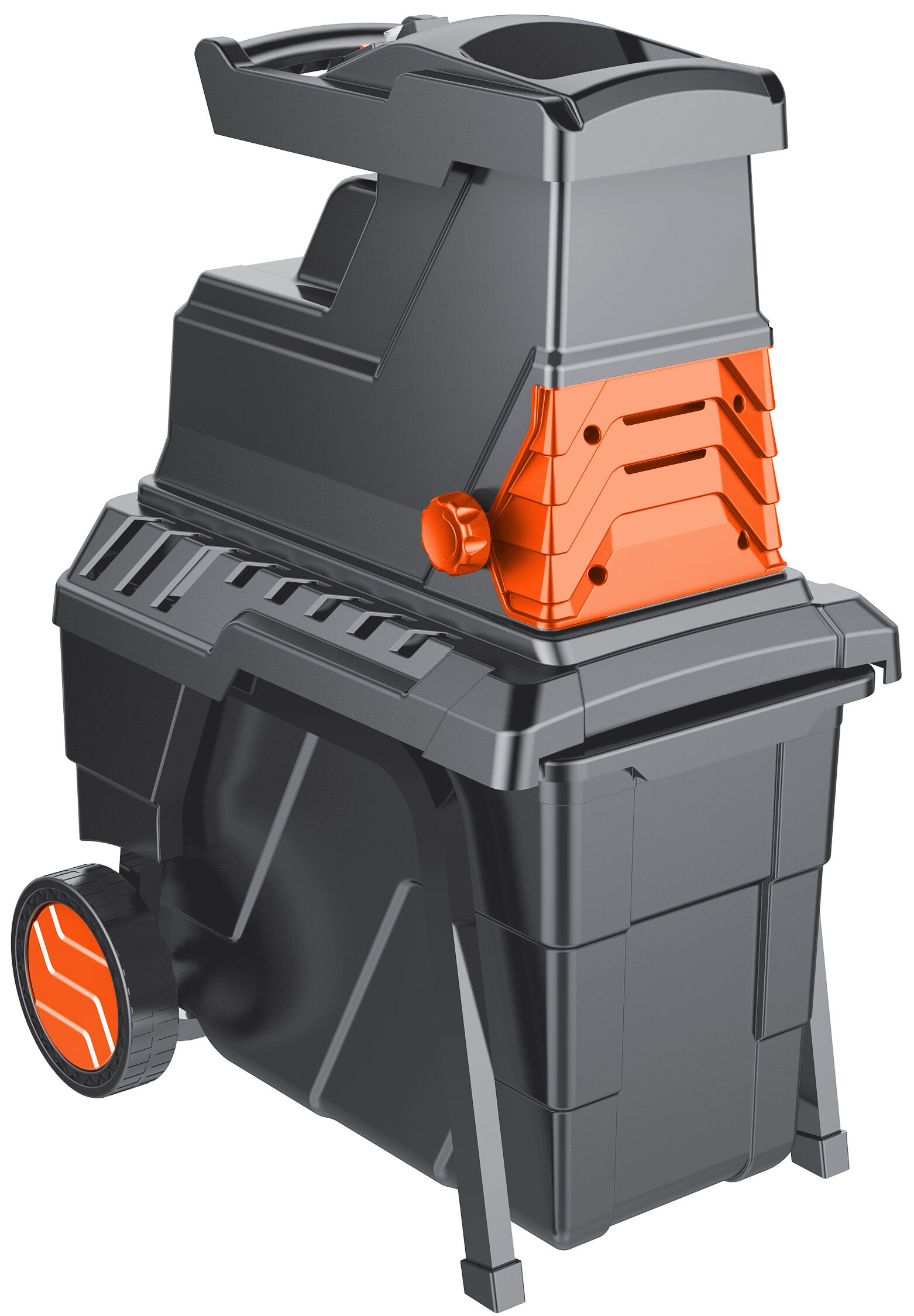
الصلادة مقابل المقاومة للتشقق: تحقيق التوازن بين مقاومة التآكل ومقاومة الصدمات في شفرات مُقطِّع الحدائق
التحدي الأساسي في تصميم شفرات مُقطِّعات الحدائق هو تحقيق التوازن الأمثل بين الصلادة والمرونة. والصلادة — التي تُقاس بمقياس روكويل C (HRC) — تحدد مدى مقاومة الشفرة للتآكل الناتج عن الأوراق والأغصان والعصارة اللزجة. فكلما ارتفعت قيمة HRC، طال أمد بقاء الحافة حادةً، مما يقلل من تكرار عملية التحديد. لكن الزيادة المفرطة في الصلادة تؤدي إلى هشاشة الشفرة، ما يرفع خطر تَشَقُّقها أو انكسارها عند مواجهة أجسام كثيفة أو صلبة مثل العُقد أو الحجارة. وللمُقطِّعات الثقيلة المستخدمة في الحدائق، يتراوح المدى الأمثل لقيمة HRC بين ٦٠ و٦٥: وهو مدى مرتفعٌ بما يكفي لمقاومة التآكل، وفي الوقت نفسه كافٍ من حيث المرونة لامتصاص الصدمات دون حدوث عطل.
كيف تؤثر صلادة روكويل (HRC) في التآكل الناتج عن الأوراق والأغصان والعصارة
الارتداء الكاشط هو السبب الأكثر شيوعًا لتدهور الشفرات في معالجة نفايات الحدائق النموذجية. فتحتوي الأوراق والأغصان الخضراء على جزيئات السيليكا التي تعمل كورق صنفرة طبيعي؛ كما أن الراتنج اللزج يحبس الأتربة ويسرع من عملية التآكل. وفي نطاق صلادة ٦٠–٦٥ درجة حسب مقياس روكويل (HRC)، تؤدي الزيادة في الصلادة إلى سطح أكثر كثافةً ومقاومةً للخدوش، ما يبطئ بشكلٍ ملحوظٍ الارتداء الميكروسكوبي. فعلى سبيل المثال، تحت ظروف الأحمال المتواصلة من الأوراق الرطبة والأغصان الرفيعة، تحتفظ شفرة بصلادة ٦٢ HRC بحدّها لفترة أطول بنسبة ٣٠–٤٠٪ عادةً مقارنةً بشفرة بصلادة ٥٨ HRC — وهو ما يُترجم إلى عدد أقل من عمليات الاستبدال وأداء أكثر اتساقًا طوال الموسم. ومع ذلك، فإن تركيب المادة المُعالَجة له أهمية كبيرة: فالمواد الليِّنة والرطبة تُسبب ارتداءً أقل للشفرات مقارنةً بالأغصان الجافة الهشة أو الكرمات الشائكة، مما يسمح بتعديلات معتدلة في درجة الصلادة وفقًا للظروف المحلية.
لماذا تزيد الصلادة الزائدة من خطر التشقق أثناء استخدام آلة تقطيع الحدائق مع خليط من المواد المُعالَجة
زيادة الصلادة إلى ما يتجاوز ٦٥ HRC تقلل من مقدار الليونة وتزيد من الهشاشة، مما يُضعف قدرة النصل على امتصاص طاقة التصادم المفاجئ. وفي الاستخدام الفعلي، نادرًا ما تكون المواد المُدخلة متجانسة: فقد يتبع حمولة من بقايا العشب فجأةً غصن بلوط أو قطعة معدنية مدمجة. وعند ارتطام هذه الأجسام بنصلٍ شديد الصلادة، تتراكز الإجهادات عند حدود الحبيبات أو العيوب المجهرية، ما يؤدي إلى تشكل شقوق أو تشوهات. وهذه العيوب تُضعف كفاءة القطع، وتُنتج حوافًا خطرة، بل وقد تؤدي—في حال الدوران عالي السرعة—إلى فشل كارثي. وبما أن التشغيل بمزيج من المواد المُدخلة هو القاعدة السائدة في معظم آلات التقطيع المنزلية وآلات التقطيع الصغيرة المستخدمة في الحدائق، فإن إعطاء الأولوية لمدى مقاومة التأثير على حساب مكاسب هامشية في مقاومة التآكل أمرٌ بالغ الأهمية. ولذلك، صُمِّمت الشفرات ضمن النطاق ٦٠–٦٥ HRC عمداً لتضحي بقدرٍ ضئيل من مقاومة التآكل لصالح تحسين كبير في السلامة والموثوقية وطول عمر الخدمة.
المقاومة للتآكل لأداء شفرات آلات التقطيع في الحدائق على المدى الطويل
يُعدّ التآكل السبب الرئيسي لانخفاض أداء شفرات آلات تقطيع الأغصان على المدى الطويل، وذلك نتيجةً للتعرض المتكرر للأوراق الرطبة وأحماض النباتات وعصارتها. حتى الصدأ السطحي الخفيف يُضعف سلامة الحواف، ويُسرّع من بهتانها، ويُلوّث النشارة المقطعة.
الفولاذ المقاوم للصدأ من النوع 420 مقابل النوع 440C: التدهور الفعلي في البيئات الرطبة الغنية بالمواد العضوية المستخدمة في تجهيز المهاد
يعتمد اختيار الفولاذ المقاوم للصدأ على تحقيق توازن بين مقاومة التآكل، والصلادة، والمتانة. الفولاذ المقاوم للصدأ 420 ويوفّر الفولاذ المقاوم للصدأ من النوع 420، الذي يحتوي على نحو ١٣٪ كروميوم، حماية أساسية ضد الصدأ، وهي مناسبة للاستخدام العرضي أو في البيئات قليلة الرطوبة — لكنه عُرضة للتآكل النقري عند التعرّض لعصائر نباتية حمضية وللرطوبة المستمرة. 440C فولاذ غير قابل للصدأ تحتوي على ١٦–١٨٪ كروم ونسبة أعلى من الكربون، وتوفّر مقاومة فائقة للتآكل والاحتفاظ بالحدّ الحاد في البيئات الرطبة المستمرة الغنية بالمواد العضوية. ومع ذلك، فإن ازدياد صلابتها (عادةً ما تتراوح بين ٥٨–٦٠ درجة على مقياس روكويل بعد التبريد مباشرةً، وقد تصل إلى ٦٢+ بعد التليين) يزيد أيضًا من قابليتها للتشقق الميكروسكوبي عند التعرّض للصدمات. وتُظهر الخبرة الميدانية أن شفرات الفولاذ ٤٢٠ غالبًا ما تفقد حِدَّتها بسبب التآكل خلال موسم واحد فقط من التقطيع الثقيل، بينما تحافظ شفرات الفولاذ ٤٤٠C على هندسة القطع الفعّالة لمدة موسمين أو أكثر قبل الحاجة إلى إعادة شحذها أو استبدالها. وللمزارعين في المناخات الرطبة أو أولئك الذين يعالجون بانتظام مواد حمضية أو راتنجية، فإن التكلفة الأولية الأعلى للفولاذ ٤٤٠C تكون مبرَّرة بانخفاض متطلبات الصيانة، وانخفاض وقت التوقف عن العمل، وزيادة عمر الخدمة.
اختيار المادة حسب نوع المادة المُدخَلة: مطابقة سبائك شفرات آلات تقطيع الحدائق مع النفايات الحديقية الشائعة
مقارنة مؤشر التآكل: الخيزران، واللبلاب، ولحاء البلوط الرطب، وأثرها على شفرات الفولاذ عالي الكربون مقابل شفرات الفولاذ السبائكي
تتفاوت نفايات الفناء اختلافًا واسعًا من حيث العدائية الميكانيكية والكيميائية — مما يستلزم اختيار سبائك مُصمَّمة خصيصًا. ويحتوي الخيزران على رواسب سيليكا كاشطة تؤدي إلى تآكل سريع لشفرات الفولاذ عالي الكربون القياسية. أما اللبلاب فيسبب احتكاكًا معتدلًا، لكنه يحتوي أيضًا على نسبة رطوبة عالية تُسرِّع التآكل في السبائك غير القابلة للصدأ. وتشكل لحاء البلوط الرطب أعلى مؤشر للاحتكاك بسبب قوامه الخشن، و والحموضة الغنية بالتانين — ما يؤدي إلى اقتران التآكل الميكانيكي مع التدهور الكهروكيميائي.
توفر فولاذات الكربون العالية (0.6–0.95% كربون) صلادة أولية جيدةً للمواد اللينة والجافة، لكنها تفقد فعاليتها بسرعة عند معالجة المواد المسببة للتآكل: فقد تتطلب معالجة الخيزران أسبوعيًّا إعادة شحذ الشفرات كل ١٥–٢٠ ساعة تشغيل. وعلى النقيض من ذلك، تحافظ فولاذات السبائك مثل فولاذ الأدوات من النوع D2 أو فولاذ 4340 المحتوي على النيكل والكروم والموليبدينوم على أداء القطع لمدة أطول بثلاث مرات عند تقطيع لحاء البلوط الرطب. أما في الحدائق التي تحتوي على خليط من المواد الخشبية والمتسلِّقة — مثل اللبلاب أو الشمروخ أو التوت البري — فإن فولاذات السبائك المحتوية على الكروم والموليبدينوم تُعدُّ أفضل حل وسط: فهي توفر درجة كافية من الصلادة لمقاومة التآكل، ومقاومة محسَّنة للتآكل بفضل الكروم، وتحافظ على المقاومة الصدمية بفضل الموليبدينوم. وبغض النظر عن نوع السبيكة المختارة، يظل الفحص الدوري أمرًا بالغ الأهمية: إذ إن ظهور تقريب في حافة الشفرة أو تآكل سطحي أو عدم تناسق في الشكل يشير إلى ضرورة إعادة الشحذ أو الاستبدال للحفاظ على اتساق عملية التقطيع وكفاءة الجهاز.
إرشادات عملية للصيانة واستبدال شفرات مُقطِّعات الحدائق
الصيانة المنتظمة تطيل مباشرةً عمر الشفرات وتحمي أداء آلة التقطيع. فاحص الشفرات كل ٥٠–١٠٠ ساعة تشغيل بحثًا عن الشقوق أو التآكل أو تشوه الحواف. نظّفها بدقة بعد كل استخدام—وخاصةً بعد تحميلات غنية بالصموغ أو الرطبة—لإزالة البقايا العضوية التي تحفّز التآكل في الظروف الرطبة. وبعد التنظيف والتجفيف، طبّق طبقة خفيفة من زيت معادن صالح للأغذية أو رشة مانعة للصدأ لحماية السطح. قم بتقليح الشفرات بشكل استباقي—وليس بعد أن تصبح باهتة جدًّا—للحفاظ على هندسة الميل الصحيح والتوازن الديناميكي. وعند التقليح، استخدم خدمة احترافية أو قالبًا معايرًا لتفادي عدم التناظر الذي قد يتسبب في الاهتزاز وتآكل المحامل قبل أوانه. استبدل الشفرات فور اكتشاف أي شقوق أو تآكل عميق أو عدم توازن— واستبدل دائمًا مجموعة الشفرات كاملةً معًا للحفاظ على توازن الدوار. إن الالتزام بهذا النظام يحسّن كفاءة استهلاك الطاقة، ويمنع الانسدادات، ويضمن أداءً موثوقًا به موسمًا بعد موسم.
قسم الأسئلة الشائعة
لماذا من الضروري أخذ التوازن بين الصلادة والمتانة في الاعتبار عند اختيار شفرات مُقطِّع الحدائق؟
إن تحقيق التوازن بين الصلادة والمتانة يضمن أن تكون الشفرات قادرةً على مقاومة كلٍّ من التآكل الناجم عن الاحتكاك وامتصاص الصدمات الناتجة عن التصادمات دون أن تنكسر أو تتشقَّق. ويؤدي ذلك إلى أداءٍ أكثر كفاءةٍ وأمانًا، مع طولٍ أكبر في عمر الشفرات.
ما المدى المثالي لصلادة روكويل (HRC) الخاص بشفرات مُقطِّع الحدائق؟
المدى المثالي لصلادة روكويل (HRC) الخاص بشفرات مُقطِّع الحدائق هو ٦٠–٦٥، ما يوفِّر مقاومةً مثلى للتآكل مع الحفاظ في الوقت نفسه على متانةٍ كافيةٍ للتعامل مع الصدمات المفاجئة.
كيف يؤثر اختيار المادة على متانة شفرات مُقطِّع الحدائق؟
توفر مواد مثل الفولاذ المقاوم للصدأ من الدرجة ٤٢٠ مقاومةً أساسيةً للصدأ، لكنها تفتقر إلى الكفاءة في البيئات الحمضية أو الرطبة. أما الفولاذ المقاوم للصدأ من الدرجة ٤٤٠جيم والفولاذ السبائكي مثل D2 فيقدِّمان مقاومةً أفضل للصدأ والتآكل في الظروف التشغيلية الصعبة.
ما الخطوات الروتينية للصيانة التي يمكن أن تطيل عمر شفرات مُقطِّع الحدائق؟
يمكن أن يساعد الفحص المنتظم للشفرات للكشف عن التلف، وتنظيفها بعد كل استخدام، وتطبيق مثبّطات الصدأ، وتشحذها في الوقت المناسب أو استبدال الشفرات البالية أو التالفة في إطالة عمر الشفرات.
كيف تؤثر أنواع النفايات الحديقية المختلفة على أداء الشفرات؟
تتسبب المواد الكاشطة مثل الخيزران ولحاء البلوط الرطب في اهتراء أسرع، بينما يُسرّع محتوى الرطوبة في اللبلاب من عملية التآكل. ويجب اختيار مواد الشفرات بناءً على أنواع النفايات الحديقية المُعالَجة تحديدًا.
جدول المحتويات
- الصلادة مقابل المقاومة للتشقق: تحقيق التوازن بين مقاومة التآكل ومقاومة الصدمات في شفرات مُقطِّع الحدائق
- المقاومة للتآكل لأداء شفرات آلات التقطيع في الحدائق على المدى الطويل
- اختيار المادة حسب نوع المادة المُدخَلة: مطابقة سبائك شفرات آلات تقطيع الحدائق مع النفايات الحديقية الشائعة
- إرشادات عملية للصيانة واستبدال شفرات مُقطِّعات الحدائق
-
قسم الأسئلة الشائعة
- لماذا من الضروري أخذ التوازن بين الصلادة والمتانة في الاعتبار عند اختيار شفرات مُقطِّع الحدائق؟
- ما المدى المثالي لصلادة روكويل (HRC) الخاص بشفرات مُقطِّع الحدائق؟
- كيف يؤثر اختيار المادة على متانة شفرات مُقطِّع الحدائق؟
- ما الخطوات الروتينية للصيانة التي يمكن أن تطيل عمر شفرات مُقطِّع الحدائق؟
- كيف تؤثر أنواع النفايات الحديقية المختلفة على أداء الشفرات؟