
 EN
EN
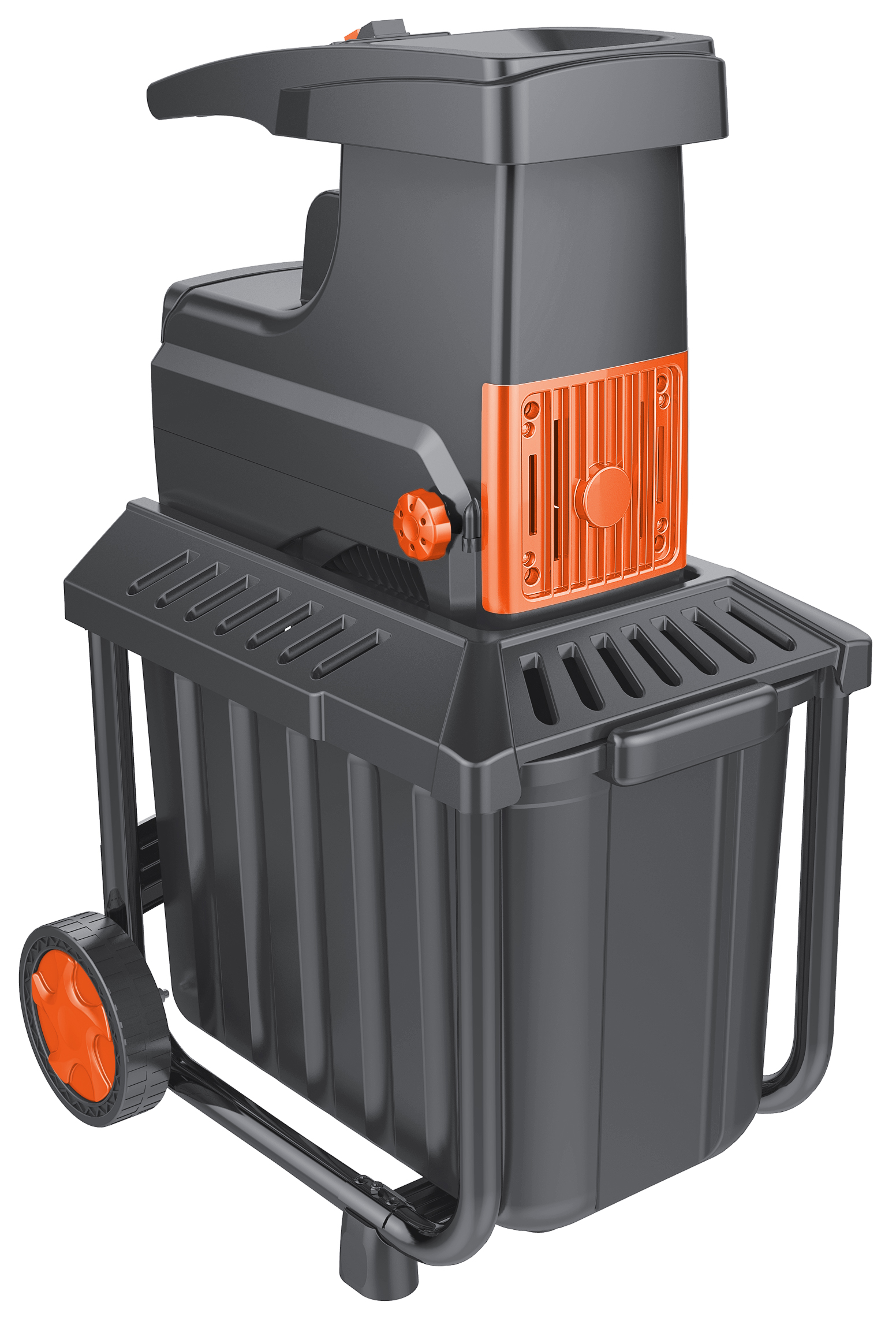
Garden Shredder Types and Their Real-World Branch-Capacity Limits
Rotary, Drum, and Hammermill Mechanisms: How Design Dictates Branch Handling
The design of garden shredders directly determines which branch sizes they can realistically process. Rotary (blade-disc) shredders slice material with high-speed spinning blades—ideal for soft, green prunings but poorly suited to hardwood. Field data from the International Society of Arboriculture (2022) shows typical rotary units handle branches up to 35 mm only when wood is fresh and non-fibrous; capacity drops by 30% for seasoned oak. Drum shredders use a slower, toothed cylinder to crush and tear—delivering reliable throughput for branches up to 50 mm and producing coarser chips well-suited for compost. Endurance testing confirmed that 85% of birch and cherry limbs within this range passed through without jamming. Hammermill shredders employ free-swinging hammers to pulverize material against a screen, enabling hardwood handling up to 80 mm—but green, sappy branches easily clog the screen. In practice, real-world limits depend less on advertised diameter and more on blade sharpness, feed rate, and sustained motor torque.
Why Rated Maximum Diameter Often Overpromises — The Gap Between Lab Specs and Garden Reality
Manufacturers rate shredders using straight, knot-free, air-dried softwood in controlled lab conditions—a far cry from the tangled, moist, and irregular branches found in real gardens. Independent horticultural testing (2023) revealed that 12 of 18 electric models failed to accept branches at 90% of their rated diameter when wood was green, and average throughput fell 22% below published specs. This gap arises from three key variables: moisture content (which increases weight and reduces cutting efficiency), branch density (a 40 mm oak limb resists 60% more than pine of equal thickness), and continuous-duty limitations—many motors lose torque after just 15 minutes of heavy load. As a result, a shredder labeled “max 45 mm” may reliably process only 35 mm hardwood or 40 mm softwood under actual working conditions. Recognizing this discrepancy helps prevent stalling, overheating, and premature wear.
Branch Size Tiers and the Right Garden Shredders for Each
Fine Prunings (<10mm): Compact Garden Shredders for Routine Maintenance
Most routine garden waste—soft stems, thin twigs, and leafy prunings—falls well below 10 mm. Compact electric shredders, using impact or turbine mechanisms, handle this efficiently and produce fine mulch ideal for composting. Lightweight and quiet, they suit small suburban plots where noise and storage space matter. Throughput typically ranges from 50–80 kg/hour, depending on feed consistency. These units are not engineered for thicker material: forcing a 12 mm branch risks immediate jamming or motor overload. While a model rated for up to 40 mm offers headroom, a dedicated compact shredder is more cost-effective and fully sufficient for sub-10 mm work—keeping essential maintenance simple and sustainable.
Hedge Trimmings & Small Limbs (10–40mm): Mid-Range Garden Shredders for Balanced Performance
Hedge trimmings, rose clippings, and occasional small limbs commonly fall between 10–40 mm—especially in mature gardens with mixed shrubbery and fruit trees. Mid-capacity shredders, often petrol-powered with roller or drum mechanisms, deliver consistent torque through fibrous green material that would bind in lower-torque electric models. Most accept up to 40 mm hardwood and process 100+ kg/hour, aided by self-feeding chutes that reduce operator effort. Crucially, buyers should confirm whether the stated maximum refers to dry hardwood: softwood of identical thickness demands significantly more power. A unit rated for 40 mm dry oak may struggle with a 35 mm fresh willow branch. For gardens generating diverse waste—fine prunings alongside occasional small limbs—this tier delivers optimal balance of capacity, maneuverability, and chip uniformity.
Thick Branches (40–80mm+): Heavy-Duty Garden Shredders Built for Realistic Load Demands
Pruning mature trees or clearing storm damage routinely produces branches exceeding 40 mm—often reaching 80 mm or more. Only heavy-duty shredders with dedicated chipping blades or hammermill systems handle this reliably. Diesel- or PTO-driven units rely on force over speed, featuring large infeed chutes and hydraulic rollers that grip and pull timber in. Capacity ratings commonly span 70–100 mm for dry hardwood, though real-world performance depends heavily on species and moisture. For example, a unit rated for 80 mm dry oak may drop to 60 mm effective capacity with wet, fibrous eucalyptus. Throughput ranges from 200–500+ kg/hour for professional-grade models. These machines require tractor integration or substantial engine power and are best reserved for large estates, orchards, or commercial landscaping crews. Feeding even slightly oversized branches risks blade damage, belt slippage, or engine stall—so selecting a model whose realistic capacity comfortably exceeds your garden’s largest typical branches prevents costly downtime.
Key Factors That Actually Reduce Effective Branch Capacity
Moisture Content: Why Green Branches Shred Less Efficiently Than Dry Ones
Green branches contain high moisture—often above 30%—making them soft, fibrous, and prone to wrapping around cutters or clogging screens. The added water weight also increases mass per unit volume, slowing throughput and straining motors. In contrast, dry branches (moisture <15%) are brittle and fracture cleanly, enabling faster, smoother processing. Operators frequently observe up to a 50% reduction in effective capacity when switching from seasoned to freshly pruned material—leading to frequent stops for clearing jams and reduced operational efficiency.
Branch Density and Flexibility: How Species (e.g., Willow vs. Oak) Impact Throughput
Wood species dramatically affect shredding performance—not just because of density, but due to fiber structure and flexibility. Willow’s long, elastic fibers readily wrap around rotors and blades, causing soft blockages that stall lightweight units. Oak, dense and rigid, requires high torque to fracture; underpowered shredders risk overheating or jamming. The interplay of density and flexibility dictates how easily a machine can bite, grip, and break material. Matching the shredder’s core mechanism—shear (rotary), crush (drum), or impact (hammermill)—to the dominant wood types in your garden is critical to sustaining reliable, uninterrupted operation.
FAQs
What is the difference between rotary, drum, and hammermill shredders?
Rotary shredders use high-speed blades for soft, green prunings. Drum shredders crush and tear material using a toothed cylinder, handling medium-sized branches efficiently. Hammermill shredders pulverize hardwood but can clog with green, sappy branches.
Do garden shredders handle their rated maximum branch diameter?
Often not. Rated maximums are based on controlled lab conditions using dry, knot-free softwood. Real-world capacity is usually reduced, especially with green wood or dense species like oak.
What type of shredder is best for thick branches exceeding 40 mm?
Heavy-duty shredders with hammermill or chipping mechanisms are ideal for thick branches. They handle materials up to 80 mm and beyond, depending on moisture and species.
Why do green branches shred less efficiently than dry ones?
Green branches are moist, fibrous, and heavier, increasing resistance and the likelihood of clogging. Dry branches are brittle and process faster due to lower moisture content.
How do wood species impact shredder performance?
Dense species like oak require higher torque to fracture, while flexible species like willow can wrap around blades and rotors, reducing efficiency. The shredder mechanism should match your dominant wood types.
Table of Contents
- Garden Shredder Types and Their Real-World Branch-Capacity Limits
- Branch Size Tiers and the Right Garden Shredders for Each
- Key Factors That Actually Reduce Effective Branch Capacity
-
FAQs
- What is the difference between rotary, drum, and hammermill shredders?
- Do garden shredders handle their rated maximum branch diameter?
- What type of shredder is best for thick branches exceeding 40 mm?
- Why do green branches shred less efficiently than dry ones?
- How do wood species impact shredder performance?