
 EN
How to Choose Gasoline Lawn Mower Accessories for Better Performance?
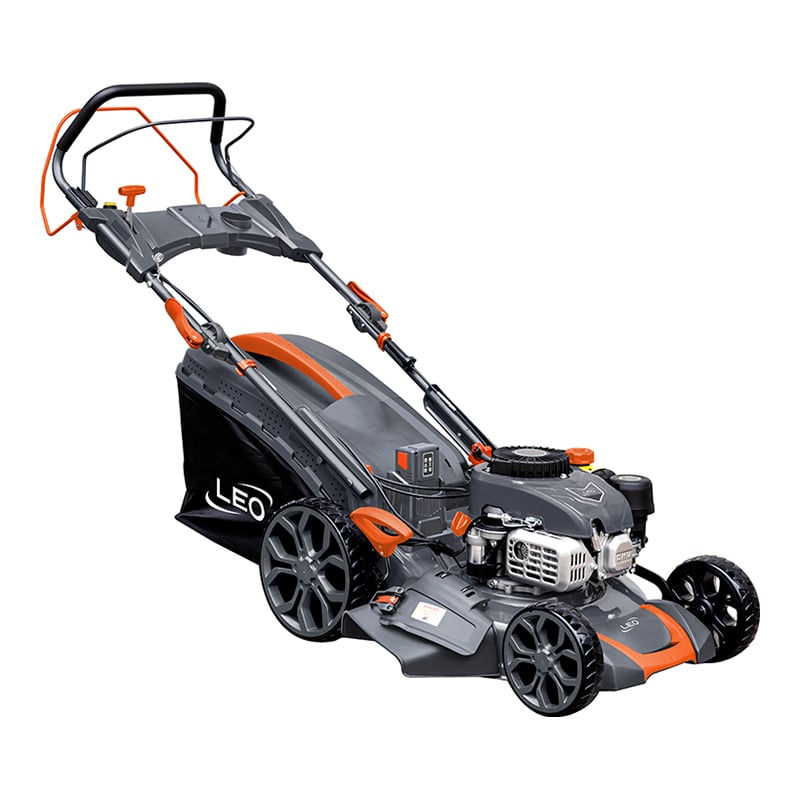
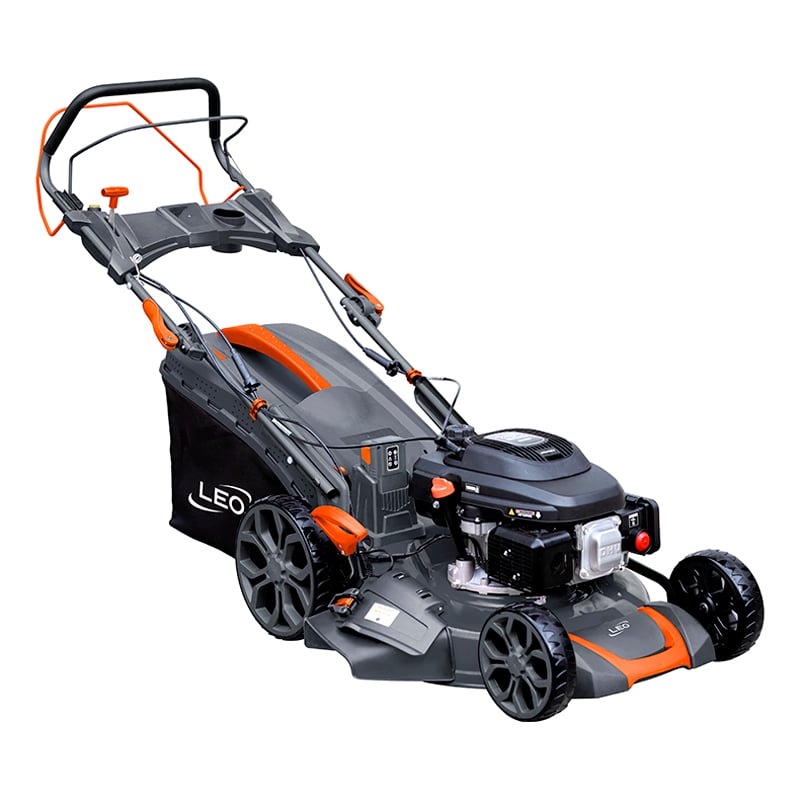
A gasoline lawn mower earns its place when a property is large, turf is dense, or there is no convenient power source. Yet the machine alone does not determine the result. The right mower accessories, fitted to the actual model and mowing conditions, can support a cleaner cut, easier seasonal care, and fewer avoidable stoppages. The wrong accessory can create a poor fit, interfere with safe operation, or simply add cost without helping the job.
This guide takes a practical, serviceability-first approach. Start with the mower manual and model number, then choose accessories around the work you need the machine to do. A useful rule is simple: buy for compatibility and a defined task, not for an impressive-sounding equipment upgrade.
Begin with the mower's compatibility details
Before comparing any accessory, write down the gasoline lawn mower's model number, engine family, deck width, blade mounting pattern, wheel size, and discharge configuration. These details determine whether a part will fit safely. “Fits most mowers” is not enough for a blade, air filter, turf bag, or drive component.
- Model and serial number: use both when ordering model-specific parts.
- Deck width and blade pattern: check blade length, center-hole shape, and mounting hardware.
- Engine information: match filters, spark plugs, and fuel-system items to the engine manual rather than the mower's color or general size.
- Collection and discharge setup: confirm whether the deck is designed for bagging, mulching, side discharge, or a combination.
- Operating conditions: note whether you mow dusty ground, wet turf, slopes, or a large open lawn; these conditions change the value of different accessories.
If you manage a fleet or specify products for resale, keep this information with the service record. It makes replacement parts selection faster and reduces the chance of ordering a component that cannot be installed.
Choose accessories by the performance issue you want to address
For cut quality: blades and deck-care tools
Blade condition has a direct effect on how turf looks after mowing. A dull, bent, cracked, or incorrectly sized blade can tear turf instead of cutting it cleanly. Select a replacement blade only when its dimensions and mounting design match the mower documentation. Consider a blade-balancing tool and a suitable sharpening service or tool as maintenance accessories, but do not reshape or modify a blade beyond the manufacturer’s instructions.
A deck-cleaning scraper or brush can also be useful. Built-up clippings restrict airflow beneath the deck and can affect discharge or collection. Clean the underside only with the engine off, cool, and the spark plug lead disconnected. Avoid using water or tools in a way that forces debris into bearings or electrical areas.
For easier turf handling: bagging, mulching, and discharge components
Choose a turf bag, mulch plug, or discharge deflector according to the deck’s intended configuration. A collection system suits lawns where clippings need to be removed. A mulch plug may be useful for regularly cut, dry turf when the mower is designed to mulch. Side discharge can be practical for longer growth where collection would require frequent stops.
These are not interchangeable conveniences. A bag that does not seal correctly may reduce collection efficiency, and a missing or altered deflector presents a safety concern. Treat guards and deflectors as essential replacement parts, not optional add-ons.
For starting and engine response: service consumables
Many apparent performance problems begin with neglected service items. Keep a model-matched air filter, spark plug, and the engine oil specified by the manufacturer in your seasonal kit. In dusty conditions, inspect the filter more often; a blocked filter can limit airflow. A worn plug or stale fuel may also contribute to difficult starting. The exact inspection and replacement interval belongs in the manual because engines and working conditions differ.
For a gasoline lawn mower stored between seasons, a clean approved fuel container, funnel, and any manual-approved fuel treatment can make routine fuel handling more orderly. Store fuel in a sealed, approved container and follow local fire-safety requirements. Do not treat fuel accessories as a substitute for the mower maker’s storage instructions.
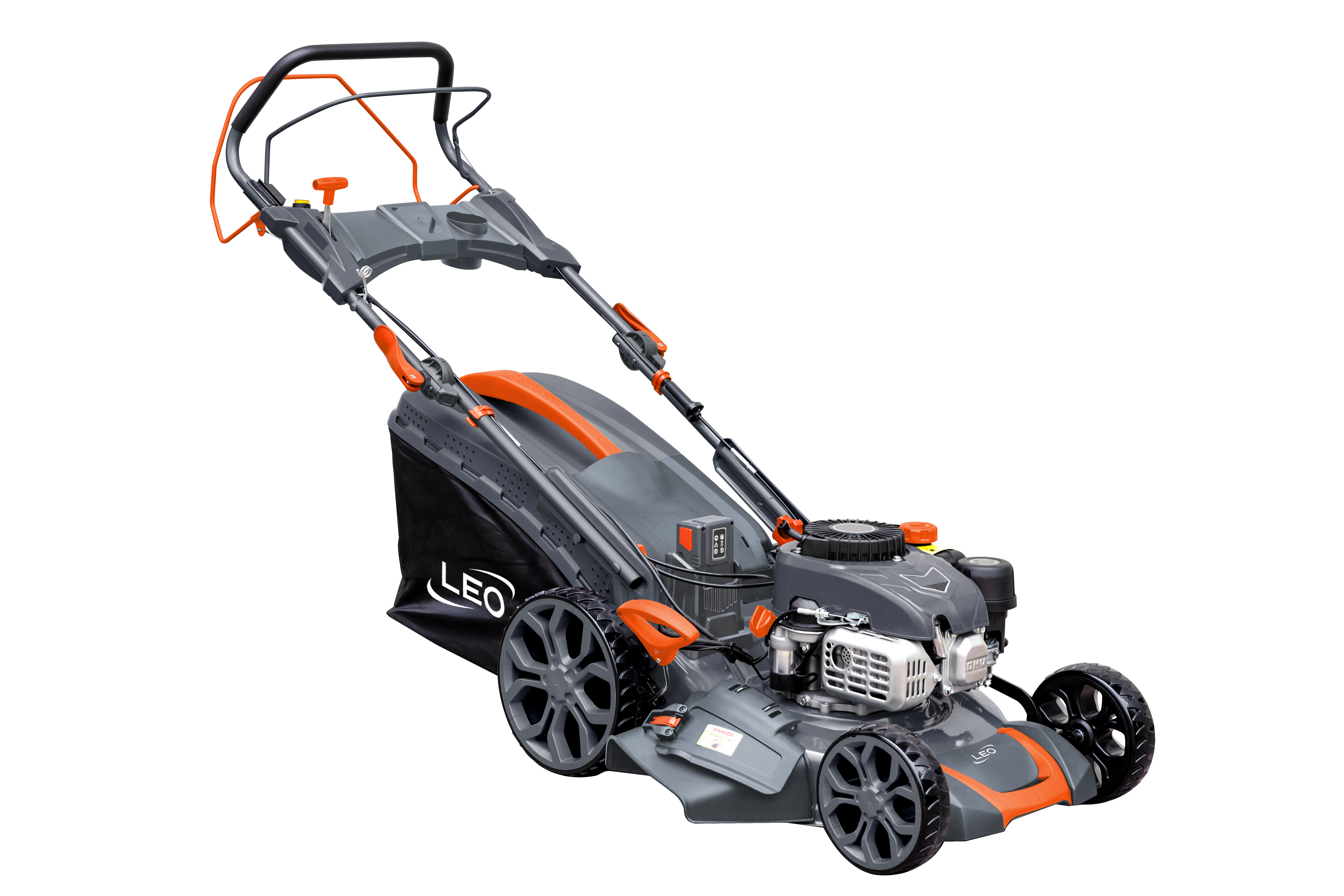 Choose accessories by mower compatibility and the work they need to support.
Prioritize safety and usability accessories
Not every useful accessory touches the mower. Hearing protection, safety glasses, sturdy footwear, gloves, and a way to clear debris from the work area support safer operation. Select personal protective equipment for the task and local safety requirements. Before mowing, remove stones, wire, toys, and branches that could be thrown by the blade.
For storage and movement, a fitted cover can help keep dust aside when the machine is cool and dry, while a ramp or handling aid should be selected according to the mower’s weight and the loading procedure in its manual. Do not use an improvised cover around a hot engine or store fuel where vapors could reach an ignition source.
Build a sensible accessory kit instead of buying everything at once
A good accessory plan is staged. Start with items that protect safe operation and routine maintenance, then add task-specific tools after observing how the mower performs on the actual property.
| Priority | Accessory group | What to verify before buying |
|---|---|---|
| Essential | Correct blade, air filter, spark plug, engine oil | Exact model or engine compatibility and manual specifications |
| Essential | Deflector, guards, turf bag components | Correct deck configuration and secure mounting points |
| Useful for routine care | Blade-care and deck-cleaning tools | Safe working method and suitability for the blade/deck material |
| Condition-based | Mulch plug or collection accessory | Turf condition, mowing frequency, and the deck’s approved modes |
| Seasonal | Fuel container, cover, storage supplies | Fuel approval, ventilation, and the manufacturer’s storage procedure |
This approach also makes an equipment upgrade easier to evaluate. If a new accessory does not solve a specific issue—such as poor collection, frequent filter loading, or difficult storage—wait before purchasing it.
Check replacement-part support before you need it
For long-term ownership, parts availability matters as much as the initial accessory list. Ask the supplier or dealer how you can identify service parts, whether consumables are catalogued by model, and how to obtain items such as blades, filters, wheels, cables, bags, and guards. Zhejiang Leo Garden Machinery Co., Ltd. supports a broad garden-machinery range and advises B2B buyers to confirm the applicable parts catalogue and service arrangements for the selected model before placing an order.
For distributors, planning a small, model-specific stock of high-turn replacement parts can support faster seasonal service. Avoid ordering a generic assortment first; base the list on installed models, expected mowing conditions, and the manufacturer’s parts documentation.
A final pre-purchase checklist
- Identify the exact gasoline lawn mower model, engine, and deck configuration.
- Define the outcome: cleaner cut, better collection, easier maintenance, safer storage, or a specific operating task.
- Check the owner’s manual and parts diagram for approved accessories and part numbers.
- Confirm dimensions, attachment points, and safety compatibility before ordering.
- Put safety items and routine maintenance first; add task-specific mower accessories only when conditions justify them.
- Record part numbers and service dates so future maintenance takes less guesswork.
The right gasoline lawn mower accessories are usually the ones that fit correctly, support the mower’s intended use, and make regular maintenance easier. Focus on proven compatibility, keep critical consumables available, and let real mowing conditions—not a generic feature list—guide the next addition to your kit.
 Hot News