
 EN
EN
Silent Shredder Solutions for Global Garden Tool Distributors.
When sourcing garden machinery at scale, the decision around which shredder category to prioritise has shifted considerably over the past few seasons. The return and complaint patterns I have seen from distributor contacts in Europe and Latin America point to the same recurring issue: end customers are encountering restrictions on when and where they can run conventional shredders. Noise ordinances in residential areas are tightening, and a machine that pushes past 90 decibels is, in practical terms, becoming harder to sell in urban and suburban markets. This is the commercial gap that a well-specified silent shredder addresses — not just for the end user, but for every distributor who depends on post-sale satisfaction to maintain repeat business.
Why Noise Is Now a Distributor-Level Concern
Traditional impact-blade garden shredders operate by driving material through a high-speed rotating impeller, a mechanism that is effective on soft garden waste but loud by design. Typical operating noise for these machines sits in the 90–100 dB range — comparable to a chainsaw or heavy traffic. CE certification requirements for the European market already impose noise emission limits on powered garden equipment, and enforcement in residential contexts continues to tighten at the local level across Germany, the Netherlands, France, and Scandinavia.
The practical consequence for a garden tool supplier distributing into those markets is straightforward: a conventional high-noise shredder is usable only during specific hours on specific days, and in some urban zones it is effectively unusable at all. The limitation feeds back into customer satisfaction scores, online reviews, and the likelihood of re-order. If your range offers only one shredder type and it generates complaints, the category underperforms regardless of the initial sell-through rate.
A silent shredder, by contrast, typically operates at around 60 decibels — a level broadly comparable to a normal conversation. According to noise reduction data relevant to this product category, silent shredder designs reduce operational noise by approximately 50–60% compared to their conventional equivalents. That gap is large enough to move a machine from socially disruptive to genuinely manageable in residential use conditions.
The Mechanical Basis for Low-Noise Operation
The distinction between a loud shredder and a silent shredder is principally mechanical, not cosmetic. Quiet electric garden shredders typically use a slow-roller, knives-cut mechanism rather than an impact-disc system. Material is drawn in by counter-rotating rollers and processed at lower rotational speeds, which eliminates the sharp impact noise of high-speed blade contact. The result is a machine that handles varied material types — thin branches, hedge clippings, leaf litter — with substantially less sound output.
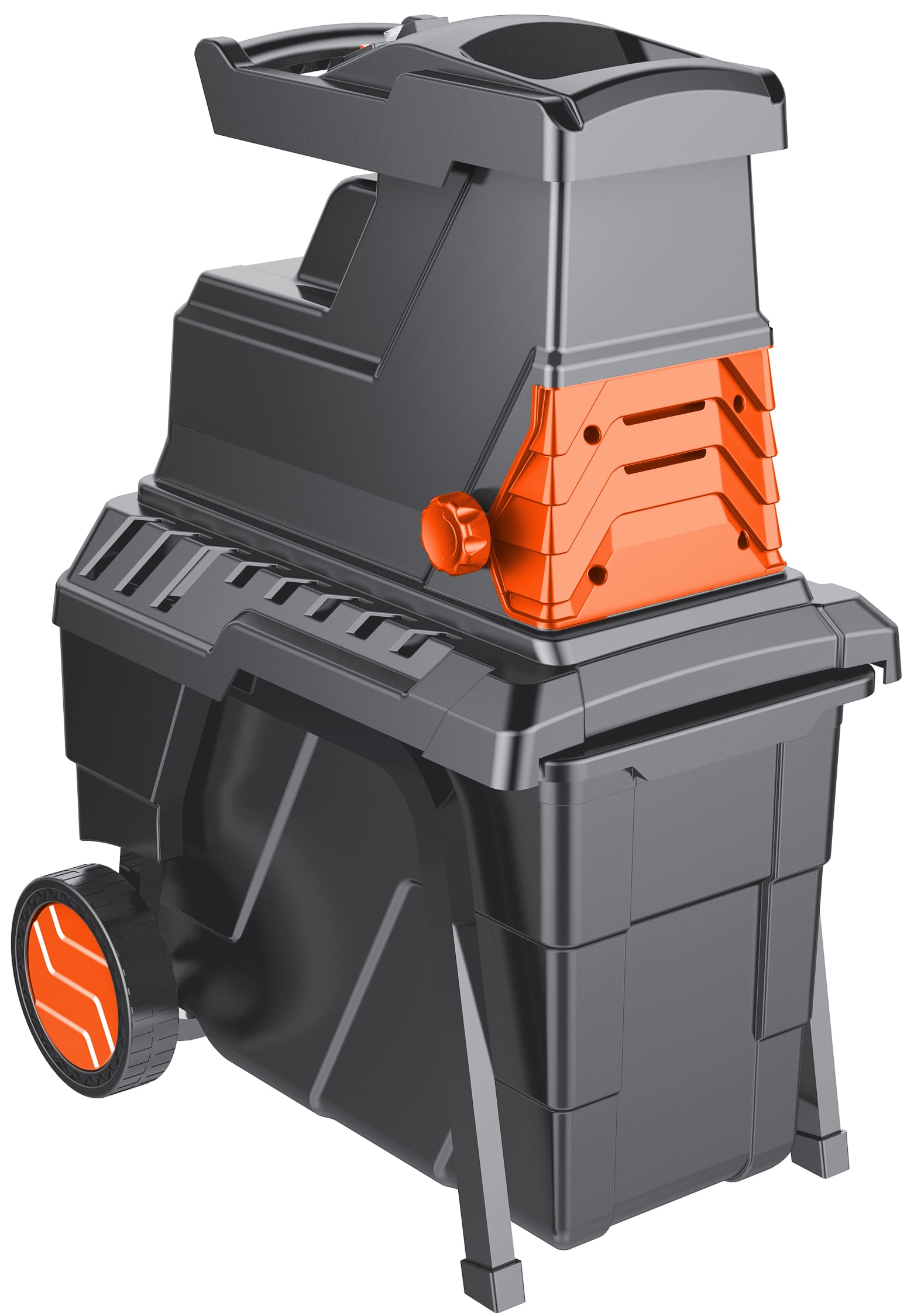
For distributors evaluating wholesale equipment specifications, the key technical parameters to verify are: rated input power (commonly 2400–2800W for corded electric models), maximum cutting diameter (typically 40–45mm for mid-range models), and the inclusion of an automatic reverse function, which clears material blockages without operator intervention and reduces service calls. If your target market includes residential customers who garden regularly, these specifications represent a defensible mid-range offering that handles the bulk of real-world use cases.
The tradeoff worth understanding is that silent operation in throughput speed — slow-roller mechanisms process material more steadily than impact shredders. Based on what I have seen in procurement reviews across multiple distributor accounts, this is rarely a significant objection once buyers understand the noise context. A machine that can be used any afternoon without neighbourhood complaints is more useful, in most residential gardens, than a faster machine that cannot be started before 9am on a Saturday.
What Distributors Should Expect from an OEM Shredder Supplier
If you are sourcing a silent shredder for wholesale distribution rather than end retail, the supplier relationship matters as much as the product specification. A credible manufacturer at this level should deliver: CE compliance documentation and noise test reports aligned to current European directive requirements; multi-language user documentation (which reduces localisation overhead across multi-market distribution channels); and a spare parts catalogue accessible to your service centres without extended lead times.
OEM and private label capability is the other dimension worth clarifying early. Brand-owning distributors who want to offer a silent shredder under their own label need a supplier with genuine product development infrastructure — not just a factory applying a different sticker. The distinction matters at the inspection and documentation stage: an OEM shredder programme that is properly managed will include pre-shipment quality inspection, consistent batch specification, and traceability across production runs. These details protect the distributor's market reputation as much as the product itself.
Flexible order configuration is also relevant for distributors managing varied market demand. Rather than taking fixed container loads of a single SKU, a more useful arrangement is the ability to specify product mix and pack quantities to match the demand patterns in your primary markets — whether that is European retail-ready packaging or bulk-ship formats for regional redistribution.
Aligning Silent Shredder Selection to Your Distribution Markets
European markets — particularly Germany, the UK, France, and the Benelux region — represent the most established demand base for silent shredder products, driven by residential density and noise regulation. Within those markets, a corded electric silent shredder with a 2400–2800W motor and 40mm+ cutting capacity covers the mainstream residential segment. CE compliance is a baseline requirement, not a differentiator.
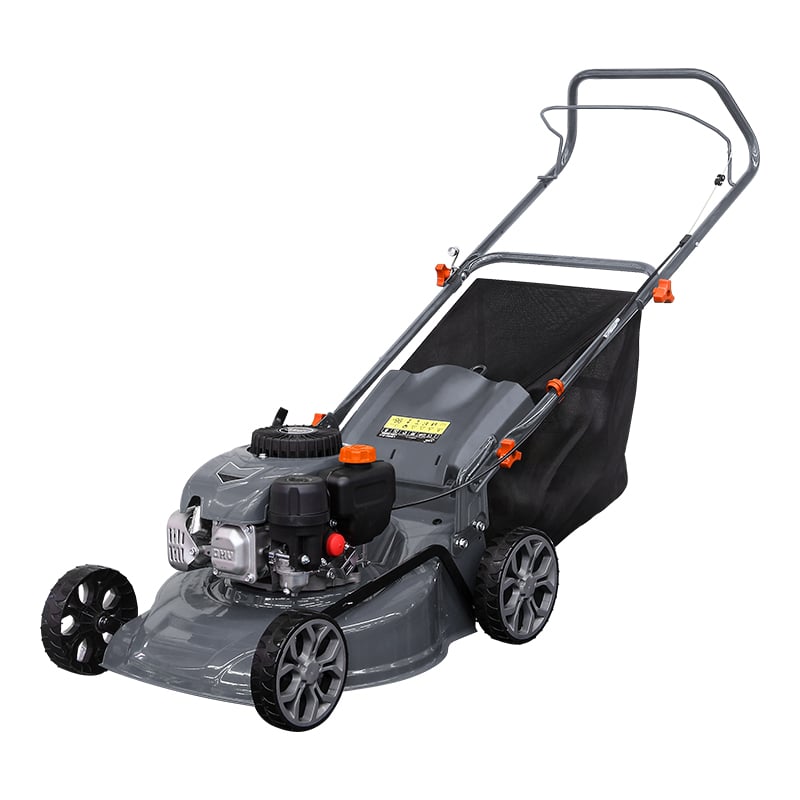
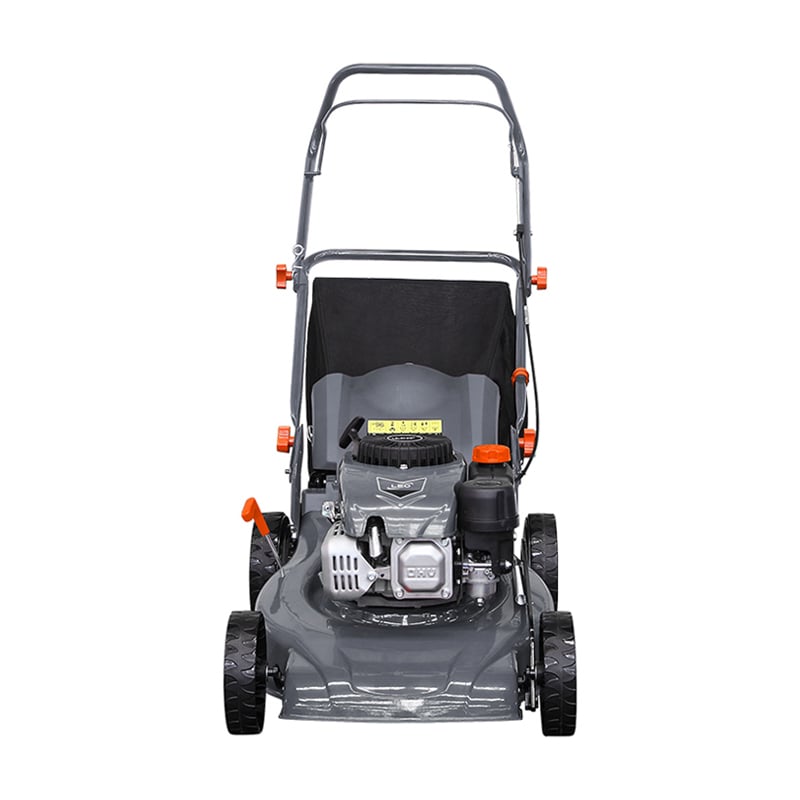
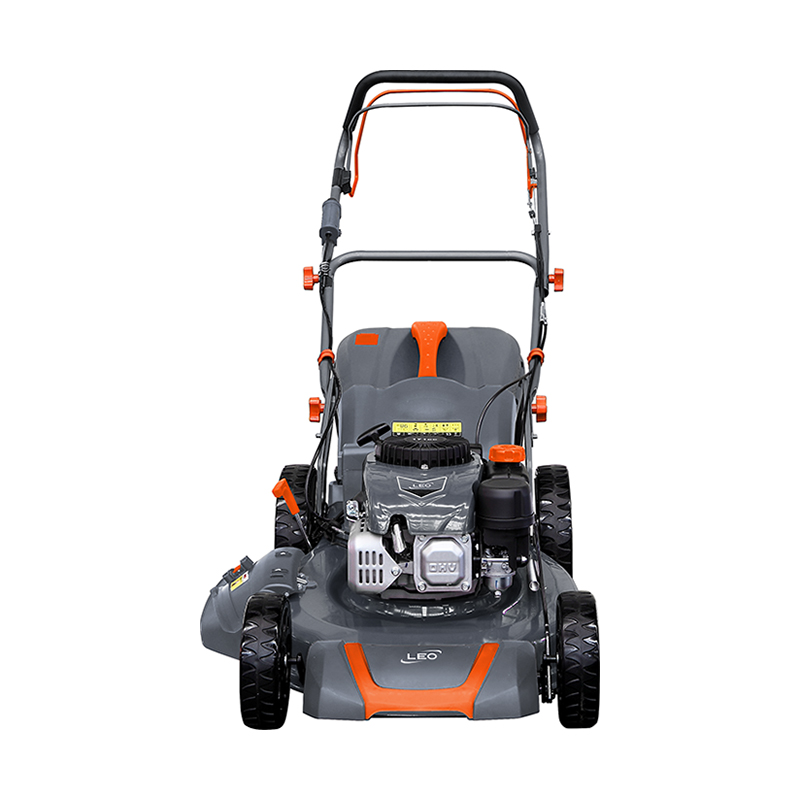
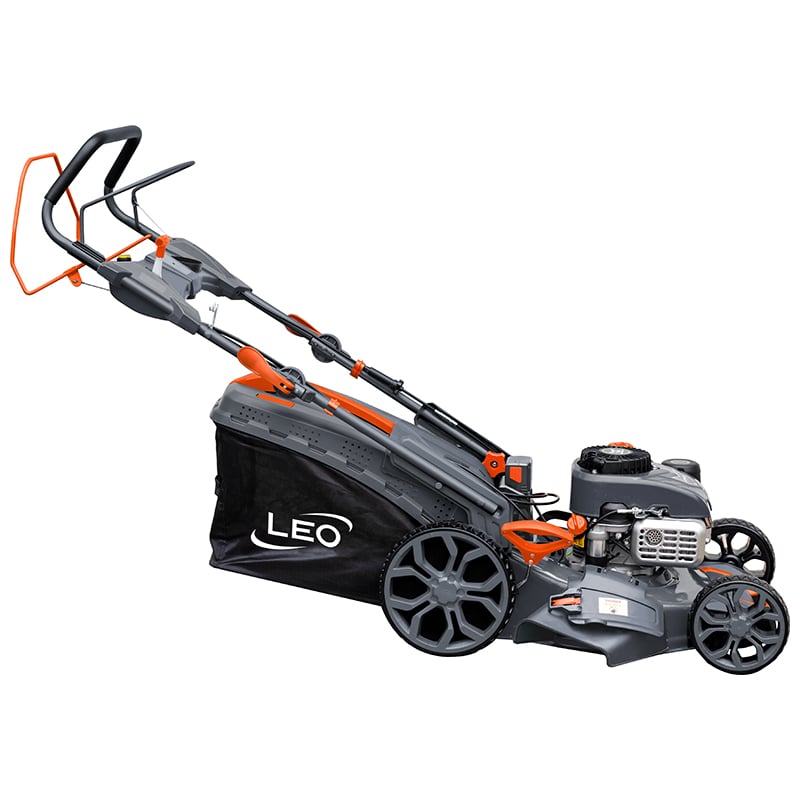
In Latin American markets, where urbanisation is driving growth in mid-range garden machinery categories, the noise sensitivity dynamic is beginning to emerge in higher-income suburban areas, though the compliance environment is less formalised. For distributors building a range for those markets, a silent shredder as part of a broader electric garden tool line — rather than a standalone product — tends to generate better overall category attachment. If you are sourcing wholesale equipment for that context, it is worth confirming that your supplier can consolidate multi-category orders (shredders, mowers, mulchers) from a single source to manage logistics complexity.
Zhejiang Leo Garden Machinery Co., Ltd has supplied garden machinery to European and Latin American distribution channels since 1995, as part of the LEO Group manufacturing network. The product range includes corded and cordless silent shredder options alongside complementary garden tools, with OEM and private label programmes available for qualifying distributor partners. CE-compliant documentation, multi-language user materials, and flexible order configurations are standard across the export range.
If the noise profile of your current shredder range is affecting customer satisfaction data or restricting sales in noise-regulated markets, a silent shredder sourced from a manufacturer with verified CE compliance and stable production quality is the straightforward answer — provided the supplier can support the order configuration and after-sales requirements that a professional distribution channel actually needs.
 Hot News