
 EN
EN
Cutting Mechanism Design for High Performance Silent Shredders.
As a garden machinery specialist who has evaluated dozens of shredding solutions across different site types, one of the most frequent misconceptions I encounter is this: buyers assume that a quieter machine must also be a less capable one. The truth is more interesting. High-performing silent shredder designs on the market today deliver both — not through a compromise, but through deliberate engineering choices that start at the cutting mechanism itself.
This article examines the core design principles behind high performance silent shredder systems, covering blade geometry, roller mechanics, machine design considerations, and what product engineering decisions separate effective models from those that fail in field conditions.
Why Cutting Mechanism Design Is Central to Silent Shredder Performance
In a conventional high-speed blade shredder, the cutting system relies on impact — a set of blades rotating at high RPM strikes material repeatedly until it fractures into smaller pieces. This approach generates significant noise from two sources: the mechanical impact itself, and air turbulence created by fast-spinning shredder blades moving through an enclosed chamber. Decibel levels in these designs typically sit well above comfortable residential use.
A silent shredder takes a different approach entirely. The cutting system is built around a low-RPM roller-crusher mechanism rather than high-speed impact. This single design distinction (low-RPM crushing versus high-speed blade impact) is what defines the silent shredder category, and it has cascading effects on every other performance parameter.
How the Roller-Crusher Cutting System Works
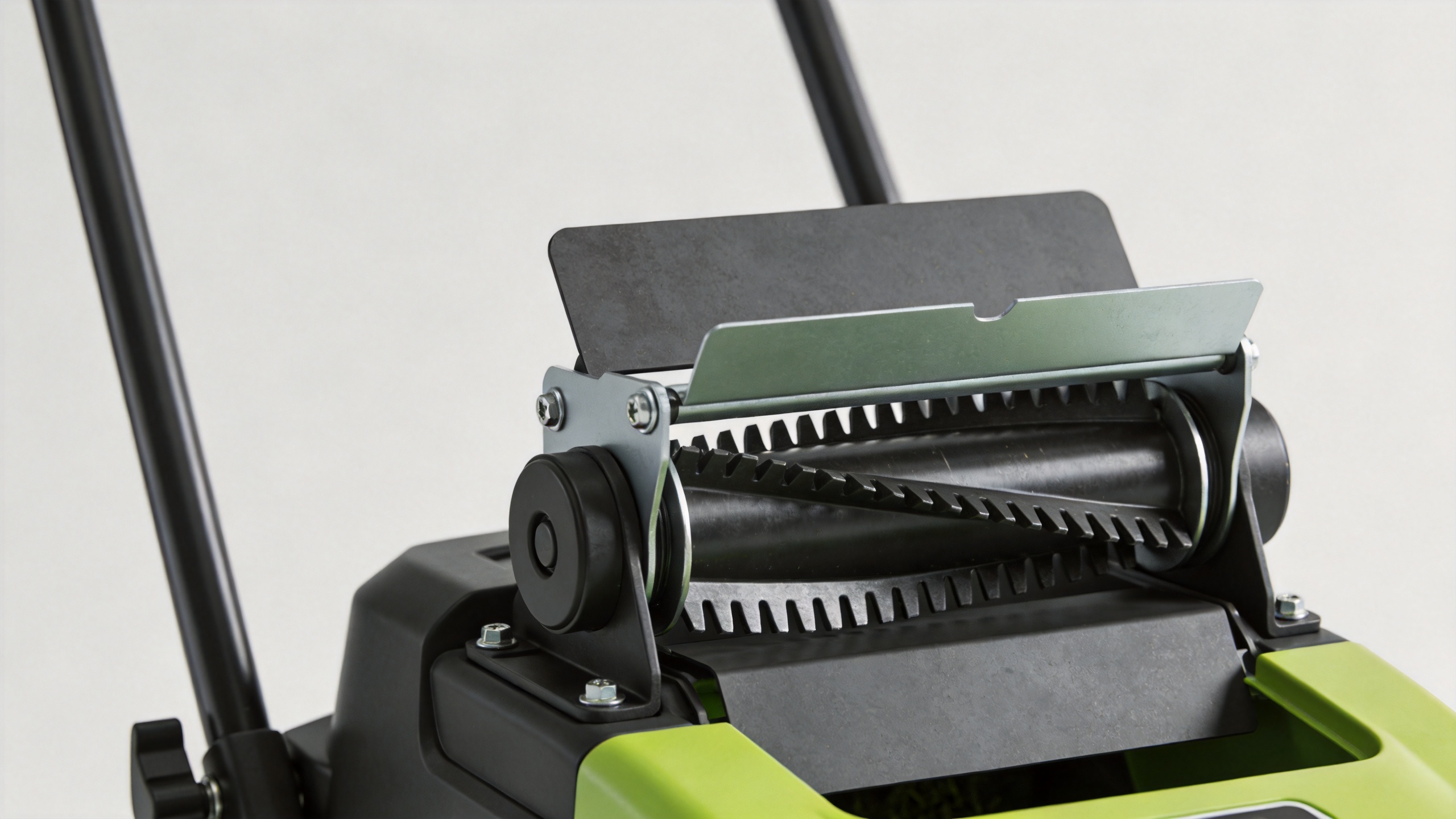
The defining feature of a silent shredder cutting system is the interaction between a serrated cutting roller and a fixed pressure plate. As material is fed into the hopper, the roller draws it inward automatically, providing a practical safety and convenience advantage over designs that require manual pushing. Once engaged, the roller rotates at relatively low RPM against the plate, crushing and tearing woody material rather than striking it.
This design enables the silent shredder to process a range of garden material including small branches, hedge cuttings, and plant stems. Well-engineered models handle branch diameters of 35–40mm without difficulty, which covers the output of most residential hedging and pruning tasks.
The mechanical difference matters: crushing and tearing generates less acoustic energy than high-speed impact. The cutting system is also less likely to produce the sudden loud "crack" that characterises impact-type shredders when they encounter knots or density variations in woody material.
Shredder Blade Geometry and Material Selection
Blade Profile and Aerodynamic Shaping
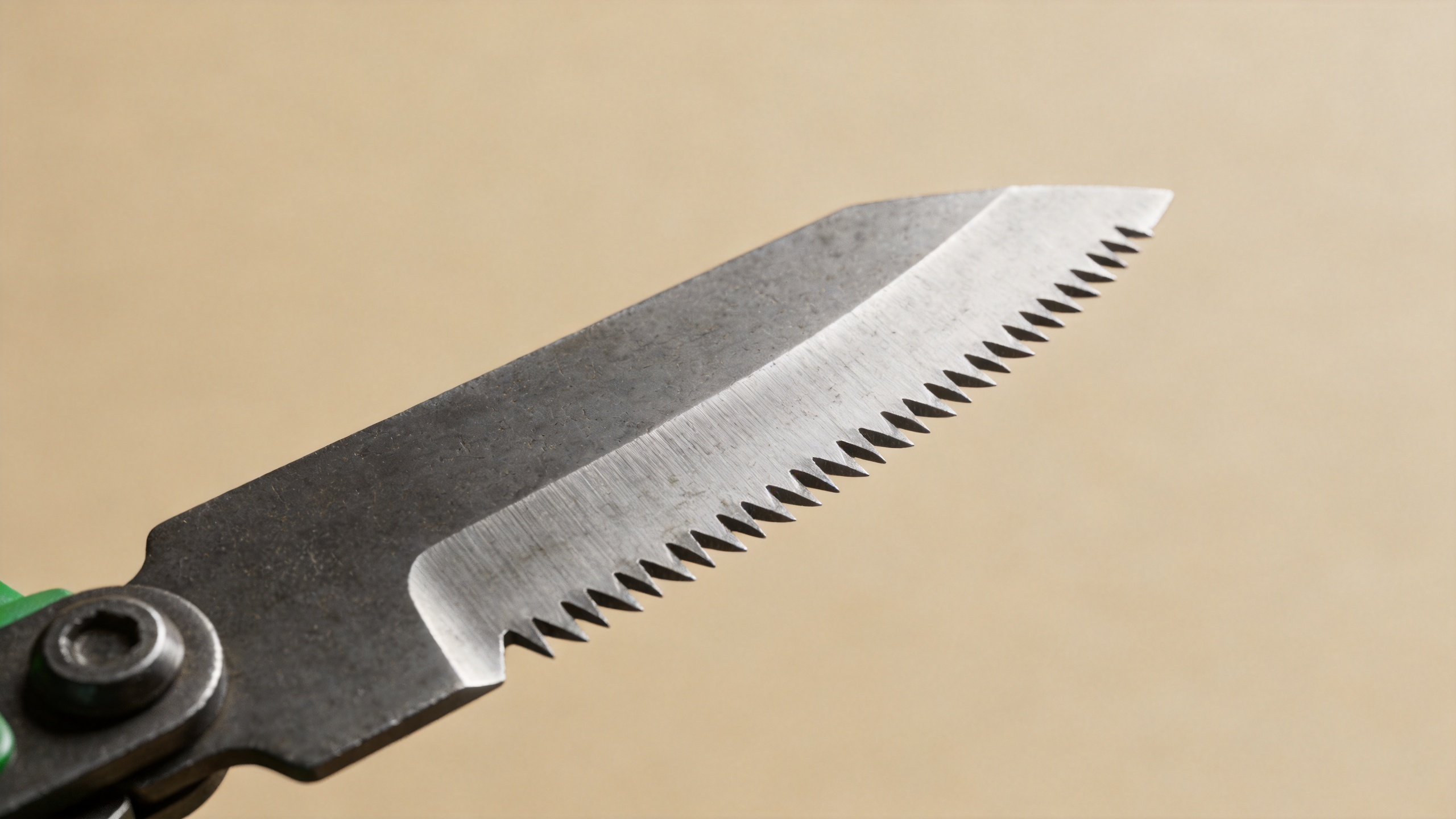
Even in a low-RPM cutting system, the geometry of shredder blades has a measurable effect on noise output. Blades designed with profiles that reduce air displacement generate less turbulence at the cutting chamber , a principle that applies whether the mechanism is crushing-type or hybrid. From a product engineering standpoint, blade cross-section matters beyond pure cutting efficiency: a well-shaped blade moves through material and airspace with less resistance, translating directly into quieter operation at equivalent throughput.
Blade material selection is equally important for durability. High-performance silent shredder designs typically use hardened steel for the roller teeth, which maintains cutting edge quality across extended operational cycles without frequent resharpening. This is particularly relevant when processing varied material types — dry woody stems, fresh hedge trimmings, and older fibrous branches all impose different loads on the cutting system.
Matching Blade Specification to Material Type
One of the more common field observations is that buyers underestimate how much material type variability affects shredder blade performance. A machine that processes dry twigs cleanly may clog when presented with fresh, moist cuttings — not because of a fault in the silent shredder design, but because the blade geometry and roller speed were tuned for a specific material density range.
If your shredding primarily involves dry, woody material (old hedge prunings, dry branches), a cutting system optimised for that load profile will outperform a general-purpose design. If you regularly process fresh, high-moisture cuttings, look for a machine design that includes a wider material infeed and a roller profile that prevents wet material from wrapping around the cutting mechanism.
Machine Design Factors in Noise Reduction
Cutting mechanism engineering is only part of the silent shredder story. Total machine design contributes to acoustic performance through several additional elements:
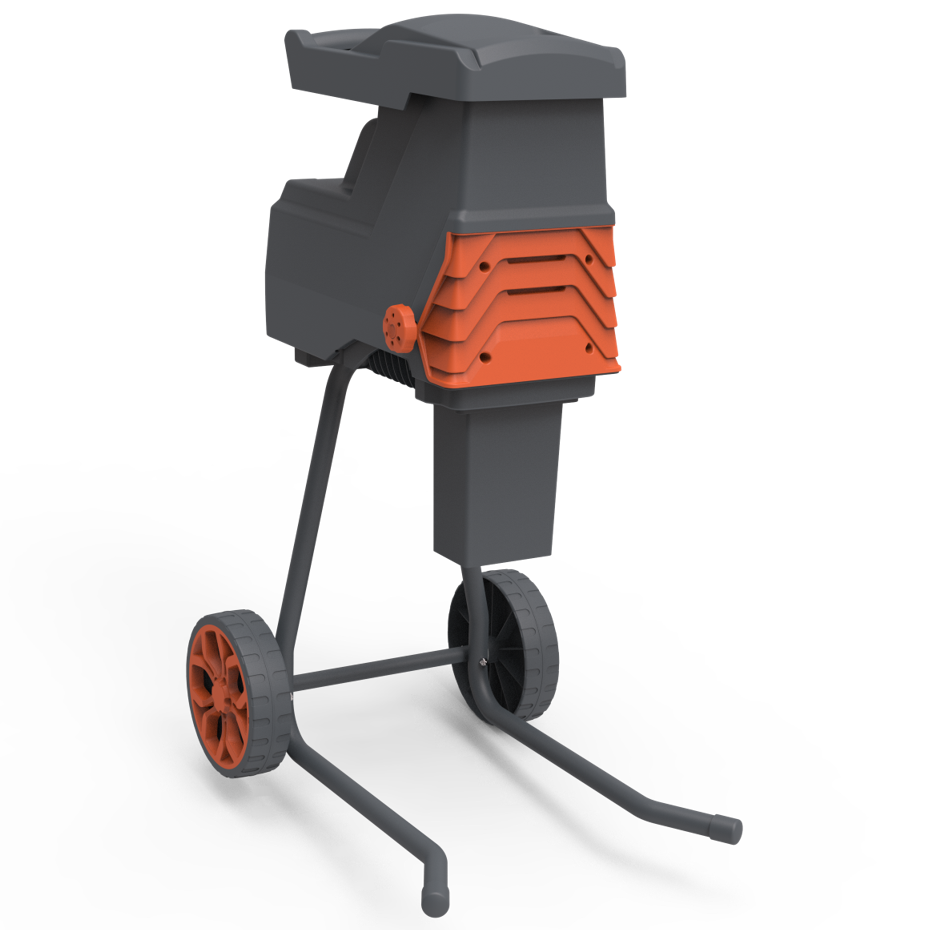
- Motor enclosure and vibration isolation: Electric motors in silent shredder models are typically encased in dampening housings that absorb vibration before it transfers to the chassis. This reduces structure-borne noise independently of cutting mechanism noise.
- Chassis and housing materials: Composite and reinforced polymer housings in modern silent shredder designs absorb and dissipate acoustic energy rather than amplifying it. Thin metal housings in older designs act as resonant panels, making the same cutting mechanism sound louder than it needs to.
- Feed hopper geometry: A well-designed guided hopper directs material toward the cutting mechanism smoothly, reducing sudden impacts and the associated noise spikes that occur when material enters at an inconsistent angle.
It depends on your use case, but if you are operating in residential areas or near property boundaries, the combination of a well-engineered cutting system and good machine design in the housing and motor enclosure is what brings total operational noise into a genuinely practical range — typically below 75 dB for a quality silent shredder — versus a conventional blade shredder operating 10–15 dB louder for equivalent output.
Product Engineering and Long-Term Performance
From a product engineering perspective, the cutting system of a silent shredder sets the baseline, but maintenance access and spare parts support determine whether that performance is sustained over time. High-performance cutting mechanisms in this category require periodic blade inspection — particularly after processing large volumes of harder woody material — and occasional adjustment of the roller-plate clearance as components wear.
Manufacturers with mature engineering programmes, like those operating within established garden machinery groups, typically provide comprehensive spare parts documentation and service support through their distributor networks. This matters for commercial users and rental fleet operators who need predictable service intervals, but it also applies to residential buyers who plan to use the machine across multiple seasons without unexpected downtime.
When evaluating a silent shredder for procurement, asking about blade and roller replacement availability, recommended service intervals, and the availability of technical documentation is a reasonable minimum — regardless of whether you are a private buyer or sourcing for a distribution catalogue.
What to Look for in a Cutting Mechanism Design
Summarising the engineering principles above into practical sourcing criteria for a high performance silent shredder:
- Cutting system type: Confirm the mechanism is roller-crusher rather than high-speed impact, particularly if noise management is a primary requirement.
- RPM specification: Lower RPM at adequate torque is the signature of purpose-built silent shredder design; high RPM figures suggest a machine re-marketed as "quiet" rather than fundamentally engineered for it.
- Branch diameter capacity: A genuine high-performance model should comfortably process 35–40mm branches through the cutting system without repeated feeds.
- Blade and roller material: Hardened steel cutting elements with documented replacement parts availability indicate serious product engineering investment.
- Machine design integration: Housing, motor enclosure, and feed geometry should all be considered as part of the acoustic performance package — the cutting system alone does not determine total operating noise.
Understanding how cutting mechanism design shapes the performance profile of a silent shredder helps buyers move beyond specification sheets and ask better questions before committing to a machine. For a closer look at how noise reduction is approached across the full machine design spectrum, see our detailed guide on noise reduction in silent shredders.
 Hot News