
 EN
What Should Commercial Landscaping Companies Consider When Buying Lawn Mowers?
For a commercial landscaping company, a lawn mower is not simply a purchase for the tool shed. It is a revenue-producing asset that affects route capacity, operator fatigue, service quality, and how quickly a crew can recover from a breakdown. The right choice begins with the jobs your teams actually complete, then works backward to deck format, drive system, power source, support plan, and supplier capability.
As a procurement buyer, I would resist starting with the lowest quoted price. A commercial mower that costs less but loses productive hours in wet grass, struggles on slopes, or waits weeks for a routine part can cost more across a season. Most professional tools look comparable in a catalogue; the difference appears in daily availability and predictable operating cost.
Start With the Workload, Not the Mower Category
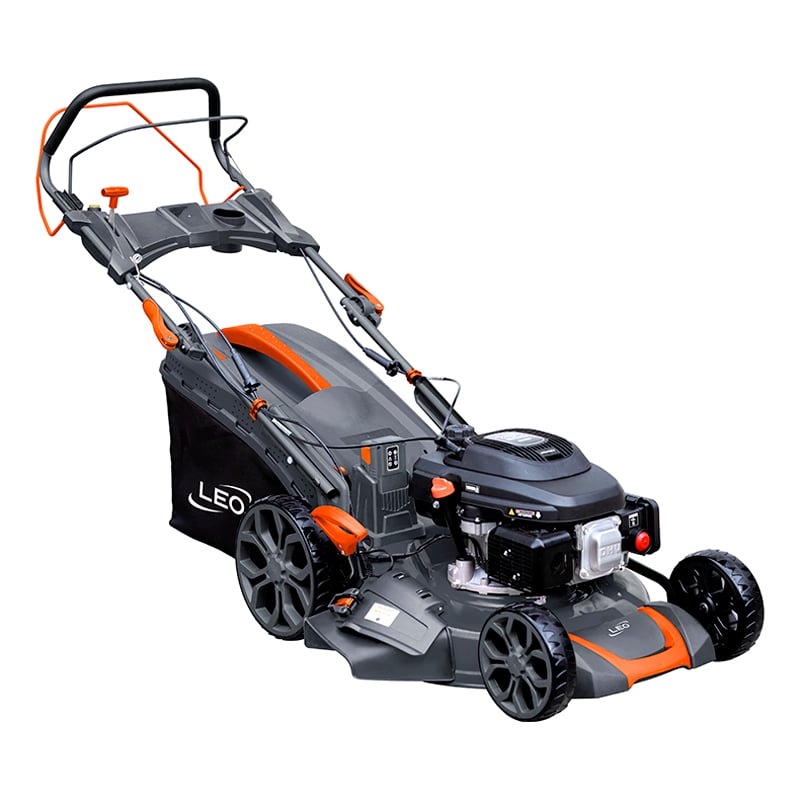
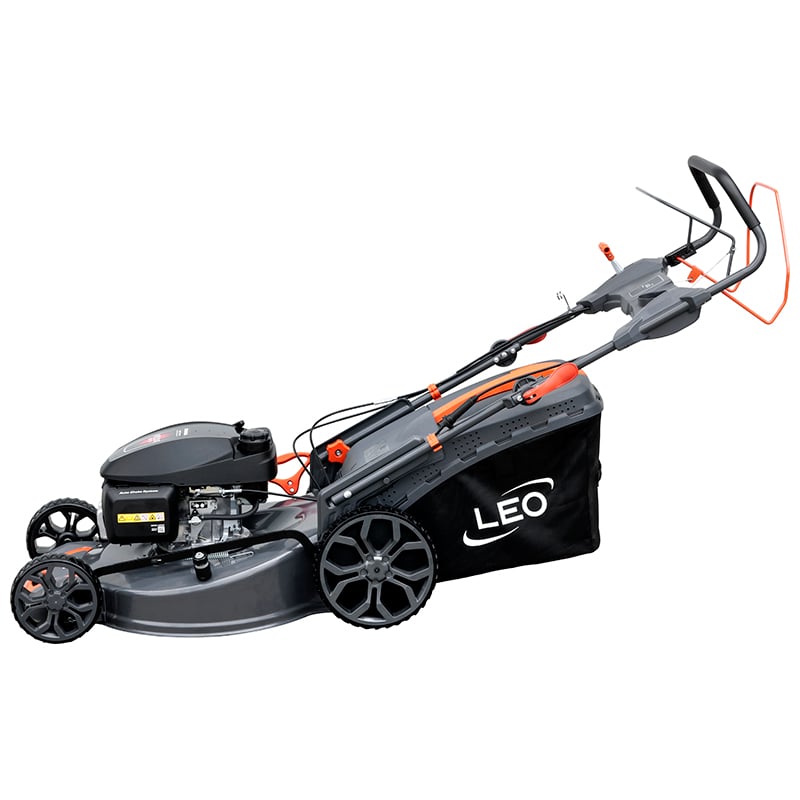
Build a simple profile of your contract mix before comparing landscaping equipment. Note the typical property size, mowing frequency, grass height at arrival, terrain, gate widths, obstacles, transport limits, and whether crews mow several sites back-to-back. A compact walk-behind lawn mower may be practical for gated urban gardens, while large open grounds can justify a wider commercial mower or a ride-on format. The specification that matters most is the one that removes a bottleneck in the route, not the most impressive number on a brochure.
- Coverage and access: Compare cutting width with property size, turning areas, gates, trailers, and storage access.
- Terrain and grass conditions: Check traction, drive control, deck clearance, and how the machine is expected to perform on slopes, uneven ground, or dense growth.
- Finish requirement: Decide whether contracts require collection, mulching, side discharge, striped presentation, or a mix of finishes.
- Utilization: Estimate hours per day and consecutive-job use. Daily commercial duty calls for a different durability and maintenance plan than occasional grounds work.
A useful test is to ask a crew lead where time is being lost now: walking speed, turns around obstacles, bag emptying, blocked decks, loading, or a machine waiting for service. That answer makes the lawn mower decision more concrete than a generic horsepower comparison.
Match Productivity Features to Real Operating Conditions
Productivity is a system, not a single engine or battery rating. Self-propelled drive can reduce push effort on long routes and moderate slopes, but it should be assessed with the operator’s walking pace, control feel, and terrain. A wider deck can improve open-area productivity, yet it may become inefficient if crews spend the day negotiating narrow entrances. Likewise, mulching can reduce stop time and clipping disposal when conditions suit it, but wet or overgrown turf can change the result. Well, it can change it quickly if the deck is not designed and maintained for the load.
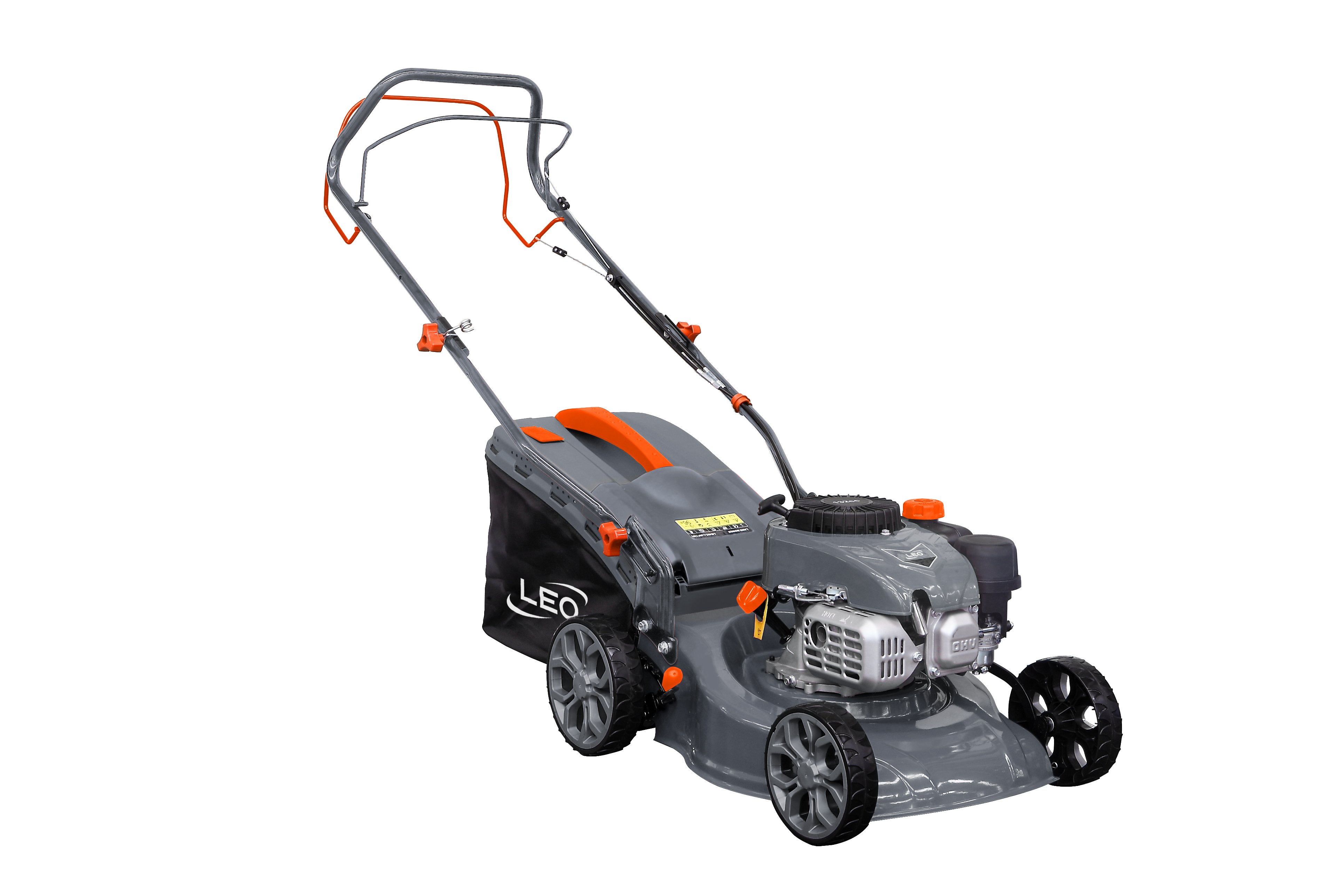
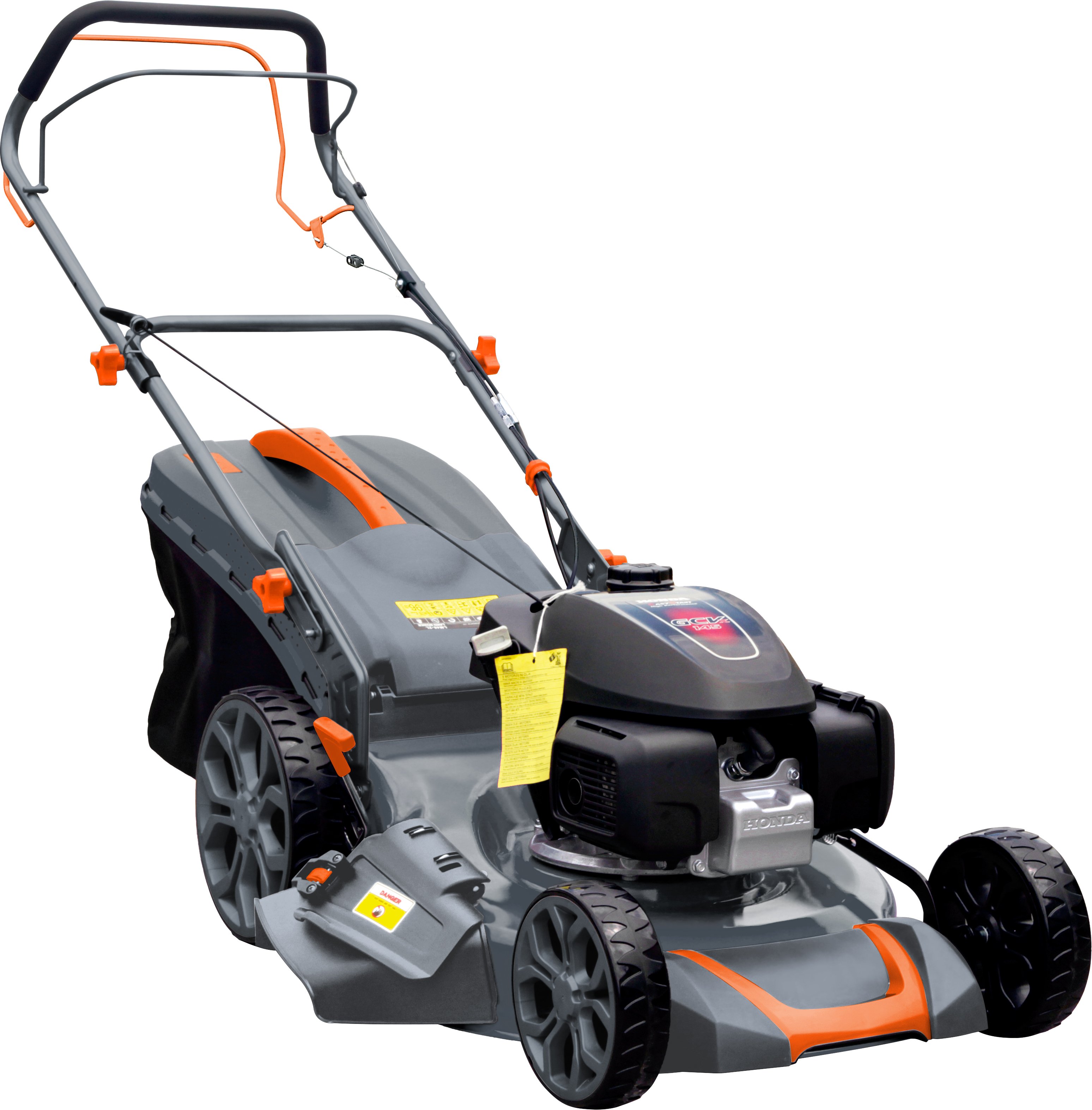
Power-source selection should also follow the work pattern. Petrol equipment can offer continuous operation when crews cover large areas or work back-to-back, provided fuel handling and maintenance fit the business. Battery-powered professional tools can be compelling where noise, exhaust, indoor storage, or short-to-medium route patterns matter, but the procurement plan should include charging time, spare batteries, and a realistic peak-day workflow. My default assumption was that cordless was the smarter choice in every situation; that holds for some noise-sensitive contracts, while a long, remote mowing route may point to a different configuration.
Calculate Lifecycle Cost and Expected Uptime
Purchase price is only one line of the decision. Create a lifecycle comparison for each shortlisted commercial mower that includes scheduled maintenance, likely wear parts, fuel or electricity, consumables, transport impact, expected downtime, and resale or replacement planning. Ask what a lost mowing day costs in crew wages, rescheduling, client confidence, and overtime. That number often gives proper weight to serviceability.
Look for practical maintenance access: blade changes, deck cleaning, belts, filters, lubrication points, and common adjustment procedures. Putting a petrol mower away without the right seasonal fuel care can create avoidable start-up problems later; the practical lesson is that a fleet needs a documented handoff routine, not simply a capable machine. Confirm what routine tasks your team can perform safely and what must go to a service partner.
Questions that expose an uptime risk
- Which parts are expected to wear during a busy season, and are they stocked locally?
- What is the normal response path for a warranty claim or technical question?
- Can the supplier provide parts diagrams, service instructions, and clear model identification?
- Are replacement blades, belts, batteries, filters, and safety components available for the planned fleet lifetime?
- Does the supplier maintain configuration consistency when you reorder the same model?
Protect Operators and Contract Compliance
Operator comfort supports consistency, safety, and retention. Evaluate handle adjustment, vibration exposure, controls, visibility, guarding, starting procedure, collection handling, and fatigue over a representative shift. A short demonstration on flat dry turf is useful, but it is not a substitute for reviewing the conditions your crews see in practice.
Noise and emissions deserve the same practical attention. In residential areas or noise-restricted zones, the operating sound level becomes a scheduling constraint rather than a preference. For equipment placed in regulated markets, buyers should ask a supplier for the applicable compliance documentation, markings, manuals, and test information, then verify requirements with the importer’s qualified compliance resource. Do not assume that a general statement of compliance applies to every model, market, or configuration.
Evaluate the Supplier as Carefully as the Machine
A dependable supplier relationship helps a landscaping company turn equipment into an operating system. Ask how the supplier manages quality control, spare-parts forecasting, packaging, manuals, technical records, and configuration changes. For distributors or brand owners, also discuss whether private-label requirements, packaging details, and support materials can be controlled consistently. A useful supplier conversation is specific: which model, which destination market, which service parts, which lead time, and which person owns the response.
Zhejiang Leo Garden Machinery’s product focus spans lawn mowers and related garden categories, which can be relevant when a buyer wants to consolidate compatible landscaping equipment through one supplier relationship. Even so, a professional buyer should request current model documents and confirm availability before treating a capability as part of a purchase decision. That qualification matters: a supplier’s range is useful only when the selected configuration, documentation, and after-sales plan are clear.
Use a Pilot and a Procurement Scorecard
Before committing a fleet, test a representative lawn mower on the grass, slopes, access points, and shift length that resemble your actual contracts. Capture operator feedback alongside measurable observations: area completed, refuelling or charging interruptions, clipping management, cleanup time, transport fit, and any service issue. A single fast pass should not determine the outcome; repeated use reveals the operational trade-offs.
| Decision area | What to verify | Why it matters |
|---|---|---|
| Job fit | Site size, access, terrain, finish | Prevents a productive machine from becoming a route bottleneck. |
| Productivity | Deck, drive, handling, discharge method | Connects machine capability to labor time. |
| Uptime | Maintenance access, parts, service response | Reduces avoidable out-of-service days. |
| Operating cost | Energy, wear items, labor, downtime | Shows the real cost beyond purchase price. |
| Supplier readiness | Documents, configuration control, support | Protects repeat orders and market access. |
Final Takeaway
A suitable lawn mower for a commercial landscaping company is one that makes its specific route more predictable: it fits the properties, supports operators, stays serviceable, and comes with a supplier plan that holds up after delivery. Start with workload and uptime, compare total operating consequences rather than headline specifications alone, and validate the choice through a realistic pilot. That approach gives professional tools a better chance of earning their place in the fleet.
 Hot News