
 EN
Why Is Cutting Height Adjustment Important for Healthy Grass Growth?
A lawn can look rough after mowing even when the lawn mower started easily and covered every corner. The usual cause is not speed or engine size. It is the height at which the blade met the turf. A lawn mower with adjustable cutting height gives you a way to match the cut to growth rate, weather, turf type, and the finish you want. That flexibility is central to steady lawn health.
From a garden-machinery perspective, the useful question is not “What is the one right setting?” It is “What can this lawn support today?” The answer changes with heat, moisture, shade, and how quickly the turf is growing. A well-set lawn mower cuts enough leaf to tidy the surface while leaving the plant with working leaf area.
What Cutting Height Changes Below and Above the Soil
turf leaves collect light and help fuel root growth. When a lawn mower is set too low, it removes a large share of that leaf area at once. The lawn then has to redirect energy into replacing leaves, which can leave it less prepared for dry weather, traffic, or recurring cuts. Low cutting can also expose soil and make a thin patch more visible.
Keeping a little more leaf generally gives the turf more shade around the crown and soil surface. Extension guidance notes that lawns mowed higher tend to develop deeper roots and have fewer weed problems. That does not mean every lawn should be kept long all season. It means the cutting height on your lawn mower should support the turf rather than chase a very short appearance.
In practical turf maintenance, a slightly higher setting can be particularly useful during hot, dry, shaded, or stressed periods. A lower setting may suit a dense, actively growing lawn when the turf species and local conditions allow it. If you are uncertain, change the lawn mower setting one step at a time and watch how the lawn responds over the next few cuts.
Why Scalping Creates Problems
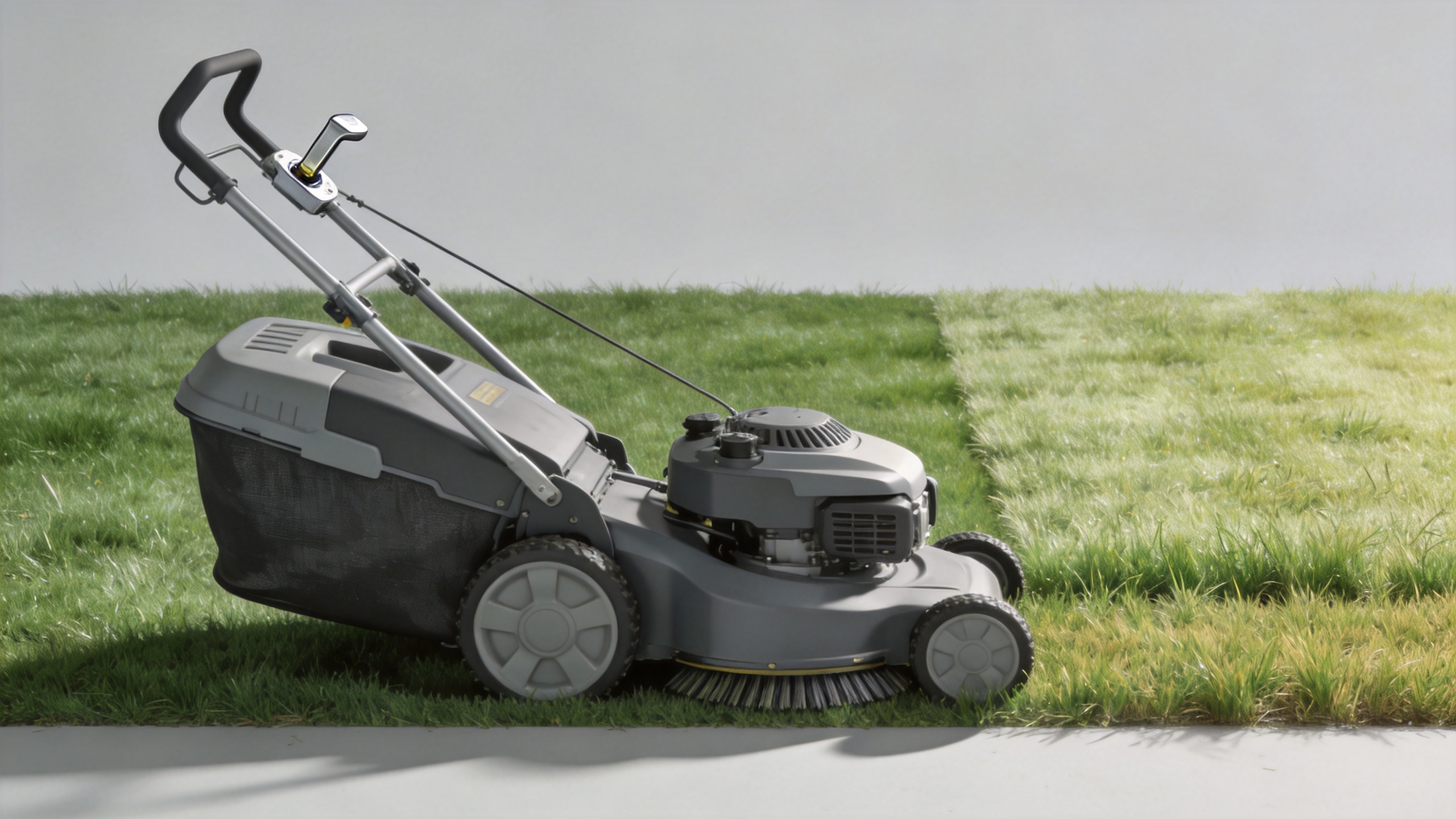
Scalping occurs when a lawn mower cuts far below the normal leaf level, often on uneven ground or after growth has been allowed to get too tall. The result can be pale stubble, torn-looking areas, and exposed crowns. It is tempting to make a single deep cut to catch up, but that is hard on the turf.
A more useful mowing tip is the one-third rule: avoid removing more than one-third of the turf leaf in one pass. If the lawn is overgrown, raise the lawn mower for the first pass and reduce the height gradually over later sessions. This approach takes longer than one aggressive cut, but it is more consistent with good lawn health.
Uneven terrain matters too. The setting that looks fine on a level stretch may scalp a hump or edge. Walk the lawn before choosing a lawn mower height, especially after winter or heavy rain, when soil movement and ruts can change the surface.
Match the Lawn Mower Height to Conditions, Not Habit
Seasonal adjustment is one of the simplest forms of turf maintenance. In a period of strong spring growth, the lawn mower may need to be used more often so each cut stays modest. During summer stress, many lawns benefit from a higher cutting height that leaves more shade at the soil line. In cooler, slower-growing periods, reduce mowing frequency before assuming the lawn mower needs a lower setting.
- Fast growth: Mow more often rather than setting the lawn mower low to remove a large amount at once.
- Heat or dry conditions: Consider raising cutting height to retain more leaf cover and reduce stress.
- Shade: Use a cautious lawn mower setting because shaded turf has less light available for recovery.
- Uneven ground: Start higher, then assess whether the lawn mower is leaving an even result.
- Wet turf: Wait for it to dry. Wet clippings can clump, affect cut quality, and make the deck harder to clear.
It depends on the turf species, of course, as well as local climate and the lawn’s use. A formal area, a family play space, and a lightly managed garden patch may call for different lawn mower settings. The point of adjustment is control, not a fixed number.
Cut Quality Still Depends on the Blade
A correct cutting height cannot compensate for a dull or damaged blade. A well-maintained blade on a properly adjusted lawn mower makes a cleaner cut across the leaf. A dull blade can tear it, leaving tips that may look ragged or brown after a day or two. If the turf seems frayed despite a sensible lawn mower setting, inspect and service the blade according to the equipment manual.
Deck cleanliness also matters. Wet or heavy clippings can collect beneath the deck and disrupt airflow. Before changing the lawn mower height, make sure the machine is switched off, the power source is disconnected where applicable, and the deck can be inspected safely. Follow the manufacturer’s maintenance and safety instructions for your model.
How Adjustable Height Supports Better Lawn Health
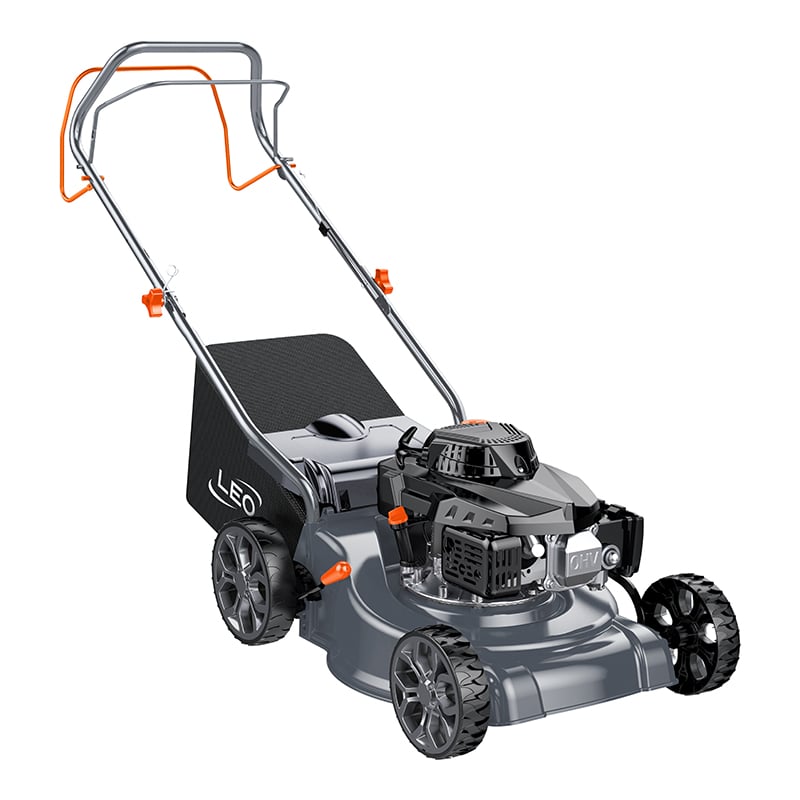
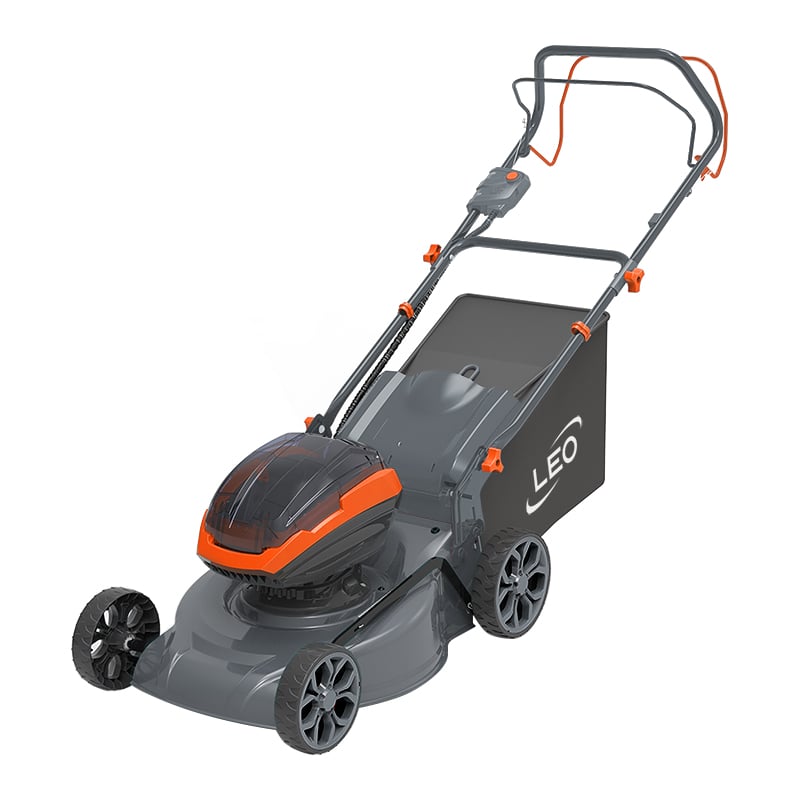
An adjustable lawn mower is useful because turf does not grow under identical conditions every week. Multi-position adjustment lets the operator respond to spring growth, summer heat, shaded sections, uneven ground, and different mowing goals without changing the whole routine. A central height-control system, where fitted, can make those seasonal changes quicker and more consistent across the deck.
The feature also works well with different clipping choices. When turf is dry and cuts are modest, a mulching setup can return fine clippings to the lawn surface. When growth is long, collection may be more practical. Either way, the lawn mower setting should allow a clean, moderate cut rather than overload the deck with too much material.
For a routine cut, set the lawn mower before starting rather than lowering it mid-pass. Consistent cutting height helps you compare results from one lawn mower session to the next and adjust for stronger lawn health over time.
A Simple Pre-Mow Check
- Look at the turf height and growth rate since the last cut.
- Check whether the lawn is dry and the ground is reasonably even.
- Set the lawn mower high enough to follow the one-third rule.
- Confirm the blade and deck are in serviceable condition.
- After mowing, review the cut. Raise the lawn mower next time if you see scalped, torn, or stressed areas.
Thoughtful mowing tips are usually more valuable than a permanently low setting. By using cutting height adjustment as a regular part of turf maintenance, a lawn mower becomes a tool for managing growth with care. The result is a tidier surface, a more resilient turf canopy, and a more practical route to long-term lawn health.

 Hot News