
 EN
EN
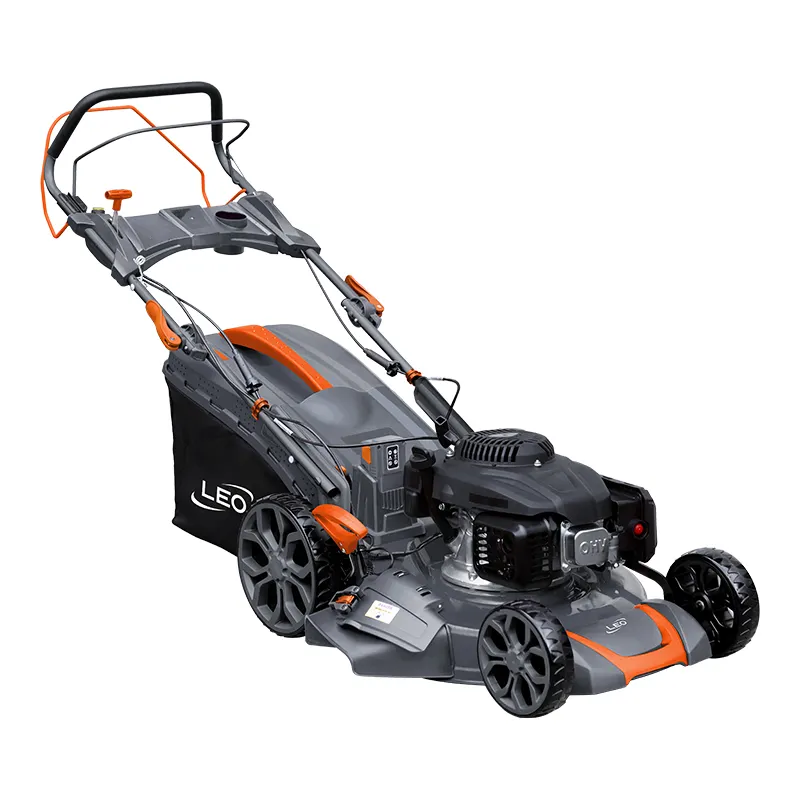
Sikkerhetssjekk før oppstart for hver Bensinplene
Visuell og mekanisk sjekkliste før oppstart
Før du starter den gassdrevne plenenøtteren, ta deg tid til å se deg grundig omkring. Sørg for at det ikke er løse skruer som ligger rundt, sjekk om det har samlet seg søppel noen steder på maskinen, og se etter skader på klippedekket eller hjulene. Sikkerhetsskjermer må være på plass og riktig festet – ingen revner tillatt. Gå gjennom kontrollene: gasshåndtak, kjøremanipulatorer og det som får bladene til å rotere. De bør alle bevege seg fritt uten å klemmes fast noe sted. OGS-sikkerhetssystemene (operator presence controls) må også fungere korrekt. Hvis noen slipper takket i håndtakene, skal bladene stoppe umiddelbart. Ikke glem å sjekke kontrollkablene for tegn på slitasje, og sørg for at hjulene er riktig justert og har riktig lufttrykk. Å bruke bare fem minutter på denne enkle visuelle sjekken kan faktisk forhindre omtrent en tredjedel av alle ulykker som skjer ved oppstart, og oppdage problemer som drivstofflekkasjer eller skadde sikkerhetsdeler før de forårsaker problemer.
Verifikasjon av kritisk væske og komponenter: Olje, luftfilter, tennplugg og skarphetsintegritet
Bekreft fire vesentlige komponenter for å opprettholde maksimal sikkerhet og ytelse:
| Komponent | Verifikasjonssteg | Risiko ved unnlatelse |
|---|---|---|
| Motorolje | Sjekk nivå med peilestav (motor kald). Fyll på med produsentanbefalt kvalitet | Motorklemd; overoppheting |
| Luftfilter | Undersøk for fremmedlegemer; bank rens eller bytt hvis mer enn 50 % blokkert | Redusert effekt; dårlig drivstoffeffektivitet |
| Sparkestekker | Fjern og undersøk elektrode; rens karbonavleiringer eller bytt hvis korrodert | Vanskelig start; uregelmessig drift |
| Låg | Koble fra tennpluggledning først. Sjekk balanse, skarphet og revner | Prosjektilfare; ujevne kutt |
Lav oljenivå forårsaker 68 % av motorfeil (Equipment Maintenance Council 2023), mens ubalanserte blad øker vibrasjonsrelaterte skader med 4 %. Alltid stram bladboltene til dreiemomentet angitt i bruksanvisningen etter inspeksjon.
Sikker håndtering og lagring av drivstoff for Bensinplenytere
Prosjektilfare; ujevne kutt
Bensindrevne gressklippere bør tankes ute der det sirkulerer mye fersk luft. La motoren kjøle seg helt ned før du tilfører drivstoff. En god tommelfingerregel er å vente omtrent en halv time etter at du har slått av klipperen, for å unngå eventuelle gnister fra restvarme. Bruk de røde bensinkannene som er sertifisert av Underwriters Laboratories. De har spesielle dysor som forhindrer søl og design som reduserer oppbygging av statisk elektrisitet. Når du fyller på, fyll ikke tanken helt opp. La det være omtrent 5 % ledig plass slik at drivstoffet kan ekspandere uten å skape problemer. Hvis det likevel renner ut bensin, rengjør det umiddelbart med noe som kan absorbere, som papirhåndklær eller sand. Og prøv aldri i noen sinnevending å påfylle drivstoff i nærheten av ildkilder, stikkontakter eller noe annet som kan antenne damper. Sikkerhet først alltid!
Beste praksis for langtidsopplagring av drivstoff for å forhindre flyktighet og dampantennelse
Når du planlegger å lagre drivstoff i mer enn en måned, er det lurt å tilsette noe drivstoffstabilisator i henhold til produsentens anbefalinger – vanligvis omtrent én unse per fem gallon. Dette hjelper med å forhindre oksidasjonsproblemer og stopper lakdannelse inne i tanken. Drivstoff bør oppbevares i lukkede beholdere som oppfyller sikkerhetskrav, enten metallbeholdere godkjent av Underwriters Laboratories eller spesifikke plasttyper godkjent for slikt bruk. Disse beholderne må stå rett oppreist på et kaldt sted (under 80 grader Fahrenheit), helst et tørt sted uten lyspåvirkning. De bør heller ikke stå nær boligområder eller i nærheten av noe som kan ta fyr. Fyll ikke beholderne mer enn 60 prosent full, siden drivstoff utvider seg når det varmes opp, og ekstra plass forhindrer farlig trykkbygging inne i beholderen. Kontroller disse lagringsbeholderne én gang i måneden for revner, slitasje eller eventuelle lekkasjer. Husk også å helt erstatte gammelt bensin etter tolv måneder, fordi det med tiden taper sin effektivitet som drivstoff og kan begynne å skille seg i lag, noe som gjør det ufarlig å bruke.
Personlig verneutstyr og sikre driftsprosedyrer
Viktig PPE: Stålskotøfler, hørselvern, øyebeskyttelse og passende klær
Alle som noensinne har brukt en gassdrevet plenklipper vet at de trenger god verneutstyr for å være trygge mot ulike farer. Støvler med ståltå som oppfyller ANSI-standarden er et må ha for alle som jobber med disse maskinene. De hjelper virkelig når klinger spinner ut av kontroll eller tunge deler faller uventet. Ikke glem heller de støyreduserende øreproppene. Gassklippere kan produsere støy fra 85 til 100 desibel, noe som er langt over det OSHA anser som sikkert for hørselen. For øynene virker polycarbonatskjermer underbare mot tilfeldige stykker gress og steiner som blir slynget av gårde i høy fart. Ifølge CPSC-tall, innebærer omtrent én av seks ulykker med plenklipper at noe flyr inn i noen sin ansikt. Lange ermer laget av tettsittende stoff hindrer klær i å bli fanget i bevegelige deler, mens skliggrep gir bedre kontroll over håndtak og spaker. Og hvis noe verneutstyr ser slitent eller skadet ut, bør det gå rett i søppelkassen. Sikkerhetseksperter sier at brukte eller nedslitte utstyr øker ulykkesrisikoen med omtrent 40 %, så regelmessige sjekker betyr mye.
Oppretthold sikkert avstand til mennesker, kjæledyr og hinder under drift
Det er viktig å holde minst 15 meter fri rundt en hvilken som helst drivende gressklipper. Ifølge data fra Centers for Disease Control skjer nesten en tredjedel av alle ulykker med barn og klippere når barn går inn i klippingssonen uten advarsel. Før du starter maskinen, bør du se deg grundig omkring etter noe som kan bli kastet – for eksempel små dyr, borttapte leker, steiner, grener eller annet skjult søppel som ligger og venter. Når du kjører bakover, må du faktisk snu hele kroppen og se bak deg, i stedet for bare å kikke i sidespeilene. Hvis du arbeider på brattere heller enn ca. 15 grader, bør du stå overfor klipperen slik at tyngdekraften virker med deg og ikke mot. Noen grunnleggende sikkerhetsregler som er verdt å huske, inkluderer å opprettholde dette sikre avstanden...
| Avstandsmål | Minimumsavstand | Primær risiko redusert |
|---|---|---|
| Personer | 50 fot | Skader forårsaket av prosjektiler |
| Dyr | Sikret innendørs | Kollisjoner med dyr |
| Hårde hinder | 10 fots | Skader på kniv |
| Falltrapper | 3 ganger slåmaskinbredde | Veltbeskyttelse |
Koble fra knivene før du kjører over kjøreveier, fortau eller andre flater uten gress – og stopp umiddelbart hvis noen kommer inn i arbeidsområdet.
Drift etter terrengtype og sikkerhet ved selvkjørende slåmaskiner
Bruk av bensindrevne plenklippermaskiner på uregelmessig eller skrånende terreng krever spesialiserte rutiner for å unngå velting og tap av kontroll. Bransjestandarder krever bruk av håndførte maskiner på skråninger med mer enn 15 grader på grunn av deres lavere tyngdepunkt og bedre operatorkontroll sammenlignet med sittemodeller.
Retningslinjer for helling: Hvorfor håndførte slåmaskiner kreves på skråninger over 15°
Å mowe på bratte bakker øker risikoen for velting. Med baggekjøretøy kan operatøren faktisk gjøre noe når ting begynner å gå galt, og har generelt bedre grep under føttene. Tommelfingerregelen? Gå rett opp og ned bakken i stedet for å krysse eller skjære på skrå. Dette holder mænderen balansert sideveis og reduserer belastningen på motor- og drivlinjedeler. Før du begynner arbeidet, sørg for at det ikke ligger løse gjenstander som kan forårsake problemer. God fottøy med godt grep er også helt nødvendig for å holde balansen på disse utfordrende skråningene.
Gasskontroll, frakobling av fremdrift og drift med bevissthet om tretthet
Selvpropellerte systemer reduserer fysisk anstrengelse, men krever disiplinert håndtering:
- Hold moderat og jevn gasshastighet – unngå plutselig akselerasjon, spesielt på stigninger.
- Frakoble fremdriftsmechanismer før vending, rygging eller navigering rundt hinder.
- Ta en pause hver 30–45 minutt – tretthet svekker reaksjonstid, dømmekraft og motorisk kontroll.
Etterdriftsvedlikehold og rutinevedlikehold for kontinuerlig bruk Bensinplene Sikkerhet
Avkjøling, fjerning av søppel og inspeksjon av blad etter bruk
Vent alltid til motoren har kjølt seg helt ned før du utfører noe arbeid på den, slik at ingen brenner seg. Fjern alt gresset og sølet rundt dekkområdet, under maskinen og spesielt fra kjølefinene. En stiv børste fungerer utmerket, eller kanskje en svak vannstråle fra hageslangen vil løse opp smuss. Bare vær forsiktig med å rette vann mot elektriske deler eller i nærheten av karburatoren. Fuktighetsopphopning fører til rustproblemer og blokkerer normal luftstrøm gjennom systemet, noe som betyr dårligere kvalitet på klippingen og mer belastning på motoren. Etter rengjøring skal tennplugskabelen trekkes ut, og du bør deretter sjekke bladene grundig. Se etter denter, bøyninger eller tegn på at de er slite. Når bladene ikke er skarpe nok, rives gresset i stedet for å kuttes rent. Dette gjør ikke bare plenen mer utsatt for sykdommer, men øker også belastningen på motoren med omtrent 30 %, ifølge noen nyere bransjestudier. Hvis bladene trenger slipt eller utskifting, er det akkurat nå anledningen til å ordne det – for bedre resultat og lengre levetid på utstyret.
Månedlig vedlikeholdsplan: Luftfilter, tennplugg og brenselsystemkontroller
Følg denne strømlinjeformede månedlige protokollen for å opprettholde ytelse og minimere risikoer:
- Luftfilter : Skift tilstoppede filtre hver måned i toppsesongen. Begrenset luftstrøm reduserer motoreffektiviteten med 15 %.
- Sparkestekker : Inspeer etter avleiring av karbon eller korrosjon; skift ut årlig for å sikre pålitelig tenning.
- Brenselsystem : Undersøk ledninger, koblinger og karburatorbolle for revner, lekkasjer eller rester. For bensin som er lagret mer enn 30 dager, bruk stabilisator for å hindre dannelse av flyktige damper og tjæreliknende avleiringer.
Å følge denne planen reduserer langtidsreparasjonskostnader med 40 % og senker brann- og sviktrisiko. Følg alltid produsentens retningslinjer for modellspesifikke intervaller og spesifikasjoner.
Ofte stilte spørsmål
Hvilke vanlige problemer bør jeg sjekke for før jeg betjener gressklipperen min med bensinmotor?
Utfør en visuell og mekanisk inspeksjon, hvor du sjekker for løse bolter, eventuelle skader, riktig hjuljustering og sørger for at sikkerhetsskjermer er intakte. Insperer kontrollene for jevn drift og fungerende OPC (Operator Presence Control).
Hvordan kan jeg sikre trygg drivstoffhåndtering for gressklipperen min?
Tanking bare når motoren er kald og på et godt ventilert sted. Bruk godkjente bensinkanner, og unngå å fylle for mye for å la plass til drivstoffutvidelse.
Hva slags verneutstyr er nødvendig når man opererer bensindrevne gressklippere?
Bruk stålsnoddete sko, hørselvern, øyebeskyttelse og kle deg i tett tilpassede klær for å hindre løse klær i å bli fanget i maskineriet.
Hvor ofte bør jeg utføre vedlikehold på gressklipperen min?
Månedlige inspeksjoner inkluderer utskifting av tilstoppede luftfilter, sjekk og eventuell utskifting av tennplugg, samt inspeksjon av drivstoffsystemet for lekkasjer eller rester.
Innholdsfortegnelse
- Sikkerhetssjekk før oppstart for hver Bensinplene
- Sikker håndtering og lagring av drivstoff for Bensinplenytere
- Personlig verneutstyr og sikre driftsprosedyrer
- Drift etter terrengtype og sikkerhet ved selvkjørende slåmaskiner
- Etterdriftsvedlikehold og rutinevedlikehold for kontinuerlig bruk Bensinplene Sikkerhet