
 EN
Why After Sales Support Is Important for Garden Machinery Buyers?
When a distributor compares a garden machinery supplier, the first discussion often concerns price, range, lead time, and specifications. Those matter, but they describe only the initial transaction. The practical question is what happens when a mower, tiller, shredder, or water pump needs a part, a diagnosis, or a clear answer after it reaches the market. For a dealer, after-sales capability is part of the product proposition, not an optional extra.
From a B2B procurement perspective, a garden machinery supplier should be assessed on how it helps partners keep equipment identifiable, repairable, and supported through a working season. A service system affects stock planning, technician confidence, end-user trust, and the dealer's willingness to extend a product range. It is worth asking a direct question before placing an order: can this supplier help our service team solve ordinary problems without turning every case into a long email chain?
Support starts after the container arrives
A purchase order may close when goods ship, but the relationship with a garden machinery supplier becomes visible after delivery. Dealers may need assembly clarification, parts identification, warranty-process guidance, or help interpreting a technical issue reported by a customer. A supplier that has a defined route for those questions gives the dealer a way to respond rather than simply pass the problem along.
This does not mean every issue needs an instant answer. Garden equipment use varies with terrain, maintenance habits, fuel or battery care, and seasonal workload. What matters is that the garden machinery supplier can distinguish a routine service question from a case that needs engineering review, and can explain the next action clearly. That measured process is more useful than a vague promise of customer care.
Why technical support protects the dealer relationship
Technical support is valuable because garden machinery is used outside, by people with different levels of experience, in conditions that can be difficult to predict consistently. A dealer may receive a report about starting difficulty, a belt-routing question, a charging concern, or an attachment that does not fit as expected. Without practical information, the dealer loses time gathering fragments of detail and the end user loses confidence.
When evaluating a garden machinery supplier, buyers should ask how technical support is organized. Is there a named contact or a defined channel? What information should the dealer provide for diagnosis? Are exploded views, part numbers, manuals, and service bulletins available in a usable format? Can the supplier explain whether an issue is likely related to setup, wear, maintenance, or a component requiring further review?
A good answer need not be elaborate. It should be specific about the information flow. For example, a dealer can collect a model number, serial number, operating conditions, photos, and a concise description before raising a case. The garden machinery supplier can then return a focused response rather than request the same facts in several rounds. That structure supports technicians and makes customer care easier to deliver consistently.
Spare parts are an operating commitment
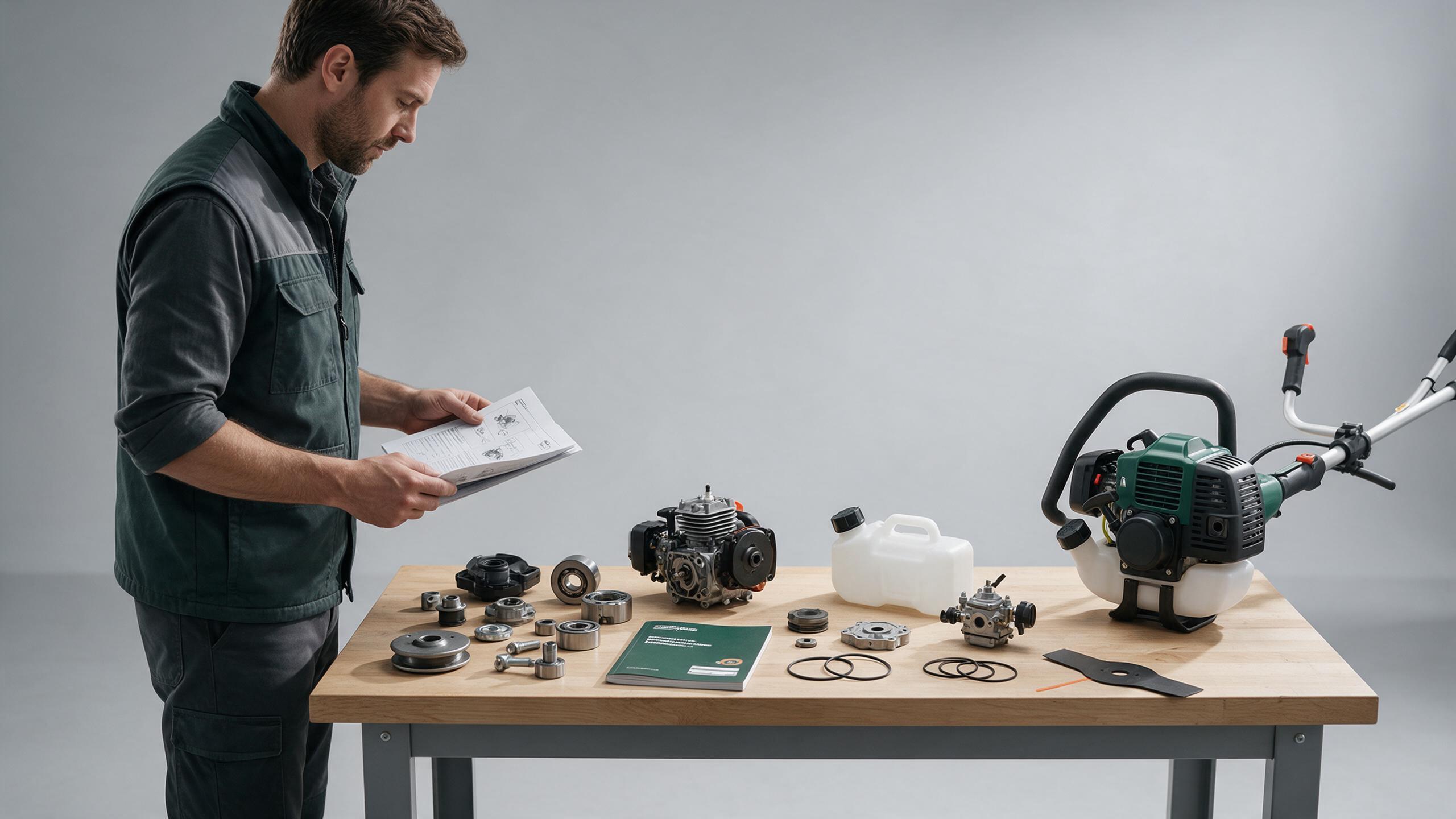
Buyers sometimes view spare parts as a catalog detail. In practice, parts availability is central to whether a product remains useful after a normal repair need. Blades, belts, filters, wheels, switches, batteries, and smaller fastening components all require clear identification. If a dealer cannot identify the right item or estimate a route to supply, a modest repair can become an extended interruption.
Before committing, buyers should ask a garden machinery supplier about the parts system before the first order. Buyers can request a current parts catalog, a sample exploded diagram, a process for superseded numbers, packaging information, and an explanation of how compatibility questions are handled. They should also clarify whether parts can be ordered with regular replenishment, held locally for fast-moving repairs, or consolidated with product shipments.
It depends on the market and machine category, of course. A dealer selling equipment for occasional residential use may plan parts differently from one supplying landscaping contractors. Still, the same principle applies: a garden machinery supplier that makes parts traceable gives its partners a more workable service system. The important issue is not an unsupported claim about stock duration; it is whether the supplier can explain the process and provide documents for the actual range.
Customer care supports repeat business without overpromising
Customer care is often treated as a soft benefit, but it has operational effects. A buyer who receives a realistic repair path is more likely to retain confidence in the dealer. A dealer who can give a timely, accurate update is better placed to protect its local reputation. In that chain, the garden machinery supplier supplies the technical information and parts process that make a helpful conversation possible.
This is where the procurement view changes. The upfront unit price is visible on a quotation; the cost of an unclear service process appears later in technician time, follow-up calls, urgent freight decisions, and strained customer conversations. When procurement teams compare a garden machinery supplier, they should include those downstream demands in the total relationship review. Price still matters, but price alone does not show whether the partner can support equipment through use.
Questions to include in supplier due diligence
Use the following questions when reviewing a garden machinery supplier:
- What service documentation is supplied with each model and how is it updated?
- How does the technical support team receive, classify, and respond to dealer cases?
- Can the supplier provide parts lists, exploded views, and clear model identification?
- What is the ordering path for routine spare parts and urgent service needs?
- How are product changes, superseded parts, and compatibility questions communicated?
- What training or reference material is available for a dealer service system?
- Who owns the next action when a case needs manufacturing or engineering review?
A capable garden machinery supplier should be comfortable discussing these questions before an order is confirmed. The answers reveal whether service is treated as a practical operating discipline or simply a sales phrase.
How buyers can build a stronger service system
Support works most effectively when both sides prepare. The dealer can nominate a technical contact, keep model and serial-number records, set a parts-stock policy, and give customers a clear route for raising issues. The garden machinery supplier can contribute documentation, technical support, product-change communication, and a structured spare-parts process. Together, those elements reduce uncertainty when a question arises.
For buyers choosing across several ranges, a sensible next step is to request a service-system review alongside samples, pricing, and specifications. Look at a manual, an exploded view, a parts order example, and the escalation path. If the answers are clear before the order, customer care is more likely to remain clear afterward.
Choose support as part of the supply decision
Garden machinery is expected to work through changing seasons and real outdoor conditions. That is why a garden machinery supplier should be evaluated not only by the equipment it ships, but also by the support it makes available once the equipment is in use. Technical support, a usable service system, responsive customer care, and well-organized spare parts help dealers serve their markets with greater clarity.
In practical terms, make after-sales support a scored part of supplier selection. A garden machinery supplier that can document its support process gives buyers a firmer basis for planning service, communicating with customers, and building a relationship that extends beyond the original order.

 Hot News