
 EN
EN
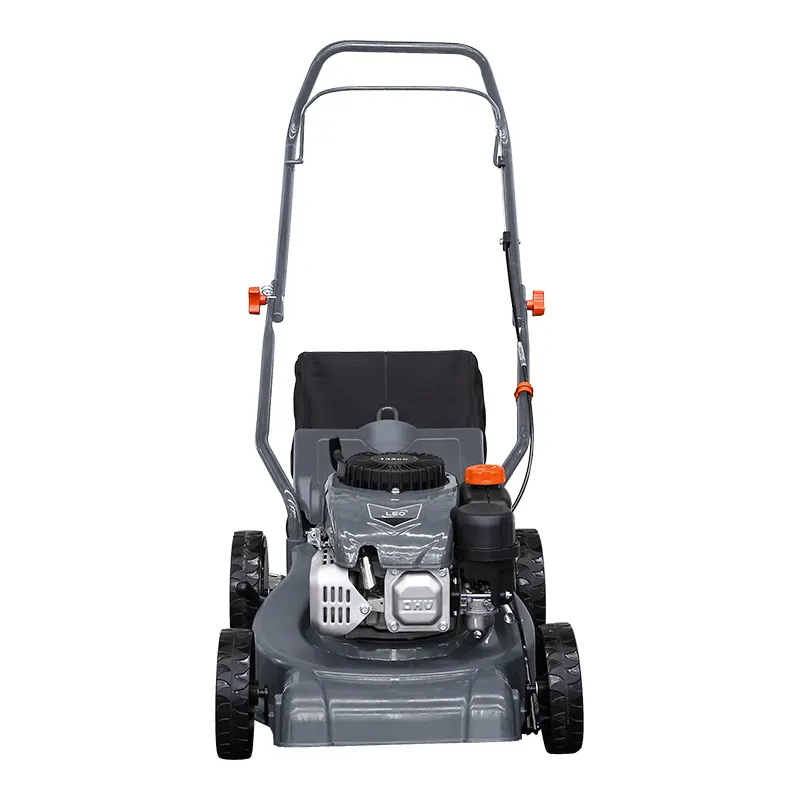
Essential Pre-Start Safety and Maintenance Checks for a Gasoline Lawn Mower
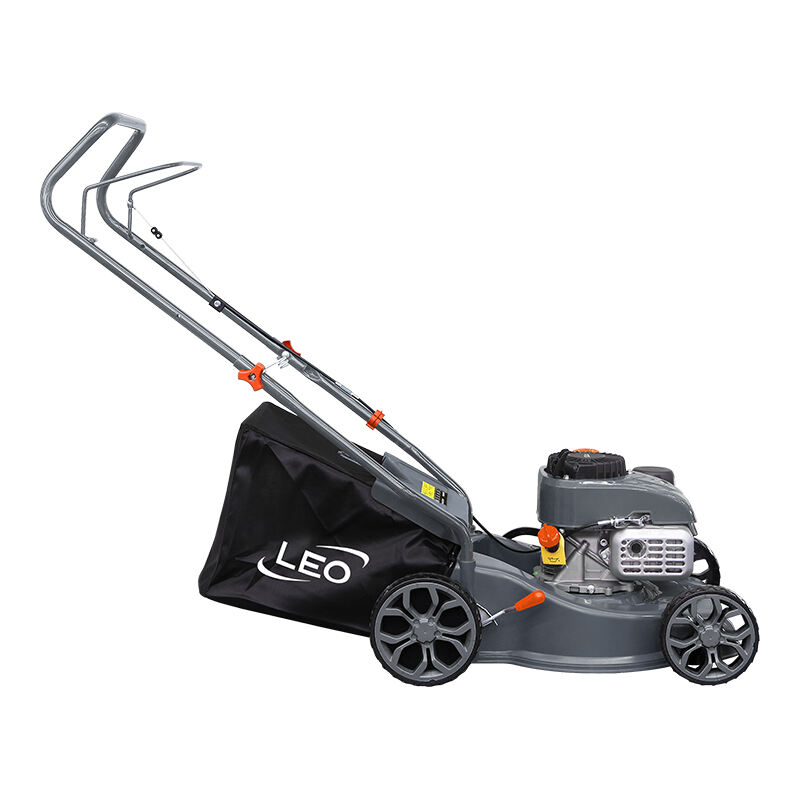
Fuel, Oil, and Air Filter Inspection: Preventing Common First-Time Failures
Always check how fresh the fuel is before trying to start anything. Old gas that's been sitting around for over a month is actually responsible for most problems when starting new engines according to those folks at the Small Engine Journal last year. Stick with ethanol free fuel if possible since regular gas tends to leave behind nasty stuff that builds up in carburetors and gets them clogged. When checking oil levels, make sure the machine is sitting flat on the ground and use the dipstick properly. Running low on oil can really mess things up bad sometimes, while putting too much in there just creates headaches with leaks and smoke coming out everywhere. Take a good look at the air filter too. If it looks dirty or full of gunk, that means air isn't getting through properly which knocks down power quite a bit probably around 40% give or take. Paper filters should be thrown away completely once they're dirty. For foam ones, give them a gentle wash with some mild soap, let them dry thoroughly first, then put oil back on them before putting everything back together.
Safety Mechanism Verification: Bail Bar, Blade Brake, and Guard Integrity
Before turning on the machine, check that the bail bar works properly as an operator presence control. When released, it should immediately stop the blade from spinning. The CPSC reports around 1,200 people end up in emergency rooms each year because these controls fail somehow. Next step is engaging the blade brake mechanism and feeling if there's enough resistance when pressing down. Take a good look at the entire mower deck area for any signs of damage like cracks running through metal parts, warped sections, or bolts that might be missing altogether. Also double check those protective covers - specifically the discharge chute and blade coverings need to stay firmly in place without gaps. If something looks damaged or feels wobbly, replace it right away since broken shielding can shoot debris out three times faster than normal. And absolutely never tamper with or turn off those safety switches found throughout the equipment. These little devices actually stop blades from rotating accidentally while someone is working on repairs or moving the unit somewhere else.
Correct Starting Procedure for a Gasoline Lawn Mower
Priming, Choke Use, and Throttle Setup Based on Engine Temperature
Engine temperature dictates optimal starting settings. For cold starts:
- Press the primer bulb 3–5 times to draw fuel into the carburetor
- Set the choke to “Full” to enrich the mixture
- Position the throttle at maximum speed
For warm restarts:
- Use half-choke or no choke
- Prime once only (if equipped)
- Keep throttle at mid-to-high setting
Over-priming or excessive choke use floods the engine—especially in warmed units—and is responsible for 67% of starting failures in new gasoline mowers, as confirmed by a 2023 small-engine reliability study.
Pull-Cord Technique and Bail Bar Engagement for Reliable Ignition
Follow this sequence for consistent, low-wear starts:
- Stand with feet braced shoulder-width apart and grip the handle firmly
- Pull steadily until resistance builds
- Deliver one sharp, full-motion yank (1–2 feet total travel)
- Allow the cord to retract gently—never release abruptly
Make sure to engage the bail bar before giving it a pull. When this lever is activated, it actually starts two important things happening at once the ignition circuit gets going and the blade brake engages too, which keeps everything running safely. People often make mistakes here. If someone does short or half-hearted pulls, they end up flooding the cylinder and wearing out the starter rope much faster than needed. Industry service reports show something interesting though when operators consistently do full pulls while keeping the bail engaged properly, rope failures drop around 40%. That's pretty significant for equipment longevity.
Diagnosing and Resolving Common Gasoline Lawn Mower Startup Issues
Flooding, Stale Fuel, and Carburetor Clogging: Quick Field Fixes
Stale fuel remains the most frequent cause of startup issues—gasoline degrades within 30 days, forming gum and varnish that block carburetor jets and corrode internal components. If your mower sputters, stalls immediately, or refuses to fire:
- Drain old fuel completely and refill with fresh, ethanol-free gasoline
- Clear carburetor passages using compressed air—avoid solvents unless disassembling
- For flooded engines (strong gasoline odor), wait 15 minutes, set throttle to full, and attempt restart without choke
Adding fuel stabilizer before seasonal storage prevents degradation and eliminates 90% of related no-start incidents. Persistent clogs may require a manual cleaning kit—most entry-level carburetors are serviceable without professional tools.
Ignition Problems and Air Filter Blockage in Entry-Level Models
Faulty ignition systems account for 43% of no-start cases in budget-friendly gasoline mowers. Diagnose methodically:
- Inspect spark plugs: Look for carbon fouling, cracked porcelain, or worn electrodes. Clean with a wire brush or replace annually
- Test ignition coil resistance: Use a multimeter—readings between 2.5–5 kΩ indicate functionality
- Assess air filter condition: Replace paper filters showing discoloration or stiffness; wash and re-oil foam filters monthly during peak use
FAQ Section
Why is old fuel problematic for lawn mowers?
Old fuel can degrade and produce deposits that clog the carburetor, leading to startup issues and poor engine performance.
How often should I replace my lawn mower's air filter?
Paper filters should be replaced when dirty, while foam filters require monthly cleaning and re-oiling during peak usage.
What should be done if the lawn mower floods?
In case of flooding, allow the mower to sit for about 15 minutes, set the throttle to full, and attempt a restart without using the choke.
How can I prevent ignition problems?
Regular checks on spark plugs and ignition coil can help. Ensure all wiring connections are secure to prevent ignition-related issues.